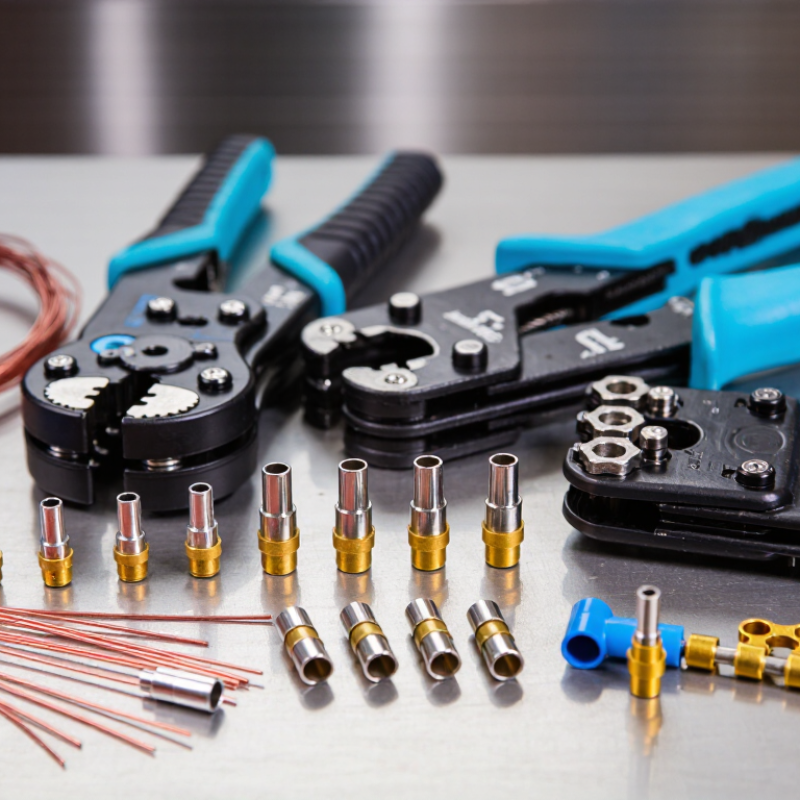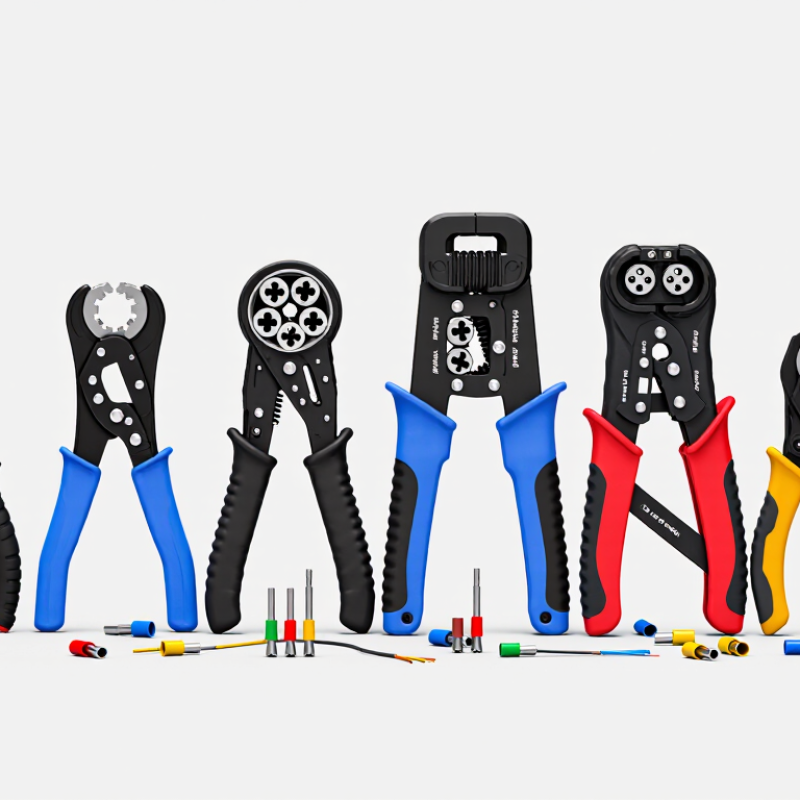
The appliance is a different wiring world from the panel, and the terminal is where the difference shows. The machine is compact, it runs hot and wet in places, it is serviced by a hand that is not the one that built it, and it is bought by a manufacturer who tests it to a life, not a moment. The panel is wired once and closed, and the appliance is wired once and run, mated, cleaned, and run again, and the terminal is the part that carries the difference. This article is the three zones of the appliance, and the terminal decision each one forces, written from the factory side that supplies the line.
Zone one: the power inlet and the main lines
The inlet is where the full current of the machine comes in, and the terminal here is sized for the current of the machine, not the average, because the machine that runs to its rating is the one that tells the truth about the connection. The inlet sees the full voltage, so the class is the one from our voltage-rating article, and it is the AC figure for the mains side. The wire is often a multi-strand flexible, because the inlet moves a little with the plug and the hand, and the barrel is the one that grips the strand without tearing it, which is the crimp story in our crimp-failure article. The decision in this zone is current and voltage first, and flexibility second, because the inlet is the zone that fails the whole machine when it fails, and the failure is the one the manufacturer finds in the life test, not in the first run.
Zone two: the motor compartment
The motor is the hot, vibrating, and sometimes wet heart of the machine, and the terminal here is specified to the environment, not the datasheet default. The heat is steady, not a spike, so the insulation is the material that holds its temperature rating for the life of the run, and the flame code is the line our flame-code article is built on. The vibration is continuous, so the connection is the one that does not loosen, and the anti-rotation and the torque are the lines from our torque article, and the crimp is the one that holds under the cycle, because the cycle is the test the compartment runs. The wet is the detergent, the water, and the wash, and the plating is the line from our plating article, because the compartment is the one that is stored wet and runs wet, and the finish is what carries it. The decision in this zone is environment first, and the size second, because the motor is the zone the life test runs against, and the life test is the one the manufacturer does not skip.
Zone three: the heater and the control circuit
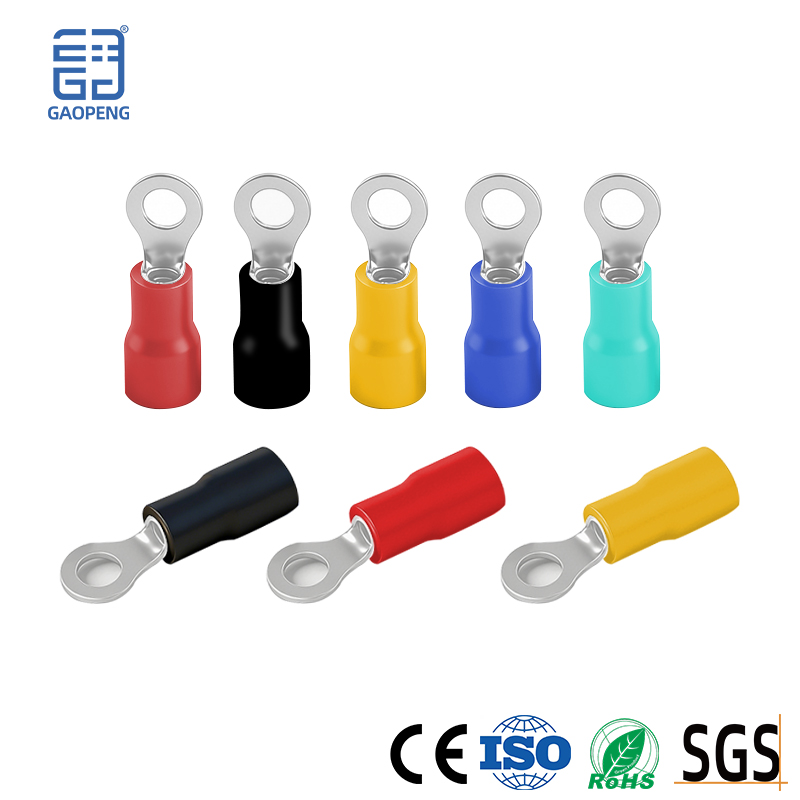
The heater circuit is the high-current side of the appliance, and the terminal is the lug or the spade sized for the heater current, which is the current of the machine for the run, and the connection is the one that runs for the whole heating cycle, not a moment of it. The control circuit is the low-current side, and the terminal is the small spade, the Bullet, or the quick-disconnect, and the decision here is the mating, because the control is the circuit that is connected and disconnected in service, and the part is the one that survives the mate, and our quick-disconnect context is the family it lives in. The decision in this zone is the duty: the heater runs to the current, and the control runs to the mate, and the two are different parts even at the same size, because the duty is the line that separates them, and the duty is what the manufacturer specifies, not the size.
The four lines an appliance spec carries that a panel spec does not
- The life, stated: the appliance is tested to a cycle count or a year count, and the terminal is specified to the life, not the install, because the life is the test the manufacturer runs and the connection has to pass it, and the pass is the line the spec carries.
- The environment, per zone: the heat, the wet, and the chemical, stated for the compartment, because the one datasheet does not cover the three zones, and the environment is the line that moves the part, and the move is the one the panel spec does not make.
- The serviceability: the part that is reached in service, and the one that is not, because the serviced part is the one that is mated and unmated, and the mating is the line the spec carries, and the mate is the one the hand does, not the line.
- The consistency, to the lot: the appliance runs for years of production, and the barrel that crimps clean in the first run has to crimp clean in the last, which is the batch-consistency article made the appliance way, with the lot on the carton and the MTC on the plating, and the lot is the line the year is built on.
We are Yueqing Gaopeng Electric, a terminal manufacturer in Yueqing since 2016, with our own molds and the tooling room on site, which is why the three zones of the machine can be one program from one factory. Send us the machine current, the three environments, and the life, and the spec comes back zone by zone, because the appliance is won in the compartment the life test runs against, not in the inlet the buyer sees.