



News
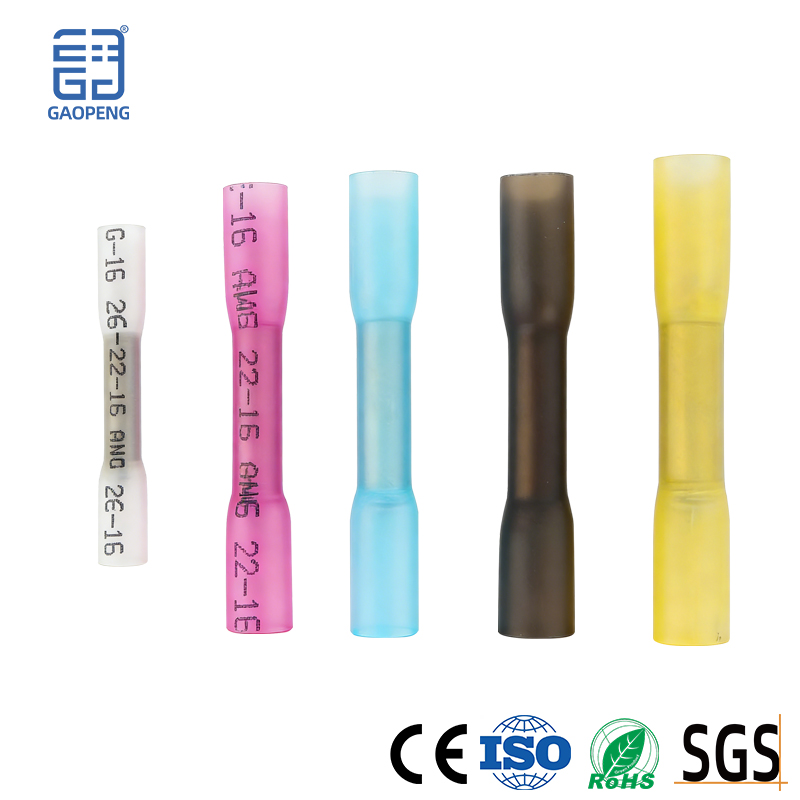
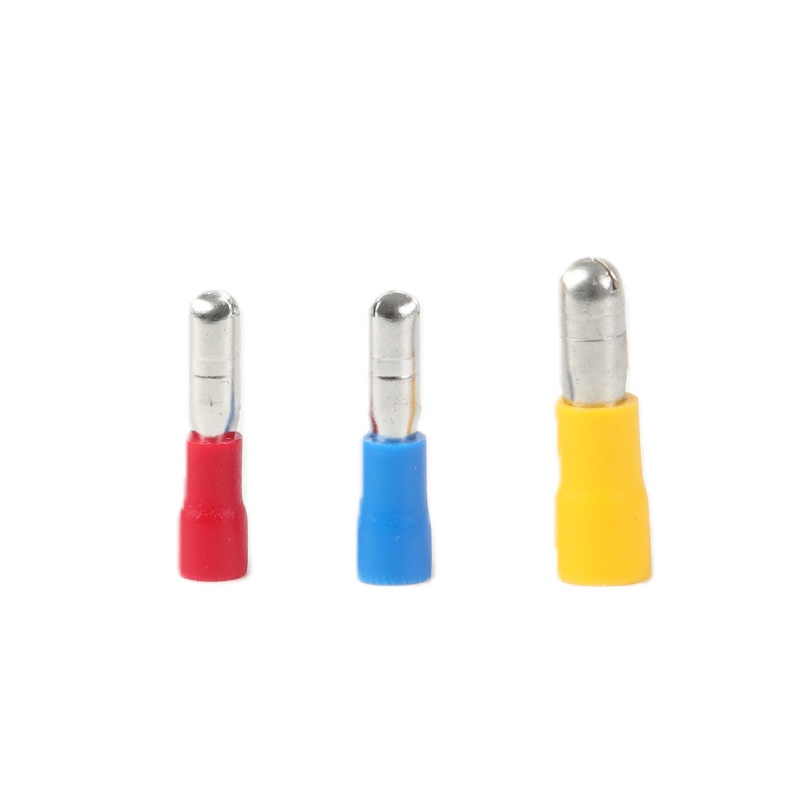
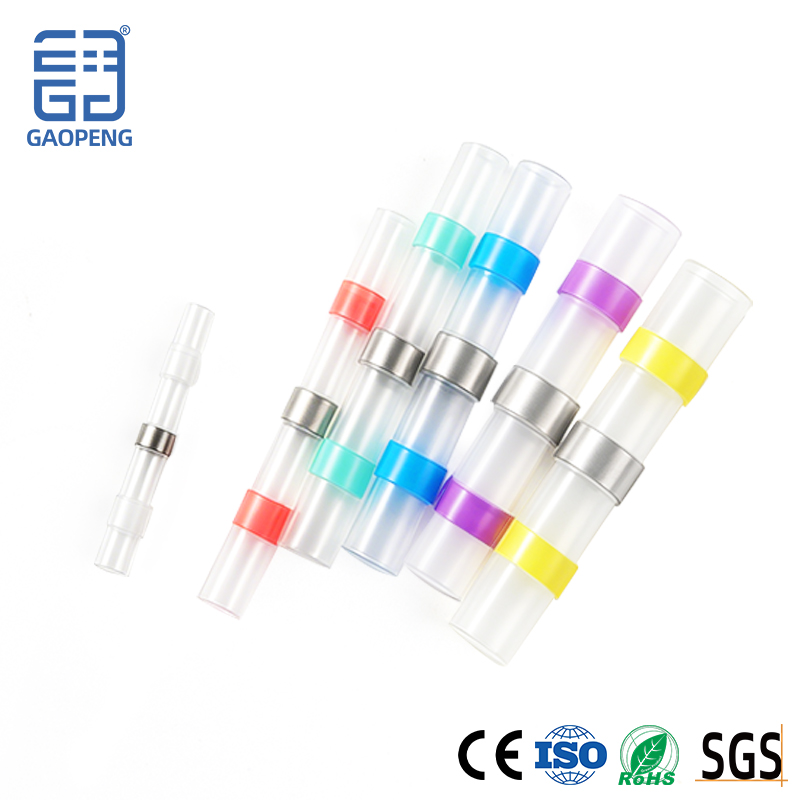
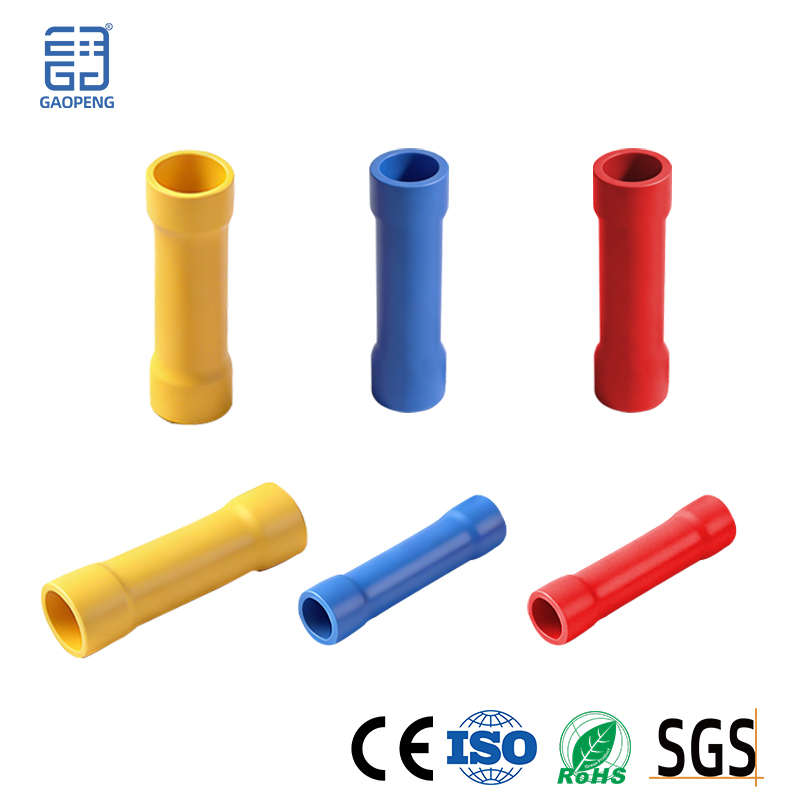
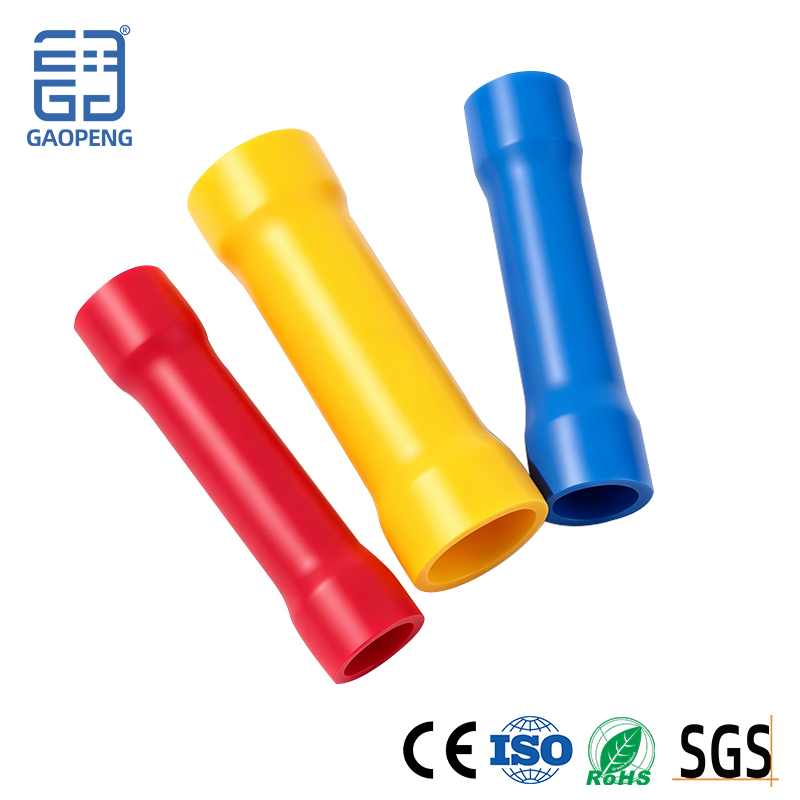
The Role of Crimp Monitoring and Smart Tools in Achieving Zero-Defect Terminations
In the relentless pursuit of manufacturing excellence, the concept of "zero defects" has moved from an aspirational goal to an operational necessity—particularly in industries where electrical connection failures are not acceptable. Aerospace, automotive, medical devices, and renewable energy all demand termination quality that approaches perfection. Yet, traditional crimping processes, even with quality terminals and calibrated tools, leave room for human error, tool wear, and process variation. Enter crimp monitoring and smart tools: technologies that bring real-time quality assurance to the termination point, transforming crimping from a manual skill into a data-driven process. At Yueqing Gaopeng Electric Co., Ltd., we support this evolution by providing terminals designed for consistency and by promoting best practices in crimp quality management. This article explores how crimp monitoring systems and smart tools are enabling zero-defect terminations.
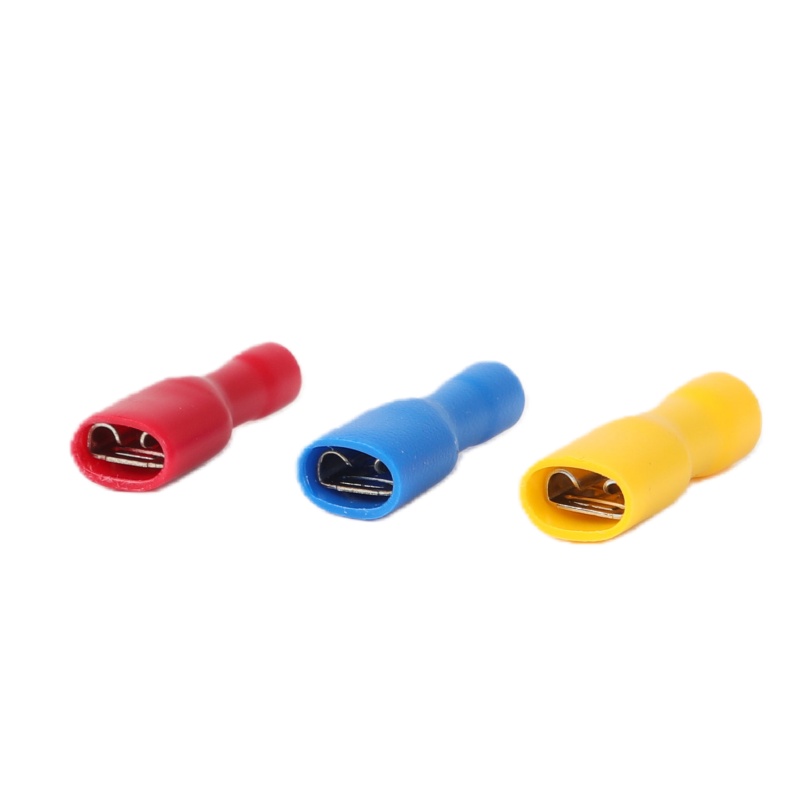
In what scenarios are plug-in connectors used?
The core features of plug-in connectors lie in their quick installation and plug-and-play capability, and they offer excellent sealing and vibration resistance in most industrial scenarios, effectively replacing the cumbersome wiring methods such as stripping wires and screwing, significantly improving wiring efficiency and maintenance convenience.
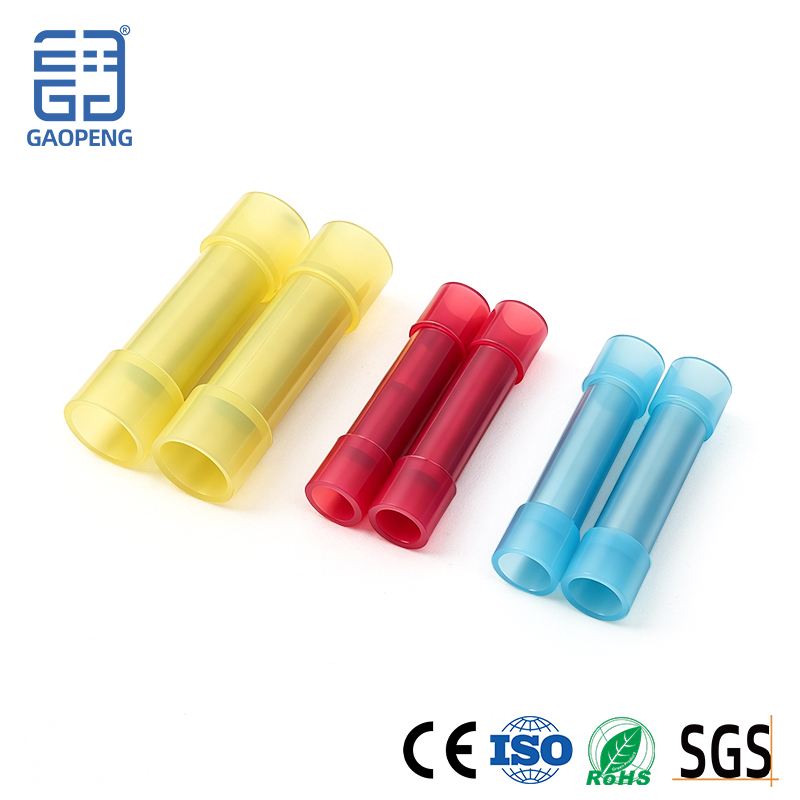
Terminal Selection and Installation: A Guide to Avoiding Costly Mistakes
For engineers, panel builders, and maintenance technicians, the selection and installation of terminal blocks and crimp terminals might seem straightforward. Yet, in our decades of experience at Yueqing Gaopeng Electric Co., Ltd., we have observed the same errors recurring across industries, applications, and continents. These mistakes—often made with good intentions—lead to field failures, safety hazards, and unnecessary costs. This guide identifies the most common and costly mistakes in terminal selection and installation, and provides clear, actionable guidance for avoiding them.
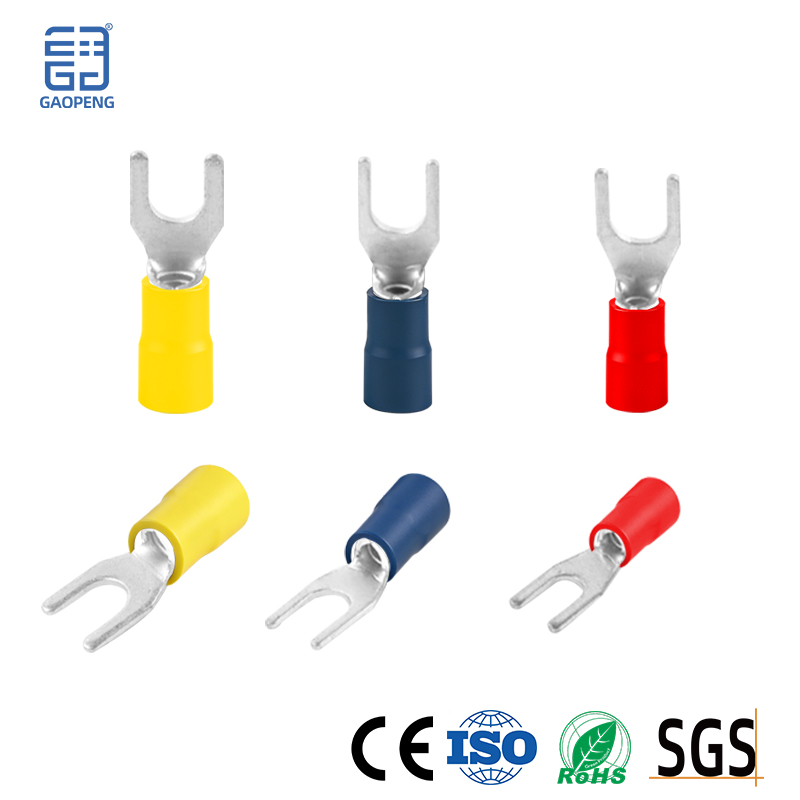
Supply Chain Resilience: Strategic Sourcing for Terminals in a Volatile Global Market
The COVID-19 pandemic, geopolitical tensions, raw material price volatility, and logistics disruptions have fundamentally altered the landscape of global procurement. For buyers of electrical terminals—whether OEMs, panel builders, or distributors—the era of just-in-time, single-source, lowest-cost purchasing is giving way to a new paradigm: supply chain resilience. At Yueqing Gaopeng Electric Co., Ltd., we have witnessed firsthand how disruptions can cascade through the terminal supply chain, and we have adapted our operations to provide customers with the stability they need. This article analyzes the unique vulnerabilities of the terminal industry and offers practical strategies for building a resilient sourcing program.
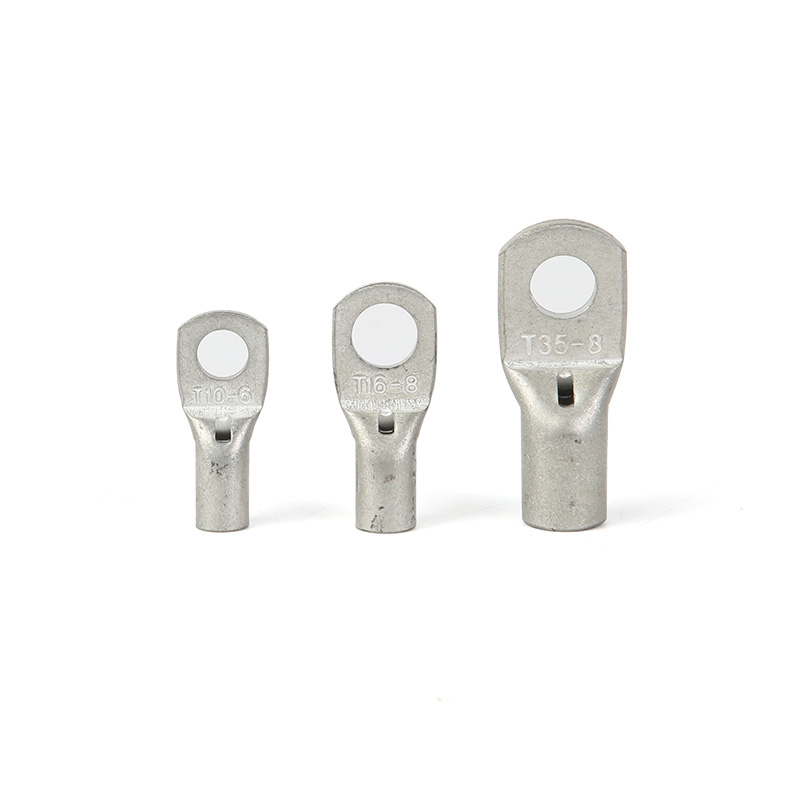
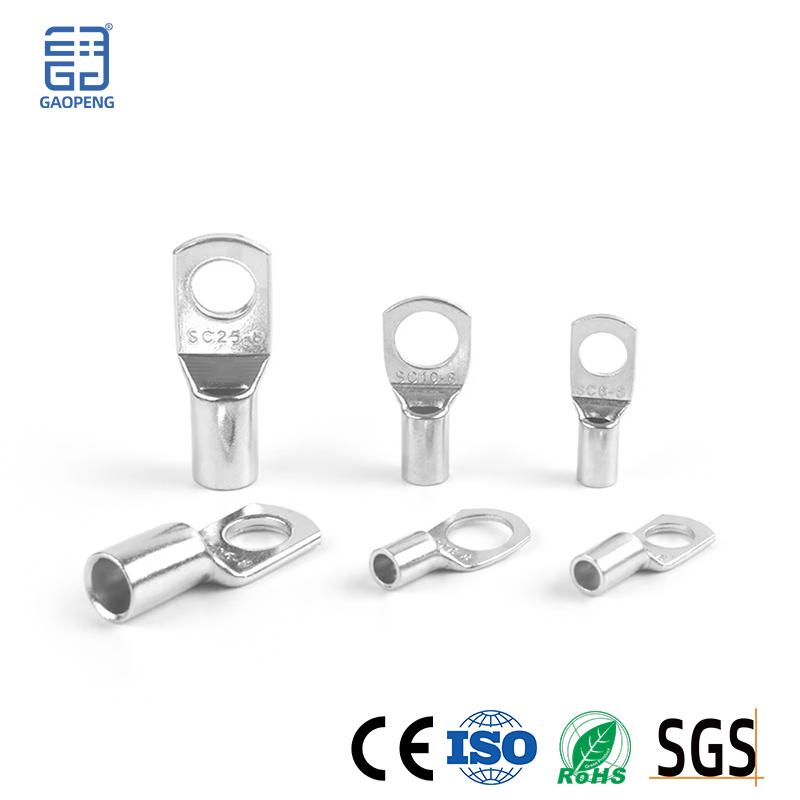
Copper terminals (or copper wire terminals) ensure strong conductivity and are usually insulated connections.
A copper terminal (or copper wire terminal) is an electrical connector used to terminate or connect copper wires to devices, switches, or other conductors. These terminals ensure a secure, conductive, and often insulated connection.
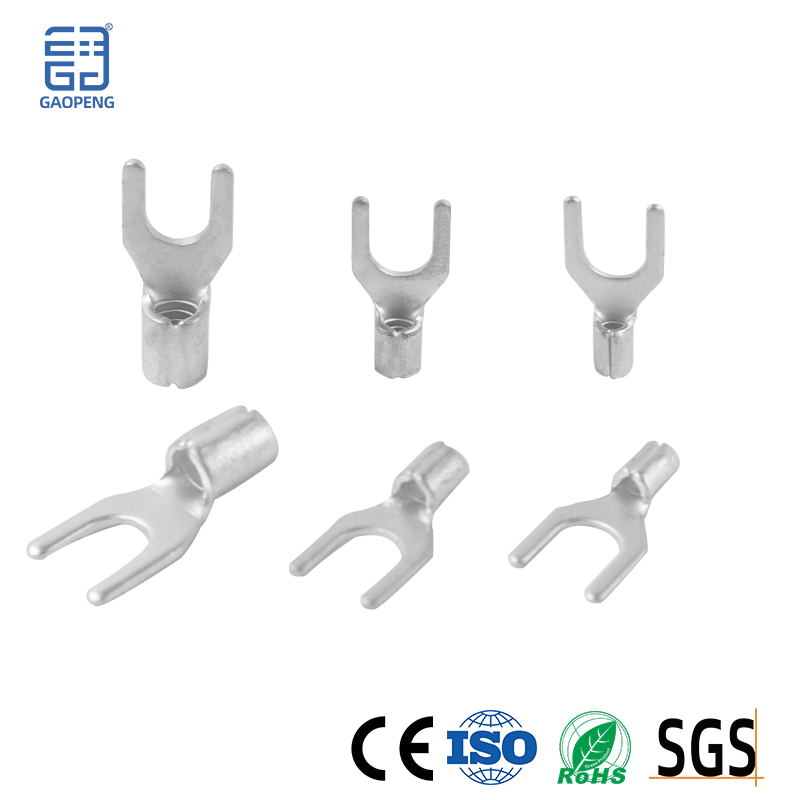
Common Misconceptions About Terminal Blocks and Crimp Terminals: Separating Fact from Fiction
In decades of serving the global electrical industry, we at Yueqing Gaopeng Electric Co., Ltd. have encountered countless assumptions, myths, and misconceptions about terminal blocks and crimp terminals. While some of these misunderstandings are harmless, others can lead to poor selection, improper installation, and ultimately system failures. This article aims to clarify the most common misconceptions, providing engineers, technicians, and buyers with accurate information to make better decisions.
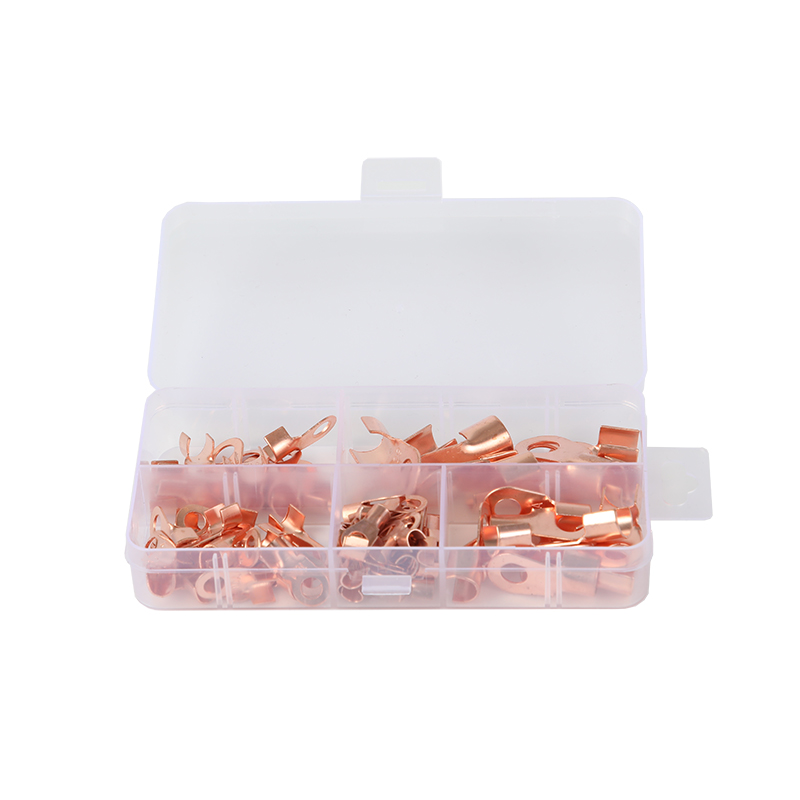
Copper terminals (or copper wire terminals) ensure strong conductivity and usually come with insulated connections.
Copper terminals can achieve connections that are both 'highly conductive' and 'insulated.' The core lies in two aspects: the conductive part relies on high-purity copper and plating to ensure low resistance, and the insulated part relies on high-performance plastic housings to ensure safe isolation.A copper terminal (or copper wire terminal) is an electrical connector used to terminate or connect copper wires to devices, switches, or other conductors. These terminals ensure a secure, conductive, and often insulated connection.
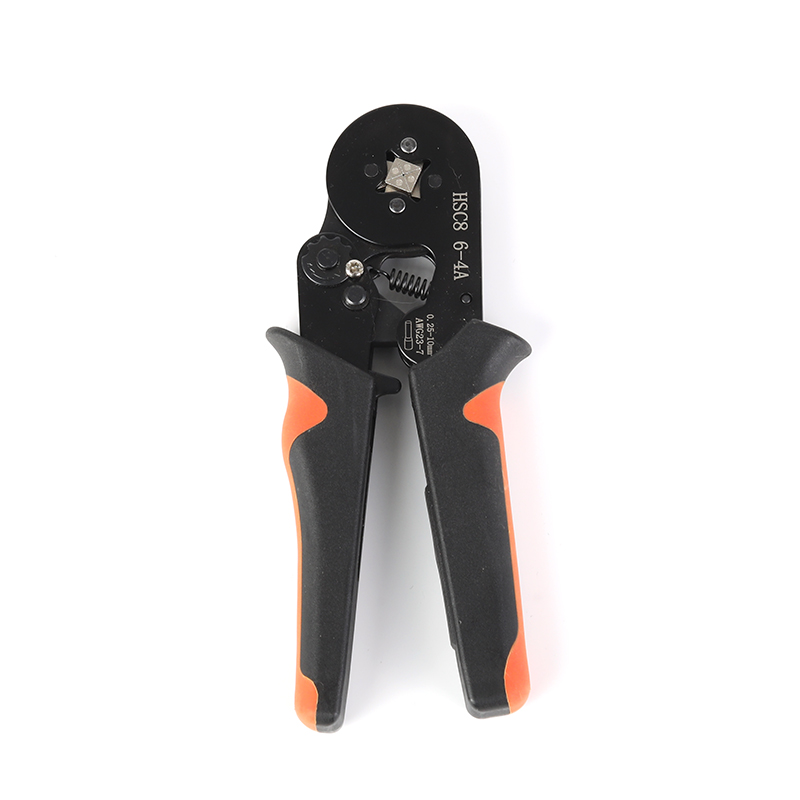
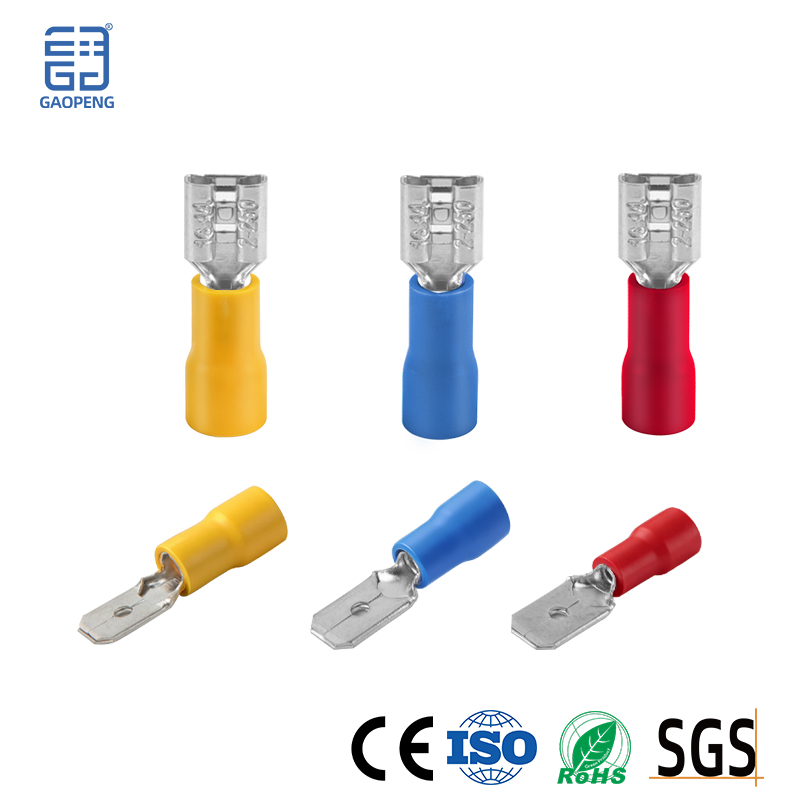
How to use an insulated crimping tool for connectors
Insulated crimp connectors are essential tools in electrical work, providing secure, reliable, and insulated connections between wires. They are commonly used in various applications, including automotive, industrial, and household wiring. Properly using insulated crimp connectors ensures both safety and efficiency, preventing electrical shorts and corrosion over time.
The Supplier Selection Guide: How to Evaluate and Choose a Reliable Terminal Partner
In the global electrical industry, the quality of terminal blocks and crimp terminals directly impacts the safety, reliability, and longevity of the final system. Yet, for many buyers—whether OEMs, panel builders, distributors, or engineering firms—selecting a trustworthy terminal supplier remains a challenging task. Price pressure, varying quality standards, and the complexity of international certifications make informed decision-making difficult. At Yueqing Gaopeng Electric Co., Ltd., we believe that an educated customer is our best partner. This guide provides a practical framework for evaluating terminal suppliers, helping you make decisions that balance cost, quality, reliability, and long-term value.
From Raw Material to Finished Product: The Quality Assurance Journey of a Gaopeng Terminal
In the world of electrical connections, quality is not an accident—it is the result of deliberate, systematic processes that begin long before the first terminal is stamped and continue long after the final product leaves our facility. At Yueqing Gaopeng Electric Co., Ltd., we believe that transparency about our quality assurance practices is essential for building customer trust. This article takes you behind the scenes of our manufacturing operations, tracing the journey of a terminal from incoming raw materials through production, testing, and final shipment. Understanding this journey will help you appreciate why Gaopeng terminals deliver the reliability your systems demand.