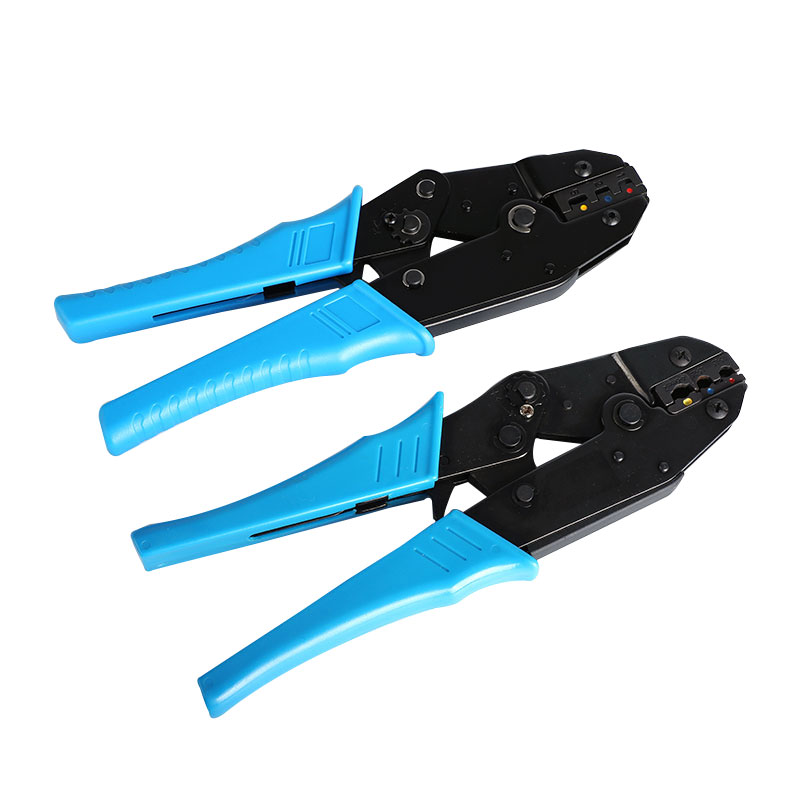
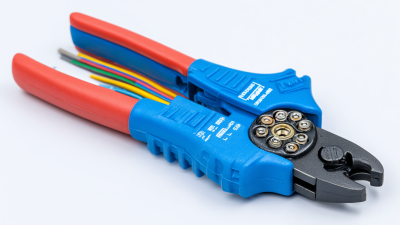
In today’s fast-moving manufacturing world, getting things done efficiently and accurately is more important than ever. That’s why having the right tools can make all the difference. Take, for example, the Wire Crimping Tool — a pretty essential device when it comes to putting together solid electrical connections. Industry reports are pointing out that by 2026, the global market for these tools could hit around $1.3 billion, thanks largely to the rise of automated manufacturing and the need for high-quality electrical wiring. A company that’s been making waves in this space is Yueqing Gaopeng Electric Co., Ltd. It was set up back in 2016 in Wenzhou, Zhejiang Province, and has really grown since then. They produce a huge variety of terminals and connectors, with an annual output running into the billions. Plus, they’ve got a strong presence in markets across Asia, Europe, America, and Africa. Gaopeng understands just how vital wire crimping tools are — not only for speeding up production but also for making sure connections are dependable, which in turn supports the growth of modern manufacturing practices.
The Evolution of Wire Crimping Tools in Manufacturing Processes
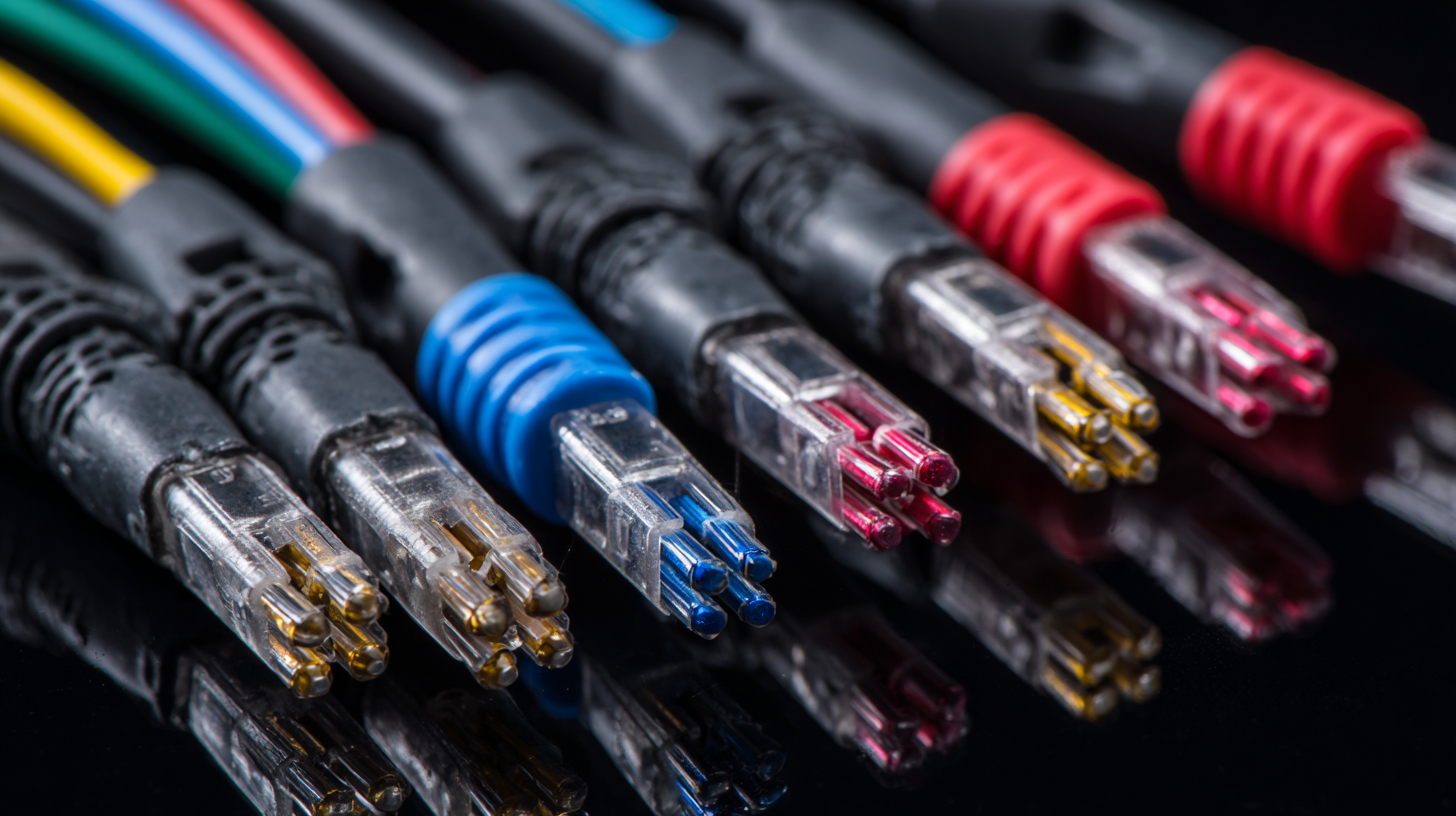
Over time, the way wire crimping tools have evolved in manufacturing has really made a big difference in boosting both productivity and accuracy. From the old-school manual crimping methods to today’s high-tech automated machines, it’s been quite a journey—kind of like the industry’s way of keeping up with the demand for speed and precision. I came across a report from MarketsandMarkets that says the global market for crimping tools is expected to grow from about $2.1 billion in 2020 to around $3.3 billion by 2025. That just shows how important these tools are becoming in manufacturing circles.
Back in the day, wire crimping was mostly a manual job, which not only slowed things down but also led to inconsistent quality—a real pain. Luckily, tech has stepped in with hydraulic and pneumatic crimpers that deliver much more reliable results. For example, a study by Technavio points out that switching to automated crimping tools can boost production speeds by as much as 30%, all while cutting labor costs and reducing mistakes. As industries move further into Industry 4.0, more and more manufacturers are starting to use smart crimping tools loaded with sensors and data analytics. That means they can keep an eye on quality in real time and make smarter, data-driven decisions—pretty cool stuff, right?
Comparative Analysis: Wire Crimping vs. Soldering Techniques
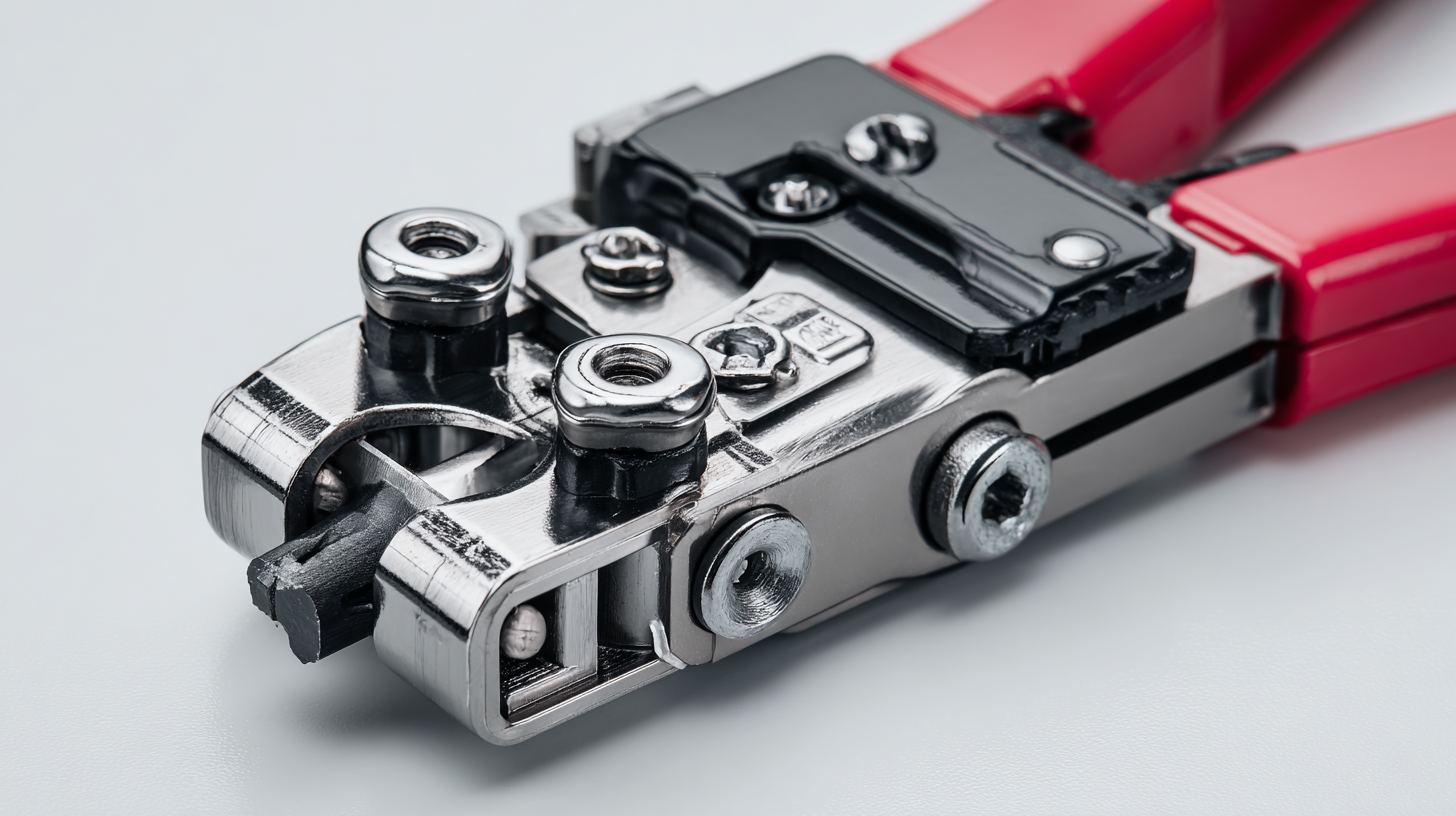
When it comes to connecting wires in modern manufacturing, folks usually think about two main methods: wire crimping and soldering. Each has its own pros and cons, so choosing the right one really depends on what your priorities are—whether it's speed, reliability, or something else. Take wire crimping, for example—it’s loved for being quick and pretty consistent. You use special tools to squeeze the metal around the wire, which creates a solid connection without needing much training. That can help cut down on time and costs in production.
On the flip side, soldering is all about melting a filler material to bond the wires together, and it often results in really good electrical conductivity. But it’s usually more time-consuming and can require a bit more skill, especially if you’re running a big operation. Plus, solder joints can sometimes be more prone to mechanical stress or fatigue over time, whereas crimped connections tend to hold up better in different conditions. At the end of the day, whether to go with crimping or soldering depends on what your specific needs are—like the kind of application, your workflow, and what kind of reliability or durability you’re aiming for.
Unlocking Efficiency: The Advantages of Wire Crimping Tools in Modern Manufacturing
| Criteria | Wire Crimping | Soldering |
| Speed of Implementation | Faster | Slower |
| Strength of Connection | Very Strong | Moderate |
| Ease of Use | User-friendly | Requires Skill |
| Heat Damage Risk | Low | High |
| Material Variety Compatibility | Wide Range | Limited |
| Cost-Effectiveness | High | Moderate |
Exploring Manual and Automatic Crimping Tools: Pros and Cons
In today's manufacturing world, making your production processes as efficient as possible is more important than ever. Choosing the right crimping tools isn't just a small detail—it's a big deal. You've got your manual and automatic crimpers, each with their own pros and cons. For example, manual tools give you a lot of control and tend to be easier on the wallet, which makes them pretty great for small runs or jobs that need a bit more finesse. But, let’s be honest—using them for a long time can get tiring, and the results might not always be perfectly consistent. On the flip side, automatic crimping tools can really boost your output, especially if you’re doing large volumes. They also reduce fatigue for the operator, making life way easier. I remember reading that companies using automation reported about a 30% jump in throughput—that’s pretty impressive, right?
So, when you’re trying to decide between manual and automatic tools, think about what matters most for your situation. If you need flexibility and precision, manual tools might be the way to go. But if speed and efficiency are your top priorities, investing in automatic machines could pay off in the long run.
Oh, and a couple of tips—make sure the crimping tool works well with the materials you're using. Regular maintenance is key to keeping everything running smoothly and prolonging the life of your tools. And don’t forget about proper training! Knowing the right technique makes a huge difference whether you’re working manually or with an automatic setup.
Unlocking Efficiency: The Advantages of Wire Crimping Tools in Modern Manufacturing
This chart illustrates the efficiency ratings of manual and automatic crimping tools used in modern manufacturing. While manual tools offer moderate efficiency, automatic tools significantly enhance productivity, making them a preferred choice in many manufacturing settings.
Impact of Crimping Technology on Production Efficiency and Quality
In today's manufacturing world, using wire crimping technology has really changed the game. It’s not just about speeding things up, but also making sure everything’s done with better quality. I read somewhere—thanks to a report by the IEEE—that these smart crimping systems can actually boost production speeds by up to 30%. That means manufacturers can keep up with rising demand without sacrificing quality, which is pretty awesome. Plus, the accuracy of these advanced tools makes sure electrical connections are tight and reliable, so you don’t end up with failure problems down the line.
Then again, investing in top-notch crimping tools can save a ton of money in the long run. The National Electrical Contractors Association pointed out that companies using automated crimping systems have seen about a 25% drop in labor costs—big difference, right? And it’s not just labor; these tools help cut down on wasted materials too. Studies show a roughly 15% reduction in scrap, which is great for both the wallet and the environment. All in all, these improvements not only boost profits but also push manufacturing toward being more eco-friendly, which is pretty much what everyone’s aiming for these days.
Future Trends in Wire Crimping Tools: Innovations on the Horizon
You know, the world of wire crimping tools is changing pretty fast these days. Thanks to new tech and the growing need for super precise manufacturing, things are really shifting. Looking ahead, it seems like we’re headed towards more automation and smart features in these tools. That’s a good thing — it means better accuracy and more consistent crimps, which helps cut down on mistakes and waste material. The cool part? With sensors and data analytics, manufacturers can monitor the process in real-time, making sure every crimp hits the right specs. All of this adds up to more reliable electrical connections, which is a big win.
On top of that, sustainability is becoming a big deal. Companies are starting to look at eco-friendly materials and greener production methods to reduce their environmental impact. Not only does this help the planet, but it also gives brands a chance to stand out as responsible manufacturers. Plus, design improvements are making these tools more ergonomic and user-friendly, which means less fatigue for operators and a boost in productivity. As these trends develop, it’s pretty exciting to think about how much more efficient and effective wire crimping will become in the future. Things are definitely looking up!
FAQS
: The two prevalent techniques for joining wires in manufacturing are wire crimping and soldering.
A key advantage of wire crimping is its speed and consistency, which reduces production time and costs.
Soldering generally requires higher skill levels compared to crimping, especially in high-volume manufacturing settings.
Solder joints can be more time-consuming to create and are vulnerable to mechanical stress and fatigue over time.
Crimping technology can improve production speed by up to 30% and reduce labor costs associated with assembly processes by around 25%.
Advanced crimping tools provide precision in making consistent electrical connections, which enhances reliability and reduces the likelihood of failure.
Crimping can minimize material waste, with studies indicating a reduction in scrap rates by approximately 15%.
The choice is important because it must be made based on specific application requirements, operational constraints, and desired outcomes in the manufacturing process.
Manufacturers can see substantial cost savings over time due to reduced labor costs and lower scrap rates associated with the use of high-quality crimping tools.
By minimizing material waste and improving production efficiency, crimping aligns with industry-wide goals of reducing environmental impact.
Conclusion
In today's manufacturing world, making sure assembly processes are both efficient and reliable is pretty much a top priority. And honestly, the Wire Crimping Tool has become an essential gadget to help get there. Over the years, these tools have come a long way, bringing some real advantages over old-school soldering—like being faster, easier to handle, and providing consistently good results. Companies such as Yueqing Gaopeng Electric Co., Ltd., which started back in 2016, have been leading the charge by designing and making top-notch terminals and connectors that use the latest crimping tech.
When you compare the two, soldering often needs a skilled hand and can sometimes lead to inconsistent results, whereas wire crimping tools give you a more uniform connection with way less effort. There are manual crimpers, and then more advanced automatic ones—each has its perks and downsides. But the push towards automation is definitely gaining steam, helping speed things up and improve overall product quality. Looking ahead, innovative improvements in wire crimping tools are set to further streamline manufacturing, making them an even more critical part of reaching operational excellence.