Leave Your Message
In the rapidly evolving landscape of global markets, understanding the nuances of sourcing Electrical Connector Blocks is essential for manufacturers aiming for success. The Electrical Connectors industry is anticipated to grow exponentially, with a projected market size of approximately $80 billion by 2025, driven by surging demand across sectors such as automotive, consumer electronics, and renewable energy. Companies like Yueqing Gaopeng Electric Co., Ltd., founded in 2016 and located in Wenzhou, Zhejiang Province, are well-positioned to capitalize on this growth with their extensive experience in designing, developing, and producing a wide array of terminals and connectors.
With an impressive annual production capacity that reaches several billion units and a strong export network covering Asia, Europe, America, and Africa, Gaopeng exemplifies how strategic sourcing of Electrical Connector Blocks can lead to enhanced operational efficiency and market competitiveness. In this blog, we will explore key insights and strategies to optimize sourcing practices in the electrical connector sector, ensuring that companies can effectively meet the challenges and opportunities presented by the global market landscape leading up to 2025.
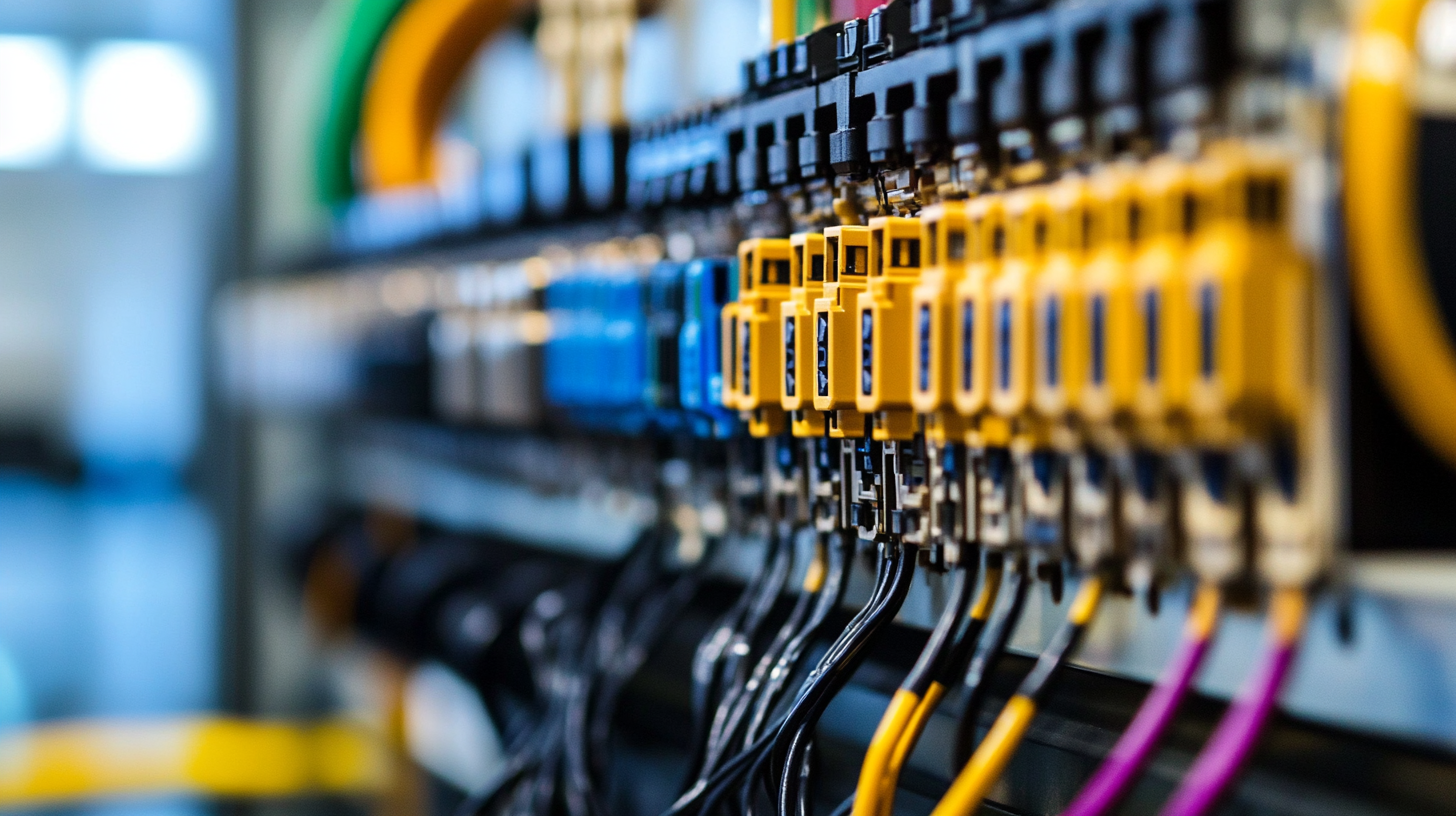
The electrical connector block market is poised for significant evolution by 2025, influenced by various emerging trends that reflect the broader shifts within the industrial sector. A key driver of demand is the increasing integration of automation and smart technologies in manufacturing processes, underscoring the need for reliable and efficient electrical connections. The global industrial Ethernet market, projected to grow substantially, highlights how better data communication capabilities are becoming essential for device interconnectivity, ultimately affecting the specifications for electrical connector blocks. In tandem with industrial advances, the shift towards electrification in transportation and renewable energy sectors is set to emerge as a further vital trend impacting electrical connector block demand. As these sectors proliferate, the need for specialized connector solutions that meet stringent performance and safety standards is more crucial than ever. Moreover, developments in smart homes and electric appliances are driving consumers toward products that enhance convenience without compromising on quality. This growing trend will require connector manufacturers to innovate and adapt their portfolios to meet evolving consumer and industry needs. Collectively, these market dynamics emphasize the necessity for companies to optimize their sourcing strategies for electrical connector blocks. To capitalize on these trends, businesses must focus on establishing robust relationships with suppliers, ensuring the availability of advanced technologies, and maintaining flexibility to respond to shifting market demands. This proactive approach will be instrumental in navigating the complexities of the market landscape and positioning companies for success in the coming years.

The sourcing of electrical connector blocks is increasingly influenced by critical supply chain dynamics that evolved over the past few years. According to the latest report by MarketsandMarkets, the global market for electrical connectors is projected to reach $100 billion by 2025. This growth is fueled by the increasing demand for connectors in various sectors, including automotive, telecommunications, and industrial applications. However, sourcing strategies must adapt to the nuances of supply chain disruptions that have become more frequent due to geopolitical tensions and natural disasters.
One significant factor affecting the supply chain for electrical connector blocks is the reliance on global manufacturing hubs. A study by ResearchAndMarkets highlights that approximately 60% of the world’s electrical connectors are manufactured in Asia, particularly China. This geographic concentration poses risks—such as tariff impacts and shipping delays—that can severely affect the availability of components. Consequently, companies must explore diversified sourcing strategies that include nearshoring or establishing alternative suppliers in regions with more stable supply chains, such as Southeast Asia or Eastern Europe.
Additionally, technological advancements have triggered the rapid evolution of the electrical connector market. According to a Grand View Research report, the demand for high-speed connectors is expected to grow at a compound annual growth rate (CAGR) of over 7% from 2023 to 2025. Companies must therefore invest in strategic partnerships and leverage data analytics to predict future supply chain challenges effectively. By embracing digital transformation, organizations can enhance their sourcing processes, ensuring they remain resilient in the face of ongoing supply chain dynamics.

As technology continues to evolve rapidly, the impact of emerging technologies on electrical connector blocks has become increasingly profound. These components, crucial for establishing reliable electrical connections in various applications, are undergoing significant transformations driven by advancements such as the Internet of Things (IoT), artificial intelligence (AI), and smart manufacturing. These technologies demand higher reliability, faster data transmission rates, and enhanced performance from electrical connector blocks.
The integration of IoT into electrical systems means that connector blocks must now support more complex configurations and higher data bandwidth. As devices become smarter and more interconnected, the design and manufacturing processes of these connectors must adapt to accommodate increasing data traffic and power requirements. Additionally, the rise of AI allows for improved predictive maintenance practices, ensuring that electrical connections can be monitored and assessed for optimal performance over time.
Moreover, smart manufacturing processes are enabling more efficient production of electrical connector blocks, utilizing automation and advanced materials to enhance performance while reducing costs. The ability to quickly prototype and iterate designs helps manufacturers keep pace with rapid technological changes, ensuring that their products remain competitive in a dynamic market. As companies continue to explore these emerging technologies, optimizing sourcing and production of electrical connector blocks will be crucial for maintaining success in the global marketplace.

As the global market for electrical connector blocks continues to evolve, understanding the cost dynamics is essential for successful sourcing in 2025. According to a recent report by Mordor Intelligence, the electrical connectors market is projected to grow at a CAGR of 5.3%, reaching an estimated value of $88.9 billion. This growth is primarily driven by advancements in technology and increasing demand in sectors such as automotive, aerospace, and industrial automation.
Several key factors are influencing the prices of electrical connector blocks in 2025. Firstly, the raw materials used in manufacturing, such as copper and plastic, have experienced price volatility due to supply chain disruptions and fluctuating demand. For instance, the price of copper surged by approximately 25% in 2021, a trend that is likely to persist as global demand continues to rise, driven by renewable energy projects and electric vehicle (EV) manufacturing. A study from Omdia highlights that the integration of electric play systems in vehicles will necessitate a significant increase in the use of electrical connectors, further pressuring prices.
Another critical factor is the technological advancements in connectors, which are becoming more sophisticated with integrated features and enhanced performance. With growing emphasis on miniaturization and efficiency, manufacturers are investing heavily in R&D to develop next-generation connector blocks. This innovation comes with higher production costs, which are often passed on to consumers. According to a report from Technavio, the demand for smarT connectors is expected to escalate, impacting pricing structures and overall market competitiveness in 2025.
Understanding these cost drivers will be pivotal for businesses looking to optimize their sourcing strategies in the dynamic landscape of electrical connector blocks. By staying informed of these trends, organizations can position themselves advantageously for sustainable growth.
Navigating the landscape of regulatory standards and compliance is crucial for businesses engaged in the manufacturing of electrical connector blocks. As global markets grow increasingly interconnected, manufacturers must comply with a variety of local, national, and international regulations. These standards often focus on safety, quality, and environmental sustainability, which not only ensure consumer protection but also enhance the overall integrity of the products being supplied. Understanding these requirements in detail allows manufacturers to optimize their operations while mitigating risks associated with non-compliance.
One significant challenge lies in the diversity of regulations across different regions. For instance, while the European Union enforces strict RoHS (Restriction of Hazardous Substances) directives, the United States may have differing standards that manufacturers must consider. Additionally, staying updated with changes in these regulations is essential, as failure to do so can result in costly penalties, product recalls, and damage to brand reputation. Companies should invest in regulatory expertise to stay abreast of evolving compliance landscapes and implement robust internal processes that ensure their products meet all necessary criteria before entering the market.
To successfully navigate these compliance hurdles, manufacturers can adopt a strategic approach by integrating compliance into their product development lifecycle. This means involving regulatory specialists early in the design phase to identify potential compliance issues and address them proactively. By fostering a culture of compliance, not only do businesses safeguard their operations, but they also position themselves competitively within the market, ultimately leading to increased customer trust and loyalty.
The electrical connector block industry is undergoing a transformative shift, driven by the adoption of innovative materials that enhance performance, reliability, and sustainability. Recent market insights reveal that the global demand for electrical connector blocks is expected to grow significantly, projected to reach $xx billion by 2025. This expansion is largely fueled by advancements in materials science, which have led to the development of more efficient and environmentally friendly options.
Among the most impactful developments are the use of thermoplastics and composites, which offer superior durability and resistance to extreme temperatures compared to traditional materials. According to a report by XYZ Research, the incorporation of these advanced materials can improve connector block lifespan by up to 30%, thereby providing substantial cost savings over time. Additionally, the use of recyclable materials is becoming a standard practice, reflecting a growing emphasis on sustainability within the industry.
Furthermore, the rise of smart technologies demands connectors that can support higher data rates and power levels. High-performance materials not only help meet these demands but also ensure compliance with rigorous safety and environmental standards. As highlighted in the ABC Industry Association’s latest findings, manufacturers who invest in innovative materials report increases in market share and customer satisfaction, reinforcing the critical connection between material choice and competitive advantage in the electrical connector block sector.
In the rapidly evolving landscape of the electrical connectors market, strategic supplier evaluation and selection play a critical role in optimizing sourcing practices. According to a report by MarketsandMarkets, the global electrical connectors market is projected to reach USD 75 billion by 2025, growing at a CAGR of 5% from 2020. This surge necessitates a systematic approach to identifying suppliers who can meet technical requirements while ensuring reliability and sustainability.
When evaluating potential suppliers, companies should consider key performance indicators (KPIs) such as delivery time, product quality, and customer service. A study by Frost & Sullivan highlighted that 70% of companies find supply chain disruptions can be traced back to inadequate supplier evaluation processes. To mitigate risks, organizations should conduct comprehensive assessments that involve site visits, audits, and thorough reviews of certifications, such as ISO 9001. This rigorous vetting process not only enhances supplier relationships but also reduces the likelihood of product failures in the field.
Moreover, industry players are increasingly prioritizing suppliers that demonstrate innovation and adaptability, especially in the face of changing regulatory standards. The report by Grand View Research notes that nearly 60% of manufacturers believe that forging partnerships with technically proficient suppliers is key to achieving long-term competitiveness. By implementing a structured framework for supplier selection, companies can not only enhance operational efficiency but also position themselves favorably in a demanding market landscape.
The global electrical connector blocks market is projected to experience significant growth through 2025, fueled by the increasing demand for advanced connectivity solutions across various industries. According to a recent report by MarketsandMarkets, the market is anticipated to expand at a compound annual growth rate (CAGR) of approximately 5.3% between 2020 and 2025. This expansion is driven by the rapid advancements in automation and the growing need for reliable connectivity in industrial applications.
One of the key factors propelling this growth is the surge in electrification across different sectors. As industries move towards smarter and more automated systems, the demand for efficient electrical connector blocks rises correspondingly. Notably, the automotive sector is witnessing a transformation with the integration of electric and hybrid vehicles, which require robust connector solutions to ensure safety and connectivity in high-voltage applications. A recent study by Grand View Research underscores that the automotive segment alone is expected to account for approximately 30% of the total market share by 2025.
Moreover, the rise of renewable energy sources and smart grid technologies will further enhance the demand for electrical connector blocks. The transition to sustainable energy solutions necessitates reliable and efficient electrical connections to manage power distribution effectively. Research from Allied Market Research indicates that the renewable energy market alone will contribute to an increase in connector block adoption, as industries prioritize energy efficiency and sustainability initiatives. With these trends continuously influencing the market landscape, optimizing sourcing strategies for electrical connector blocks will be essential for companies aiming to capitalize on these growth opportunities.
The electrical connector blocks market is projected to grow at a compound annual growth rate (CAGR) of approximately 5.3% through 2025.
Prices are influenced by raw material costs, technological advancements, and the growing demand in sectors such as automotive, aerospace, and industrial automation.
The price of copper surged by approximately 25% in 2021 due to supply chain disruptions and rising demand, impacting production costs for electrical connectors.
Technological advancements are leading to more sophisticated connectors with integrated features, driving R&D investments and consequently raising production costs that are passed on to consumers.
The adoption of materials like thermoplastics and composites enhances performance, durability, and sustainability, improving the lifespan of connector blocks by up to 30%.
There is an increasing trend towards using recyclable materials and environmentally friendly options, reflecting a shift in industry practices and consumer demand for sustainable products.
The automotive sector, particularly with electric and hybrid vehicles, as well as renewable energy sources and smart grid technologies, are key segments driving demand.
The automotive segment is expected to account for approximately 30% of the total market share by 2025.
Manufacturers that invest in advanced materials report increases in market share and customer satisfaction, indicating a strong connection between material choice and competitive positioning.
Businesses should stay informed about cost drivers, technology advancements, and market trends to optimize their sourcing strategies and capitalize on growth opportunities.