Leave Your Message
0%

When you're dealing with wiring solutions, picking the right connections can make a huge difference. Push In Electrical Connections have become pretty popular lately, mainly because they’re so easy to use and reliable. They let you get the job done quickly, which means saving time and cutting down on labor costs. Most electricians I know really like their simple design and straightforward way of connecting wires.

But here’s the tricky part — figuring out which type of Push In Electrical Connection is actually the best fit for your specific project. While they have a load of benefits, not all brands or models are built the same. Some might not hold up well in tougher environments, so it’s important to think about what material they’re made of, their ratings, and where you plan to use them.

In this line of work, precision really matters. If your wiring isn’t top-notch, it could lead to safety issues or even damage your equipment. That’s why it’s so worth taking the time to research and pick the best quality connections out there. Putting in a little effort now can really pay off, making sure your electrical work is both safe and super efficient.
Best Push In Electrical Connections for Efficient Wiring Solutions?

Understanding Push In Electrical Connections

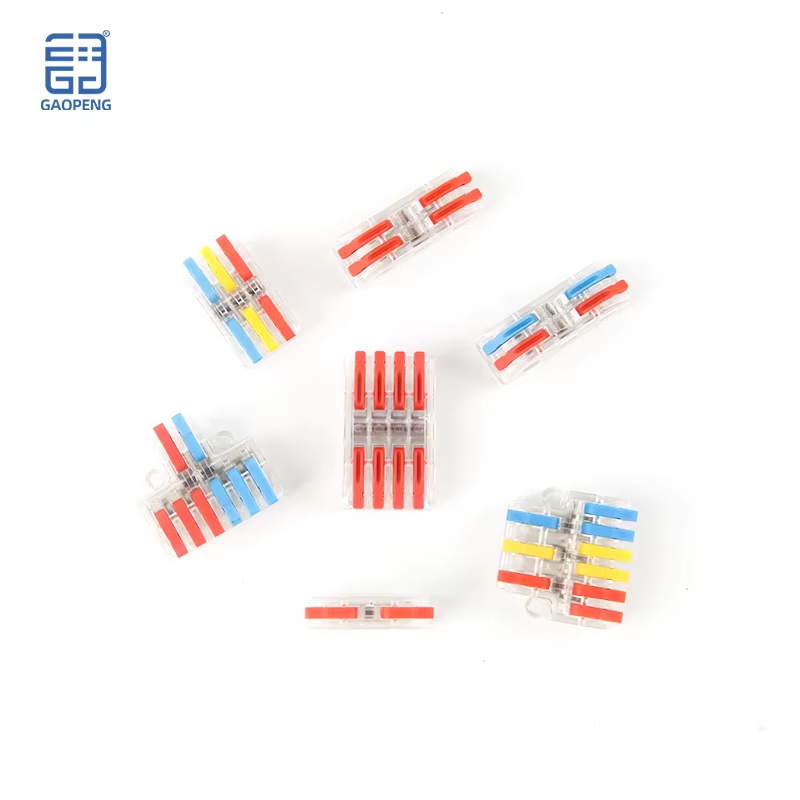
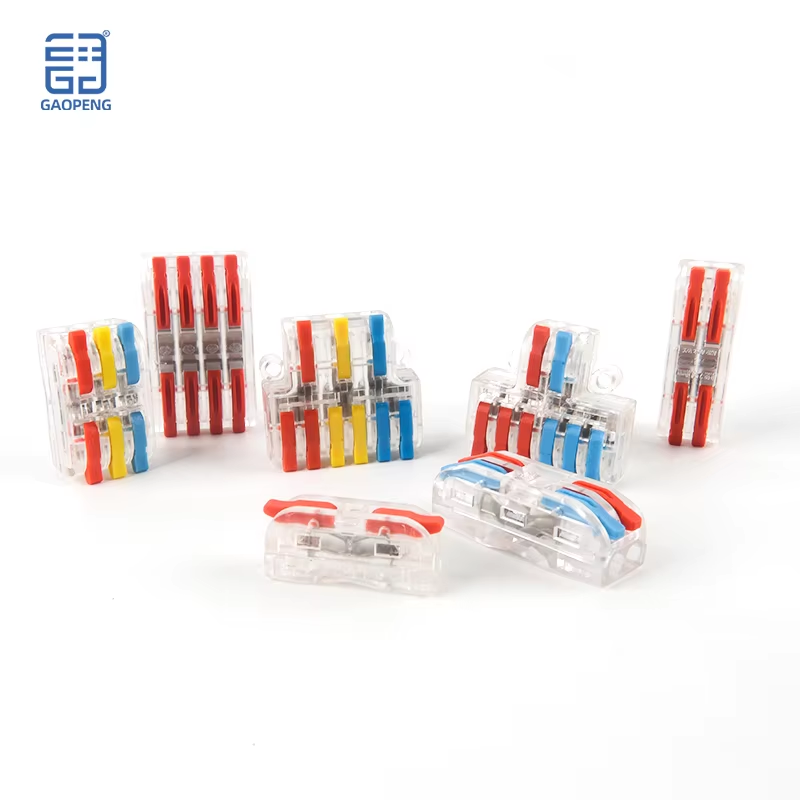
Push-in electrical connections have gained popularity for their simplicity and efficiency. These connectors allow quick and secure wire connections with minimal tools. They are designed to accommodate multiple wire sizes, making them versatile for different electrical projects. You can often find these connections in residential and commercial settings alike.

When using push-in connections, ensure that you choose high-quality push-in electrical connections. They provide reliable conductivity and reduce the risk of electrical failures. A poor connection can lead to overheating or equipment malfunction, so selecting quality materials is vital. Consider factors like wire gauge compatibility and strain relief when making your choice. It's essential to test connections periodically to verify their integrity.

Despite their advantages, push-in connections have some limitations. For example, they are not always reusable. Once a wire is connected, removing it can compromise the connection’s integrity. This can lead to frustration in projects requiring frequent adjustments. Evaluating your needs before opting for push-in technology is crucial. Always think about both the benefits and potential drawbacks.

Best Push In Electrical Connections for Efficient Wiring Solutions

Connection Type Wire Size Range (AWG) Max Voltage (V) Max Current (A) Material Feature
Push-O-Matic 16-22 AWG 600 V 10 A Copper Self-locking feature
Easy Connect 14-20 AWG 300 V 15 A Aluminum Compact design
Wire Boss 12-18 AWG 480 V 20 A Copper/Brass High conductivity
Snap Fit 14-22 AWG 600 V 12 A Plastic with metal contact User-friendly
Quick Connect 10-16 AWG 240 V 25 A Copper Quick installation

Advantages of Using Push In Electrical Connections

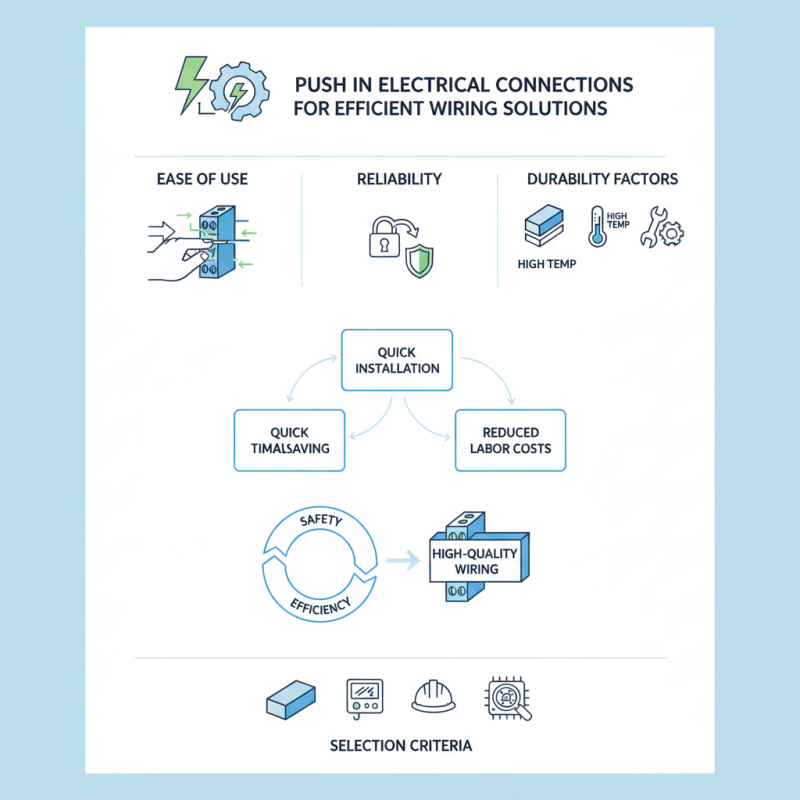
Push In Electrical Connections offer several advantages that make them a popular choice for wiring solutions. Their design allows for quick and easy installation, which saves both time and labor. This efficiency can significantly reduce project costs. The intuitive mechanism enables users to connect wires securely without the need for additional tools. This simplicity appeals to both seasoned electricians and DIY enthusiasts.

Another noteworthy aspect is the reliability of these connections. Push In Electrical Connections create a robust electrical bond that minimizes the risk of loose connections. This reliability is essential for ensuring optimal performance in various applications. Moreover, the compact size of these connectors allows for efficient use of space in crowded electrical panels. However, it's crucial to ensure that the wires are stripped to the correct length to avoid connection issues.

While the advantages are clear, it's important to reflect on potential pitfalls. Not all environments are suitable for Push In connections. High-vibration areas may pose a challenge for maintaining a secure bond. Proper application and understanding of limitations are vital for achieving the best results. Exploring options like Wholesale Push In Electrical Connections can provide an economical solution for larger projects while still maintaining quality and efficiency.

Types of Push In Connectors on the Market

Best Push In Electrical Connections for Efficient Wiring Solutions?

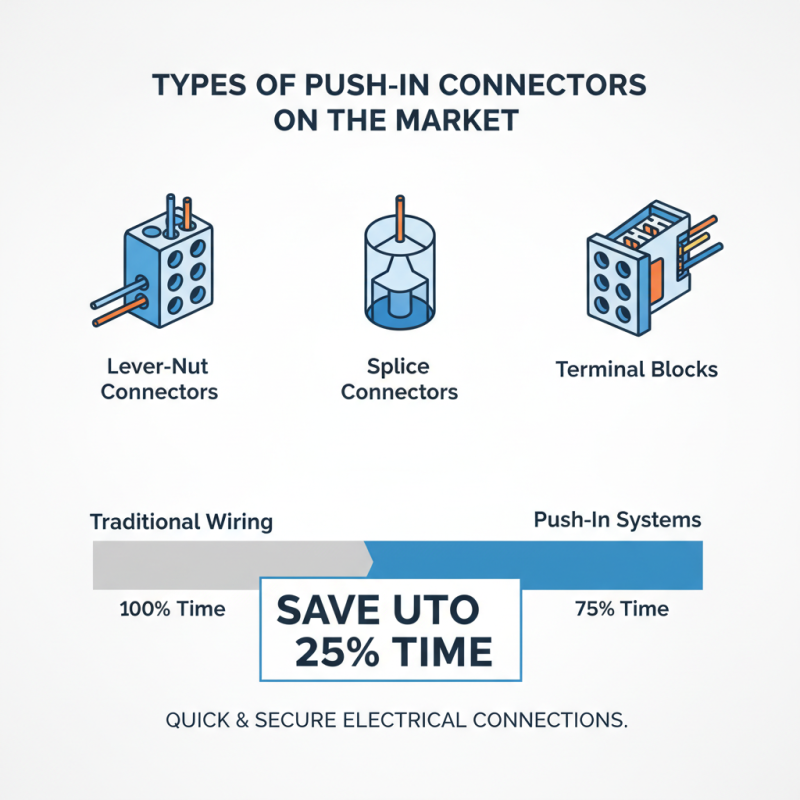
When considering push-in connectors, understanding the types available is crucial. Push-in connectors are favored for their efficiency in electrical wiring. They allow for quick and secure connections. This efficiency can significantly reduce installation time. According to industry reports, up to 25% of time can be saved in electrical installations using push-in systems compared to traditional methods.

Several types of push-in connectors exist on the market. The most common include standard push-in, spring-loaded, and lever-style connectors. Standard push-in connectors feature a straightforward design. They are easy to use but may require tools for optimal resistance. Spring-loaded connectors enhance this ease, offering automatic wire retention. Lever-style connectors provide a more robust solution for heavy-duty applications, accommodating thicker wires.

Notably, each type of connector has its advantages and limitations. For example, while spring-loaded connectors provide a secure grip, they may not suit all wire gauges. Lever-style connectors, though versatile, require more space. These discrepancies highlight the importance of choosing the right connector for specific applications. A thorough understanding of these options can lead to more effective wiring solutions.

Installation Process for Push In Electrical Connections

Best Push In Electrical Connections for Efficient Wiring Solutions?

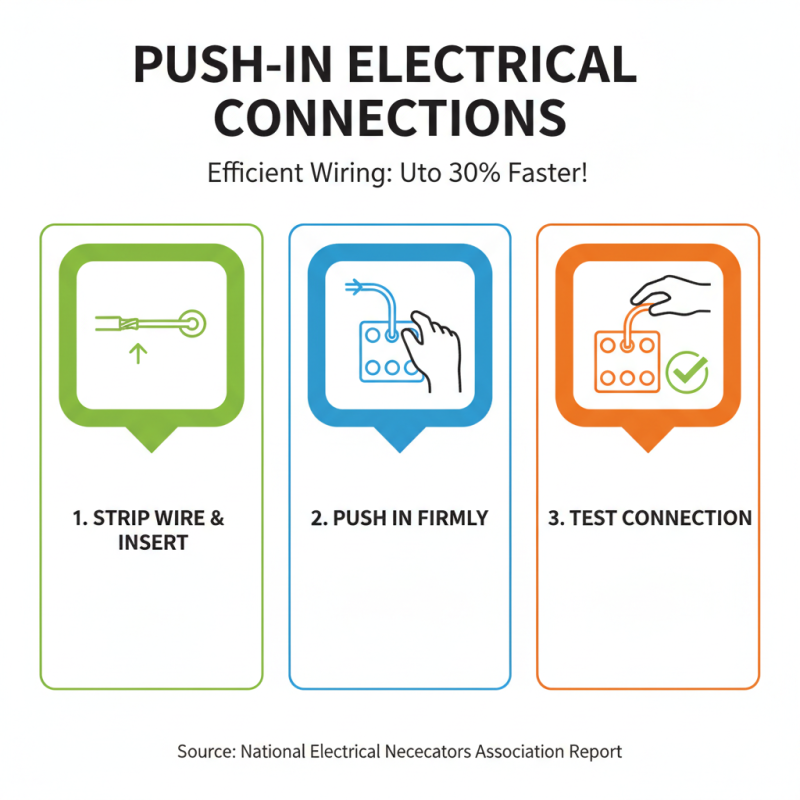
When it comes to wiring solutions, push-in electrical connections offer an efficient alternative to traditional methods. The installation process is relatively straightforward, making it attractive for DIY enthusiasts and professionals alike. According to a report by the National Electrical Contractors Association, a well-executed push-in connection can reduce installation time by up to 30%. This statistic highlights the effectiveness of push-in technology in streamlining wiring projects.

To install, one must ensure the wire is stripped to the correct length. Inserting the wire fully into the push-in connector is crucial for a secure bond. Electrical codes mandate that connections must be properly seated to avoid failures. Misalignment can cause future issues, such as intermittent connections or increased resistance, leading to overheating. Using appropriate tools can aid in achieving proper insertion depth.

Tip: Always double-check wire compatibility with the push-in connector. A mismatch can compromise the connection. It is advisable to conduct a test after installation to ensure stability and reliability. Regular inspections can also help identify any potential issues early, which is essential for maintaining safety in electrical systems.

Safety Considerations with Push In Connectors

When considering push in electrical connections, safety is paramount. These connectors offer a convenient solution but come with specific safety concerns. Improper use can lead to overheating or accidental disconnections. Ensuring correct wire sizes and adhering to specifications is essential.

Additionally, regular inspections are vital. Over time, environmental factors may cause wear or corrosion. If a connection appears loose, it should be addressed immediately. Ignoring such signs can result in electrical failures or hazards. Always be cautious when working with electricity.

Education on installation techniques is crucial. Proper training reduces risks. Some users may not realize the importance of torque specifications. Using tools correctly ensures secure connections. Therefore, while Push In Connectors simplify wiring, awareness of safety practices is essential.

Efficiency Comparison of Push In Electrical Connections

Comparing Push In Connections to Other Wiring Solutions

Push-in electrical connections are gaining popularity in modern wiring solutions. These connections offer a quick and reliable means to establish electrical links without complicated tools. Compared to traditional wiring methods, they reduce installation time and minimize the risk of error. The simplicity of push-in connections makes them a preferred choice for both professionals and DIY enthusiasts.

When comparing push-in connections to screw terminals and splice connectors, the ease of use stands out. Push-in connections require no twisting of wires and offer consistent pressure. This leads to better conductivity and reduces the chances of loose connections, which can cause system failures. However, they may not be suitable for high-vibration environments. Users should carefully evaluate their specific application needs.

Tips: Always ensure that the wire is stripped to the proper length before insertion. This helps eliminate weak connections. Regularly inspect connections to ensure long-term reliability. Custom push-in electrical connections can also enhance the adaptability of your wiring projects. They can be designed to fit uniquely with various applications, providing both functionality and efficiency.

Maintenance and Troubleshooting for Push In Electrical Connections

When maintaining push in electrical connections, several factors come into play. Regular inspections are crucial. Check for signs of wear or corrosion. Loose connections may lead to overheating or even fires. Therefore, always ensure wires are firmly seated.

Troubleshooting starts with identifying the issue. If a connection fails, don’t assume it’s the connection type. Test the wire for damage. A multimeter can help diagnose the problem. If you’re working with China Push In Electrical Connections, remember that installation quality impacts overall reliability. Some connectors may not release as easily as expected, which can lead to frustration during maintenance.

Document any issues you encounter. This can help identify patterns or recurring faults. Though push in connectors are generally reliable, they are not without shortcomings. A hasty installation can compromise performance. Always follow the manufacturer’s guidelines and take your time. Reliability comes from careful work and attention to detail.

Creating an Effective Organization System with Nylon Electrical Self-Locking Cable Ties

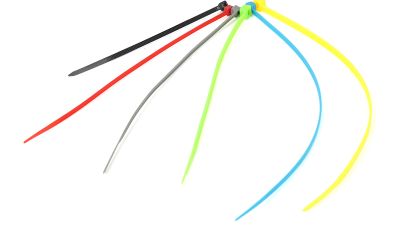
Creating an effective organization system in electrical environments is crucial for ensuring safety, reliability, and efficiency. The use of nylon electrical self-locking cable ties exemplifies a smart solution to maintain a tidy and secure setup. These ties not only provide superior organization but also enhance the protection of electrical components against harsh conditions.

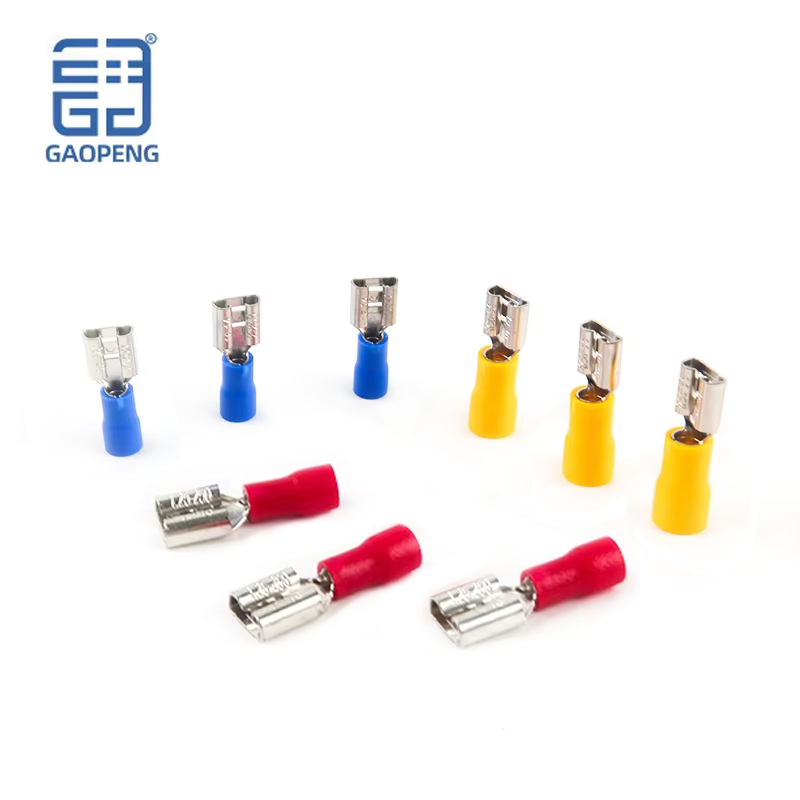
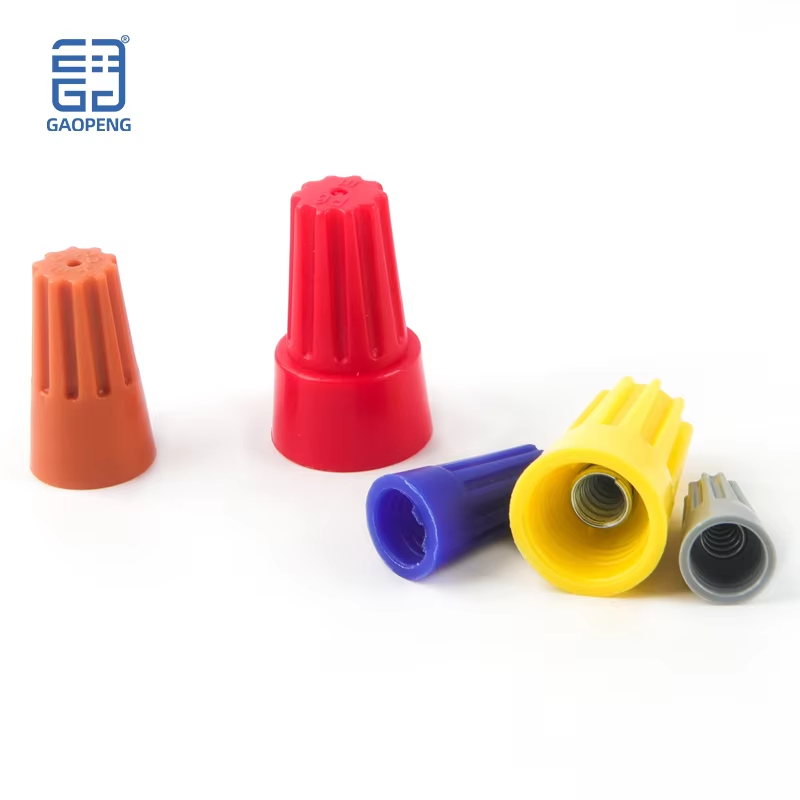
Incorporating pre-insulated nylon sleeves into your wiring system can significantly improve durability and ease of installation. These high-density nylon sleeves are designed to endure temperatures from -20°C to +80°C, making them resilient to oil, moisture, and vibrations. This eliminates the need for additional heat shrink, allowing for a 50% faster installation process while ensuring that connections remain intact under stress.

Moreover, the military-grade conductivity delivered by tin-plated brass cores ensures reliable performance. With a conductivity rating of ≥28%, these connections are rigorously tested for crimping resistance and can handle continuous current up to 20A. To further mitigate risks, the anti-mismatch color coding of red, blue, and yellow sleeves aligns with industry polarity standards, reducing the chances of incorrect connections by an impressive 90%. The streamlined design allows for a quick and secure connection in just three seconds, emphasizing the blend of efficiency and safety in creating an effective organization system for electrical projects.

FAQS

: What are push-in electrical connections?

: Push-in electrical connections are connectors that allow quick and secure wire connections with minimal tools.

How do push-in connections benefit electrical projects?

They are versatile, accommodating multiple wire sizes, which makes them suitable for various projects.

What should I consider when choosing push-in connectors?

It's essential to select high-quality connectors for reliable conductivity and to consider wire gauge compatibility.

Can push-in connections be reused?

Generally, they are not reusable. Removing a wire can compromise connection integrity.

How can I ensure a successful installation of push-in connections?

Strip the wire to the correct length and insert it fully into the connector for a secure bond.

What happens if wires are not properly aligned during installation?

Misalignment can lead to issues like intermittent connections and overheating.

Are regular inspections important for push-in connections?

Yes, regular inspections help identify potential issues and maintain safety in electrical systems.

How can I confirm the stability of a push-in connection after installation?

Conduct a test after installation to ensure the connection is stable and reliable.

What are some limitations of push-in connections?

They may become frustrating in projects requiring frequent adjustments due to their non-reusability.

What tools can help with proper insertion depth during installation?

Using appropriate tools can aid in achieving the correct insertion depth for secure connections.

Conclusion

Push In Electrical Connections represent a modern solution for efficient wiring in both residential and commercial applications. These connectors simplify the installation process by allowing wires to be easily inserted and locked in place without the need for complex tools or soldering. The advantages of using Push In Electrical Connections include improved reliability, reduced installation time, and enhanced safety, making them a popular choice among electricians and DIY enthusiasts alike.

Different types of Push In Connectors are available on the market, catering to various wiring needs and applications. The installation process for these connections is straightforward, although safety considerations must be observed to prevent hazards. Additionally, when comparing Push In Connections to other wiring solutions, their unique benefits in maintenance and troubleshooting make them a desirable option for efficient electrical systems. Overall, Push In Electrical Connections provide a versatile and effective wiring solution for modern electrical projects.

Caleb

Caleb

Caleb is a dedicated marketing professional at Leqing Gaopeng Electrical Co., Ltd., where he leverages his extensive knowledge of the company's products to drive engagement and growth. With a deep understanding of the electrical equipment industry, he often contributes to the company's specialized......
Previous China Top Push In Electrical Connections Solutions for You?