Hey there! These days, with efficiency and innovation being such big deal in the electrical world, really focusing on making electrical connections perform better has never been more important. One hot topic we’re exploring is finding good alternatives to the usual Push In Electrical Connections — you know, the ones we've been using forever? At Yueqing Gaopeng Electric Co., Ltd., we’ve been around since 2016, based in Wenzhou city, Zhejiang Province. We’re all about designing, developing, and manufacturing a ton of terminals and connectors — we produce billions each year! And we don’t just serve China; we export to all over the place — Asia, Europe, America, Africa. As we dig into this subject, our goal is to shine a spotlight on innovative options that could make electrical connections more efficient and effective. Ultimately, we want to help set new standards and push our industry forward — pretty exciting, right?
Benefits of Innovative Electrical Connection Methods in Modern Engineering
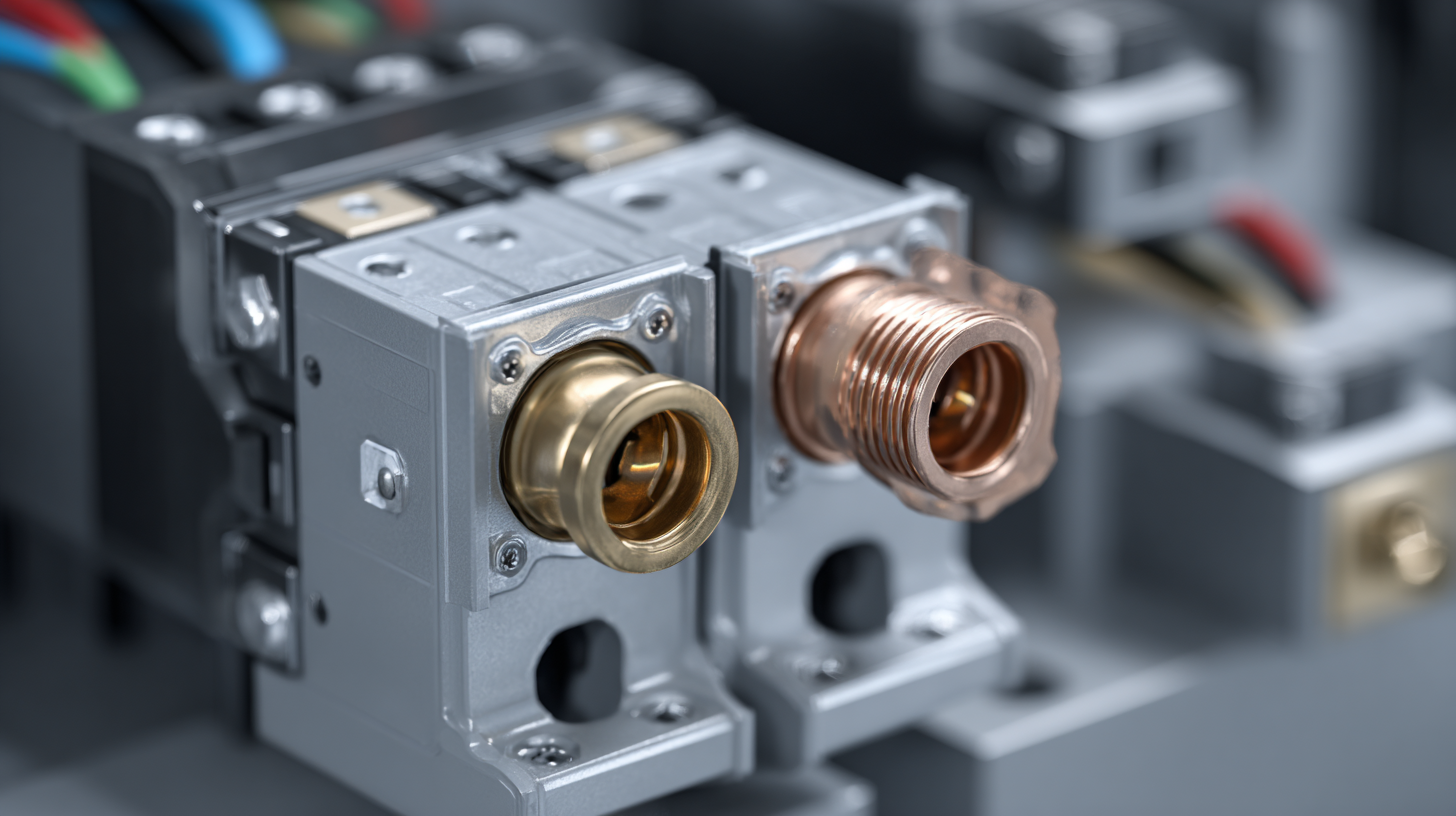
The world of modern engineering is changing pretty fast these days, especially when it comes to electrical connections. New and innovative ways of hooking things up not only boost efficiency but also fit in really well with the digital trends that are shaping our energy systems. For example, when we look at smart grids, they’re using alternative connection methods that don’t require as much physical effort, which means installation gets quicker and cheaper, all while making the whole system more reliable.
In today’s design and engineering scenes, tech like machine learning and AI are playing a big role in making electrical connections more efficient. Companies like Yueqing Gaopeng Electric Co., Ltd., with their huge production capacity for terminals and connectors, can totally take advantage of these innovations to make their products even better. Plus, with digital tools becoming more advanced, we’re seeing more sustainable practices—better energy management, less waste—which is perfect considering the rising global demand for renewable energy.
All in all, these new connection methods are a key part of pushing us toward a more efficient and sustainable future in engineering.
Comparative Analysis of Push-In vs. Traditional Connections in Efficiency Metrics
When it comes to making electrical installations more efficient, folks are really talking about the differences between push-in connections and the old-school wiring methods. According to the National Electrical Contractors Association (NECA), using push-in connectors can cut down installation time by up to half compared to the traditional screw-type methods. That’s pretty impressive, right? The big reason is how simple the push-in mechanism is — it makes connections quicker and reduces the chances of messing up during the install.
Plus, a study from the IEEE found that these push-in connectors aren’t just faster—they’re also more reliable over the long run. In tests involving vibration and temperature changes, they showed about 30% fewer failure rates than regular connectors. All of this adds up to safer, more dependable electrical systems. And in today’s world, where everyone’s trying to be more sustainable and save on maintenance costs, switching to these innovative push-in connections might just be the smart move for many projects.
Case Studies: Real-World Applications of Alternative Electrical Connections
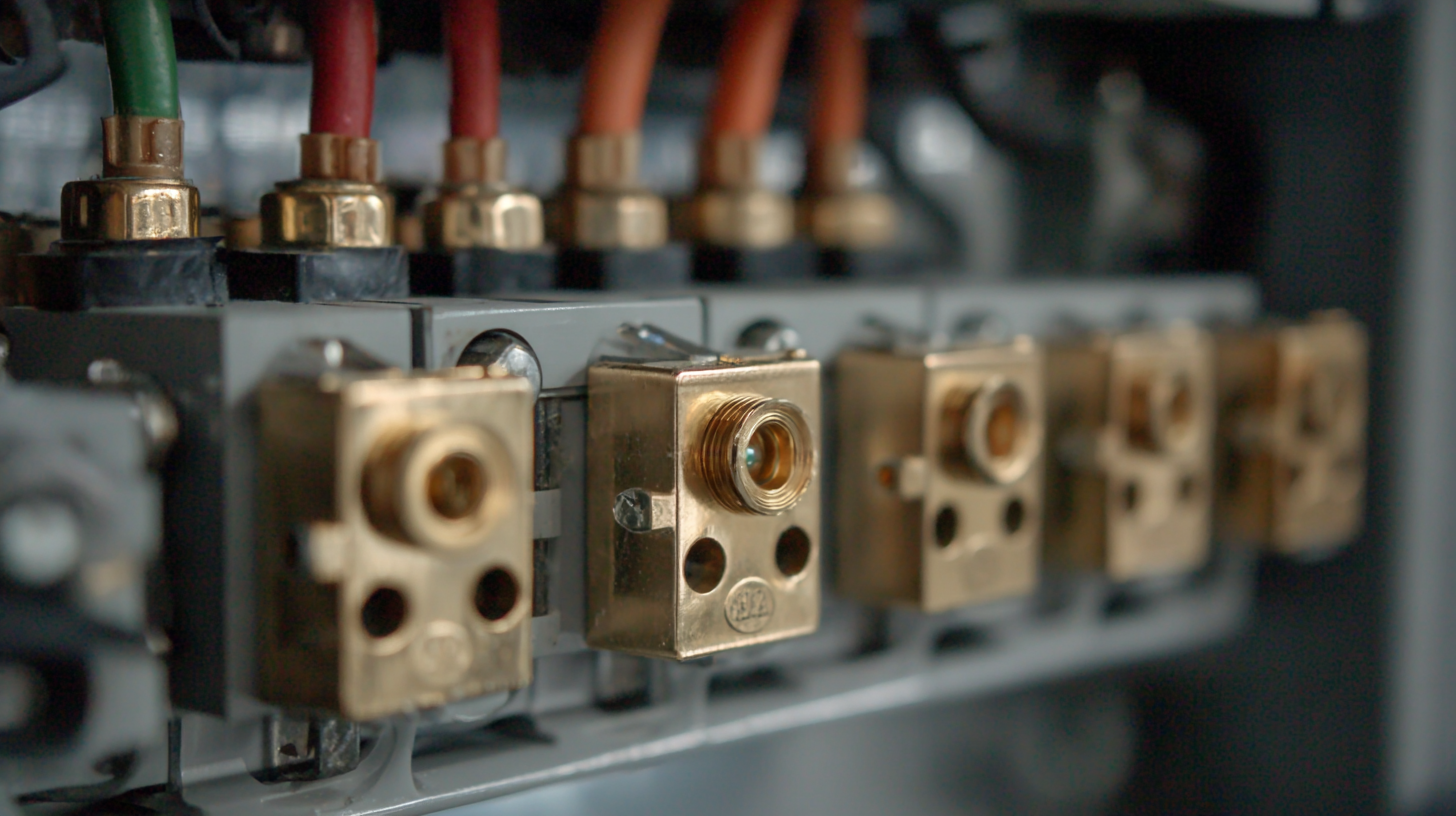
Lately, there’s been some pretty exciting progress in electrical engineering, and it’s really got people talking about better alternatives to the regular push-in connections, especially when it comes to tough industrial setups. If you look into case studies, you’ll see that using techniques like compression fittings and crimping definitely boost reliability—making failures much less common. In fact, a 2022 study by the IEEE showed that switching to these kinds of connections can cut down maintenance costs by up to 30% compared to the usual push-in stuff.
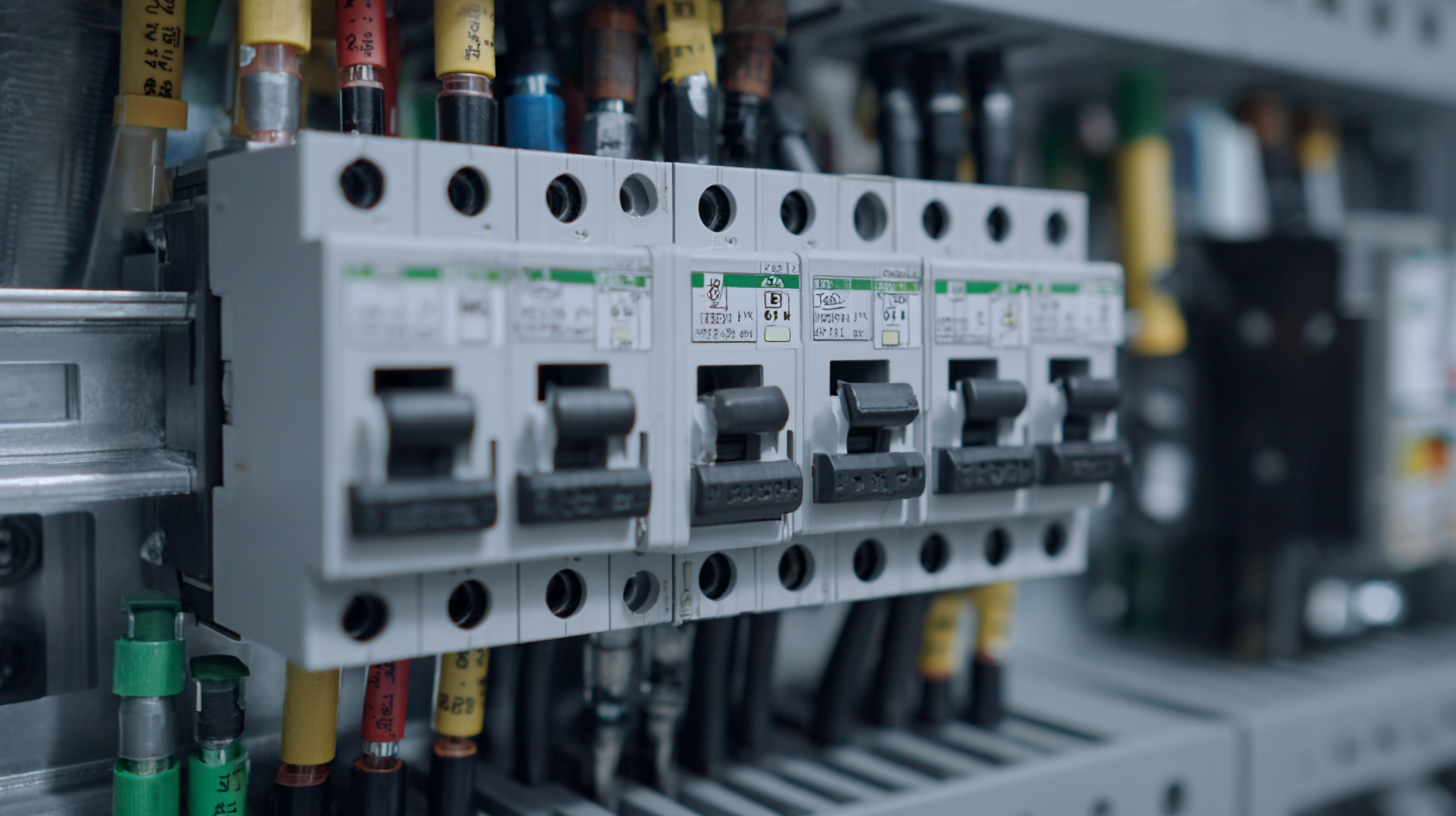
One notable example: a manufacturing plant decided to switch to crimped wire connections on their assembly lines, and guess what? Their efficiency shot up by about 25%. Not only did this reduce downtime caused by connection issues, but it also made things safer for the workers—fewer hot spots and less risk of electrical fires. These kinds of tech upgrades really underscore how important it is to stay current with new methods if you want your long-term operation to succeed.
Pro tip: When you’re thinking about using different types of electrical connections, take a close look at the environment where they’re going to be used. For instance, if your setup involves a lot of vibration, crimped connections tend to last longer than push-ins. And don’t forget—always review the latest industry guidelines and check out performance data to pick the best connection type for your specific project.
The Impact of Enhanced Electrical Connections on System Reliability and Longevity
You know, the reliability and lifespan of electrical systems really hinge on how good the connections are. While those traditional push-in connectors are super handy, they often end up hurting overall system performance — stuff like overheating or just not making a solid contact. Industry reports even show that nearly 30% of all electrical equipment failures come down to poor connections. Luckily, there are new solutions popping up that improve connection strength and handle heat better, making systems more durable and less prone to issues.
At Yueqing Gaopeng Electric Co., Ltd., we totally get how critical top-notch electrical connections are for keeping things running smoothly. We’ve been around since 2016, focusing on designing and manufacturing high-quality terminals and connectors — we produce billions of units every year! Research shows that by switching to better connection solutions, you can actually extend your electrical system’s life by up to 25%, which means less maintenance and more peace of mind. We’re always investing in R&D to stay ahead of the curve and provide innovative products that meet the changing needs of markets across Asia, Europe, America, and Africa. Our goal? To help make electrical systems more efficient and reliable for everyone, everywhere.
Future Trends: Emerging Technologies in Electrical Connection Solutions
As the need for more efficient electrical systems keeps growing, we're seeing more innovative alternatives to the traditional push-in connections really catching on. Looking ahead, it seems like there’s going to be a big shift towards tech that not only boosts efficiency but also puts safety and reliability front and center. One cool development is these smarT connectors that can actually adapt to different conditions and give real-time feedback on how they're performing. They use sensors to keep an eye on the electrical flow and spot potential problems early, which means maintenance can be proactive and failures less likely.
Another exciting trend is moving toward modular designs. These make upgrades and repairs way easier since connectors can be swapped out or configured to fit specific needs. That’s a game-changer for industries that need to make adjustments on the fly. Plus, advances in materials—think graphene and other high-tech composites—are set to boost conductivity and make things more durable overall. As these new technologies keep developing, they’re bound to play a huge role in shaping the electrical systems of the future across different fields.
Exploring Innovative Alternatives to Push In Electrical Connections for Enhanced Efficiency - Future Trends: Emerging Technologies in Electrical Connection Solutions
| Technology | Efficiency Improvement (%) | Application Area | Market Potential (Billion $) | Notes |
| Smart Connector Systems | 25 | Automotive | 15 | Real-time diagnostic & testing capabilities |
| Wireless Power Transfer | 40 | Consumer Electronics | 25 | Eliminates physical connectors, reducing wear |
| Environmentally Friendly Connectors | 30 | Renewable Energy | 10 | Biodegradable materials and sustainable designs |
| Self-terminating Connectors | 35 | Industrial Automation | 5 | Reduces installation time and errors |
| High-Frequency Connectors | 20 | Telecommunications | 12 | Improved signal integrity and reduced losses |
Industry Standards and Regulations Governing Innovative Electrical Connections
The automotive world is really moving towards some pretty advanced tech nowadays, and that means electrical connections have to keep up. It’s not just about meeting industry standards or regulations—which are always getting updated to keep pace with the booming global connector market, which is actually forecasted to hit around $13.5 billion—but also about making sure these connections boost the overall performance and reliability of high-tech cars. Engineers are always racing against these changing rules, trying to design stuff that’s both innovative and safe. It’s a tricky balance, but super important.
Plus, with new trends like more connectivity features and wireless tech popping up everywhere, the need for alternative connection methods is more urgent than ever. As technology pushes forward and demands more efficiency, it’s crucial for engineers to stay in the loop about all these evolving standards. Playing by the rules isn’t just about avoiding risks like electrical failures; it also helps us push for more sustainable, responsible practices in the industry. As we shift gears towards smarter mobility and endless connectivity, exploring fresh ways of connecting electrically will be a key part of shaping future automotive innovations.
FAQS
: Push-in connections are a type of electrical connection that allows for quicker terminations without the need for screws. They can reduce installation time by up to 50% compared to traditional screw-type connections.
Studies have shown that push-in connectors have a failure rate that is 30% lower than traditional connections when tested under conditions such as vibration and thermal cycling, indicating improved long-term reliability.
Failures in electrical connections account for nearly 30% of all electrical equipment failures, which can lead to system performance issues like overheating and poor contact.
Yueqing Gaopeng Electric Co., Ltd. specializes in the design and production of high-quality Electrical terminals and connectors, with a focus on enhancing system reliability and reducing maintenance costs.
Using advanced connection solutions can extend the lifecycle of electrical systems by up to 25%, thereby significantly reducing maintenance costs.
Emerging trends include smart connectors that provide real-time feedback, modular designs for easier upgrades, and the use of advanced materials like graphene to improve efficiency and durability.
Smart connectors utilize sensors to monitor electrical flow and potential issues, allowing for proactive maintenance and reducing the risk of failures.
Modular connectors facilitate easier upgrades and repairs, as they can be easily swapped out or configured for specific applications, making them flexible for industries that require frequent adjustments.
Innovations such as the use of graphene and other advanced composites are expected to improve conductivity and durability, enhancing the overall efficiency of electrical connections.
By continually investing in research and development, Gaopeng Electric aims to provide innovative products that meet the evolving demands of global markets, enhancing both efficiency and reliability in electrical applications.
Conclusion
In the world of modern engineering, finding better alternatives to Push In electrical connections has really become a big deal for making systems more efficient and reliable. In this blog, we'll explore some of the cool benefits these advanced connection methods bring to the table. We'll also compare push-in connections with the traditional ones, looking at how they stack up in terms of performance and efficiency. Plus, we’ll share some real-world examples to show how these newer options can actually improve system reliability and last longer — it’s all about paving the way for future trends in electrical connections.
On top of that, we’ll talk about the industry standards and regulations that you need to keep in mind when implementing these innovative solutions. It’s super important to stay compliant, especially with tech evolving so fast. Here at Yueqing Gaopeng Electric Co., Ltd., we’ve got tons of experience designing, developing, and manufactuRing Terminals and connectors. We’re dedicated to leading the way with top-quality electrical connections that meet the high demands of the global market.