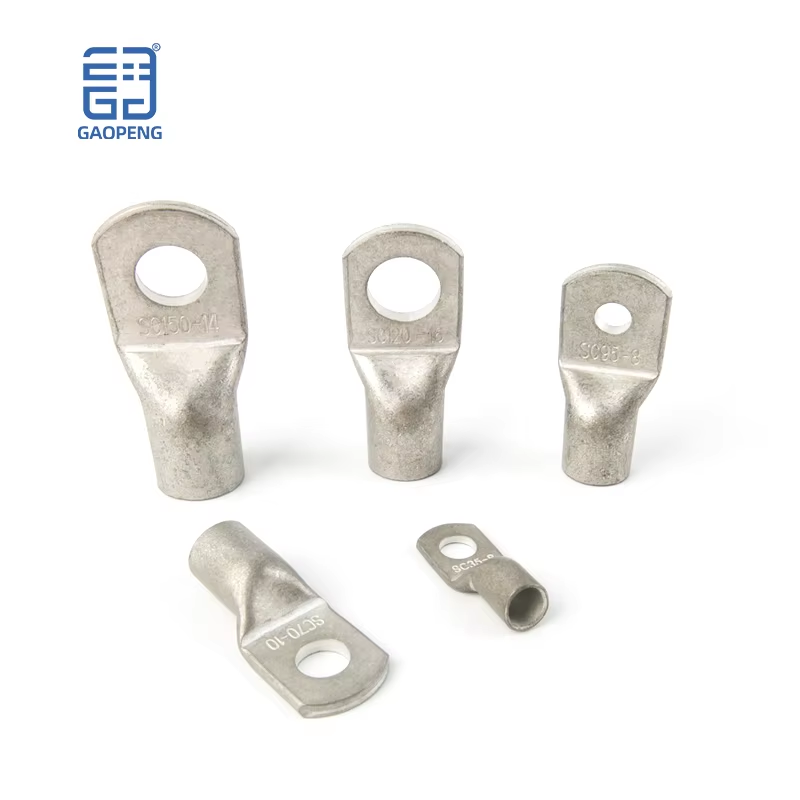
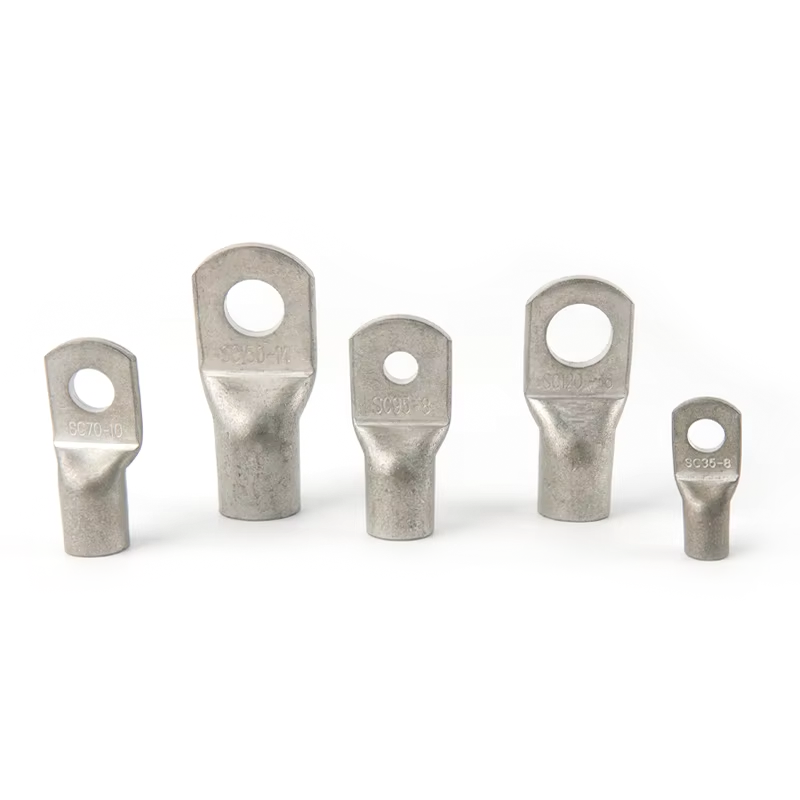
Picking the right Cable Lugs is a pretty important step in any electrical project. These tiny parts might seem minor, but they play a big role in making sure everything stays connected properly and power flows smoothly. Skimping on quality here can lead to failures later on—or worse, more headaches and costs.
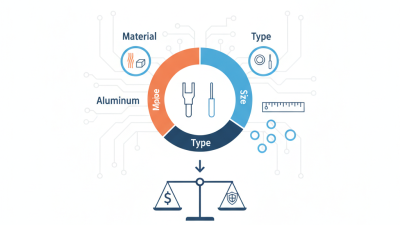
When you're choosing Cable Lugs, it’s good to think about things like what material they’re made of, their size, and whether they’ll fit your cables. Usually, copper and aluminum are the go-to options—they each have their perks, depending on what your project needs. And hey, don’t forget about sizing! Using a lug that's too big or too small can cause problems down the line, so measuring carefully really pays off.
It’s also smart to buy from trusted suppliers like ABC Electrical Supplies—they usually have quality products and folks who can give you some solid advice. But, honestly, no supplier's perfect, so it’s always a good idea to double-check specs and make sure they match what you actually need. Taking a little extra time to pick the right lug can really make a difference in how reliable your setup is and help avoid headaches later on.
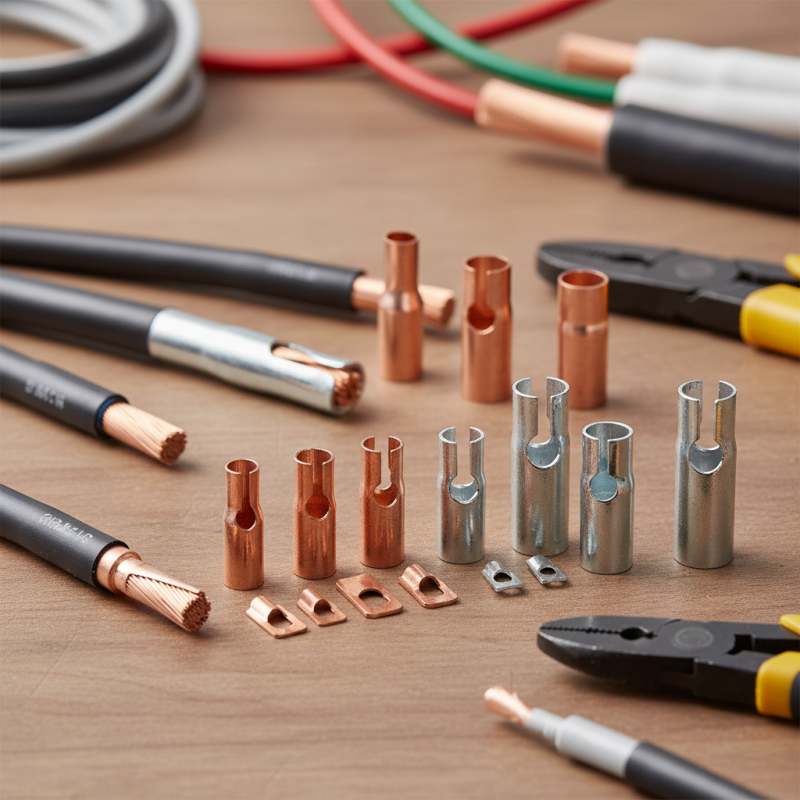
Understanding Cable Lugs: Types and Applications
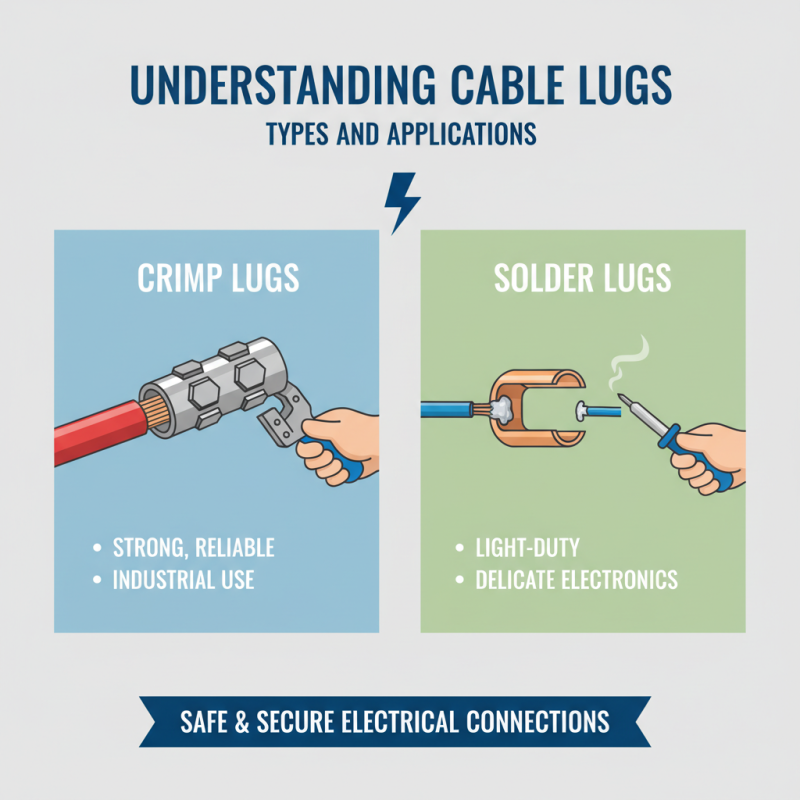
Understanding cable lugs is crucial for any electrical project. They connect wires to terminals, ensuring safe and reliable connections. Different types serve various applications. For instance, crimp lugs are popular in industrial settings due to their strength. Solder lugs, on the other hand, are suitable for light-duty tasks. Understanding these differences can lead to better outcomes.
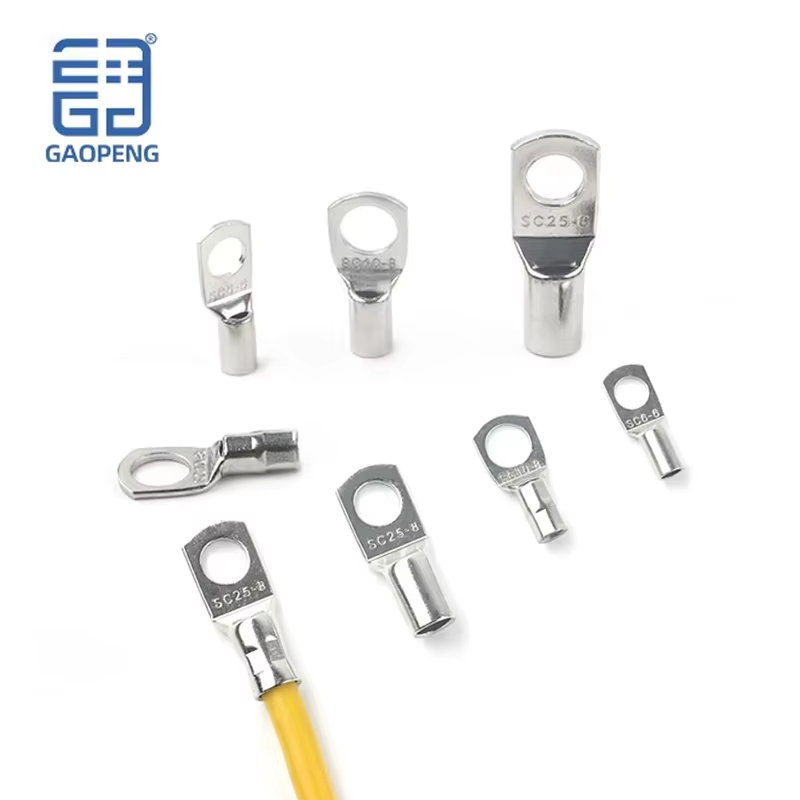
When selecting cable lugs, consider your specific requirements. The size of the conductors is essential. For example, 25mm Cable Lugs fit neatly with larger wires, providing enhanced conductivity. It’s vital to choose lugs that match the wire gauge. This helps in avoiding overheating and potential hazards.
Tips: Always inspect your lugs before installation. Look for any signs of wear or damage. It’s often overlooked, but maintaining clean connections is key. Additionally, keep a variety of lugs on hand. This allows for flexibility and quick adjustments in projects. Remember, the right choice today can prevent future issues.
Key Factors in Selecting the Right Cable Lugs
Choosing the right cable lugs is essential for ensuring electrical connections are secure and reliable. When selecting cable lugs, consider the current rating, conductor size, and environmental conditions. According to the International Electrotechnical Commission, improper fittings can lead to significant voltage drops. This may affect performance and safety.
The material of the lugs matters too. Copper and aluminumare common choices. Copper Lugs typically handle higher currents. However, aluminum is lighter and often used where weight is a concern. A report from the Electrical Standards Authority suggests that using the wrong material can lead tocorrosion and unexpected failures.
Another key element is the lug design. Some designs offer better heat dissipation. This is crucial in high-power applications. Many engineers overlook this aspect, which can lead to decreased lifespan and efficiency. Choosing a proper crimping technique is also vital. A poor crimp can yield to loose connections. It's important to adhere to manufacturer specifications for optimal performance.
Material Considerations for Cable Lugs: Copper vs. Aluminum
Choosing the right material for cable lugs is crucial for any electrical project. Copper and aluminum are the primary options, each offering distinct advantages. Copper lugs exhibit superior conductivity, making them ideal for high-load applications. Their resistance to corrosion ensures longevity, especially in harsh environments. However, copper lugs tend to be heavier and pricier.
On the other hand, aluminum lugs are lightweight and more affordable. They are often preferred in larger Cable Lugs Sizes due to their reduced weight. However, aluminum has lower conductivity compared to copper. That means, in certain applications, you might need a larger aluminum lug to match the performance of a smaller copper one. It's vital to understand these nuances when selecting cable lugs.
In some cases, users overlook the need for proper connections and torque specifications. Poor handling can lead to failures, regardless of material choice. Learning from these mistakes is essential. Each project presents unique challenges, so weigh your material options carefully based on your specific electrical requirements. This reflection can help prevent future issues, ensuring your project's success.
Sizing Cable Lugs: Ensuring Proper Fit and Performance
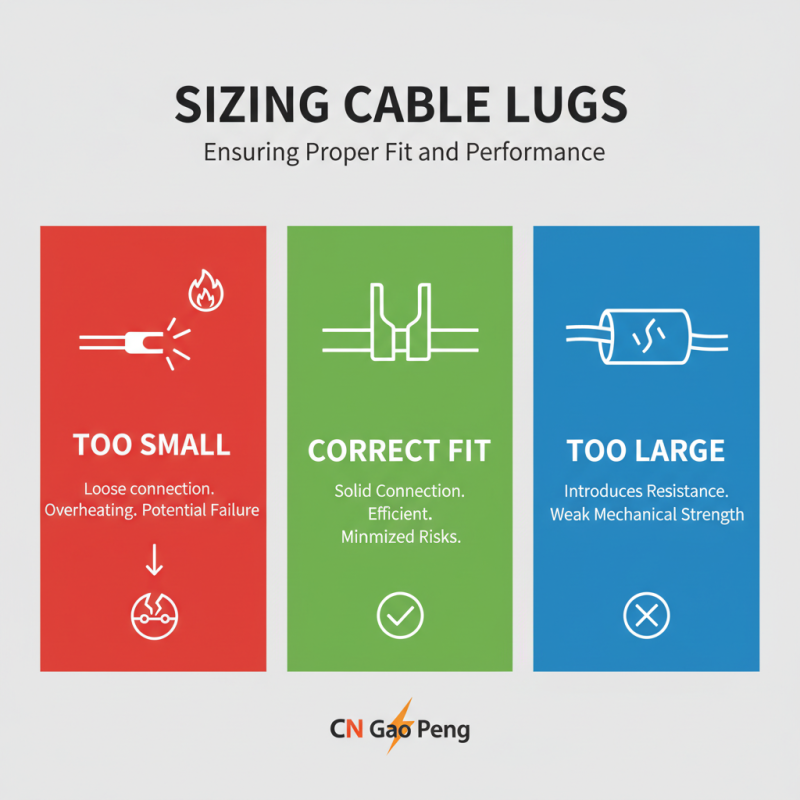
When selecting cable lugs, sizing is critical for performance. Properly sized Cable Crimp Lugs ensure efficient electrical connections. If lugs are too small, they won’t securely attach to the wire. This can lead to overheating and potential failure. On the other hand, oversized lugs can introduce resistance. They may not provide the necessary mechanical strength. The right fit guarantees a solid connection, minimizing risks.
Measuring the wire gauge accurately is essential. Use calipers for precision. Evaluate the intended load and environmental factors. Varying temperatures can affect material conductivity. It’s vital to ensure that the chosen lugs can handle such stresses. Many may overlook these details, leading to inadequate performance. Additionally, check the lug’s insertion point. It should align perfectly with the wire. Misalignment can cause friction, leading to wear over time.
Don’t underestimate the importance of quality in materials. Selecting a reliable conductor material is key for longevity. While cost is a factor, investing in robust cable crimp lugs pays off. Consider the long-term implications of budget choices. A small mistake in sizing or selection can lead to significant problems down the line. Reflecting on your choices will help ensure safer and more efficient connections.
Environmental Considerations for Cable Lugs in Various Projects
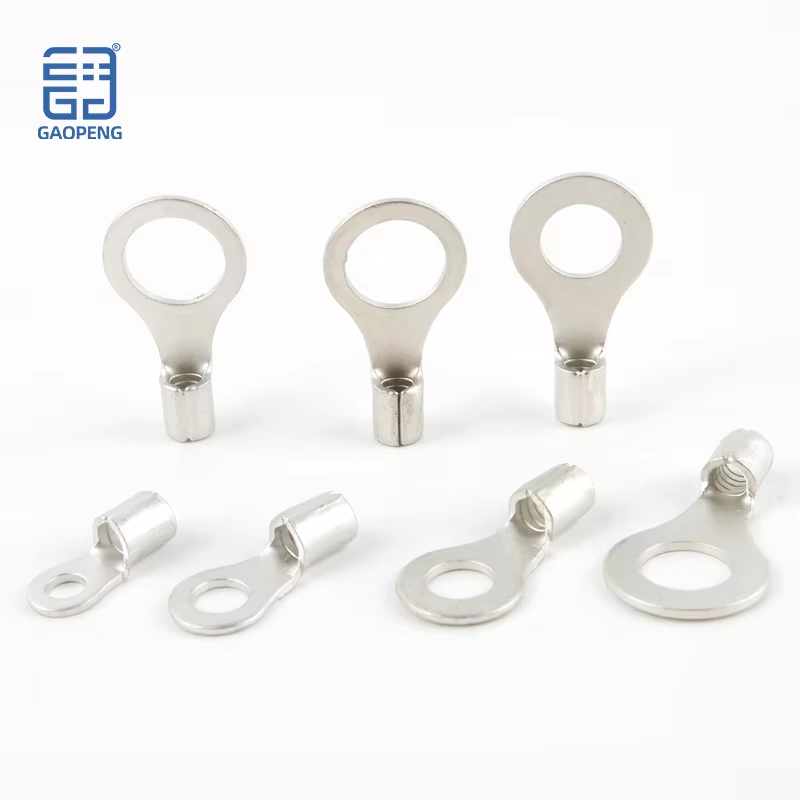
When selecting cable lugs for your project, environmental factors cannot be overlooked. Copper Cable Lugs, known for their excellent conductivity, also present environmental challenges. Improper disposal of these materials can contribute to pollution. Understanding local recycling options is vital for minimizing their impact.
Temperature and humidity levels in different environments also influence the choice of cable lugs. Areas with high moisture may require corrosion-resistant coatings for copper cable lugs. This precaution helps prolong their lifespan and maintain functionality. Projects in extreme weather should consider using materials that can withstand such conditions.
Choosing the right cable lugs means balancing performance and environmental responsibility. Not every project prioritizes eco-friendliness, but being mindful can enhance your project's overall success. Reflecting on the materials you use creates opportunities for better choices in the future. Doing so helps to ensure both the effectiveness and sustainability of your work.
Installation Techniques for Optimal Cable Lug Performance
Proper installation techniques for cable lugs are crucial for ensuring optimal performance. A 2021 report by the International Electrotechnical Commission emphasizes that incorrect installation can lead to overheating and ultimately equipment failure. Therefore, attention to detail during the installation is paramount.
When preparing to install cable lugs, ensure that all surfaces are clean. Dirt or oxidation can hinder the electrical connection. According to a study by the Institute of Electrical and Electronics Engineers, nearly 30% of electrical failures arise from poor connections. Proper torque specifications must be adhered to as well, as too much pressure may damage the lug, while insufficient pressure can result in loose connections.
It's also vital to choose the right tools for installation. Using calibrated torque wrenches helps maintain uniform pressure. However, even with the best tools, human error remains a risk. Data from the Electrical Safety Foundation International suggests that many technicians overlook basic guidelines, leading to suboptimal performance. Awareness of these potential pitfalls can significantly enhance the reliability and longevity of electrical systems.
Maintaining and Testing Cable Lugs for Longevity and Safety
When it comes to cable lugs, their maintenance and testing are essential for ensuring longevity and safety. Regular inspection of cable lugs can prevent failures in electrical systems. According to a report by the Electrical Safety Foundation International, nearly 20% of electrical failures stem from poor connections. This highlights the need for proper care of cable lugs.
During maintenance, visual inspections should be a priority. Look for signs of corrosion or wear. Even a small crack can lead to serious issues. Testing the integrity of the connection with tools such as torque wrenches is crucial. It ensures that the lugs are tightened to the manufacturer’s recommended specifications. A study by the National Fire Protection Association indicates that inadequate connections can lead to arc faults, which are responsible for a significant number of electrical fires.
Moreover, understanding the materials used in cable lugs can enhance their lifespan. Using the right alloys and coatings can withstand environmental factors better. Some studies suggest that copper lugs perform better in high-temperature settings compared to aluminum. However, improper selection or installation can lead to overheating. Awareness of these details can guide better decision-making. Recognizing that even small oversights can have serious consequences is key to maintaining safety in electrical projects.
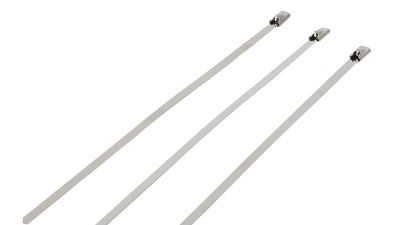
Durable and Versatile: The Advantages of Self Locking Stainless Steel 304/316 Cable Zip Ties for All Your Needs
Self-locking stainless steel 304/316 cable zip ties are engineered for a variety of demanding applications, delivering both durability and versatility that is essential across industries. These ties excel in harsh environmental conditions, featuring high corrosion resistance and an ability to withstand extreme temperatures from -20°C to +80°C. Their ability to resist moisture, oil, and vibration makes them ideal for use in electrical settings, where reliability is paramount.
The inclusion of pre-insulated nylon sleeves on terminals enhances the functionality of cable ties, facilitating faster installations without the need for heat shrink tubing, which can be time-consuming. Industry standards highlight that using pre-crimped sleeves can reduce installation time by up to 50%. Additionally, these connectors utilize tin-plated brass cores that ensure maximum conductivity; with a tested performance of ≥28% conductivity at 20A continuous current, they meet stringent safety requirements while minimizing crimping resistance to ≤0.5mΩ.
Color coding for anti-mismatch is another critical feature that significantly enhances user safety and efficiency. The standard red, blue, and yellow sleeves help to adhere to polarity guidelines, thereby reducing misconnection risks by a remarkable 90%. This attention to detail not only improves operational efficiency but also helps to ensure that electrical systems remain secure and reliable, even in the most challenging environments. The streamlined design allows for a reliable, solder-free connection that can be completed in just three seconds, making self-locking stainless steel zip ties an essential tool for both professional electricians and DIY enthusiasts alike.
FAQS
: Cable lugs connect wires to terminals, ensuring safe and reliable electrical connections in various applications.
Consider your project's specific requirements and match the lugs to the wire gauge to prevent hazards.
Many overlook dirt removal, which can hinder connections. Incorrect torque also contributes to installation flaws.
Regular visual inspections for corrosion and wear are vital to ensure longevity and prevent serious issues.
Using calibrated torque wrenches helps maintain proper pressure. However, be aware of the risk of human error.
Testing ensures compliance with torque specifications. Inadequate tension can lead to dangerous arc faults and electrical failures.
Ignoring maintenance can lead to electrical failures and potential fire hazards, so regular checks are essential.
Yes, copper lugs often perform better in high temperatures. Material selection affects performance and safety.
Regular inspections are key, ideally conducted every few months, to detect signs of deterioration early.
Installation errors can cause overheating and equipment failures, emphasizing the need for meticulous attention to detail.
Conclusion
Choosing the right cable lugs is essential for the success of any electrical project. This article delves into the various types and applications of cable lugs, highlighting key factors to consider during selection. Material considerations, particularly between copper and aluminum, play a crucial role in determining performance and durability. Proper sizing is emphasized to ensure not only a secure fit but also optimal electrical performance.
Furthermore, the article discusses environmental factors that may affect cable lugs in different project contexts, as well as effective installation techniques to maximize their functionality. Finally, ongoing maintenance and testing are outlined to ensure the longevity and safety of cable lugs, ultimately contributing to the overall efficiency of electrical systems. Understanding these elements will enable better decision-making when selecting cable lugs for specific project needs.