You know, the electrical components industry is changing really fast these days, and Cable Lugs are definitely getting more attention. They play such an important part in making sure that connections are reliable and efficient across all sorts of applications. I came across this report that said the global cable lugs market is expected to hit around USD 2.5 billion by 2026. That’s pretty wild! It’s all fueled by the growing need for solid electrical infrastructure, especially in both emerging markets and developed countries.
And then there’s Yueqing Gaopeng Electric Co., Ltd. They started up in 2016 right in Wenzhou City, Zhejiang Province, and they’re really ready to jump on this trend. They’ve got tons of experience in designing, developing, and producing a whole bunch of terminals and connectors.
With their mind-blowing production capacity that reaches into the billions and they've got export connections in Asia, Europe, America, and Africa, Gaopeng is in a great spot to deliver high-quality cable lugs that can meet the diverse needs of clients all around the world. They’re really keeping up with what the global market wants and needs!
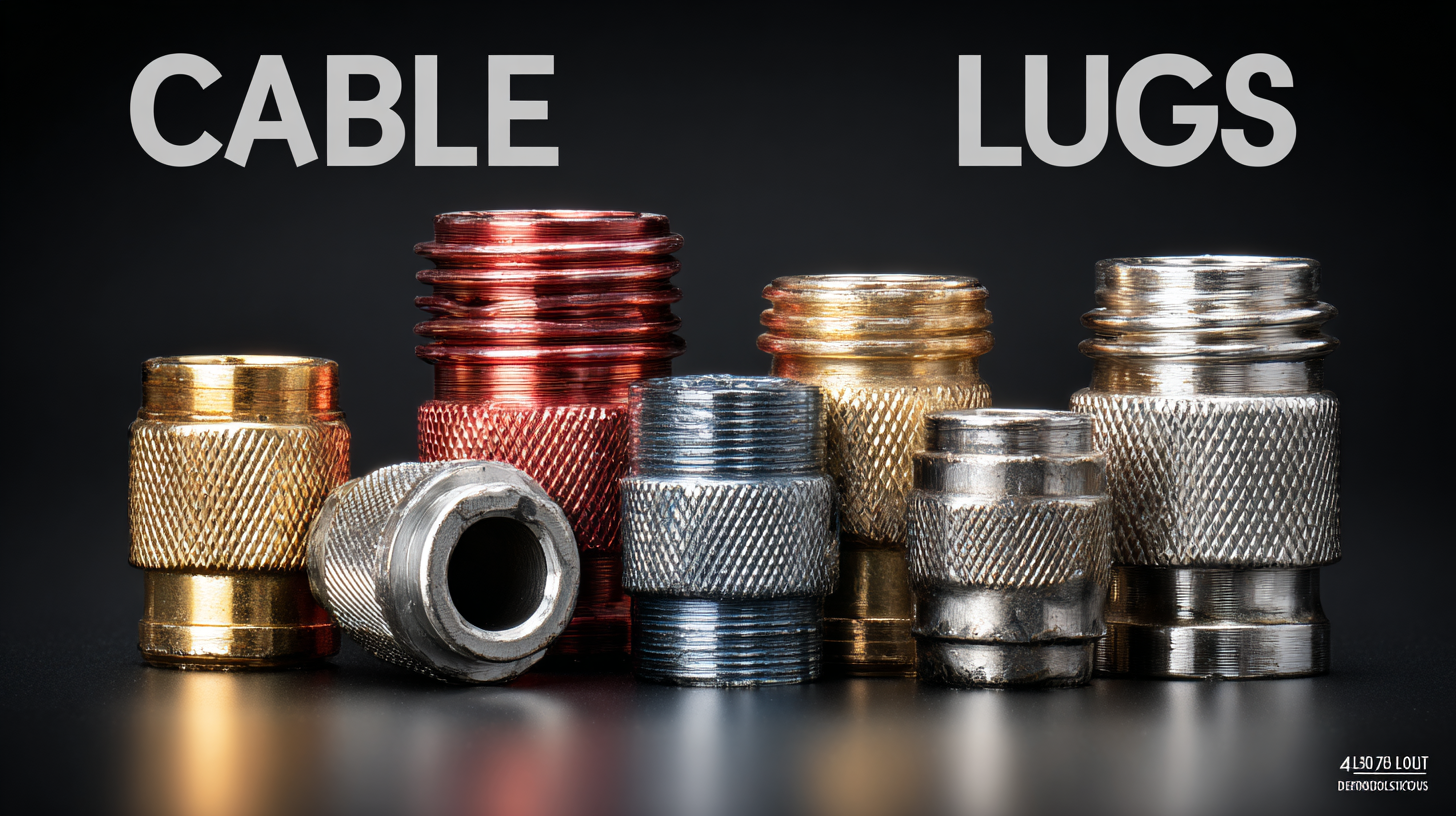
When it comes to electrical connections, cable lugs play a critical role in ensuring reliability and efficiency. Understanding the different types of cable lugs available on the market is essential for making informed procurement decisions. Common types include solder-type lugs, which provide a strong electrical connection through soldering, and crimp-type lugs, favored for their ease of use and robust grip when crimping. Each type comes with its own set of advantages, making it crucial to assess the specific requirements of a project before selecting the appropriate lug.
In addition to the basic variations, cable lugs are available in a range of materials, including copper and aluminum, each influencing conductivity and strength. Moreover, insulated versus non-insulated options offer additional layers of protection and safety in diverse environments. Industry insights suggest that trends are leaning towards the use of eco-friendly materials and innovative designs that enhance performance while minimizing environmental impact. Staying well-informed about these developments ensures that professionals can optimize their procurement strategies and choose the right products for their electrical projects.
So, when you're looking to pick the right cable lugs for top-notch performance, there are a few key things you gotta think about that can really sway your buying choices. First off, the material of the cable lug is super important. I came across this report by MarketsandMarkets that says Copper Lugs are still the champions in the market. They’ve got fantastic conductivity and low resistance, making up about 60% of the whole cable lug market last year. But don’t count out aluminum lugs! They’re starting to catch on, especially for folks on a budget, thanks to their lighter weight and friendlier price tags.
Then, you’ve also got to consider where you’re going to use these lugs. A study from Grand View Research pointed out that the need for insulation in cable lugs is on the rise, mainly because industries are looking for stuff that can hold up in tough conditions. Nowadays, everyone seems to be eyeing materials that resist weather and corrosion to make sure everything lasts longer and works reliably. Oh, and let’s not forget about compatibility! Using the right size with your cables is a must—if they don’t match, you’re asking for trouble.
As the industry keeps changing, manufacturers are really stepping it up with custom solutions to meet diverse needs. This shows just how crucial it is to make informed choices when you’re trying to get the best performance out of your lugs.
Alright, let's chat about cable lugs—specifically, choosing between copper and aluminum. It's a pretty big deal when it comes to ensuring solid electrical connections in all sorts of applications. So, copper lugs are famous for their incredible conductivity, boasting a conductivity rating of around 97% according to the International Annealed Copper Standard (IACS). This means they really shine in terms of performance, resulting in lower resistive losses, which definitely makes copper the go-to choice for high-performance setups. But let’s be real; the cost is something to think about. Copper prices have shot up to about $4.50 per pound lately, and that can really change the game for projects that are on a tight budget.
Now, aluminum lugs might not conduct electricity as well—only about 61% IACS—but they bring some sweet advantages to the table. For one, they’re super lightweight, and the price tag is way friendlier, usually hovering around $1.00 per pound. This makes them a smart pick for many folks looking to cut costs. Plus, there's been a noticeable trend moving toward aluminum in medium and low-voltage applications, thanks to some cool advancements in metallurgy that have really boosted aluminum lugs' mechanical strength and corrosion resistance. In fact, a recent industry report suggests that the market for aluminum cable lugs is set to grow at around 4.5% per year through 2025, showing just how much they’re being embraced in the electrical supply world.
| Feature | Copper Cable Lugs | Aluminum Cable Lugs |
|---|---|---|
| Conductivity | Excellent (63% IACS) | Good (61% IACS) |
| Weight | Heavier | Lighter |
| Cost | Higher | Lower |
| Corrosion Resistance | Moderate | High with proper coatings |
| Thermal Conductivity | High | Moderate |
| Application | Power distribution, electronics | Utility pole connections, large installations |
| Flexibility | Less flexible | More flexible |
You know, the cable lug manufacturing industry is really going through some exciting changes lately. Thanks to all the new innovations and a big push towards sustainability, there's a lot happening. With the demand for effective electrical connections on the rise globally, manufacturers are jumping in and investing in better materials and tech to make cable lugs perform even better. It's pretty cool—innovations like composite materials and smarter design techniques are not just making these components last longer and conduct electricity better, but they're also helping to lessen their impact on the environment. By using cutting-edge manufacturing methods, companies can crank out lugs that are lighter and way more efficient, all while meeting tighter regulations for sustainability.
And let me tell you, sustainability isn’t just a buzzword anymore; it’s at the heart of cable lug production. Many manufacturers are really getting into eco-friendly practices to cut down on waste and energy use. This includes things like recycling scraps and using energy-efficient production processes. Plus, there’s a growing interest in developing biodegradable or recyclable cable lugs to meet that rising consumer demand for responsible products. As more folks become aware of sustainability in the electrical components space, those manufacturers who really prioritize eco-friendly innovations are definitely going to be the ones who stand out in the market.
This chart illustrates the growth of various innovations and sustainability practices in cable lug manufacturing over the past five years, highlighting key trends within the industry.
When you're on the hunt for cable lugs, making sure you get quality at a good price is super important. One thing you should definitely do is set up some criteria to evaluate suppliers. Check for certifications like ISO standards; they basically show that the company follows good quality management. Also, take a close look at the materials they use—high-quality conductive materials can really boost performance and make them last longer.
Here's a tip: always ask for samples before you buy in bulk. Testing those samples can give you a chance to see if the lugs fit your needs and how reliable they really are. Pay attention to things like corrosion resistance and electrical conductivity; these factors can help you figure out if you're getting your money's worth.
Another key practice is to keep up with what’s happening in the market—trends and price changes matter a lot. Dive into industry reports or hit up trade shows; they can give you a sneak peek at new innovations and pricing moves. Plus, building good relationships with different suppliers can really help you out when it comes to negotiating deals, so you don’t end up sacrificing quality for a better price.
And here’s another tip: take advantage of digital sourcing platforms that allow for competitive bidding. This way, you can compare different offers right there and then, giving you a clearer idea of what’s available and helping you make better choices when it comes to purchasing.
You know, the cable lug industry is really on the move these days! With all the advancements in technology happening, it’s exciting to think about what’s coming next. For instance, the breakthroughs in materials science are leading us to some pretty cool cable lugs that not only perform better but also last longer. Take the new lightweight, high-conductivity materials; they actually cut down the weight while still keeping the electrical efficiency right where it needs to be. According to some industry reports I’ve seen, the global cable lug market is set to hit a whopping $3 billion by 2026. That’s mainly thanks to the booming renewable energy sector and the growing need for reliable electrical connections across a bunch of different applications.
If you’re in procurement, it’s super important to keep yourself updated on the latest material breakthroughs. These innovations could seriously impact the long-term success of your projects, so being in the know is key. Plus, don’t forget about the importance of investing in quality assurance processes. You want to make sure that the cable lugs you go for meet those tough performance and safety standards.
Oh, and here’s another trend you shouldn’t overlook: the rise of smart technologies in cable lug design. It’s pretty much in line with the whole digitization wave we’re seeing everywhere. As automated systems become more common, figuring out how they mesh with traditional hardware will be crucial if you want everything to run smoothly. Those programming and connectivity features are not just about making things easier to use; they might also throw in some data analytics goodness that can help you with maintenance and overall efficiency.
: The cable lug manufacturing industry is experiencing innovations such as the use of composite materials and improved design techniques that enhance durability and conductivity while reducing environmental impact.
Many manufacturers are adopting eco-friendly practices, including recycling scrap materials, implementing energy-efficient production processes, and exploring biodegradable or recyclable cable lugs.
Sustainability is crucial as awareness about environmental responsibility rises, and manufacturers prioritizing eco-conscious innovations are more likely to gain a competitive advantage in the marketplace.
When sourcing cable lugs, it's important to evaluate suppliers based on certifications like ISO standards, assess the quality of materials used, and request samples to test performance.
Testing samples allows you to evaluate the reliability, corrosion resistance, and electrical conductivity of cable lugs, providing insights into their overall value and suitability for specific applications.
Building relationships with multiple suppliers and staying informed about market trends and price fluctuations can provide leverage in negotiations, helping secure better deals without compromising quality.
Digital sourcing platforms facilitate competitive bidding, allowing you to compare multiple offers in real-time, which helps in making more informed procurement decisions.
Advanced manufacturing processes enable companies to produce lighter, more efficient cable lugs that comply with increasing regulatory standards for sustainability.
High-grade conductive materials are preferred as they significantly enhance the performance and longevity of cable lugs.
Participating in trade shows provides deeper insights into market trends, upcoming innovations, and pricing strategies, which can inform better sourcing decisions.