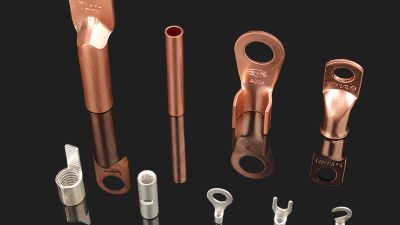
Picking the right Insulated Terminal Lug is actually pretty important when you're dealing with electrical connections. The market's got a ton of options, each with its own little quirks, right? And that choice really matters—it can affect safety, efficiency, and how well things hold up over time.
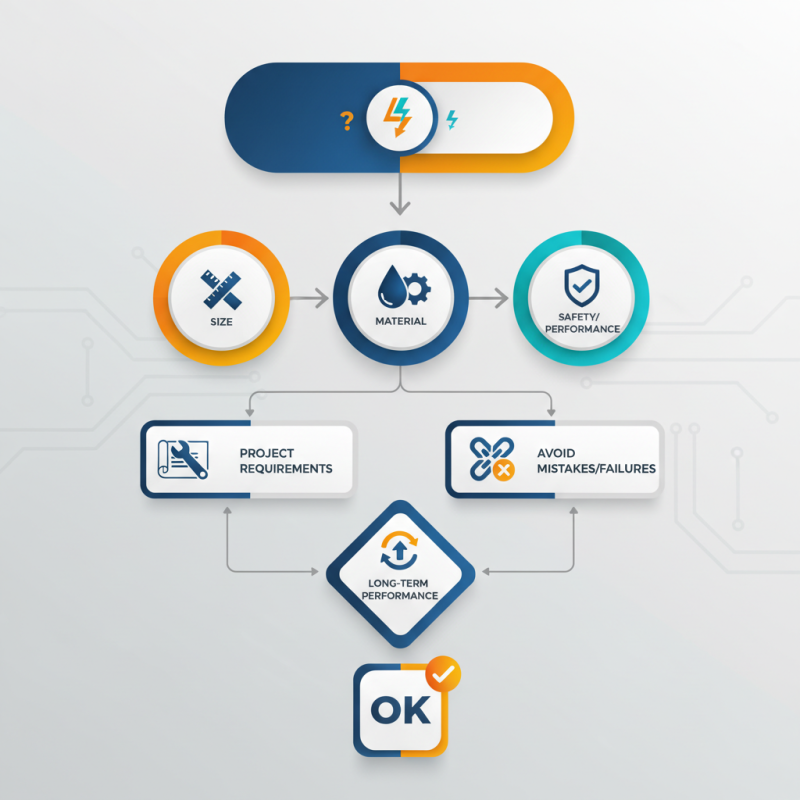
So, when you're choosing a lug, think about stuff like size and what it's made of—since every project is a bit different. You wanna make sure what you pick fits your specific needs. But honestly, with so many options out there, it’s easy to get overwhelmed or make a mistake. Sometimes we overlook just how critical quality really is.
You might assume all lugs are pretty much the same, but they’re not. Making the wrong choice could cause problems down the road. It’s a good idea to think about what you want to achieve with your project. Focus on reliability and pick something that's suited for the long haul. It’s not just about getting it to work now—it's about making sure it lasts. So, take some time to understand what you really need before diving in.
Understanding Insulated Terminal Lugs: An Overview
Insulated terminal lugs are essential for electrical connections. They provide protection and stability for wires. Choosing the right type is crucial for performance. Lugs come in various sizes and materials, each suited for different applications.
Tips: Consider the wire gauge when selecting lugs. The right fit prevents overheating and ensures reliable connections. It's often overlooked, but even a slight mismatch can lead to failures.
Material matters too. Copper and aluminum lugs have distinct properties. Copper is more conductive, while aluminum is lightweight. Make an informed choice based on your project needs.
High-Quality Insulated Terminal Lug often features a thick insulation layer. Look for durability in both insulation and metal. However, avoid assuming all lugs are equal. Always check specifications before purchasing. Small details can make a significant difference.
Types of Insulated Terminal Lugs Available in the Market
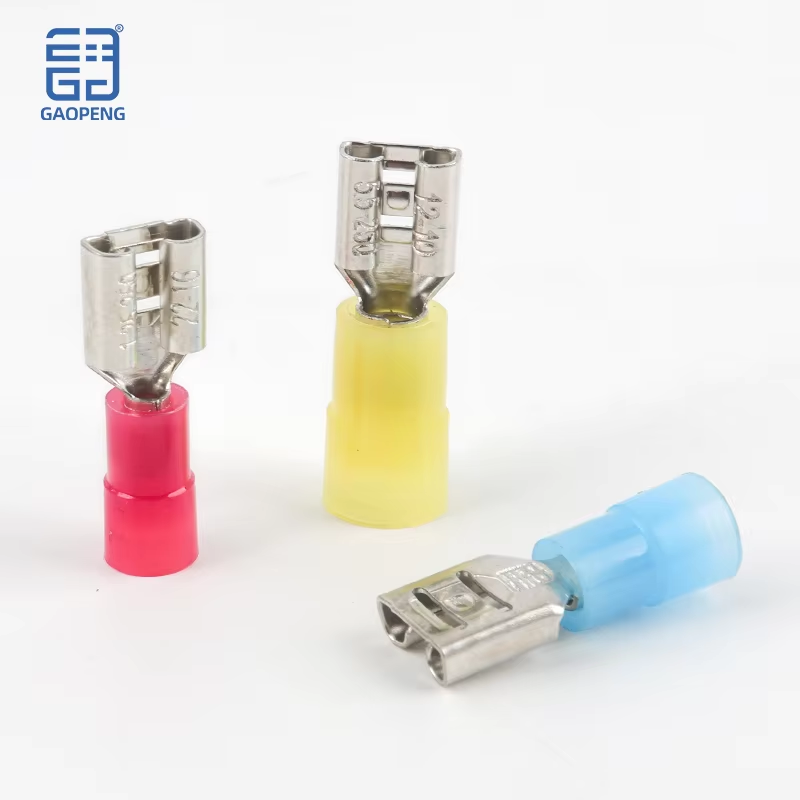
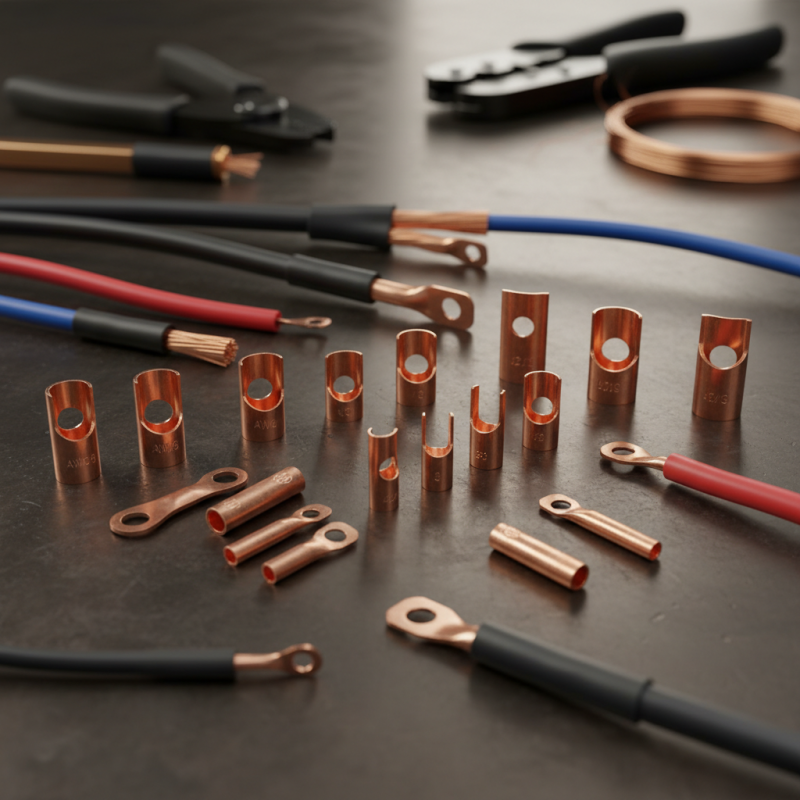
When selecting insulated terminal lugs, it’s essential to understand the types available. Various designs cater to different needs. Each type has unique features and applications. Common types include crimp-style lugs, which are reliable for secure electrical connections. They are made from copper or aluminum, with insulation that ensures safety. These lugs work well in many environments.
Another popular type is the screw-type lug. This option is often used where quick installation is needed. It allows for easy connection and disconnection. However, they can sometimes loosen over time if not installed correctly. It's wise to regularly check their security to prevent issues.
Lastly, there are heat-shrink lugs. These offer excellent moisture resistance after installation. They provide a secure seal against environmental factors. However, they require a heat source for proper installation, which can complicate the process. When buying, consider the expected conditions. You can find a range of options online, like Wholesale Insulated Terminal Lug, with various features to fit specific needs. It's important to think carefully about the type best suited for your application.
Factors to Consider When Choosing Insulated Terminal Lugs
When selecting insulated terminal lugs, several factors play a critical role in the decision-making process. One key factor is the size of the wire. According to industry reports, the wire gauge dictates the recommended lug size for optimal performance. Choosing the wrong size can lead to overheating or connection failures. The American National Standards Institute (ANSI) provides guidelines that suggest using lugs that are compatible with the specific wire gauge used in your application.
Material composition is another essential consideration. Copper and aluminum lugs are common choices, each with distinct advantages. Copper Lugs typically offer better conductivity, which can enhance overall efficiency. Conversely, aluminum lugs are lighter and often less expensive, but may require a special connector. A 2021 study indicated that 60% of electrical system failures linked to terminal lugs stemmed from improper material selection.
Temperature ratings also significantly impact the functionality of insulated terminal lugs. High-temperature environments can degrade insulation, leading to potential hazards. The National Electrical Code (NEC) highlights the importance of matching rated temperatures to the application setting. Conversely, many users overlook this, risking safety and performance. By paying attention to wire size, material, and temperature ratings, you can make more informed selections.
Material Selection: Copper vs. Aluminum Terminal Lugs
Choosing the right terminal lug often depends on the material. Copper and aluminum are the two primary options available. Copper lugs have excellent conductivity, making them popular in many applications. They conduct electricity better than aluminum and can handle higher currents effectively. However, they are heavier and can be more costly.
On the other hand, aluminum lugs are lighter and more economical. They are easier to work with, especially in large installations. Yet, aluminum has lower conductivity than copper. This means they may require larger sizes to match a copper lug's performance. Over time, aluminum can corrode more easily, which raises concerns for long-term reliability.
Choosing between these materials might lead to mistakes. For instance, opting for aluminum in a high-current application could result in overheating. Conversely, using heavy copper lugs in a lightweight installation might complicate the setup. It's crucial to reflect on specific needs and weigh the pros and cons carefully. Sometimes, the best choice isn't the most obvious one.
Sizing and Compatibility: How to Measure for Your Needs
When selecting an insulated terminal lug, measuring for compatibility is crucial. Start by assessing the wire size you'll use. The gauge affects the lug dimension and its connection strength. Use a wire gauge tool for a precise measurement. This ensures your lug can handle the wire's current flow.
Another aspect is the bolt size, which impacts the lug fitment. Measure the diameter of the bolt hole on your selected Insulated Pin Lug. A snug fit prevents any loose connections. If the fitting isn't right, you may face overheating or equipment failure.
Tips: Always verify the rated capacity for amperage and voltage. Don’t skip this step. Also, consider the environment where it will be used. For example, exposure to moisture can lead to corrosion. Finally, remember to account for the lug’s insulation type. This affects not only safety but also performance during use. Making informed choices today ensures reliability in your electrical projects.
How to Choose the Right Insulated Terminal Lug for Your Needs?
| Wire Size (AWG) | Lug Type | Insulation Type | Max Voltage (V) | Current Rating (A) | Material |
| 12 | Ring Lug | PVC | 600 | 30 | Copper |
| 10 |
Fork Lug | Nylon | 600 | 40 | Aluminum |
| 8 |
Male Tab | Rubber | 600 | 50 | Copper |
| 6 | Closed Barrel | Heat Shrink | 600 | 65 | Aluminum |
Application Considerations: Matching Lugs to Your Project
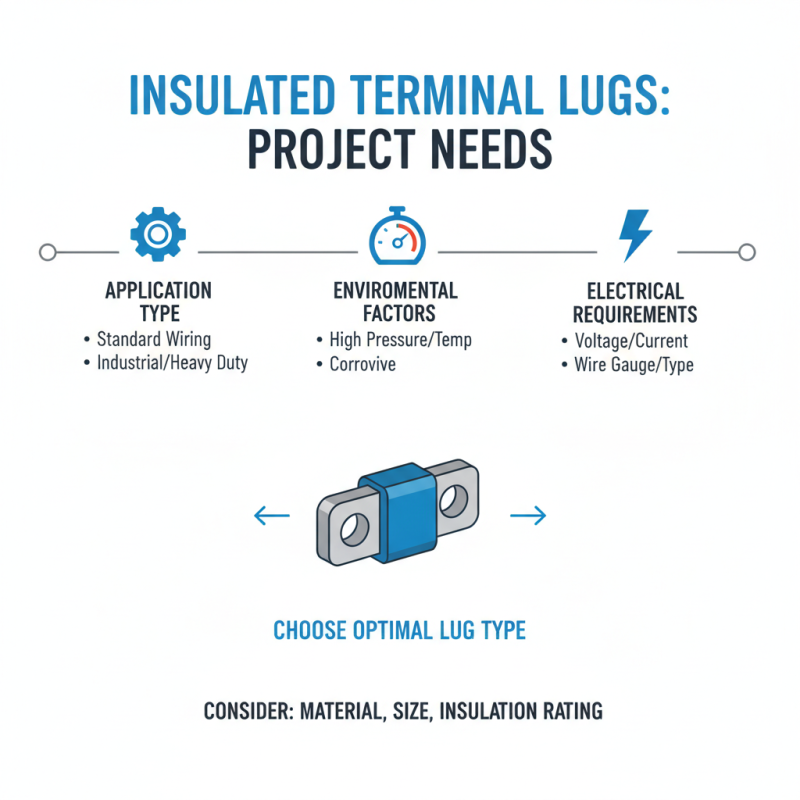
When choosing insulated terminal lugs, consider the specific needs of your project. Different applications require different lug types. For instance, if you're working in a high-pressure environment, opt for lugs that can withstand extreme conditions. A heavy-duty lug may be necessary for industrial tasks.
Another important factor is the connector size. It must match the wire gauge. Too tight or too loose can lead to electrical issues. Sometimes, people overlook this and end up with poor connections. Be sure to measure carefully before purchasing.
Also, think about the insulation material. Certain projects might require more durable insulation. It's essential for ensuring safety and longevity. Mistakes can happen if you rush this decision. Take time to reflect on your materials and their compatibility with your project's demands. This careful consideration can prevent future problems.
Installation Tips for Optimal Performance of Terminal Lugs
When installing insulated terminal lugs, proper technique is essential for reliability. Many professionals overlook alignment. A misaligned connection can lead to poor conductivity and overheating. According to a 2022 industry report, incorrect installation caused 40% of equipment failures in electrical systems. This statistic highlights the importance of cautious installation practices.
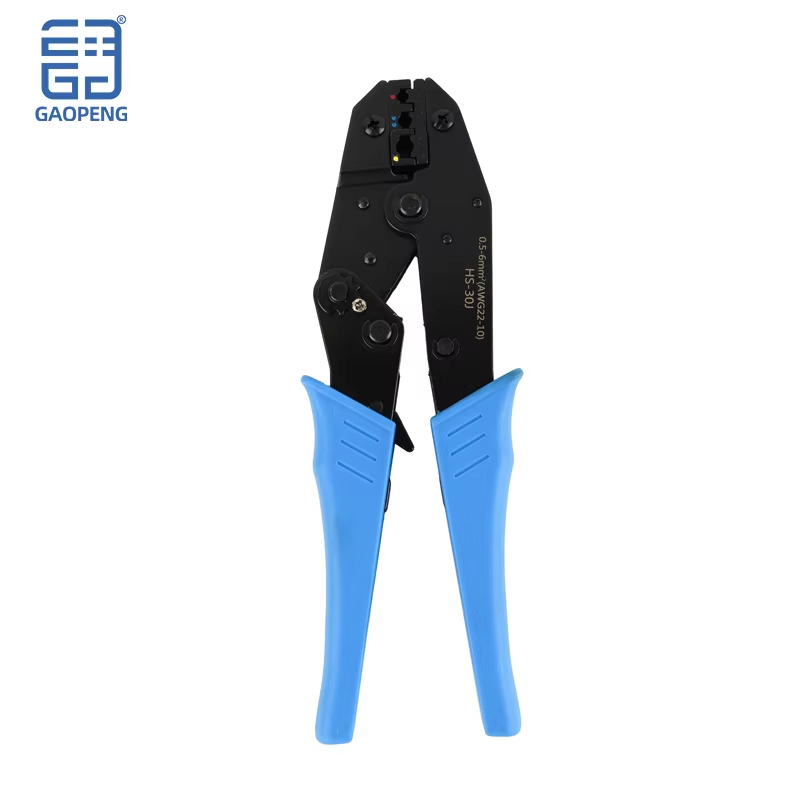
Ensure the stripped wire fits snugly in the Insulated Ring Lug. Use the proper tool for crimping. Inadequate pressure can lead to high resistance and eventual failure. A study indicates that 30% of electrical failures were due to improper crimping techniques. Always verify that the wire gauge matches the lug size to maintain optimal performance and ensure safety.
Avoid common pitfalls. Frequently, users neglect to check the insulation integrity. Damaged insulation can compromise the entire system. A thorough examination before installation can prevent future issues. Remember, using the right insulated terminal lug is only part of the equation; proper installation amplifies effectiveness.
Essential Guide to Choosing the Right Cable Lugs for Your Electrical Projects
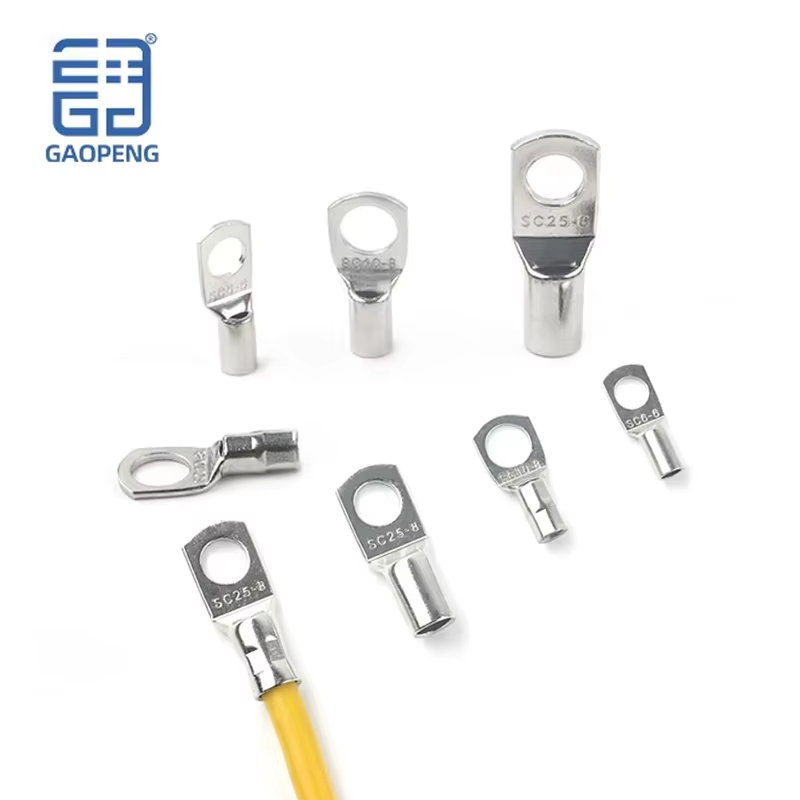
When embarking on electrical projects, choosing the right cable lugs is crucial for ensuring efficient and safe connections. One essential product to consider is high-quality copper cable lugs with tin plating. These connectors are designed to provide exceptional conductivity and durability, making them ideal for various applications, whether in residential, commercial, or industrial settings. The copper base guarantees excellent electrical performance, while the tin plating offers enhanced resistance to oxidation and corrosion, ensuring longevity even in challenging environments.
Not only do these connectors excel in performance, but they are also built with ease of use in mind. Their compact design allows for seamless integration into different electrical systems, ensuring a professional finish with minimal hassle during installation. Moreover, rigorous testing during production ensures that each connector meets stringent safety and reliability standards. For anyone involved in electrical work, selecting connectors that uphold these qualities is vital for achieving stable and long-lasting electrical connections, ultimately contributing to the success of the project at hand.
FAQS
: The service aims to connect users with quality information and resources. It helps users find what they need quickly.
Users can access the service via a website or mobile app. Ensure a stable internet connection for better experience.
Users may need to pay a subscription fee for premium features. Check the pricing section for detailed information.
The resources include articles, guides, and videos. They cover various topics to cater to different interests and needs.
Yes, user feedback is valuable. It helps improve the service and tailor offerings to meet user expectations and needs.
If issues arise, check the help section. Users can also reach out to customer support for assistance.
Conclusion
When selecting the right insulated terminal lug for your project, it's essential to understand the various types available, as well as the specific requirements of your application. This overview covers key factors to consider, including material selection between copper and aluminum, which can significantly affect conductivity and durability. Proper sizing and ensuring compatibility with existing wiring and connectors is crucial for achieving optimal performance.
Additionally, application considerations play a pivotal role in matching the appropriate insulated terminal lug to your specific needs. By following installation tips and best practices, you can ensure that your terminal lugs are securely and effectively utilized, maximizing the longevity and reliability of your electrical connections. Making informed choices will lead to enhanced safety and efficiency in your projects involving insulated terminal lugs.