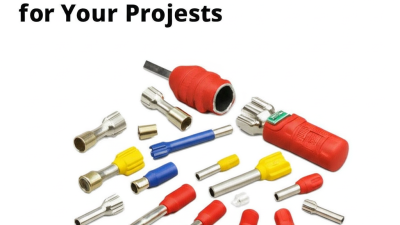
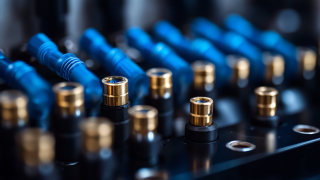
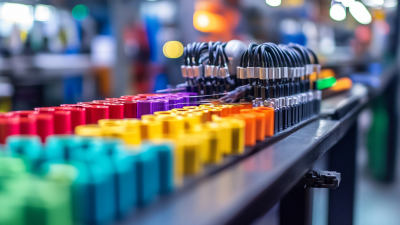
When it comes to electrical projects, you know the right connectors can really make a difference. There's a whole bunch of connectors out there, but Butt Connectors totally take the cake for their flexibility and how easy they are to use. Believe it or not, industry reports say that the global connector market is on track to hit a whopping $100 billion by 2025, and a big chunk of that is thanks to the growing demand for Butt Connectors, especially in fields like automotive, telecommunications, and consumer electronics. So, let’s talk about Yueqing Gaopeng Electric Co., Ltd. Founded back in 2016 and based in Wenzhou, Zhejiang Province, they really know their stuff when it comes to designing and producing all sorts of terminals and connectors, Butt Connectors included. With an annual production capacity that’s in the billions and a solid strategy for exports across Asia, Europe, America, and Africa, Gaopeng is all set to keep up with what the electrical industry needs. In this ultimate guide, we’ll dive into what makes Butt Connectors special, where they shine, and what to keep in mind when picking the right ones for your projects.
Understanding Butt Connectors: Types and Applications
Hey there! So, when you’re diving into electrical projects, picking the right butt connectors really matters if you want things to be safe and reliable. Butt connectors help you join two or more wires, and yeah, they come in a bunch of different types. You’ve got your insulated ones, non-insulated, heat-shrink, and open barrel connectors, just to name a few. According to some report I read from the Electrical & Electronics Industry Association (EEIA), the need for solid connectors, like butt connectors, is expected to grow at around 5.6% each year until 2027. That’s mainly because they’re being used more in the automotive and renewable energy scenes.
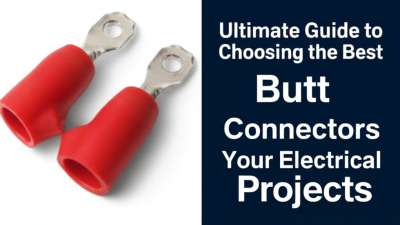
Now, the way you use butt connectors can really vary. For example, insulated butt connectors are a great choice when you're working on cars or boats where moisture resistance is a must. Then there are heat-shrink connectors that give you that extra layer of protection against the elements, which is pretty handy. I came across a study from the Connector Industry Association that pointed out how using connectors incorrectly can lead to some pretty big electrical issues. So, choosing the right type for your specific job is super important! As technology keeps moving forward, there are all these new materials and designs popping up that really boost the performance and durability of butt connectors. It just makes sense for folks in the field to stay up-to-date with the latest trends and advancements out there.
Ultimate Guide to Choosing the Best Butt Connectors for Your Electrical Projects
| Connector Type | Material | Wire Gauge | Application | Temperature Rating |
| Copper Butt Connector | Copper | 16-14 AWG | Automotive Wiring | -40°C to 105°C |
| Heat Shrink Butt Connector | Copper with Heat Shrink Tubing | 22-18 AWG | Marine Applications | -55°C to 125°C |
| PA (Polyamide) Butt Connector | Nylon | 20-16 AWG | Electrical Wiring | -40°C to 85°C |
| Dual Wall Butt Connector | Copper with Dual Wall Insulation | 16-14 AWG | Heavy-Duty Applications | -55°C to 125°C |
| Insulated Butt Connector | Copper with Insulation | 18-16 AWG | General Electrical Wiring | -40°C to 105°C |
Key Factors to Consider When Choosing Butt Connectors
 When you're picking out butt connectors for your electrical projects, there are a few important things to think about if you want to make sure your connections are reliable and safe. First off, let’s talk about the material of the connector. Most of the time, you’ll see butt connectors made from copper or aluminum, but copper is usually the go-to because it's got great conductivity and doesn’t corrode easily. Another thing to keep in mind is the type of insulation. Going for connectors with heat shrink or nylon insulation can really up the protection against moisture and mechanical damage, so the connection stays strong over time.
Also, don’t forget about the wire gauge you’re working with! Butt connectors come in all sorts of sizes, and each one is made for specific wire gauges. Matching the connector to the wire size is super important—otherwise, you might run into issues like overheating, and nobody wants that. Plus, keep an eye on the connector's ratings for voltage and current capacity. You want to make sure it can handle what you need it to do. By taking all this into account, you can find butt connectors that not only suit your electrical needs but also improve the safety and efficiency of your wiring projects. Happy wiring!
Step-by-Step Guide to Properly Installing Butt Connectors
So, let’s talk about electrical projects for a minute. Getting those butt connectors installed the right way is super important if you want to keep things safe and reliable. You know, a report from the National Fire Protection Association (NFPA) says that around 23% of electrical fires are caused by faulty connections. That’s a pretty big deal! Understanding how to install these connectors properly can really help cut down on those risks.
First off, make sure you’re choosing high-quality butt connectors that can handle the current levels you’re working with. Trust me, connectors that can't handle the load? Not good! They can overheat and eventually fail, and that’s the last thing we want.
Now, when you’re ready to install, start by stripping the wire ends so you’ve got enough conductor showing for a solid connection. Industry standards say to strip about 1/4 to 1/2 inch of insulation. Just make sure you’re using a wire stripper that fits your wire gauge.
After that, slide the stripped wire into the connector until it hits the crimp zone, and grab your crimping tool to give it a good squeeze. You want that crimp connection to be nice and tight; if it’s loose, you’re asking for trouble with increased resistance and a chance of overheating. Studies show that well-crimped connections have a failure rate of less than 1%, so this step is super important to keep everything running smoothly for the long haul.
Common Mistakes to Avoid When Using Butt Connectors
Hey there! If you’re diving into the world of butt connectors, let’s chat about some common pitfalls that you definitely want to avoid. First off, one of the biggest blunders is not stripping the ends of your wires properly before shoving them into the connectors. Seriously, if you don’t strip enough, you’re asking for trouble. Poor connections can crank up the resistance, which leads to overheating and—yikes—complete failure. So, make sure those wire strands are nice and exposed for a solid connection!
Another thing to keep in mind is heat shrink tubing. I mean, skipping it is a rookie mistake. Without it, your connections can be left wide open to moisture and corrosion, especially if you’re working outside or in a super humid area. Heat shrink does wonders; it not only protects the connection but also adds a bit of extra muscle to your project.
And here’s a tip: always, and I mean always, check the gauge of your wire against your butt connectors. Using wires that don’t match up can really compromise the quality of your connections. Picking the right size is crucial to steering clear of future headaches. So, by keeping these tips in mind, you can save yourself from a lot of hassle and make sure your electrical work lasts a long time!
Top Brands and Products for Quality Butt Connectors
Alright, let’s talk about picking the best butt connectors for your electrical projects. It’s super important to go for high-quality brands. You can’t go wrong with big names like Klein Tools, 3M, and Southwire. Seriously, these guys are known for making products that are tough and trustworthy, so your connections won’t just fall apart, even when the going gets tough. When you're checking out butt connectors, keep an eye on things like the materials they’re made from, the sizes available, and how easy they are to install—because who wants to deal with a headache during a project?
So here’s a tip: Always opt for connectors that are crafted from solid materials, like copper or tinned copper. These materials are great for conductivity and they don’t rust easily. Plus, don’t forget to grab the right size for your wire gauge if you want your connections to be strong and reliable. Nobody wants a loose connection, right?
Another thing to consider is the insulation properties of your connectors. Brands like TE Connectivity and Alpha Wire have some good options out there, giving you various insulation types that can handle heat and moisture better. A well-insulated butt connector is key to avoiding those pesky electrical shorts and making sure your projects last.
Quick reminder: Before you kick off your project, give a quick check to make sure your connectors will work with the tools you plan on using. Having the right crimping tool can seriously make a difference in the quality of your connections and save you from future issues. Trust me on that one!
Maintenance Tips for Long-Lasting Electrical Connections
You know, when it comes to keeping those electrical connections reliable, choosing the right butt connectors really makes a big difference in how well they perform and how long they last. At Yueqing Gaopeng Electric Co., Ltd., we've got a ton of experience in designing and making all sorts of terminals and connectors, and we really believe that a little bit of proper maintenance can go a long way in extending the life of these components. It’s kind of eye-opening but hey, about 30% of electrical failures come from shoddy connections—definitely a reminder to pick high-quality connectors and make sure they’re installed right!
Now, if you want to make your butt connectors last, here are a few handy tips: first off, always check that your connectors are clean and free from any oxidation before you pop them in. Anything like dirt or grime can really mess with how well they connect. Then, using heat shrink tubing or some insulators is a smart move to protect those connections from moisture and dust—trust me, they’re sneaky little troublemakers when it comes to electrical failures. And don’t forget to dab on a little dielectric grease! It helps keep corrosion at bay and boosts conductivity, which is key for keeping your electrical system strong.
At Yueqing Gaopeng, we’re cranking out billions of these connectors every year. We’re not just about providing top-notch products; we’re all about sharing best practices that really enhance performance in all sorts of electrical applications around the globe. By focusing on quality and maintenance, you can pretty much guarantee that your electrical projects will keep running smoothly for years to come!
Ultimate Guide to Choosing the Best Butt Connectors for Your Electrical Projects
This chart illustrates the durability rating of various types of butt connectors used in electrical projects. Higher durability ratings indicate better long-lasting connections crucial for maintenance and reliability in electrical systems.