Leave Your Message
0%

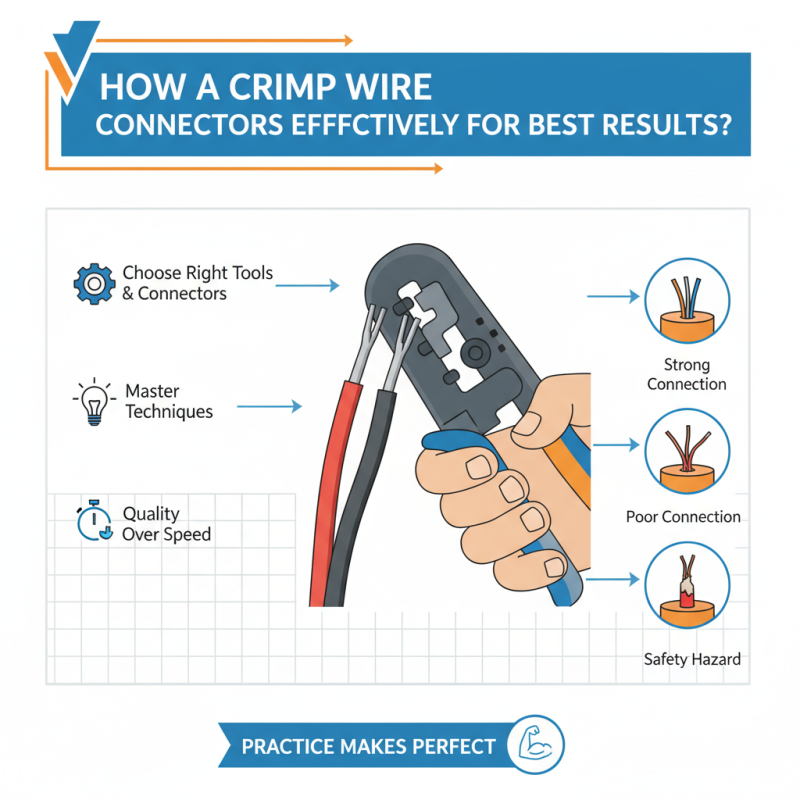
Getting a solid wire connection is pretty much the backbone of any electrical project. If you want things to work smoothly, mastering how to use Wire Connectors Crimp can really make a big difference. Whether you're piecing together a custom circuit or just fixing up a device, knowing how to crimp properly is super important.

Using Wire To Wire Crimp Connectors definitely makes things easier, but don’t forget—accuracy is everything. A sloppy crimp can cause equipment to fail or even be a safety hazard. So, it’s really crucial to pick the right tools and connectors that match your project’s needs. Honestly, a lot of folks overlook this step, and that’s where frustration kicks in.

And hey, don’t get discouraged—practice really does make perfect. Feel free to experiment with different techniques or tools until you find what works best for you. The little nuances of crimping might seem small, but paying attention to them pays off in the long run when it comes to reliable, durable connections. Always keep quality in mind over rushing through the job—that way, you’ll end up with results you can trust.
How to Crimp Wire Connectors Effectively for Best Results?

Understanding Wire Connectors and Their Applications

Wire connectors play a crucial role in various electrical applications. They ensure a secure and effective connection between wires. Understanding their types and uses can greatly enhance your wiring projects. There are many forms of wire connectors, including Crimp Connectors, twist-on connectors, and solder connections. Each type has its nuances and ideal use cases.

Crimp connectors are particularly popular for their reliability. They are easy to use and provide excellent conductivity when done correctly. Choosing High-Quality Wire To Wire Crimp Connectors can make a significant difference in performance. However, the crimping process isn’t always straightforward. Sometimes, the connection appears stable but fails under stress. This can lead to frustrating moments during installation.

Many DIY enthusiasts overlook the importance of proper crimping techniques. It’s vital to ensure that the wire strands are adequately inserted into the connector. Even slight misalignment can compromise the integrity of the connection. Regular practice and attention to detail can help avoid these common errors. It's worth investing time to refine these skills for better results.

Choosing the Right Type of Wire Connector for Your Project

Choosing the right wire connector is crucial for successful projects. Various types exist, each serving a specific purpose. Some connectors work well for high-current applications, while others excel in smaller signals. Evaluate your project needs before diving in.

Look closely at the environment too. For instance, outdoor jobs may require connectors resistant to moisture. On the other hand, indoor connectors typically need less protection. Pay attention to factors like wire gauge. A mismatch here could lead to poor connections. It’s frustrating to face issues that stem from small oversights.

You might find yourself contemplating decisions as you select connectors. Should you go for insulated or non-insulated? Each has its benefits and limitations. Remember, not every connector suits every scenario. Sometimes, experimenting with Wholesale Wire To Wire Crimp Connectors can lead to better solutions. Stay alert, make thoughtful choices, and adapt your approach as necessary.

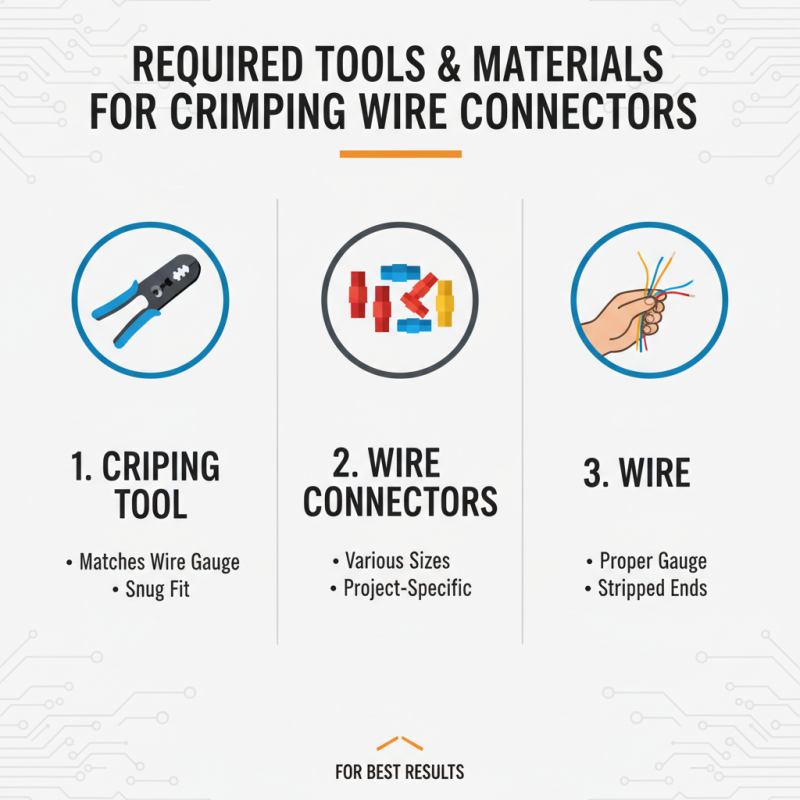
Required Tools and Materials for Crimping Wire Connectors

How to Crimp Wire Connectors Effectively for Best Results?

Crimping wire connectors requires specific tools and materials for the best results. To start, you need a quality crimping tool. Choose a setting that matches your wire gauge. This ensures a snug fit when crimping. Additionally, you’ll need a selection of wire connectors. These come in various sizes, so pick the ones that suit your project.

Don’t forget to have a wire stripper on hand. Stripping wires to the right length is crucial. Measure carefully to avoid wasting materials. Insulation should be removed without damaging the wire itself. A small pair of scissors may help with excess insulation. Safety is vital, so using gloves can prevent minor injuries.

A work surface is also important. A flat and clean area helps keep everything organized. Distractions can lead to mistakes, so avoid clutter. If you find yourself fumbling with connectors, take a short break. Reflect on your technique and adjust if necessary. Proper preparation and organization lead to more efficient results.

Step-by-Step Guide to Preparing Wires for Crimping

When preparing wires for crimping, attention to detail is vital. Start by gathering your tools: wire strippers, crimping tool, and connectors. Cut the wire to the desired length. Strip about a half-inch of insulation from the ends. This step is crucial; too much wire exposed may lead to shorts, while too little won't connect properly.

Next, insert the stripped wire into the connector. Ensure it fits snugly. If it feels loose, reevaluate your stripping length. A loose connection can create issues later. Crimp firmly, but don’t overdo it. It’s easy to damage the connector or wire. Custom Wire To Wire Crimp Connectors require precision, and your technique impacts the final result.

Finally, visually inspect your work. Look for any gaps or frayed ends. If something seems off, don’t hesitate to redo it. Mistakes are part of the process. Learning from them sharpens your skills. A well-prepared wire means a reliable connection. That’s what you want.

How to Crimp Wire Connectors Effectively for Best Results? - Step-by-Step Guide to Preparing Wires for Crimping

Step Description Tools Required Tips
1 Select the appropriate wire gauge for the connector. Wire Gauge Tool Use a wire gauge tool to ensure compatibility.
2 Strip the wire to the appropriate length. Wire Strippers Ensure the stripped length matches the connector specifications.
3 Insert the wire into the connector. Wire Connector Make sure the wire is fully seated in the connector.
4 Use crimping tool to secure the connector to the wire. Crimping Tool Apply firm pressure; check for a solid connection.
5 Inspect the crimp for proper attachment. Inspection Tools (Optional) Ensure no exposed wire is showing and that the connection is tight.

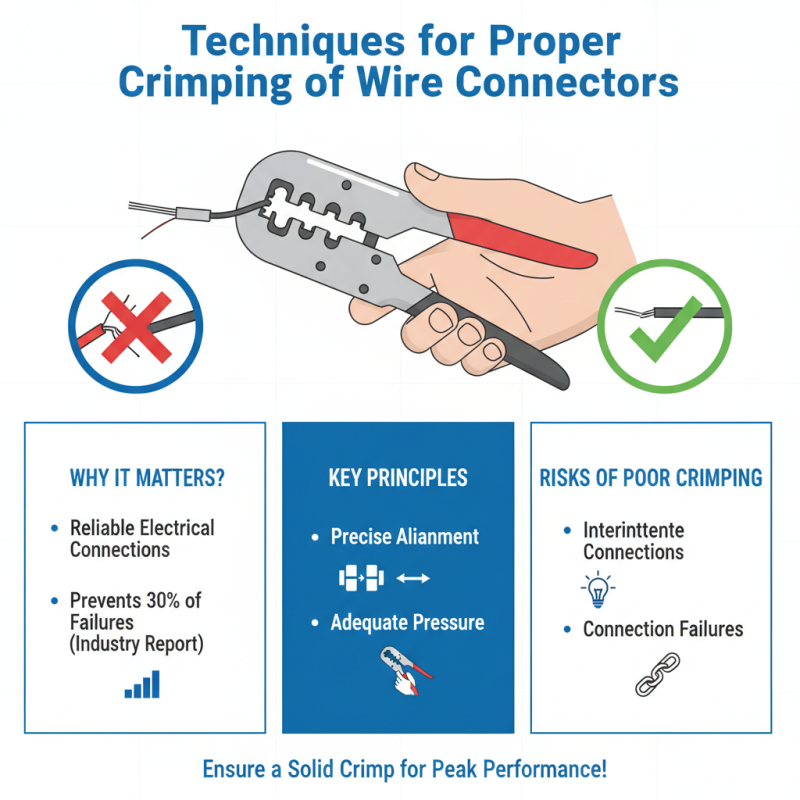
Techniques for Proper Crimping of Wire Connectors

How to Crimp Wire Connectors Effectively for Best Results?

Crimping wire connectors is vital for ensuring reliable electrical connections. Proper techniques can significantly affect performance. According to a recent industry report, nearly 30% of connector failures stem from poor crimping practices. Ensuring a solid crimp involves precise alignment and adequate pressure. A poorly aligned connector can lead to intermittent connections.

One effective technique is to use the correct crimping tool. A mismatched tool can damage the connector or wire. The crimping process should apply sufficient force to deform the connector around the wire. Studies show that using a tool with a built-in gauge can help achieve consistent results. Many technicians overlook this, leading to inconsistent crimp quality.

The wire choice also impacts crimp success. Using the wrong wire gauge can result in loose connections. A report highlighted that 40% of reported issues were due to incorrect wire sizing. Always refer to the connector specifications to avoid this pitfall. This ensures that the crimp creates a snug fit without risking wire damage. Ultimately, refining these techniques can enhance overall connection reliability.

Testing and Quality Assurance After Crimping Wire Connectors

Testing and quality assurance are crucial after crimping wire connectors. Proper testing determines if the crimped connections can withstand the expected electrical loads. A study from the Electrical Standards Institute shows that nearly 20% of wiring failures result from poor crimping techniques. This underlines the importance of verifying every connection made.

Visual inspection is the first step in quality assurance. Inspect the crimped joint for deformation, fraying, or any signs of improper seating. Even slight imperfections can lead to connection failures later. Next, use a crimp gauge to measure the integrity of the connection. This tool helps ensure that the connector meets the required specifications. According to the Testing and Certification Society, certified crimped connections reduce failure rates by over 30%.

After mechanical inspection, electrical testing is key. A continuity test checks for proper electrical flow through the connection. If issues arise, it’s essential to re-evaluate your crimping process. Using the wrong crimping tool or improper technique can lead to subpar results. In fact, around 15% of professionally installed connectors fail quality checks. Regular assessments of your methods can help improve reliability and performance.

Common Mistakes to Avoid When Crimping Wire Connectors

When crimping wire connectors, avoiding common mistakes is crucial. Many people overlook the importance of selecting the right connector size. Using connectors that are too small or too large can lead to weak connections. This might cause wires to pull apart or even create short circuits. Always double-check your connector size before making a crimp.

Another frequent error is not stripping the wire insulation properly. Stripping too much or too little can weaken the bond. Aim for a clean strip that exposes just the right amount of wire. A good rule of thumb is to expose 1/4 to 1/2 inch of wire, depending on the connector type. Inspect the wire closely. Any frayed edges may compromise the connection.

Using the wrong tool for crimping is also a notable pitfall. A poor-quality crimping tool may not apply even pressure, leading to incomplete or inconsistent crimping. Invest in a reliable tool, especially if you work with China Wire To Wire Crimp Connectors often. Lastly, don't rush the process. Take your time to ensure each connection is secure and fully integrated. Skipping these details can lead to frustrating results down the line.

FAQS

: What are wire connectors used for?

: Wire connectors ensure secure connections between wires in various electrical applications. They enhance project effectiveness.

What types of wire connectors are there?

There are crimp connectors, twist-on connectors, and solder connections, each with unique applications and characteristics.

Why are crimp connectors popular?

Crimp connectors are reliable and easy to use. They offer excellent conductivity when properly crimped and fitted.

What common mistake do DIYers make with crimping?

Many overlook the importance of proper crimping techniques. Misalignment can lead to connection failures under stress.

How can I ensure a good crimp connection?

Practice and pay attention to detail. Ensure wire strands are fully inserted into the connector for a strong bond.

What is a continuity test?

A continuity test checks for proper electrical flow through a connection. It helps identify any issues that may arise.

Why is selecting the right connector size important?

Using the wrong size can lead to weak connections, causing wires to pull apart or short circuit. Double-check sizes.

How much wire insulation should I strip?

Aim to strip 1/4 to 1/2 inch of wire for a good bond. Too much or too little can weaken the connection.

What tool should I use for crimping?

Invest in a reliable crimping tool. A poor-quality tool may cause inconsistent crimping and connection failures.

What should I do if a connection fails a quality check?

Re-evaluate your crimping process to identify errors. Assessing methods regularly improves reliability and performance.

Conclusion

When working with wire connectors, understanding their various types and applications is crucial for successful results. Choosing the right wire connector for your project ensures compatibility and effectiveness. To achieve optimal connections, you should be equipped with the necessary tools and materials before beginning the crimping process.

The article provides a comprehensive step-by-step guide that prepares wires for crimping and outlines proper crimping techniques to ensure reliability. It emphasizes the importance of testing and quality assurance post-crimping, helping to verify the integrity of the connections. Additionally, it highlights common mistakes to avoid when crimping wire connectors, ensuring that your wire connectors crimp securely and perform effectively in their intended applications.
Sophie

Sophie

Sophie is a dedicated marketing professional at Leqing Gaopeng Electric Co., Ltd., where she harnesses her extensive knowledge of the company’s products to drive effective marketing strategies. With a deep understanding of the electrical industry, Sophie plays a pivotal role in showcasing the......
Previous How to Choose the Right Crimp Tools for Your Manufacturing Needs