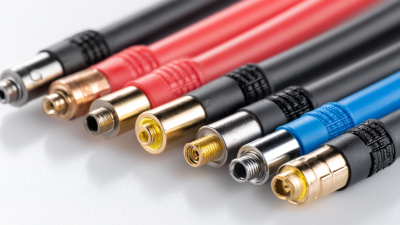
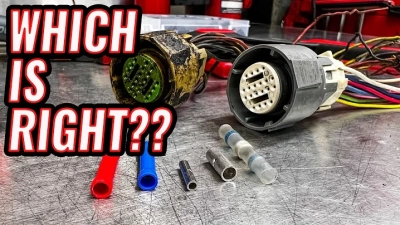
Whenever you're diving into an electrical project, picking the right wire connector crimp is super important for making sure everything stays safe and reliable. Whether you're a pro electrician or just someone tackling a DIY fix at home, understanding the different types of connectors out there can really make a difference in how well your connections hold up. Honestly, with so many options available these days, it can get pretty overwhelming trying to figure out which ones are the best fit for your specific job.
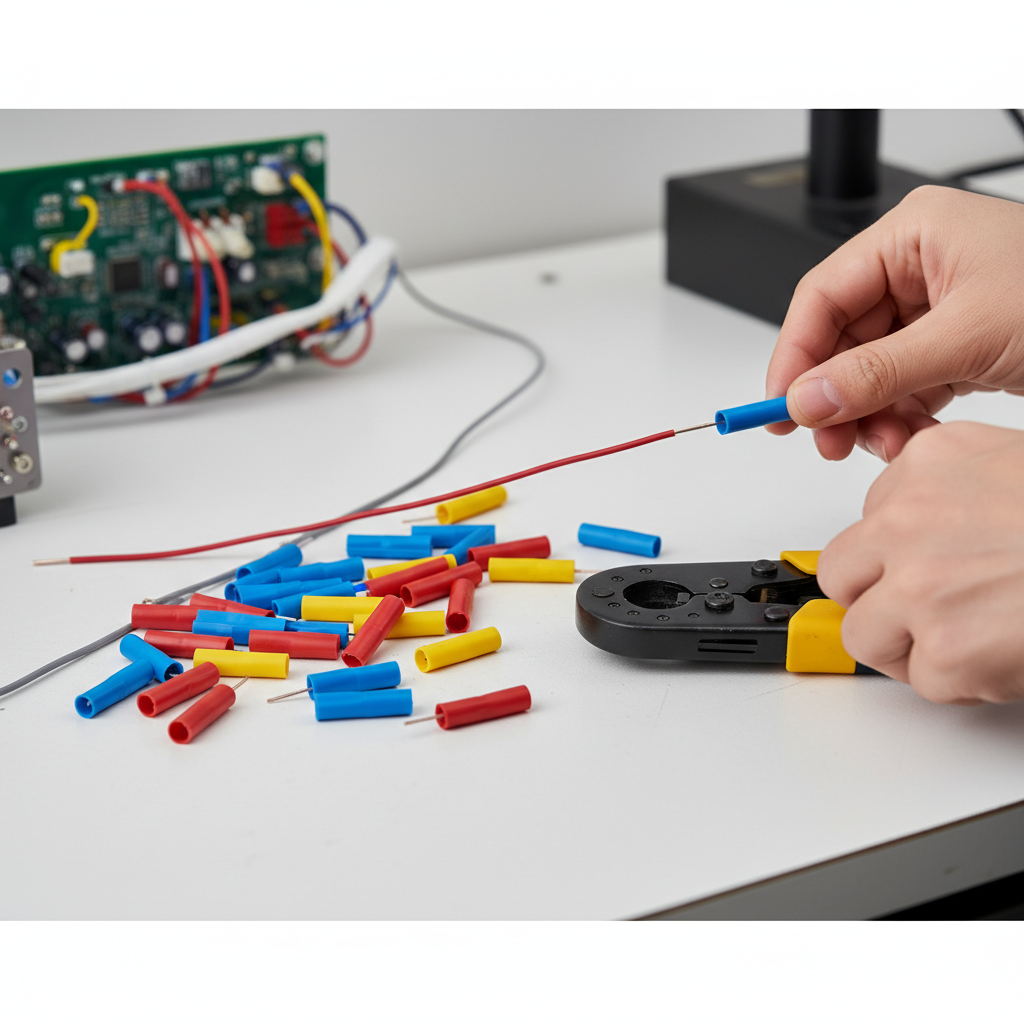
In this chat, I’m going to share ten handy tipsto help you pick the perfecT Wire Connector crimp for whatever project you're working on. We’ll go over things like the different kinds of connectors, what materials they're made of, and how to check if they're compatible with your wiring. These insights should help make your decision a whole lot easier and ensure your connections are solid and long-lasting. So, let’s get into the world of wire connectors crimp and give you a better shot at makingsmart, safe choices for all your electrical projects.
Understanding Wire Connector Types for Your Project Needs
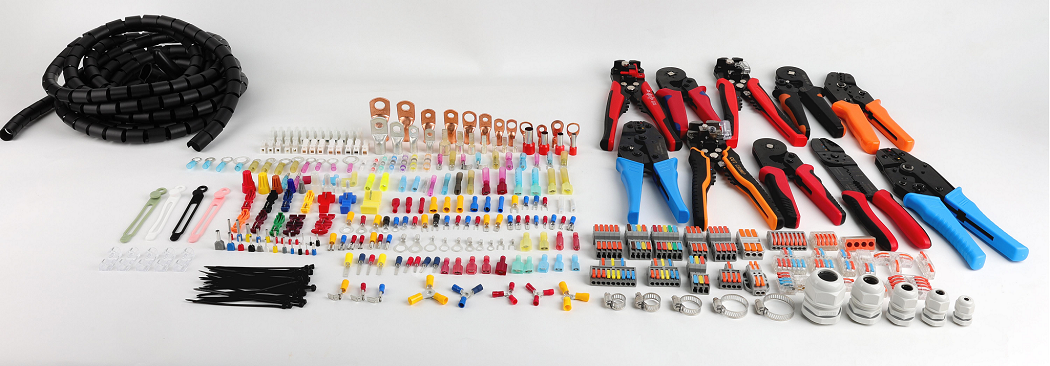
When selecting wire connectors for your projects, understanding the various types available is crucial. There are primarily two categories of wire connectors: Crimp Connectors and solder connectors. Crimp connectors are often preferred for their ease of use and efficiency. They create a solid electrical connection by squeezing the metal connector around the wire, which is a method suited for both various low-voltage applications and larger setups, like those involving multiple sensors in an I2C ecosystem. On the other hand, solder connectors involve melting metal to create a bond, offering a more permanent connection but requiring more skill and time.
One essential tip is to assess your project's specific needs before choosing the type of connector. For instance, if you need to connect multiple devices with minimal wiring, crimp connectors might be the ideal choice. They allow for multiple connections in parallel, which can simplify setups, especially in complex projects. Additionally, consider the gauge of the wire and the current load; this determines the appropriate size and type of connector, ensuring not only reliability but also safety in your electrical projects.
Factors to Consider When Selecting Crimp Connectors
When selecting the right crimp connectors for your projects, several key factors should be considered to ensure optimal performance and reliability. First, it is essential to assess the gauge of the wire you plan to use. Different connectors are designed for specific wire sizes, and using the wrong gauge can lead to weak connections or even failures. Additionally, the type of insulation material is crucial; for instance, some connectors may require stripped wires or have specific insulation requirements that must be matched for effective crimping.
Another important factor is the environment in which the connectors will be used. If your project will be exposed to moisture or harsh conditions, selecting connectors that are rated for such environments can prevent corrosion and ensure long-lasting connections. Also, consider the type of crimping tool required for your chosen connectors, as some tools provide better leverage and performance than others. This can significantly affect the ease of use and the quality of the crimped connection, thus ensuring a secure and efficient electric connection for your needs.
Evaluating Wire Gauge and Compatibility for Effective Connections
When selecting wire connectors for your projects, evaluating wire gauge and compatibility is crucial for creating effective and lasting connections. Wire gauge refers to the diameter of the wire, which directly affects current-carrying capacity and resistance. According to the American Wire Gauge (AWG) standards, a lower gauge number indicates a thicker wire, with 10 AWG wire capable of handling up to 30 amps, making it suitable for high-power applications. In contrast, 20 AWG wire, which is only rated for about 3 amps, might be more appropriate for low-power electronics. Choosing the correct gauge ensures that your connectors can handle the intended current without overheating or failing.
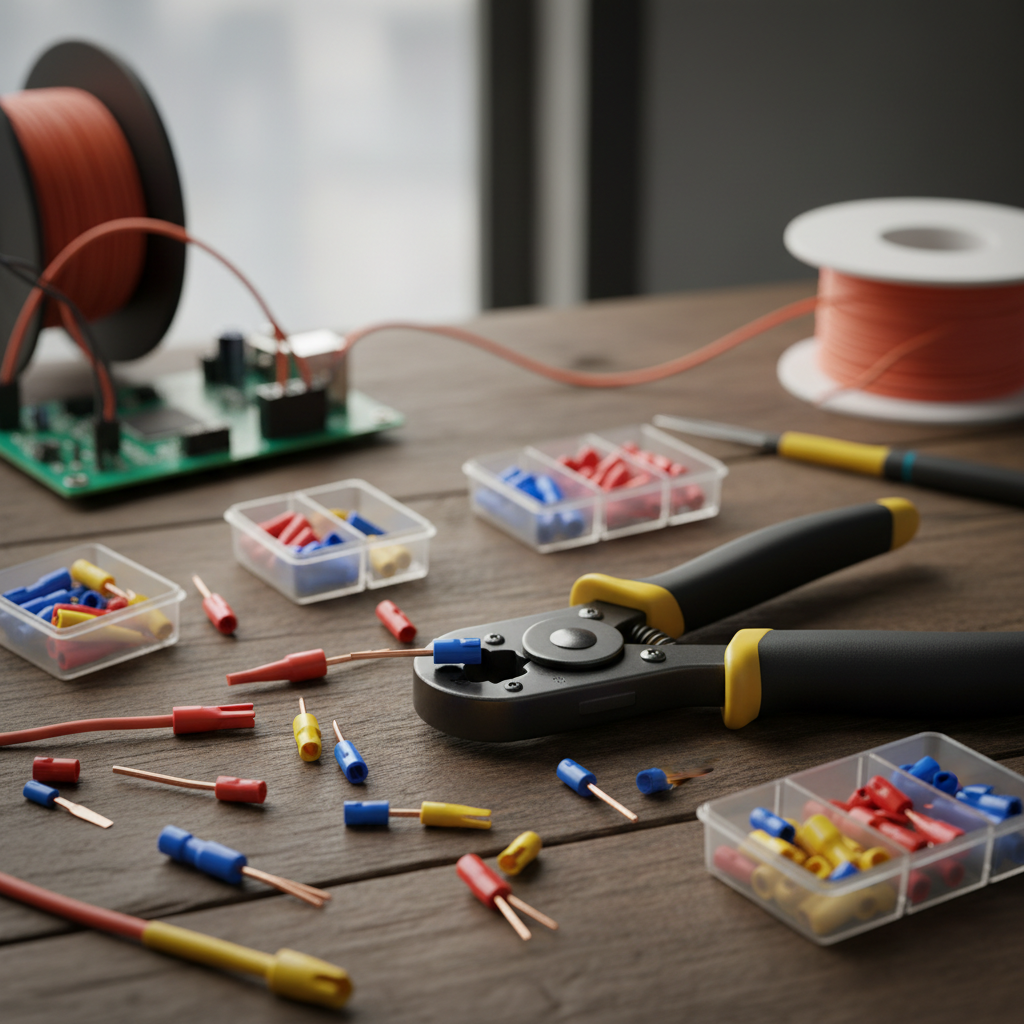
Compatibility between wire and connectors also plays a vital role in ensuring reliable connections. Connectors must match the wire gauge to provide optimal electrical performance and mechanical strength. A report from the Institute of Electrical and Electronics Engineers (IEEE) highlights that mismatched wire connectors can lead to increased resistance, which can generate heat and potentially cause failures in electrical circuits. For example, using a connector designed for 16 AWG wire with 24 AWG wire can result in poor connections, compromising safety and performance. Thus, understanding these compatibility factors is essential for any successful wiring project.
Exploring Material Options for Durable and Reliable Crimping
When selecting the right wire connectors for your projects, material choice plays a crucial role in ensuring durability and reliability. The efficacy of crimp connections is heavily influenced by the materials used, which directly affects the performance and longevity of electrical components. According to a report by the International Electrotechnical Commission, the right selection of connector materials can reduce failures by up to 30%, highlighting the importance of informed decisions in project planning.
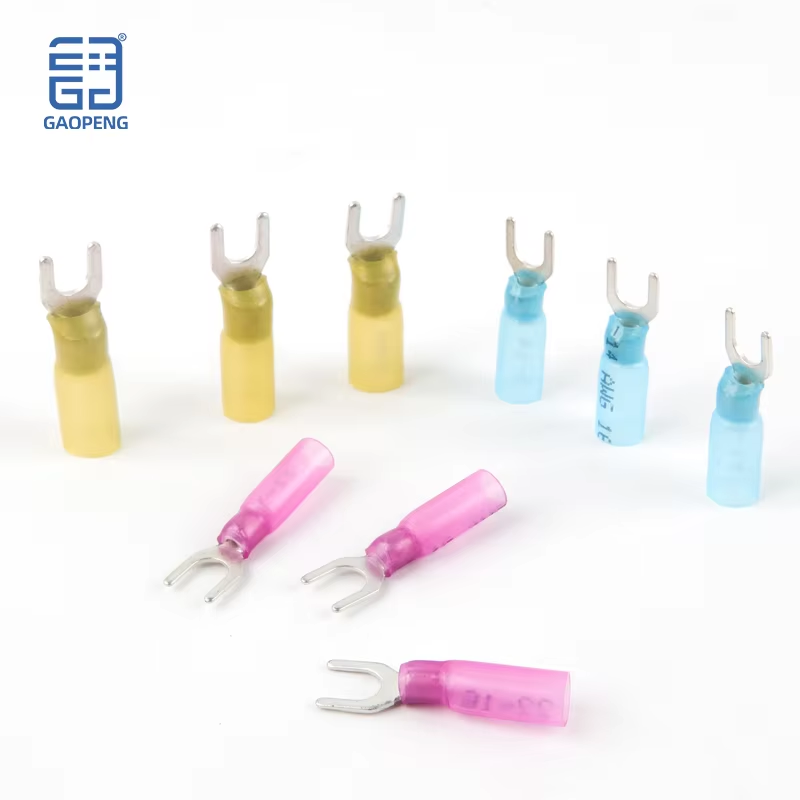
Yueqing Gaopeng Electric Co., Ltd. specializes in the production of high-quality terminals and connectors crafted from top-grade materials. Founded in 2016, the company has established itself as a leader in the industry, with an impressive annual production capability reaching several billion units exported across Asia, Europe, America, and Africa. For optimal performance, consider connectors made from materials such as copper for excellent conductivity and aluminum for weight savings. Each material brings unique attributes, making it essential to align your choice with specific project requirements to enhance reliability and safety.
Best Practices for Crimping Techniques and Tools
When it comes to achieving a reliable and durable electrical connection, mastering crimping techniques is crucial. Start by selecting high-quality wire connectors that match the gauge of your wires. Ensure that your crimping tool is appropriate for the connector type—using the correct tool not only enhances the connection’s strength but also minimizes the risk of damage to the wires. The crimping process should be executed with a firm, even pressure to guarantee that the connector securely grips the wire without any visible deformation.
In addition to proper tool selection, preparation of the wire is essential for a successful crimp. Stripping the insulation must be done carefully to avoid nicking the wire itself, which can compromise conductivity. Insert the stripped wire fully into the connector, and double-check its position before crimping. Utilizing a visual inspection post-crimp can help catch any irregularities; a good crimp will show no gaps between the conductor and the connector. By adhering to these best practices in crimping techniques, you can ensure that your projects will have reliable and stable electrical connections.
10 Essential Tips for Choosing the Right Wire Connectors Crimp for Your Projects
| Tip | Description | Recommended Tool | Connector Type |
| 1. Choose the Right Size | Select connectors that match the wire gauge used in your project. | Wire Gauge Tester | Butt Connector |
| 2. Consider the Environment | Use connectors rated for specific environmental conditions (e.g., moisture, temperature). | Environmental Rating Checker | Heat Shrink Connector |
| 3. Evaluate Current Rating | Ensure connectors can handle the expected current load. | Ampere Meter | Ring Terminal |
| 4. Use Quality Materials | Select connectors made from high-quality materials for durability. | Material Tester | Copper Connector |
| 5. Check for Compatibility | Ensure connectors are compatible with the wire type (stranded vs solid). | Compatibility Guide | Splice Connector |
| 6. Proper Crimping Technique | Learn the correct crimping technique for secure connections. | Crimping Tool | Insulated Connector |
| 7. Use the Right Tool | Invest in a quality crimping tool that suits your connector type. | Crimper | Heat-Shrink Connector |
| 8. Testing Connections | Test connections after crimping to ensure integrity. | Continuity Tester | Connector Block |
| 9. Consider Future Changes | Plan for potential upgrades or changes in your wiring setup. | Blueprint Planning | Disconnect Connector |
| 10. Seek Expert Advice | Consult with professionals for specific projects or concerns. | Expert Consult | Multi-Purpose Connector |
Safety Tips for Handling Wire Connectors in Electrical Projects
When working on electrical projects, safety must always be a top priority, especially when handling wire connectors. Ensuring that the connectors are properly crimped is crucial to prevent potential hazards such as short circuits or electrical fires. Always start by turning off the power to the circuit you’re working on. This simple yet vital step can significantly reduce the risk of electric shock while you install or repair wire connectors.
Additionally, wearing appropriate personal protective equipment (PPE) is essential. Safety goggles can protect your eyes from metal fragments during the crimping process, while insulated gloves offer an extra layer of protection against accidental shocks. It’s also important to use high-quality tools and connectors designed for your specific project requirements.
Inspect all materials for damage or wear before use, as faulty connectors can lead to serious safety issues. By following these guidelines, you can ensure a safer working environment and enhance the reliability of your electrical connections.
FAQS
: Wire gauge refers to the diameter of the wire, which affects its current-carrying capacity and resistance. Selecting the correct gauge ensures that connectors can handle the intended current without overheating or failing.
According to American Wire Gauge (AWG) standards, a lower gauge number indicates a thicker wire. For example, 10 AWG wire can handle up to 30 amps, suitable for high-power applications, while 20 AWG wire is rated for about 3 amps, making it more appropriate for low-power electronics.
Compatibility is crucial for reliable connections. Mismatched wire connectors can lead to increased resistance, generating heat and potentially causing failures. For optimal performance, connectors must match the wire gauge.
Materials like copper and aluminum are commonly used in connectors. Copper is known for excellent conductivity, while aluminum offers weight savings. Choosing the right material is essential for enhancing reliability and safety in electrical components.
The appropriate selection of connector materials can reduce failures by up to 30%. This highlights the importance of informed decisions in project planning to ensure durability and reliability.
To achieve a reliable connection, select high-quality wire connectors that match the gauge of your wires, use the correct crimping tool, apply firm and even pressure during crimping, and carefully prepare the wire by stripping insulation without nicking the wire.
Visual inspection of the crimp can help identify irregularities. A good crimp will show no gaps between the conductor and the connector, ensuring a secure and effective electrical connection.
Strip the insulation carefully to avoid damaging the wire. Make sure to fully insert the stripped wire into the connector and double-check its position before crimping to ensure a secure connection.
Yes, using the correct crimping tool for the connector type enhances the connection's strength and minimizes the risk of damaging the wires during the crimping process.
Improper crimping can lead to weak connections that may fail under electrical load, causing safety hazards and potentially damaging other components in the electrical circuit.
Conclusion
Choosing the right wire connectors crimp is crucial for the success and safety of electrical projects. Understanding the various types of wire connectors available is the first step in aligning them with your specific project needs. Factors such as wire gauge compatibility, material options, and recommended crimping techniques must be carefully evaluated to ensure durable and reliable connections.
At Yueqing Gaopeng Electric Co., Ltd., we specialize in the design and production of high-quality terminals and connectors, boasting an annual production capacity that reaches several billion units. Our products are widely used across Asia, Europe, America, and Africa, making us a trusted partner in various electrical applications. By following best practices and safety tips when handling wire connectors crimp, professionals can enhance the efficiency and longevity of their electrical systems.