Every Canton Fair ends the same way at our booth, the conversation on the table moves to the next line, and the next line is the line that says the fair is the place the part is shown and the factory is the place the part is made, so come and see the line that runs it. The buyers who met us at the 140th session are the buyers who now get that invitation in writing, and this piece is the piece that lays out what the invitation carries, because the factory audit at a terminal manufacturer is the audit that runs on the floor and the line, and the floor and the line are the two things the booth cannot show. We are not writing this piece to sell the visit, we are writing it so the buyer who accepts the invitation knows what the audit covers, what the buyer brings, and how the two sides run it, because the audit that is written is the audit that runs clean on both sides.
The invitation, the line after the fair
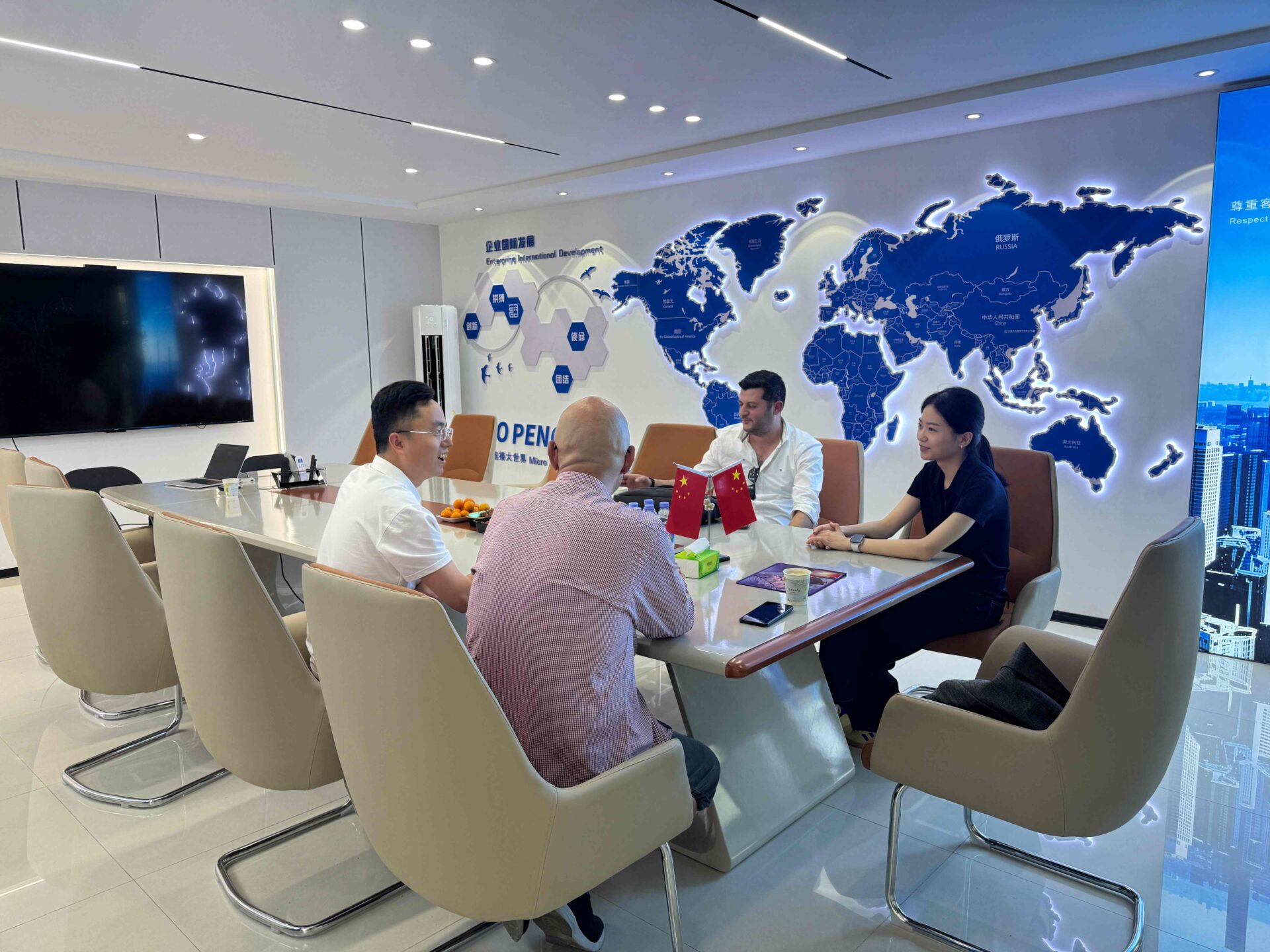
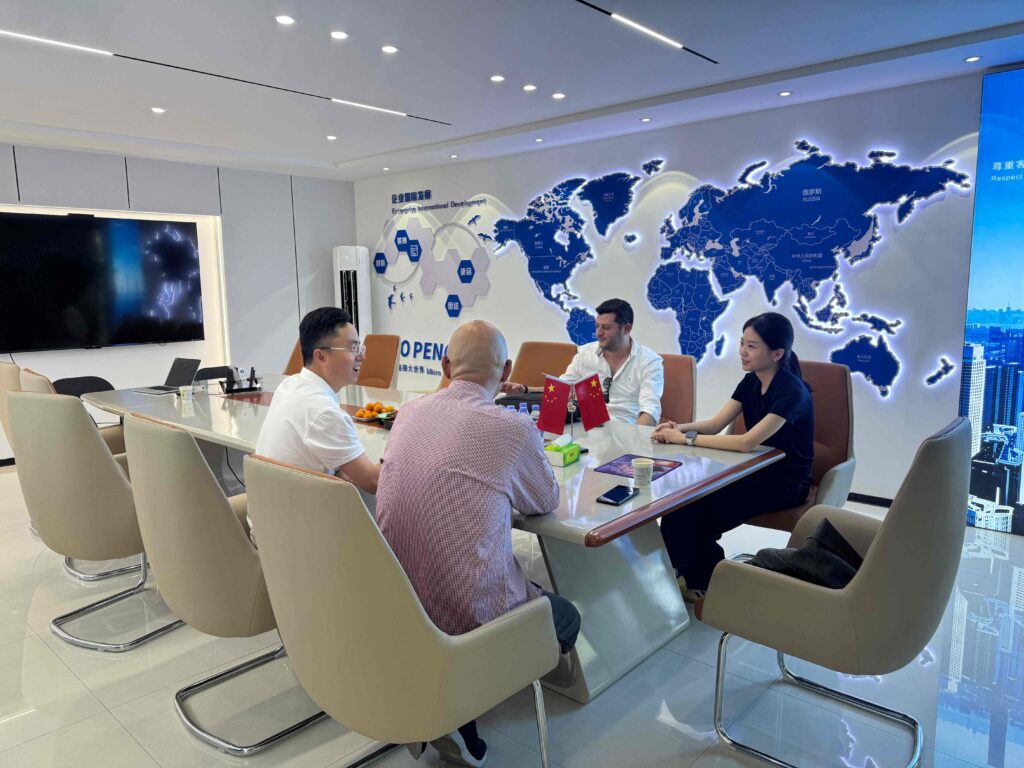
The invitation is the line the fair leaves behind, and the line is the line that moves the conversation from the hall to the floor. The buyer who stood at booth 14.3J1415 this October is the buyer the invitation goes to, and the invitation is not the invitation that says the factory is nice, the invitation is the invitation that names the audit, the place the part is cut, the tool that shapes it, and the check that runs before the carton is sealed. The fair is the three days the part is on the table, and the audit is the half day the part is on the line, and the difference is the difference the buyer comes for. The invitation carries the dates the buyer is in the area, the part the buyer is working on, and the stop the buyer wants to see, and the three are the three the audit is planned around, because the audit that is planned is the audit that runs the way the buyer reads it.
What the audit covers at a terminal factory
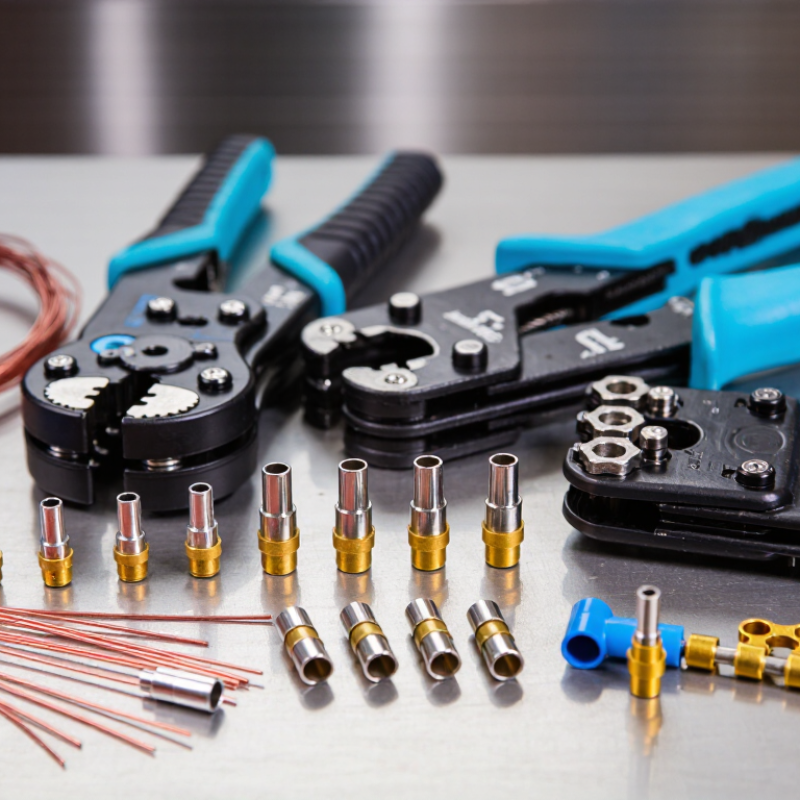
The audit runs the floor the way the part runs the process, and the stops are the stops the part is made on. The first stop is the incoming line, the line that checks the material before it is cut, the copper and the tin and the insulation the part is built from, and the stop is the stop that shows the material record the part is traced to. The second stop is the production, the line that crimps the part and sets the joint, the range that runs in the size, and the stop is the stop that shows the part being made the way the order will have it made. The third stop is the mold room, the room that holds the own molds the custom parts are cut on, and the stop is the stop that answers the custom question the fair conversation opened, the tool is the tool that is in the room and the cut is the cut that runs on it. The fourth stop is the check, the line that runs the part against the spec before the carton is sealed, the ISO9001 process the order runs under, and the records, the CE and the RoHS material lines, that the part carries to the order. The four stops are the four the audit covers, and the four are the four the trust is built on.
What the buyer brings to the audit
The audit runs better the more the buyer brings, and the three lines the buyer carries are the three the floor answers. The first line is the spec, the drawing or the part the buyer is working on, and the spec is the spec the production line runs against, because the line that runs the part the buyer is checking is the line the buyer reads as honest. The second line is the audit list, the checks the buyer’s side runs on a terminal supplier, the document the buyer brings from the home office, and the list is the list the walk answers stop by stop, because the walk that runs the list is the walk that finishes the list. The third line is the plan, the quantity the buyer is running and the window the order will land in, and the plan is the plan the audit reads into the capacity, because the floor that shows the part is the floor that also shows the room the part is made in. The three lines are the three the buyer brings, and the three are the three the audit runs on.
How the audit is arranged
The audit is arranged the way the order is arranged, on the written line instead of the spoken one. The request carries the dates the buyer is in the area, the stop the buyer wants to see, and the part the buyer is checking, and the request is the request the plan is built from. The plan comes back with the route for the day, the stops in the order the part runs them, the parts that will be on the line in the window, and the document set the check runs on, and the plan is the plan the audit runs on. The buyer who comes with the spec and the list is the buyer the audit runs for, and the buyer who leaves is the buyer the document set follows, because the stop that cannot be seen on the day is the stop the record shows. The fair ended on October 19, and the audit is the next step the fair conversation points to. Send us the dates and the part, and the route for the day is the route we plan.
Related reading on this site
- https://www.cngaopeng.com/news/from-raw-material-to-finished-product-the-quality-assurance-journey-of-a-gaopeng-terminal/
- https://www.cngaopeng.com/news/the-supplier-selection-guide-how-to-evaluate-and-choose-a-reliable-terminal-partner/
- https://www.cngaopeng.com/news/meet-gaopeng-at-the-140th-canton-fair-booth-14-3j1415/
We are Yueqing Gaopeng Electric, a terminal manufacturer in Yueqing since 2016, and the invitation this piece lays out is the invitation the 140th session left behind. To the buyers who met us at booth 14.3J1415, the floor is the floor the booth was standing in for, the four stops are the four stops the part runs on, and the route for the day is the route we plan when the dates come in.