



Current Status and Development Prospects of the Chinese Terminal Market
Part 1: Global Market Context and China's Position
Worldwide Market Scale and Growth Trajectory
The global Terminal Block market has demonstrated resilient growth in recent years, driven by industrial automation, renewable energy expansion, and infrastructure modernization. According to恒州诚思 (YHResearch), the global terminal block market was valued at approximately USD 30.56 billion in 2025 and is projected to reach USD 38.59 billion by 2032, registering a compound annual growth rate (CAGR) of 3.4% over the forecast period .
A parallel study by QYResearch focusing specifically on power distribution terminal blocks estimates the 2025 global market size at approximately USD 4.391 billion, with expectations to reach USD 6.438 billion by 2032, representing a stronger CAGR of 5.7% . This higher growth rate for power distribution applications reflects the accelerating demand from renewable energy integration and grid modernization initiatives worldwide.
Regional Market Distribution
The global terminal market exhibits distinct regional characteristics. Asia-Pacific has emerged as the dominant force, accounting for approximately 49% of global market share, followed by Europe at 26% and North America at 17% . This regional distribution underscores Asia's central role as both a manufacturing powerhouse and a rapidly growing consumer market for electrical equipment.
China's position within this landscape is particularly significant. The country is not only the world's largest terminal producer but also its largest single-country market. According to共研产业研究院 (Gonyn Research), China accounts for approximately 32% of the global connector market, which includes terminal blocks as a major product category .
Part 2: Current Status of China's Terminal Market
Market Size and Growth Dynamics
China's terminal block market has maintained steady expansion throughout the 2021-2025 period, supported by robust domestic demand and strong export performance. The broader Chinese connector market, which provides important context for terminal blocks, reached approximately USD 34.6 billion (approximately RMB 246.92 billion) in 2025, with year-on-year growth of 6.8% projected for 2026 .
Terminal blocks represent a significant segment within this market, serving critical applications in industrial control, power distribution, building automation, and transportation sectors. The market's growth has been fueled by:
-
Industrial Automation Expansion: China's "Intelligent Manufacturing 2025" initiative continues to drive investment in automated production lines, robotics, and smart factories, all of which require extensive terminal block deployments in control panels and field devices.
-
Renewable Energy Development: China's ambitious targets for solar and wind capacity expansion have created substantial demand for terminal blocks in combiner boxes, inverters, and energy storage systems. The country added record-breaking renewable capacity in 2024-2025, directly benefiting terminal manufacturers.
-
Infrastructure Modernization: Ongoing investments in rail transportation (high-speed rail, urban metro systems), data centers, and 5G infrastructure have generated sustained demand for reliable connectivity solutions.
Production Capacity and Geographic Concentration
China's terminal manufacturing industry exhibits significant geographic concentration, with key production clusters located in:
-
Yangtze River Delta (Zhejiang, Jiangsu, Shanghai): Home to numerous terminal block manufacturers, including industry leaders such as Chntek (正泰电器), Dinkle (町洋), and Kangnaite (康奈特) . Zhejiang province, particularly Yueqing city where Gaopeng Electric is based, has long been recognized as a center for electrical component manufacturing.
-
Pearl River Delta (Guangdong): Strong presence of connector and terminal manufacturers serving the electronics, telecommunications, and consumer goods industries.
-
Other Emerging Clusters: Regions including Zhejiang's Yueqing (as mentioned), Chengdu (home to Relay Electric), and Shanghai (with facilities for Weidmüller and Phoenix Contact's China operations) .
Chinese manufacturers have invested heavily in automated production lines, precision stamping and molding equipment, and quality control systems, significantly enhancing their ability to produce terminals that meet international standards (UL, IEC, VDE).
Product Mix and Technology Adoption
The Chinese terminal market encompasses a diverse range of product types, reflecting varied application requirements:
The market has witnessed a clear shift toward spring-clamp and push-in technologies, particularly in new industrial control panel designs, where labor savings and long-term reliability justify the slightly higher initial cost compared to traditional screw-clamp designs.
Part 3: Competitive Landscape
Global Players in the Chinese Market
The Chinese terminal market features intense competition between well-established multinational corporations and capable domestic manufacturers. Key international players with significant presence in China include :
-
Phoenix Contact (菲尼克斯电气): The German leader has deep roots in China, with extensive manufacturing and R&D operations in Nanjing and Shanghai. Known for innovation in spring-camp and push-in technology.
-
Weidmüller (魏德米勒): Another German powerhouse with strong presence in industrial connectivity, operating facilities in Shanghai and other locations.
-
WAGO (万可): Pioneer of spring-pressure connection technology; maintains manufacturing and sales operations in China.
-
ABB: Swiss-Swedish multinational with comprehensive terminal block portfolio and strong position in power and automation sectors.
-
TE Connectivity: Global connector giant with extensive terminal product lines and significant China operations.
These international players collectively hold a substantial share of the high-end market, particularly in applications requiring advanced technology, stringent certifications, and global supply chain integration. According to market research, the top three global players—Phoenix Contact, Weidmüller, and WAGO—account for approximately 39% of worldwide terminal block market share .
Leading Domestic Manufacturers
China has nurtured several capable domestic terminal manufacturers that compete effectively across market segments:
-
Chntek (正泰电器): One of China's largest electrical equipment manufacturers, offering comprehensive terminal block lines alongside its broader portfolio of low-voltage electrical products .
-
Dinkle (町洋): Taiwan-headquartered but with significant mainland operations; one of Asia's largest terminal block manufacturers with strong presence across China.
-
Kangnate Electronics (康奈特电子): Established domestic player with diverse terminal product offerings .
-
Leipu Electric (雷普电气): Chinese manufacturer serving industrial and automation markets .
-
Shanghai Guangqi Electric (上海广奇电气): Long-established domestic brand .
-
Yaohua Electric (耀华电气): Another significant domestic competitor .
-
Youbang Electric (友邦电气): Shanghai-based manufacturer with comprehensive terminal product lines .
-
Chengdu Relay Electric (成都瑞联电气): Major player in western China, serving industrial and power applications .
These domestic manufacturers have made significant strides in quality improvement, certification acquisition, and technology development. Many now offer products certified to UL, VDE, and other international standards, enabling them to compete effectively in export markets and with multinational customers operating in China.
Market Concentration and Competitive Dynamics
The Chinese terminal market exhibits moderate concentration, with the top players—both international and domestic—holding significant shares, but numerous smaller manufacturers also competing, particularly in price-sensitive segments. The market is characterized by :
-
Tier 1 (Premium Segment): Dominated by Phoenix Contact, Weidmüller, WAGO, ABB, and TE Connectivity. These players compete on technology, brand reputation, global support, and comprehensive product portfolios. They lead in innovation and set technology trends.
-
Tier 2 (Mid-Market): Includes leading domestic players like Chntek, Dinkle, and Kangnate, as well as some international mid-tier brands. These manufacturers offer good quality at competitive prices, serving a broad range of industrial and commercial applications.
-
Tier 3 (Value Segment): Numerous smaller domestic manufacturers competing primarily on price, serving less demanding applications or regional markets where certification requirements are less stringent.
The competitive landscape continues to evolve, with domestic players gradually moving upmarket by improving quality, obtaining international certifications, and developing more advanced products.
Part 4: Key Application Areas Driving Demand
Industrial Automation and Manufacturing
Industrial automation remains the largest and most dynamic application area for terminal blocks in China. As the world's factory floor undergoes digital transformation, demand for reliable connectivity solutions in control panels, PLC systems, motor control centers, and field devices continues to grow .
Key drivers in this segment include:
-
Factory automation upgrades under "Intelligent Manufacturing" initiatives
-
Expansion of semiconductor and electronics manufacturing capacity
-
Growth in robotics and automated guided vehicle (AGV) production
-
Increasing complexity of control systems requiring higher connection density
The electrical segment, which encompasses industrial control and power distribution, accounts for approximately 36% of global terminal block consumption , making it the single largest application area.
Power Distribution and Renewable Energy
China's massive investments in power infrastructure and renewable energy have created substantial demand for terminal blocks, particularly in:
-
Solar Photovoltaic Systems: Terminal blocks in combiner boxes, inverters, and monitoring systems. China's position as the world's largest solar market ensures sustained demand.
-
Wind Power: Onshore and offshore wind farms require robust terminal connections in turbine controls and grid interface equipment.
-
Energy Storage Systems: Rapidly growing battery storage market demands high-current terminal solutions.
-
Grid Modernization: Upgrades to distribution networks and smart grid deployments.
Building Automation and Smart Infrastructure
The construction sector, particularly commercial and public buildings, increasingly incorporates sophisticated electrical and automation systems. Terminal blocks serve critical functions in:
-
HVAC control panels
-
Lighting control systems
-
Fire alarm and life safety systems
-
Access control and security systems
-
Energy management and submetering
Railway and Transportation
China's world-leading high-speed rail network and expanding urban metro systems create ongoing demand for vibration-resistant, high-reliability terminal blocks. Railway transmission applications represent a significant niche within the terminal market .
New Energy Vehicles and Charging Infrastructure
The explosive growth of China's electric vehicle industry has created new demand for terminals in:
-
EV charging stations (AC and DC fast chargers)
-
Battery management systems (BMS)
-
On-board chargers and power distribution units
This segment is expected to be one of the fastest-growing application areas through 2032.
Part 5: Technology Trends and Innovation
The Shift Toward Spring-Clamp and Push-In Technology
The Chinese market is witnessing a clear technology transition from traditional screw-clamp terminals toward spring-clamp and push-in designs . This shift is driven by:
-
Labor Cost Savings: Spring-clamp and push-in terminals dramatically reduce wiring time, a critical advantage given rising labor costs in China.
-
Vibration Resistance: Spring technology maintains constant contact force, making it ideal for applications in transportation and moving equipment.
-
Maintenance-Free Operation: Unlike screw connections that may require periodic re-torquing, spring connections remain stable over decades.
-
Ease of Automation: Spring-clamp terminals are better suited for automated panel assembly and wire processing.
According to market research, while screw-type terminals currently hold the largest share (approximately 39%), spring-clamp and push-in types are growing at faster rates .
Miniaturization and Higher Density
As control panels become more compact and electronic devices more sophisticated, demand grows for smaller terminal blocks that maintain high current ratings and safety clearances. Manufacturers are developing increasingly compact designs with features like:
-
Multi-level terminal blocks for vertical space utilization
-
Integrated functions (fuse, disconnect, diode) to save panel space
Intelligence and Connectivity
The integration of smart features into terminal blocks represents an emerging trend:
-
Terminals with integrated electronics for signal conditioning
-
RFID tagging for automated documentation and traceability
-
Terminals designed for seamless integration with Industry 4.0 systems
Material Science Advancements
Innovation in materials continues to enhance terminal performance:
-
High-performance, halogen-free, flame-retardant plastics (PA66, PC)
-
Advanced plating technologies for corrosion resistance
-
High-conductivity copper alloys for improved current handling
Part 6: Development Prospects Through 2032
Market Size Projections
The Chinese terminal market is expected to maintain steady growth through 2032, supported by multiple favorable factors. The broader Chinese connector market, which serves as a proxy for terminal demand, is projected to grow at a CAGR of approximately 6-7% through the forecast period .
For terminal blocks specifically, growth rates may vary by segment:
-
Industrial automation terminals: 5-7% CAGR
-
Power distribution terminals: 6-8% CAGR (driven by renewables)
-
Railway and transportation terminals: 5-6% CAGR
-
Building automation terminals: 4-6% CAGR
Key Growth Drivers
-
Continued Industrial Automation Investment: China's manufacturing sector will continue upgrading to remain competitive globally, driving sustained demand for control panel components .
-
Renewable Energy Expansion: China's commitment to carbon neutrality by 2060 ensures continued massive investment in solar, wind, and energy storage, all requiring extensive terminal applications.
-
EV Infrastructure Development: The build-out of EV charging networks will create substantial demand for high-current terminal solutions.
-
Data Center Construction: Growth in cloud computing and AI drives demand for reliable power distribution in data centers.
-
Export Competitiveness: Chinese terminal manufacturers continue to gain share in global markets, supported by quality improvements and cost advantages.
Challenges and Constraints
-
Intensifying Competition: Both domestic and international players compete aggressively, putting pressure on margins .
-
Raw Material Price Volatility: Copper and plastic resin price fluctuations impact manufacturing costs.
-
Trade Policy Uncertainty: Potential tariff adjustments and trade disputes create market uncertainty .
-
Technology Gap: While narrowing, some technology gaps remain between leading domestic manufacturers and top-tier global players.
-
Skilled Labor Shortage: Finding qualified engineers and technicians for product development and quality control remains challenging.
The "15th Five-Year Plan" Impact
China's 15th Five-Year Plan (2026-2030) period will significantly influence terminal market development. Key policy directions with implications for the terminal industry include :
-
Emphasis on "new quality productive forces" and advanced manufacturing
-
Continued support for renewable energy and grid modernization
-
Promotion of intelligent manufacturing and industrial automation
-
Infrastructure investment, including transportation and data centers
-
Support for domestic substitution in critical components
Part 7: Strategic Recommendations for Industry Participants
For Domestic Manufacturers
-
Invest in Technology Development: Focus on spring-clamp, push-in, and specialized terminal technologies to move up the value chain.
-
Strengthen Certification Portfolio: Obtain comprehensive international certifications (UL, VDE, CSA) to access premium markets.
-
Enhance Quality Consistency: Implement rigorous quality control systems to build brand reputation.
-
Develop Application Expertise: Build deep knowledge in high-growth application areas (renewables, EV charging, rail) to offer solution-oriented products.
-
Embrace Digital Transformation: Invest in automated production and digital management systems to improve efficiency and traceability.
For International Companies Operating in China
-
Deepen Localization: Adapt products and strategies to meet specific Chinese market requirements and preferences.
-
Leverage China Innovation: Tap into China's fast-moving innovation ecosystem for product development.
-
Strengthen Supply Chain Resilience: Build robust local supply chains to mitigate global disruptions.
-
Target Premium Segments: Focus on applications where technology leadership and global certification provide competitive advantage.
For Buyers and Specifiers
-
Evaluate Total Cost of Ownership: Consider installation labor, reliability, and maintenance costs, not just initial purchase price.
-
Verify Certifications: Insist on products with valid UL, IEC, or other relevant certifications.
-
Assess Supplier Capabilities: Evaluate manufacturers' technical support, delivery reliability, and quality systems.
-
Consider Standardization: Reduce inventory complexity by standardizing on fewer terminal families where possible.
Part 8: Conclusion – A Market Poised for Continued Growth
The Chinese terminal block market stands at an exciting juncture, characterized by steady growth, technological evolution, and intensifying competition. As the world's largest market for these essential components, China will continue to shape global industry trends through its scale, innovation capacity, and manufacturing excellence.
Key takeaways for industry observers and participants include:
-
Market Size: China accounts for approximately one-third of global connector demand and serves as the world's largest terminal production base .
-
Growth Drivers: Industrial automation, renewable energy, EV infrastructure, and digital transformation will fuel continued market expansion through 2032.
-
Technology Trends: The market is shifting toward spring-clamp and push-in technologies, with increasing emphasis on miniaturization, intelligence, and reliability.
-
Competitive Landscape: Both international leaders and capable domestic manufacturers compete across segments, offering customers a wide range of choices from premium to value positions.
-
Future Outlook: With projected growth rates of 5-7% annually, the Chinese terminal market offers substantial opportunities for manufacturers, distributors, and technology providers who can meet evolving customer needs.
Gaopeng Electric's Position and Commitment
At Yueqing Gaopeng Electric Co., Ltd. , we are proud to be part of this dynamic and growing industry. Located in Yueqing, Zhejiang—the heart of China's electrical component manufacturing region—we combine decades of manufacturing expertise with a forward-looking approach to product development and quality management.
We serve customers across industrial automation, power distribution, renewable energy, and general wiring applications, providing:
-
Comprehensive terminal product lines (screw-clamp, spring-cage, push-in)
-
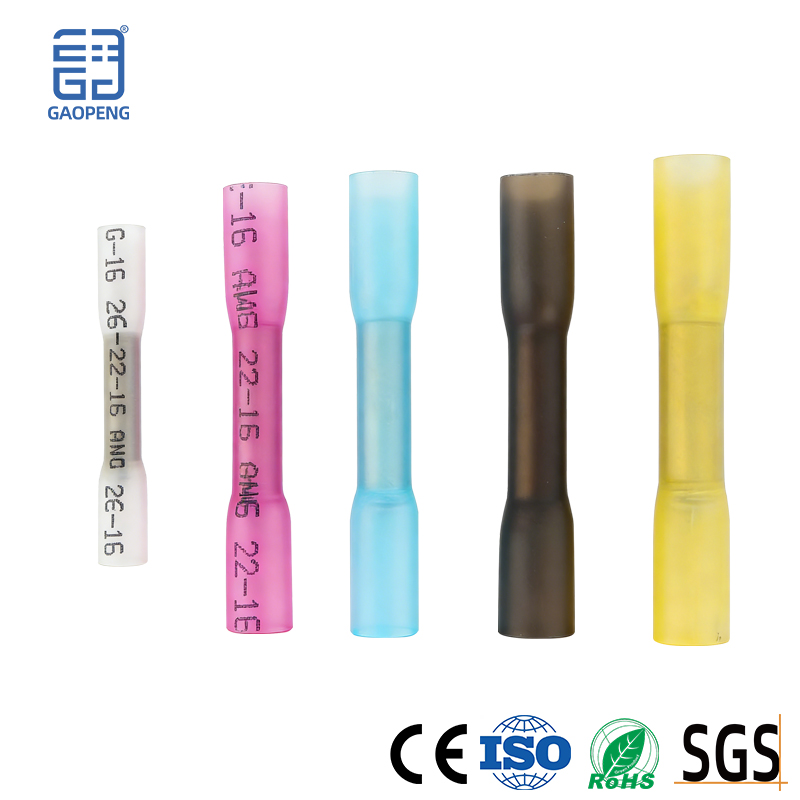
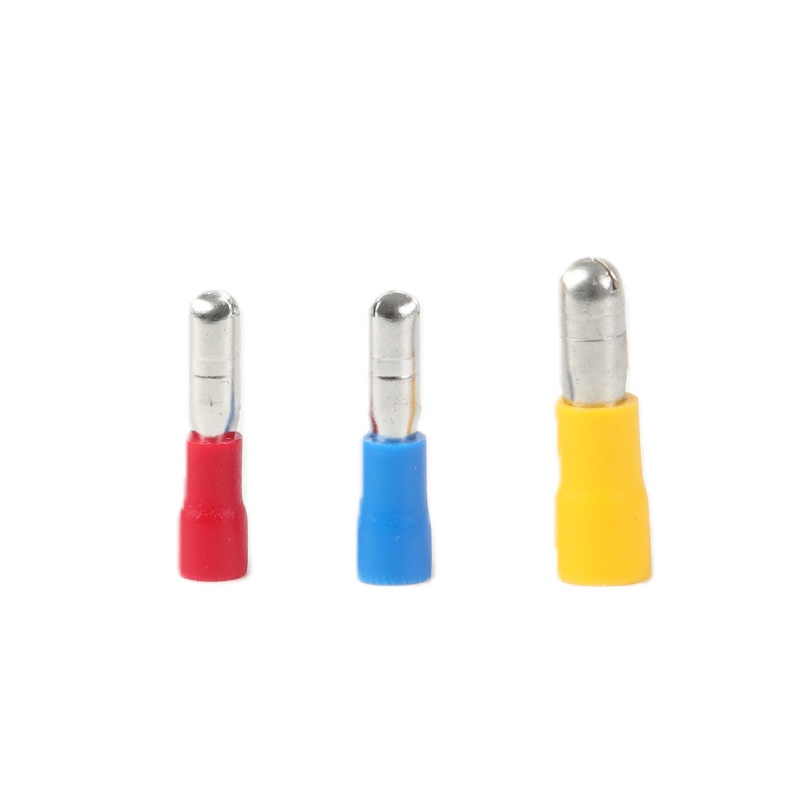
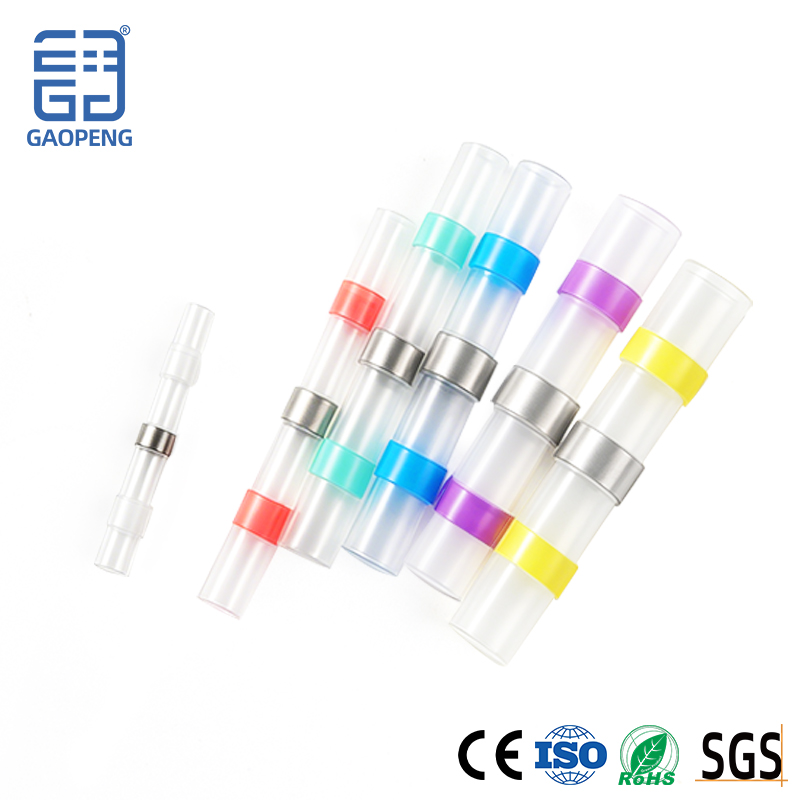
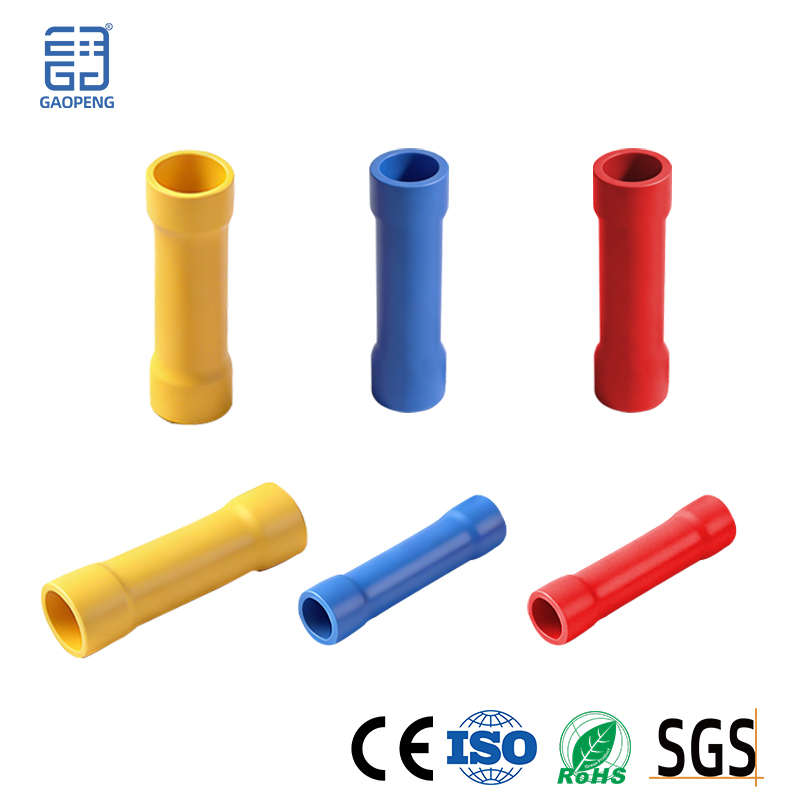
Insulated ferrules and Crimp Terminals
-
Customized solutions for specific application requirements
-
Products certified to international standards (UL, CE, RoHS)
As the Chinese terminal market continues its evolution toward higher quality, advanced technology, and greater global integration, Gaopeng Electric remains committed to being a trusted partner for customers worldwide. We believe that the future of electrical connectivity lies in reliable, innovative, and sustainable solutions—and we are dedicated to delivering exactly that.
Partner with Gaopeng for reliable connections in a connected world.
For more information about our products and capabilities, or to discuss how we can support your terminal block requirements, please contact our sales and engineering team.