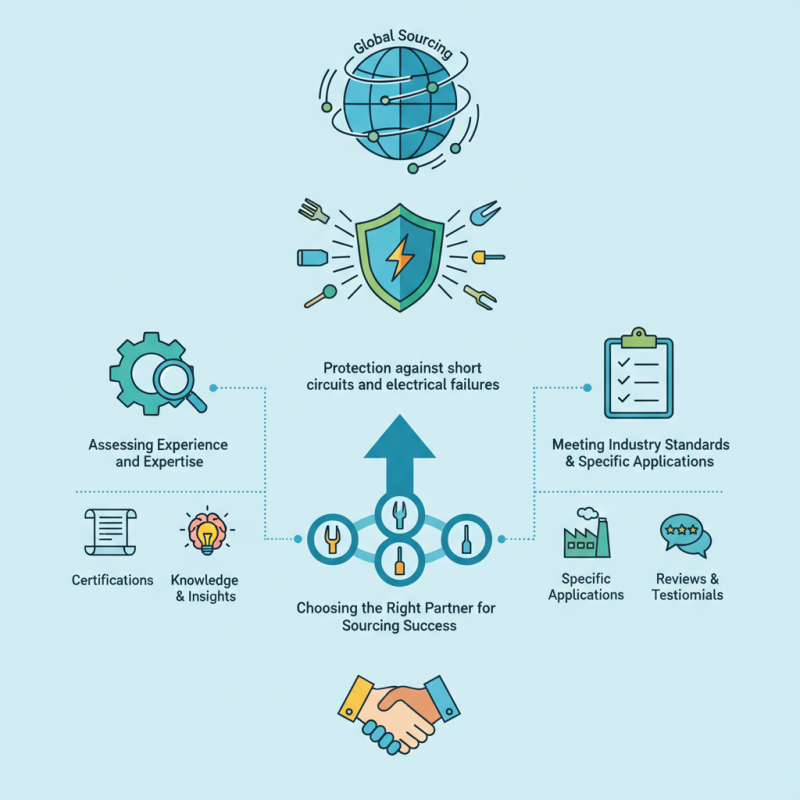
In today’s world of global sourcing, finding the right Insulated Terminalsis pretty important for a lot of businesses. The need for dependable components has never been more urgent. These Insulated Terminals are crucial because they protect against short circuits and electrical failures—things you definitely don’t want messing up your operations. Companies depend on them to keep things safe and running smoothly.
Now, here’s the thing—lots of suppliers say they’ve got high-quality insulated terminals, but not all of them actually deliver. It’s worth looking into their experience and know-how. A supplier with some years under their belt can give you better guidance on the best materials and designs. That kind of insight can help you make smarter choices and avoid headaches down the line. Oh, and don’t forget to check their certifications! Overlooking quality assurance can be a costly mistake.
Picking the right insulated terminals can feel pretty overwhelming. Are they up to industry standards? Will they actually work for your specific needs? Asking yourself these kinds of questions can really help clarify what to go for. Focus on vendors who understand your particular challenges—reviews and testimonials are also good for gauging who’s reliable. At the end of the day, choosing the right partner really makes a big difference in how successful your sourcing efforts turn out to be.
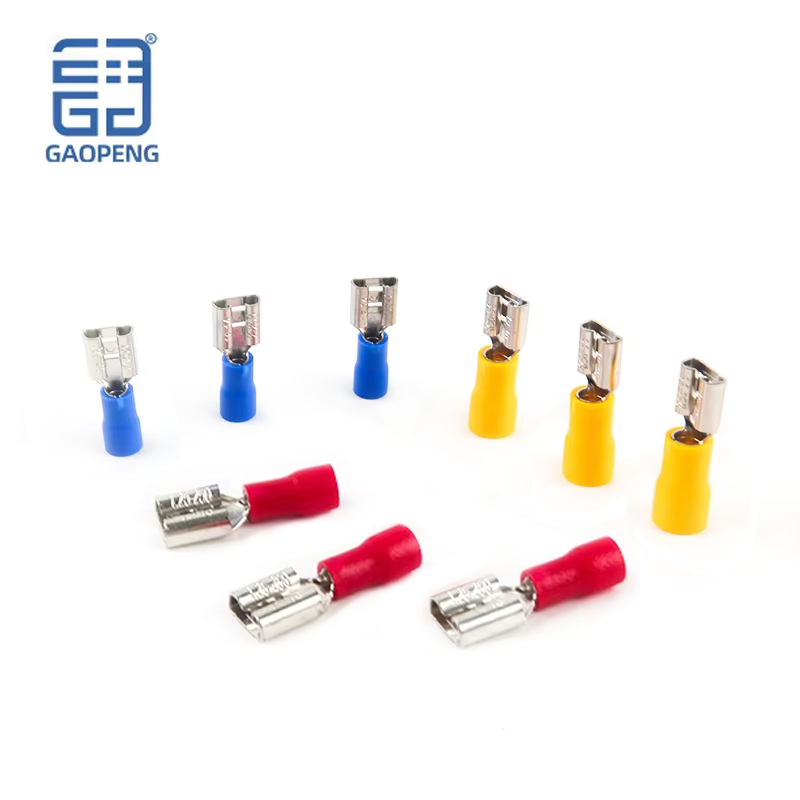
Insulated terminals are essential components in electrical connections. They enhance safety, prevent short circuits, and improve durability. Understanding their types and applications is crucial for effective sourcing. Insulated Pin Terminals are widely used for their reliability in various settings.
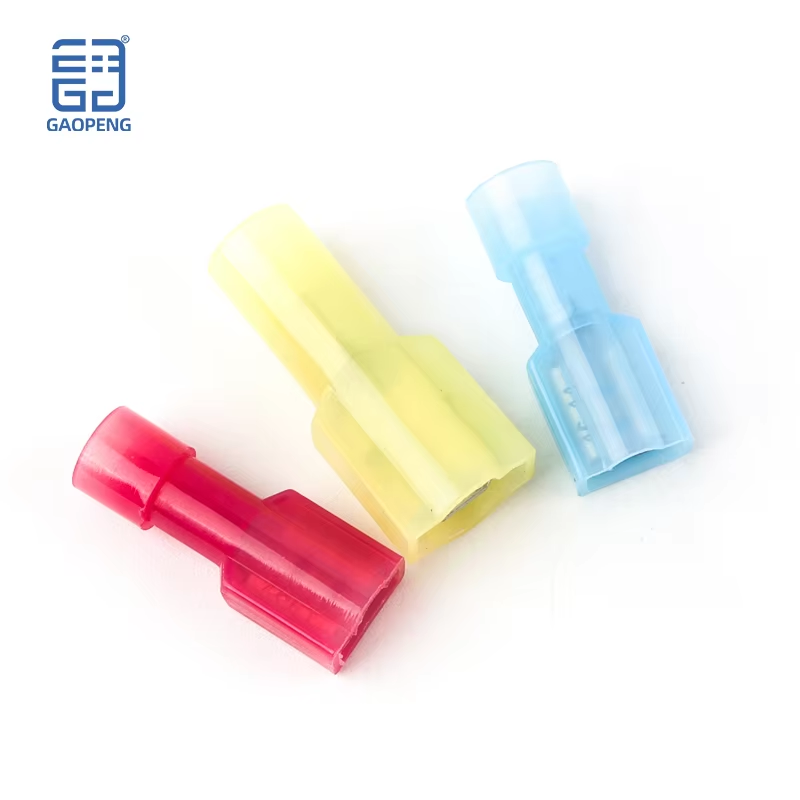
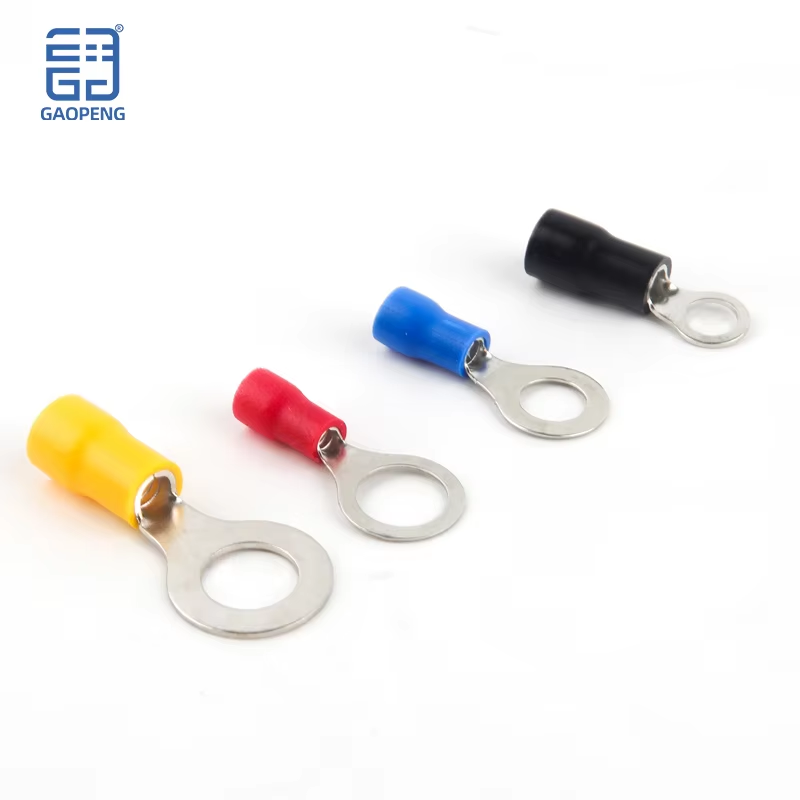
There are several types of insulated terminals. These include Crimp Terminals, spade terminals, and ring terminals. Crimp terminals allow for quick connections and are often color-coded for easy identification. Spade terminals offer flexibility in connections, while ring terminals provide stable electrical contacts. Each type serves unique applications based on wire sizes and environmental conditions.
Tips: Always prioritize quality over cost when choosing insulated terminals. Inspect terminals for signs of damage before use. Ensure that the terminal size matches the wire gauge to avoid connectivity issues. Remember, improper connections lead to operational failures, affecting overall performance. Testing your setups in controlled conditions can prevent unforeseen issues. Make adjustments as necessary.
When sourcing insulated terminals, understanding key features is crucial. These components help secure electrical connections while providing essential protection. Consider the insulation material used. Typically, options include PVC and nylon, each offering varying degrees of flexibility and heat resistance. A good terminal should resist wear and environmental factors, ensuring longevity.
Pay attention to size and compatibility. Mismatches can lead to poor connections or even failures. The gauge rating is essential too, as it indicates current capacity. Ensuring the right match can prevent overheating and enhance safety.
Not all terminals are created equal. Inconsistent quality can affect performance. It's important to assess sourcing options for reliability. Poor insulation can lead to failures down the line. Engage with suppliers who prioritize quality control. Evaluate their production standards and certifications. Inconsistent products can lead to project delays, adding to costs and frustrations.
Choosing high-quality insulated terminals can greatly impact your projects. These terminals offer superior protection against environmental factors. They prevent short circuits and corrosion that can arise from moisture or dirt. Reliable insulation minimizes the risk of electrical failures. This leads to safer and more efficient operations.
One risk of using lower-quality options is the possibility of failures. If insulation degrades over time, it can expose conductors. This may lead to accidents or equipment damage. Additionally, high-quality insulated terminals often come with better aging characteristics. They resist heat and wear, extending their usable life.
In contrast, consider the limitations of Non Insulated Ring Terminals. While cheaper initially, they provide no protection. This makes them less suitable for harsh environments. Failing to use insulated terminals may save money upfront but risks greater expenses later. Evaluating the long-term benefits is crucial for any sourcing decision.
Global sourcing strategies are essential in selecting the best Insulated Electrical Terminals. Quality and reliability are critical factors. According to industry reports, 40% of companies facing supply chain disruptions attribute these issues to sourcing challenges. This statistic underscores the need for a robust strategy.
When sourcing insulated electrical terminals, consider regions known for their manufacturing capabilities. Countries in Asia dominate the market, accounting for over 60% of global production. However, sourcing from multiple regions can mitigate risks. It’s vital to evaluate suppliers not just on price but on quality certifications and customer feedback.
Additionally, environmental compliance is becoming crucial. Recent data shows that 30% of sourcing decisions now weigh sustainability efforts significantly. Companies face pressure to ensure their products meet eco-friendly standards. This creates a need for ongoing assessment of both current suppliers and potential new ones. Relying solely on past purchasing patterns may not yield the best results in today’s volatile market landscapes.
Flexibility and continuous review in sourcing strategies for insulated electrical terminals are therefore essential for long-term success. Keeping abreast of market trends can foster better decisions. Always remain adaptable to changes in the global supply chain.
When sourcing insulated terminals, understanding global manufacturing trends is essential. The demand for High-Quality Insulated Electrical Terminals is increasing. According to a recent industry report from the International Electrotechnical Commission, the insulated terminals market is projected to grow at a compound annual growth rate (CAGR) of 6.5% through 2026. This growth can be attributed to rising safety standards in electrical wiring.
Top manufacturers play a crucial role in this expansion. They focus on providing products that meet stringent international quality standards. Countries like Germany and the USA lead in production capabilities. European manufacturers are noted for innovation and quality assurance processes. In contrast, emerging markets in Asia are enhancing their manufacturing techniques, making them strong competitors.
However, sourcing insulated terminals comes with challenges. Not all manufacturers adhere to the same quality metrics. Quality control varies significantly, impacting product reliability. Suppliers often struggle with maintaining consistency across their product lines. Thus, it is critical for buyers to conduct thorough assessments. They should ensure manufacturers can provide reliable, high-quality products that meet specific needs.
| Type of Insulated Terminal | Material | Temperature Rating (°C) | Wire Gauge Range | Country of Origin |
|---|---|---|---|---|
| Butt Connector | Copper | 105 | 22-10 | USA |
| Ring Terminal | Copper | 125 | 18-8 | Germany |
| Spade Terminal | Brass | 105 | 20-10 | China |
| Female Disconnect | Copper | 125 | 22-12 | Japan |
| Pigtail Terminal | Aluminum | 105 | 10-6 | India |
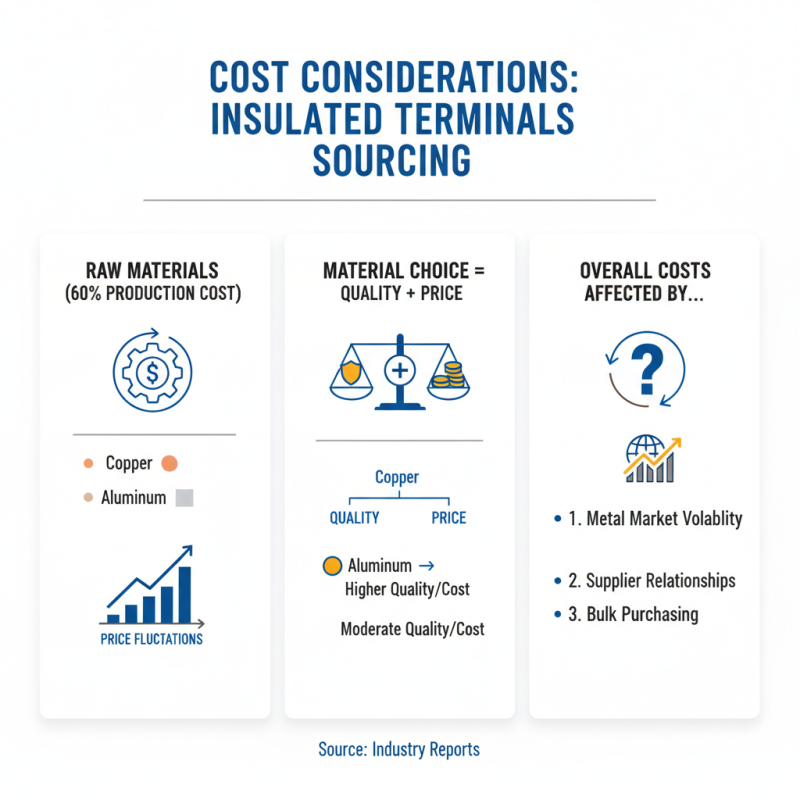
When sourcing insulated terminals, cost considerations are paramount. Reports indicate that raw materials account for approximately 60% of production costs. The choice of materials impacts both quality and pricing. Copper and aluminum are the most common materials used in these terminals. However, fluctuations in metal prices can significantly alter the overall costs.
Manufacturers often face challenges in balancing quality and price. While opting for cheaper materials may reduce upfront costs, it can lead to increased failure rates. A study published by the International Electrical and Electronics Engineers suggests that inferior insulated terminals can fail in 15% of applications. This statistic underscores the long-term implications of initial cost savings.
Shipping logistics also contribute to overall expenses. Import tariffs and transportation costs vary by region. For instance, terminals sourced from countries with high import duties may lead to unexpected price increases. Understanding local market conditions is essential. It ensures that sourcing decisions align with budgetary requirements without compromising on quality. Balancing these factors requires ongoing evaluation and strategic planning.
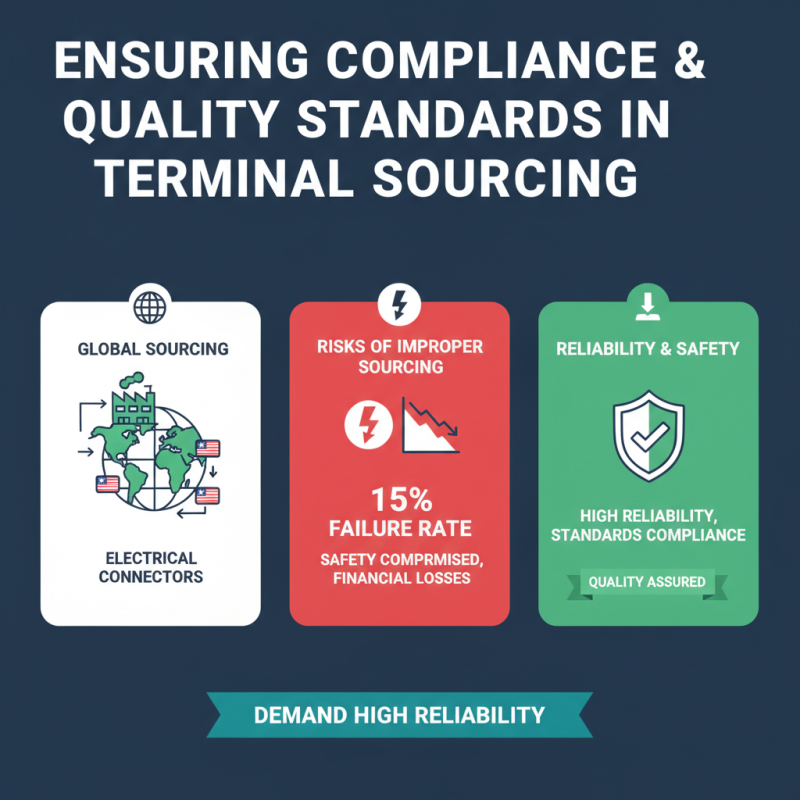
When sourcing insulated terminals globally, compliance and quality standards are paramount. Industries that utilize electrical connectors demand high reliability. According to a recent industry report, improper sourcing can lead to failure rates as high as 15%. This can compromise safety and lead to significant financial losses.
Ensuring compliance begins with understanding international safety standards. Many regions have specific guidelines outlining the testing and certifications required for insulated terminals. For example, the IEC 61210 standard focuses on quality assurance for connectors. Non-compliance could result in severe penalties and reputational damage.
Evaluating suppliers on their ability to meet these standards is essential. Many companies find it challenging to verify the authenticity of certifications. In a recent survey, 42% of procurement officers reported difficulties in assessing supplier compliance. Inspecting production facilities and conducting audits may help mitigate this risk. It is crucial to establish a robust evaluation process. Consider the implications of inadequate sourcing decisions. Quality should never be compromised for cost.
: They are methods to select the best insulated terminals based on quality and reliability.
About 40% struggle due to sourcing challenges. This highlights the need for a strong sourcing strategy.
Asian countries account for over 60% of global production. Multiple sourcing regions can help mitigate risks.
Evaluate quality certifications and customer feedback, not just price. Quality is crucial for reliable products.
It is becoming vital. Around 30% of sourcing decisions now consider sustainability efforts significantly.
No, that approach may not yield the best results today. The market landscape is volatile; continuous assessment is needed.
Flexibility and a continuous review process are essential for long-term success in sourcing strategies.
The market is projected to grow at a CAGR of 6.5% through 2026 due to rising safety standards.
Quality control varies among manufacturers, impacting product reliability. Consistency across product lines is often lacking.
Conduct thorough assessments of manufacturers to ensure they can deliver reliable, high-quality products.
Insulated terminals play a crucial role in electrical connections, providing both safety and reliability across various applications. Understanding the different types of insulated terminals and their specific uses is essential for effective sourcing. When looking for insulated terminals, key features such as durability, resistance to environmental factors, and ease of installation should be prioritized. High-quality insulated terminals offer numerous benefits, including enhanced electrical performance and reduced risk of short circuits.
For global sourcing, it is important to develop strategies that consider the reputation of manufacturers and their compliance with international quality standards. This also involves evaluating cost considerations thoroughly to ensure that sourcing decisions align with budgetary constraints while maintaining high quality. Ultimately, selecting the right insulated terminals is vital for achieving optimal performance in any electrical project.