You know, the whole world is really ramping up its demand for high-quality Insulated Terminals these days. With so many industries putting safety and reliability front and center for their electrical connections, it’s no surprise. Recent market research shows that the insulated terminals market is projected to grow quite a bit, thanks to all the new construction projects and the booming automotive and electronics sectors. One company really making waves in this field is Yueqing Gaopeng Electric Co., Ltd., which kicked off in 2016 over in Wenzhou, Zhejiang Province. They’ve got an amazing production capacity – we’re talking billions of units every year! Gaopeng focuses on designing, developing, and producing a whole range of terminals and connectors that meet international certification standards. And hey, as companies tackle the often tricky world of import and export certifications, it’s super important to get a grip on the best practices for sourcing insulated terminals. That way, they can stay compliant and ensure top-notch quality in their electrical applications.
Types of Insulated Terminals: Understanding Their Unique Features and Applications
Alright, let’s talk about insulated terminals! If you're diving into the world of wiring, getting a good grip on their different features and uses is super important—especially if you want to make smart buying choices. So, these terminals come in all sorts of varieties, like butt connectors, Ring Terminals, and spade terminals. Each one serves a specific purpose, making sure your connections are both safe and functional. For example, if you're looking to splice wires together, butt connectors are your go-to. And if you need a solid connection to a stud or screw, those ring terminals are extremely reliable, particularly in automotive and industrial setups.
**Quick tip:** Don’t forget to think about the wire gauge and where you’ll be using the terminals—this stuff really helps ensure the connections work great and last a long time!
Another key point to keep in mind is the type of insulation material used. You'll often see PVC and heat-shrink options out there, and while they both have their merits, they’re suited for different situations. For instance, heat-shrink terminals create a watertight seal, making them a fantastic choice for outdoor settings or places with a lot of moisture. Knowing these little details can seriously make a difference in picking the right terminal for your project.
**Another tip:** Always check that they’re compatible with your current wiring and tools, so you can make the installation process go as smoothly as possible!
Key Industry Standards for Certification: Ensuring Quality and Safety in Import Export
Hey there! So, when it comes to the world of import and export, getting a grip on the key industry standards for certification is super important—especially if you want to make sure your insulated terminals are safe and top-notch. Certifications like ISO 9001, IEC 60947-7, and RoHS compliance are more than just fancy letters; they really help build trust and align with international specs. There's this recent report from the International Electrotechnical Commission that points out that products following these standards have about a 30% lower failure rate. That just shows how crucial solid quality checks are in our field.
Now, if you're diving into the certification process, here are a few friendly tips: First off, dig into the specific certifications you need based on where you’re trading. It really pays to chat with industry pros or certification bodies—they can give you the lowdown on the latest compliance stuff. Also, it’s a good idea to have a quality management system that’s in line with international standards. Doing this makes the whole certification thing way easier. Plus, keeping up with industry benchmarks not only boosts your product's reliability but also builds client confidence in how dependable your insulated terminals are in the long run.
And don’t forget—documentation is your best friend here! Make sure all your testing reports and certification docs are neat and easy to find. This makes audits a breeze and helps you tackle any compliance hiccups that pop up during inspections. By putting these standards and practices first, you're setting your company up for a solid reputation in the marketplace.
Navigating Import Export Certifications for Best Insulated Terminals Buying Guide
| Certification Standard | Description | Importance | Region | Compliance Cost |
| UL Certification | Indicates the product has been tested for safety hazards. | Essential for markets requiring safety assurance. | North America | $1,000 - $5,000 |
| CE Marking | Shows compliance with EU safety, health, and environmental protection standards. | Mandatory for products sold in the European Economic Area. | European Union | $2,000 - $10,000 |
| RoHS Compliance | Restricts the use of hazardous substances in electrical and electronic equipment. | Important for environmental sustainability. | Worldwide | $1,500 - $6,000 |
| ISO 9001 | Quality management system standard that demonstrates the ability to consistently provide products that meet customer and regulatory requirements. | Improves customer satisfaction and operational efficiency. | Global | $3,000 - $15,000 |
| IPC/WHMA-A-620 | Standard for the crimped electrical connections. | Ensures durability and reliability in electrical connections. | North America, Asia | $500 - $3,000 |
Material Matters: Choosing the Right Insulated Terminal Based on Conductivity and Durability
So, when you're picking out insulated terminals, the material you go for really matters if you want to maximize conductivity and durability. A market analysis from Research and Markets points out that copper is still the go-to choice for terminal manufacturing. Why? Well, it shines in the conductivity department—it's got about 97% efficiency at 20 degrees Celsius! This means way less energy gets lost, which is a win for the performance of your electrical connections.
On top of that, the type of insulation used plays a big role in how long these terminals hold up. A lot of folks lean towards PVC (Polyvinyl Chloride) because it’s pretty sturdy and doesn't corrode easily, making it a solid pick for all sorts of jobs. According to a study from the International Electrotechnical Commission, if you go with high-quality PVC, these terminals can handle temperatures up to 105 degrees Celsius without any issues, so they're built to last in tough conditions. That said, you might also consider rubber or thermoplastic elastomers. They’ve got some cool flexibility and can take quite a beating with heat, but fair warning—they might cost you a bit more for that extra durability and performance. Getting to know these material quirks is super important if you want to make smart buying choices that really affect how long your electrical systems last and how well they work.
Inspection Protocols: Navigating Compliance for Insulated Terminals in Global Markets
You know, as global markets keep growing, it's really important to get a handle on compliance when it comes to insulated terminals. Understanding the inspection protocols isn't just a nice-to-have; it’s crucial! Recently, there’s been some buzz about how key it is to ensure product compatibility, especially with the latest thermal testing for single-use systems and aseptic connectors. This stuff is super important for storing and shipping frozen drug materials. Those thorough testing processes are a big deal because they help reduce the risks tied to freeze-thaw cycles, which is all about keeping the integrity of those sensitive cargo shipments intact.
And hey, did you hear about the automotive garage equipment market? It’s expected to really blow up! We're talking about a jump from $31.8 billion in 2025 all the way to $75.3 billion by 2035. That just goes to show how essential compliant insulated terminals are in automotive uses. With an impressive annual growth rate of 9.0%, there’s a growing demand for high-quality components. It really highlights why sticking to strict inspection protocols is a must. Plus, don’t forget about reefer services—they are key in this whole thing. They really underscore the importance of having reliable cold chain solutions to keep insulated terminals running smoothly across different industries.
Market Trends: The Growing Demand for Eco-Friendly Insulated Terminal Solutions
You know, the electrical industry is really going through a big change these days, especially when it comes to eco-friendly insulated terminal solutions. It's amazing to see how more and more folks are becoming aware of environmental issues, and regulations are pushing companies to adapt, too. A report from MarketsandMarkets hints that the global insulated terminal market could hit around $9.4 billion by 2025, growing at a decent clip of 6.3% annually. This uptick is largely because people are looking for sustainable and energy-efficient components across all kinds of industries, like renewable energy, automotive stuff, and construction. Manufacturers are really stepping up to the plate by focusing on greener products—like insulated terminals made from recyclable materials, which is totally in line with the worldwide push for sustainability.
But it’s not just about being nice to the planet; these eco-friendly insulated terminals are also about meeting tough regulatory demands. Take the EU's RoHS directive, for example; it restricts hazardous substances in electrical gear, which has nudged manufacturers to get creative and switch to safer materials. Plus, a study by Allied Market Research found that 67% of consumers are more likely to pick products from companies that care about sustainability. That’s a pretty big deal! This whole trend is shaking up the market and encouraging brands to really feature their eco-friendly insulated terminal solutions. As the industry keeps evolving, it’s super important for everyone involved to figure out the tricky certification maze so they can make the most of this rising demand for sustainable electrical components.
Navigating Import Export Certifications for Best Insulated Terminals
As illustrated in the chart, the global demand for eco-friendly insulated terminals has been on a steady rise from 2020 to 2023, reflecting the increasing preference for sustainable solutions in the industry.
Cost Analysis: Budgeting for High-Quality Insulated Terminals in Exporting and Importing
Alright, let’s dive into the world of insulated terminals, shall we? When it comes to importing and exporting these little guys, you really can’t overlook the costs involved. It’s not just about buying high-quality materials upfront; you’ve also got to navigate through this tangled web of tariffs and regulations that can seriously affect your bottom line. For instance, there’s been some chatter lately about the U.S. tariffs that are set to roll out in 2025, and how they might mess with the pricing of different components, insulated terminals included. So, for anyone in the import-export game, keeping an eye on these potential costs is really important, all while making sure you don’t skimp on quality—otherwise, you risk throwing your operational efficiency out the window.
On top of that, as we all know, sustainability is becoming a big deal. It’s not just a trend anymore; it’s a must! Companies have to juggle not only those pesky tariffs but also think about where they’re sourcing materials. With new environmental regulations popping up—like those from the UK’s Seventh Carbon Budget—there’s yet another layer of complexity to unpack. Finding the right balance is key here, especially if you want to stay ahead in the insulated terminals market without letting quality or environmental standards slip.
Maximizing Efficiency with PVC Pre Insulated Female Connectors: A Comprehensive Guide for Modern Applications
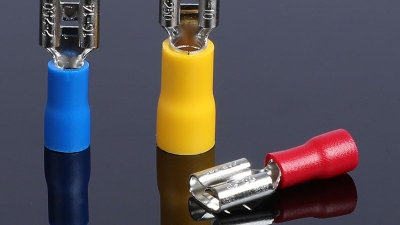
In today's fast-paced world, maximizing efficiency in various applications is crucial, and one innovative solution stands out: PVC pre-insulated female connectors. These connectors are designed to provide reliable and efficient electrical connections while enhancing safety and performance. The materials and features of these connectors, such as those offered by Gaopeng, highlight their practicality and significance in modern design.
Gaopeng's FDD model exemplifies the best of quality and functionality with its robust brass material, which ensures durability and robustness under various operational conditions. The PVC insulation adds an extra layer of safety, protecting against short circuits and environmental factors. With their female terminal and quick disconnect capabilities, these connectors allow for easy installation and maintenance, making them ideal for applications ranging from industrial machinery to residential wiring. Their design simplifies the connection process, thus reducing downtime and increasing operational efficiency.
Furthermore, these connectors' compatibility with different systems positions them as essential components in enhancing productivity. Whether you are working in the automotive industry, construction, or DIY projects, incorporating PVC pre-insulated female connectors into your toolbox can significantly streamline your work processes and improve overall results. The Gaopeng FDD model not only meets industry standards but also offers an effective solution for anyone looking to invest in reliable and efficient electrical connectivity options.
FAQS
: The most commonly used material for insulated terminals is copper due to its superior electrical conductivity, which is about 97% at 20 degrees Celsius. PVC (Polyvinyl Chloride) is often used for insulation because of its excellent mechanical properties and resistance to corrosion.
Copper is favored for its superior electrical conductivity, which reduces energy losses and enhances the overall performance of electrical connections.
High-quality PVC-insulated terminals can withstand temperatures up to 105 degrees Celsius without degradation.
Rubber and thermoplastic elastomers offer excellent flexibility and temperature resistance, making them suitable for demanding environments, though they may be more expensive due to their enhanced durability and performance.
Compliance is crucial to ensure product compatibility and safety, particularly in global markets, where rigorous testing protocols are necessary to protect sensitive cargo, such as frozen drug materials.
The automotive garage equipment market is expected to grow significantly, driven by an increasing demand for compliant insulated terminals and a CAGR of 9.0%, highlighting the necessity for high-quality components.
Freeze-thaw cycles can pose risks to the integrity of sensitive cargo, making rigorous thermal testing processes essential for ensuring the reliability of insulated terminals in such conditions.
Reefer services are vital for maintaining reliable cold chain solutions, ensuring optimal operational standards for insulated terminals across various industries, particularly in the context of preserving sensitive materials.
The choice of insulation material directly impacts the durability of insulated terminals, with materials like PVC providing excellent mechanical properties and corrosion resistance, while others may offer flexibility and higher performance at a premium cost.
When purchasing insulated terminals, it's essential to understand the conductive and insulation materials used, their temperature resistance, and compliance with inspection protocols to ensure longevity and efficacy in electrical systems.