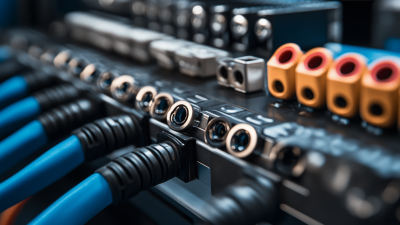
You know, in today's fast-changing electrical industry, picking the right Insulated Terminals is super important if you want your projects to be reliable and efficient. Latest reports are saying the global market for insulated terminals could hit around $5 billion by 2025. That’s a big deal, mainly because there’s a growing need for these in sectors like automotive, telecommunications, and renewable energy. So, as people navigate this competitive scene, understanding how to choose the best insulated terminals is really key. Take Yueqing Gaopeng Electric Co., Ltd. for instance. Founded back in 2016 and based in Wenzhou City, Zhejiang Province, they focus on designing, developing, and producing top-notch terminals and connectors. They’ve got a pretty impressive production capacity that caters to clients across Asia, Europe, America, and Africa. Our goal? To share some insider tips and give you a solid checklist to help you consider the must-haves when picking insulated terminals. That way, you can be sure your projects meet the highest standards for safety and performance.
Key Factors to Consider When Selecting Insulated Terminals for Your Projects
So, when you're picking insulated terminals for your projects, there are a few important things you really need to keep in mind. They can have a big impact on how well your electrical connections work and, let’s face it, on safety too. First off, the insulation material you choose is super important. Different situations might need different levels of heat resistance, humidity protection, or even how well they hold up against chemicals. It’s really essential to know what kind of environment your terminals are going to be in if you want them to last and perform reliably.
And don't forget about size and how well the terminals fit with your existing wiring. You want a snug fit! Those loose connections can lead to some pretty annoying failures, and nobody wants that. If your project needs to maintain high electrical conductivity, go for terminals specifically made for that. They’ll help boost performance and cut down on energy losses, which is always a win.
By the way, at Yueqing Gaopeng Electric Co., Ltd., we've got this down to a science. We design and produce a wide variety of terminals and connectors, so our clients get top-notch products that fit their needs perfectly. With tons of experience and a production capacity in the billions, we're here to back up different industries throughout Asia, Europe, America, and Africa with solid insulated terminal solutions. It's what we do best!
Understanding Different Types of Insulated Terminals and Their Applications
Alright, let’s talk about electrical projects for a sec. Picking the right insulated terminals is super important if you want to keep things safe and running smoothly. There are all sorts of insulated terminals out there, each one geared for different jobs.
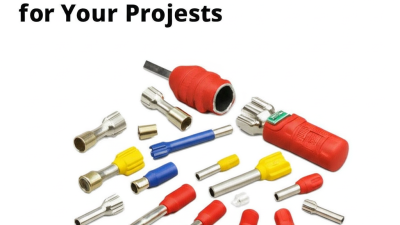
For example, you’ve got Ring Terminals, which are awesome for locking down connections to screws and bolts. They really help with making sure that electrical contact is solid—hopefully, no accidental disconnections, right? You’ll often see them in places like cars and factories where durability really counts.
Then there are spade terminals, which honestly make connecting and disconnecting stuff a breeze. You find these mainly in things like appliances and gadgets, where you might need to do some maintenance or repairs later on.
And of course, don’t forget about butt connectors. These guys are key for joining two wires end-to-end, and you’ll definitely see them in telecommunications and any electrical wiring jobs. So, understanding the different kinds of insulated terminals and where to use them can really boost how effective your projects are, giving you a nice, sturdy, and safe electrical setup.
How to Identify the Right Size and Gauge for Your Insulated Terminals
Hey there! So, when you’re picking out insulated terminals for your projects, getting the right size and gauge is super important if you want everything to run smoothly. You’ve gotta make sure the terminal size matches the wire gauge it’s going to connect to. Like, if you use a terminal that's too small, it could mess up the connections and even cause overheating. On the flip side, using one that’s too big can lead to loose connections, which is a recipe for electrical failures.
Tip 1: Always keep a wire gauge chart handy when figuring out the terminal size. It’s a lifesaver for matching the terminal to the wire diameter just right, so you get that snug fit. Also, don't forget to look at the manufacturer’s specs — they often have some helpful recommendations for which terminal sizes to use with different wire gauges.
Tip 2: Think about where you’ll be using these terminals. If they’re going into places with a lot of vibrations or high temperatures, you need to pick ones that don’t just fit the wire gauge but are also tough enough to handle those conditions. Heat-shrink connectors can be super helpful here for extra protection.
Tip 3: And please, don’t skip on the crimping tool! Using a well-calibrated tool is key for making good connections. If your tool is subpar, it can mess up the crimping and that could affect how long your insulated terminals last and how well they perform. Having the right tools really can make a big difference in the durability of your connections.
The Role of Material and Build Quality in Insulated Terminal Performance
Hey there! If you’re diving into the world of insulated terminals for your projects, you gotta know that the materials and build quality really matter for getting the best performance. These terminals come in all sorts of varieties, and the materials they’re made from directly affect how durable they are and how well they hold up against environmental challenges. Generally speaking, higher quality materials like nylon or PVC do a fantastic job of providing insulation and solid mechanical properties, which means you can count on them for reliable connections.
So, let me give you a quick tip: always take a peek at the temperature rating of the insulation material. This ensures that the terminals can handle the heat (literally) of your project’s operating conditions. You’ll want those top-notch materials that can take the heat without melting or falling apart over time.
Now, let’s chat about build quality for a sec. This refers to how well the terminal is put together, and trust me, it’s super important for maintaining good connectivity and longevity. Terminals that are constructed solidly are way better at keeping their shape during installation and use, which helps reduce the chances of connection failures.
And here’s another tip: look for terminals that come with proper strain relief. A well-designed terminal should grip the wire tight, giving you a stable connection while also protecting against damage from bending or pulling. Paying attention to these details can really boost the reliability of your whole system!
Tips for Ensuring Proper Installation of Insulated Terminals in Your Projects
When installing insulated terminals, proper installation is crucial for ensuring optimal performance and safety in your electrical projects. Start by selecting the right tools for the job, such as wire strippers and crimping tools specifically designed for the gauge of wire you are using. Incorrectly stripped wires can lead to weak connections, while improper crimping techniques might cause the terminal to fail under load. Always follow the manufacturer's specifications for stripping length and crimping force to achieve a secure fit.
Additionally, consider the environmental factors surrounding your project. Insulated terminals are designed to provide protection against moisture and corrosion; however, ensuring that the insulation is intact during installation is equally vital. Avoid exposing the terminals to extreme temperatures or contaminants that could compromise their integrity. Using heat-shrink tubing or applying insulating sealants can provide an extra layer of protection, especially in outdoor or harsh environments. By paying attention to these details during installation, you can significantly enhance the reliability and lifespan of your connections.
Common Mistakes to Avoid When Choosing Insulated Terminals for Your Needs
Hey there! So, when you're picking out insulated terminals for your projects, it’s super important to dodge some of the common pitfalls that can mess things up down the line. One biggie is not paying attention to the wire gauge. It’s like trying to fit a square peg in a round hole—using a terminal that's not right for your wire size can totally lead to weak connections or worse, failures. Always take a moment to double-check the specs on both the wire and the terminal to make sure they play nice together.
And here’s another thing: don’t just ignore the environment where your project will be hanging out. If it's going to be outside or in a place with high humidity, you're gonna want terminals that have the right insulation and can resist corrosion. Trust me, choosing the wrong terminals can lead to annoying short circuits or even complete failures over time. So, think about where you’re using them and pick terminals that can handle those conditions.
Finally, quality matters! Seriously, going for reputable brands can save you a ton of headaches from those low-quality terminals that decide to call it quits too soon. Check for some relevant certifications and don’t skip looking at user reviews to see what others are saying about reliability! Keeping these points in mind will totally help you make smart choices that boost the life and performance of your electrical connections.