Leave Your Message
 When you're looking to make reliable electrical connections, picking the right Insulated Terminal Connectors is super important. Honestly, with all the options out there these days, it can feel pretty overwhelming for both the pros and DIYers. Here at Yueqing Gaopeng Electric Co., Ltd., which kicked off in 2016 in the lively city of Wenzhou, Zhejiang Province, we’re all about designing, developing, and producing some really high-quality terminals and connectors. And get this: we churn out billions of units every year! Our products are trusted and shipped all over Asia, Europe, America, and Africa. So, whether you’re a seasoned expert or just starting out, this checklist we put together will help you consider all the important factors when choosing Insulated Terminal Connectors, making sure your projects run smoothly and safely. Let’s dive into this journey of better connectivity together!
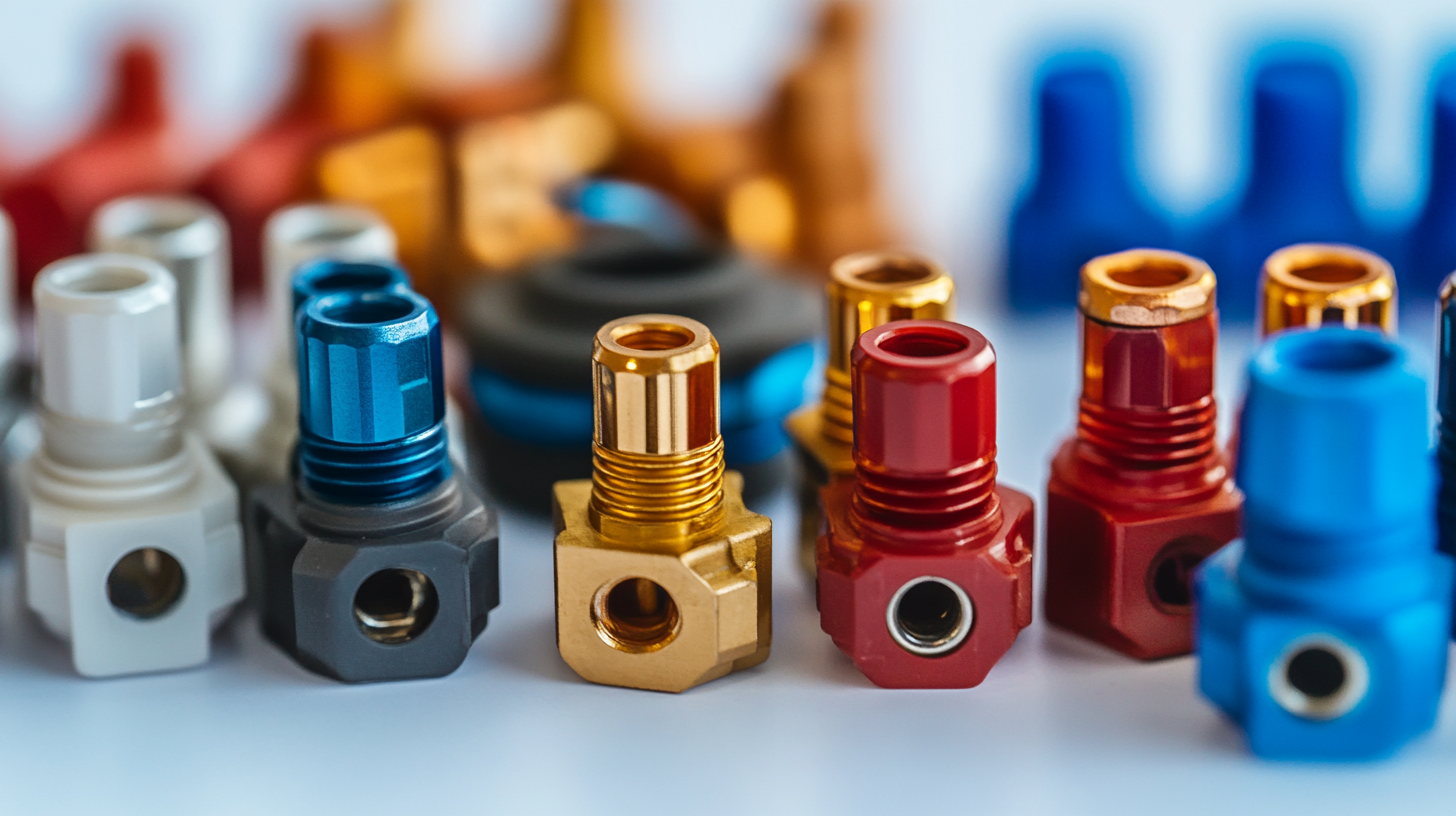
So, when you’re diving into the world of insulated terminal connectors, there are a few key things that really make a difference in how well they perform and how reliable they are. For starters, the insulation material is super important. You’ll want to look for connectors made from high-quality thermoplastic or nylon—they’re great at resisting heat and holding up against the elements. And don’t forget about the thickness of that insulation—it not only shields against electrical shorts but also stands up to wear and tear during those tricky installations.
Another thing to keep in mind is the wire size and crimping style. Make sure the connectors fit the specific gauge of wire you’re planning on using. If they don’t fit right, it could lead to connectivity issues or worse, failures down the line. And speaking of crimping, pick a connector with a solid crimping mechanism. A good crimp gives you that peace of mind knowing your connections are solid and won’t let you down. Plus, some connectors even come with handy color coding! This can make installation a breeze and really helps cut down on mistakes when you’re wiring things up. All of these details are key to making sure your electrical projects run smoothly and safely.
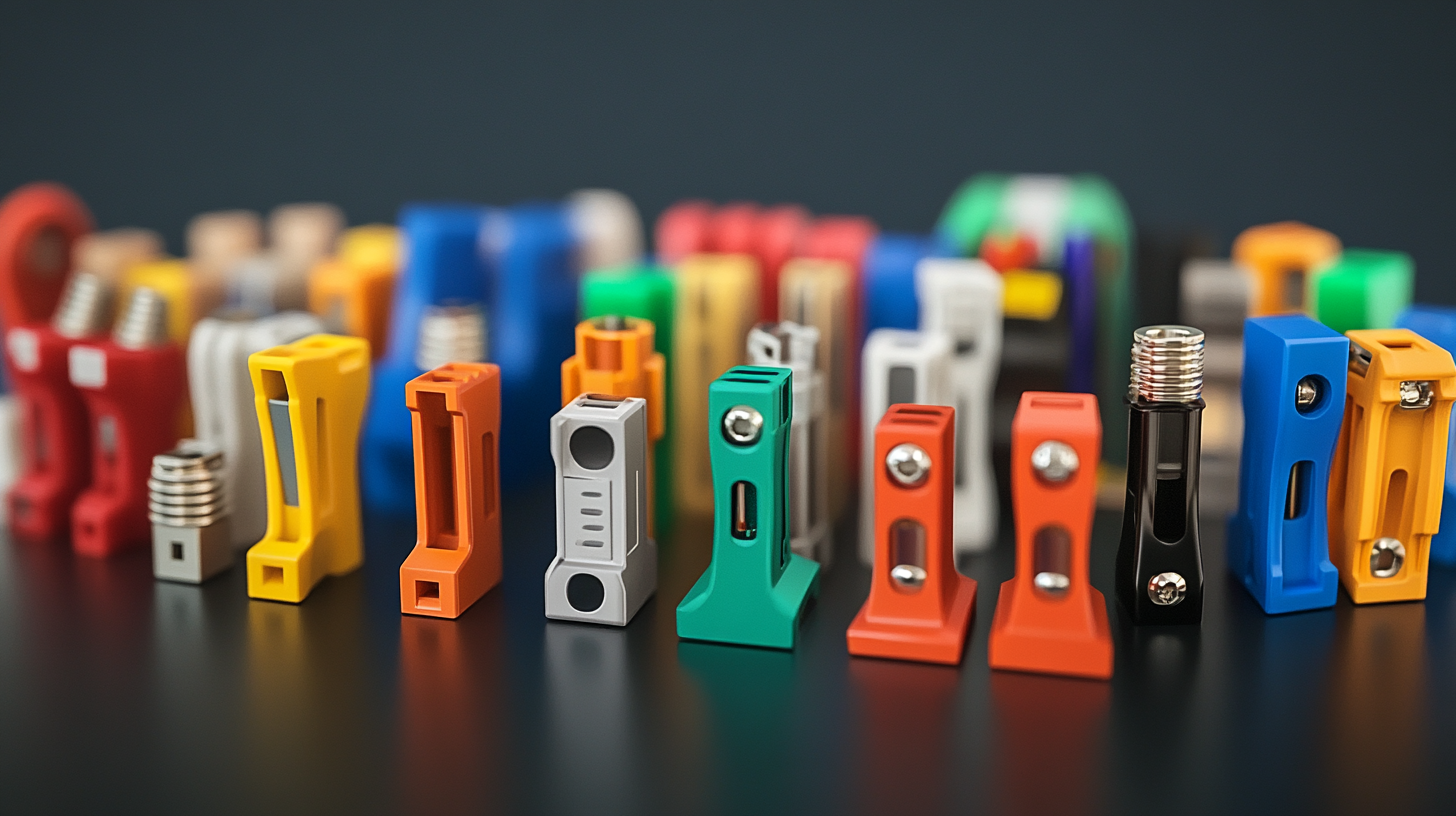
: The main types of insulated terminal connectors include spade connectors, ring connectors, and fork connectors, each serving unique purposes in electrical applications.
Selecting the right type of connector can reduce the chances of electrical failures by up to 30%, ensuring reliability and safety in electrical systems.
Spade connectors are user-friendly, allowing for quick disconnection while providing a secure fit, making them suitable for many applications.
Ring connectors are ideal for high-vibration environments, such as automotive applications, as they provide a more permanent connection by bolting directly to terminals.
It is essential to select connectors that are compatible with the wire gauge and type, ensure a snug fit, and avoid over-tightening to reduce the risk of poor conductivity and mechanical failure.
Regular inspections for signs of wear and corrosion, along with applying a corrosion-resistant compound, can prevent short circuits and enhance the overall performance and lifespan of the connectors.
It is recommended to conduct maintenance checks every six months to ensure all connectors are functioning optimally and to prevent costly downtime.
Improper installation can lead to increased resistance and potential overheating, which may cause equipment failure and safety hazards in electrical systems.
The insulated terminal connector market is projected to grow significantly, from $4.5 billion in 2022 to $6.9 billion by 2027, driven by increasing demand across various industries.
Corrosion can compromise the insulation stability of terminal connectors, leading to short circuits; thus, regular inspections and protective measures are vital for maintaining functionality.



 When installing insulated terminal connectors, following best practices is crucial for ensuring electrical safety and performance. According to a report by the National Electrical Manufacturers Association (NEMA), improper installation can lead to increased resistance and potential overheating, which can ultimately cause equipment failure. One fundamental practice is to select connectors that are compatible with the wire gauge and type. Ensuring a snug fit while avoiding over-tightening can significantly reduce the risk of poor conductivity and mechanical failure.