Leave Your Message
When it comes to electrical connections, you really can't underestimate the importance of reliability and durability. One of the best ways to get top-notch performance from your wiring systems is by using Heat Shrink Splice Connectors. These connectors are awesome because they not only create a strong and secure bond but also protect against pesky environmental factors that can cause corrosion and lead to failures over time. With industries pushing for high-quality electrical components, knowing how to choose the right Heat Shrink Splice Connectors can seriously impact the integrity of your systems.
At Yueqing Gaopeng Electric Co., Ltd., we’re pretty proud of what we do. Since we kicked things off back in 2016, right in Wenzhou city, Zhejiang Province, we’ve quickly made a name for ourselves. I mean, we’re talking an annual production capacity hitting billions of units! Our products have made their way around the globe, from Asia to Europe, America, and even Africa. By sticking to the guidelines for picking out Heat Shrink Splice Connectors, you can really boost the performance and lifespan of your electrical setups, ensuring they stand up to the high standards we stand by.
When you think about keeping those electrical connections solid and reliable, it's pretty important to get a handle on heat shrink splice connectors. These nifty little connectors are made to seal the deal between wires, and they’re essential for keeping out all that pesky moisture, dust, and other junk that might mess with the splice's integrity. Basically, heat shrink splice connectors are just tubes made from plastic that shrink down when you hit 'em with some heat, snugging right up over the wires you've joined. This nifty trick not only secures everything in place but also gives a layer of insulation and shields against whatever Mother Nature throws at it. Now, when you’re on the hunt for the right heat shrink splice connector, there are a few things to keep in mind. First off, you’ve gotta make sure the connector’s size and type jive with the wires you’re working with. This match-up helps guarantee a solid fit, which is key for making the most out of that connector. And hey, the material of the heat shrink tubing matters too! You might wanna look at options like polyolefin because they’re tough and flexible, perfect for different scenarios. Plus, knowing the specs like temperature ratings and shrink ratios is super important for making smart choices to get the best performance out of your connectors, no matter the application. And don’t forget about how to actually install these things! It’s really all about preparing those wires right—strip them properly, make sure they're lined up just so, and apply heat evenly. Those steps are critical for making sure your connection is strong and lasts a long time. Getting the installation right doesn’t just help with conductivity; it also keeps things safe by reducing the chance of electrical hiccups down the road. Once you've got a good grasp on these basics, you’ll be feeling confident in picking out and using heat shrink splice connectors like a pro!
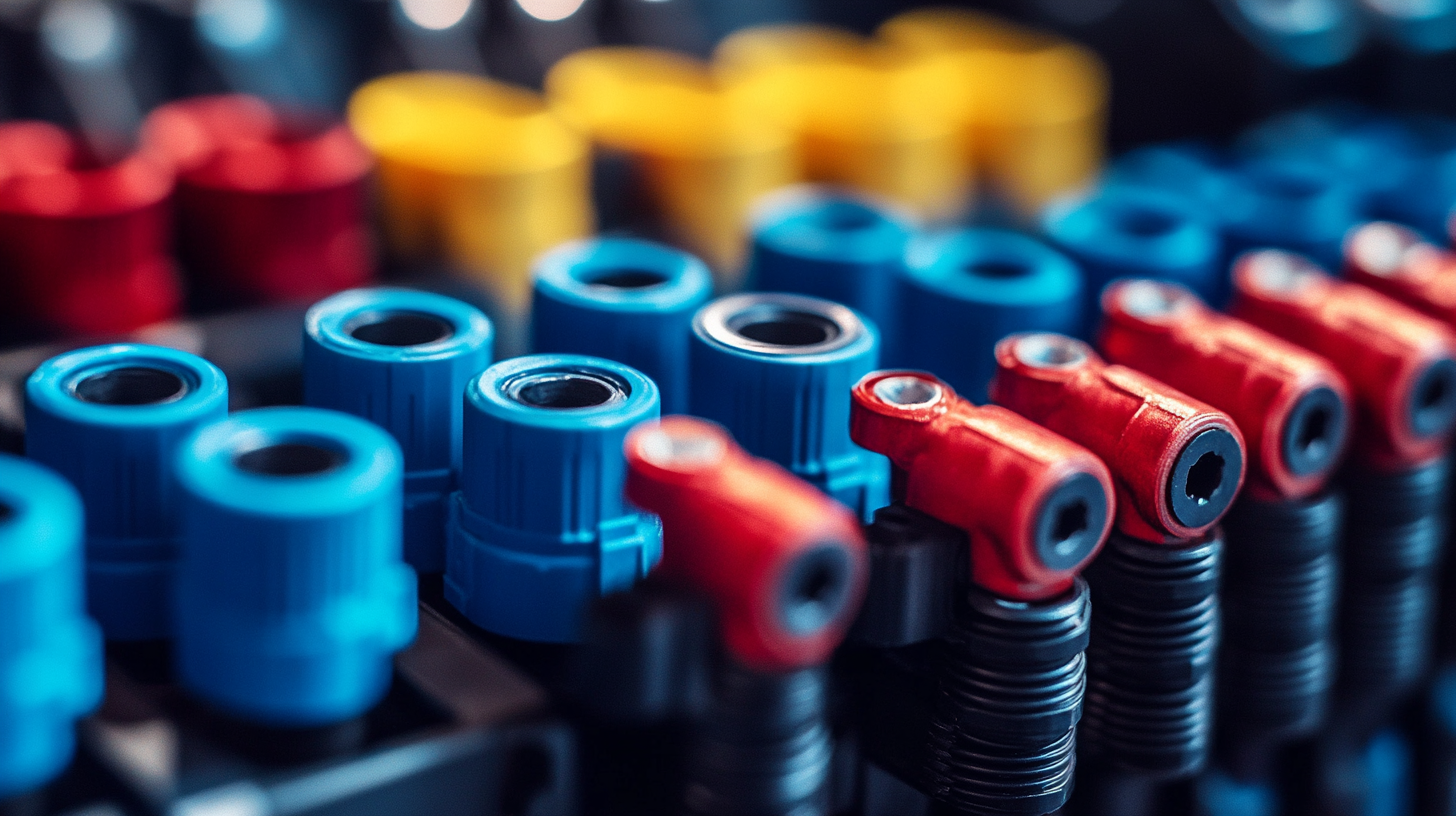
Choosing the right heat shrink materials for splice connectors isn’t just a walk in the park; there are several key factors you have to consider if you want them to perform well in different environments. First off, let’s talk about the polymer type. Polyolefin is the go-to option for a lot of people because it’s got some fantastic qualities—it’s flexible, durable, and can handle a good amount of chemicals and UV rays without breaking a sweat. In fact, a report from the Freedonia Group is predicting that the demand for heat shrink tubing is going to increase by about 4.5% each year. That’s mostly thanks to the growing automotive and telecommunications industries, which really highlights how important it is to have high-quality materials for real-world use.
But wait, that’s not the only thing you need to think about. You’ve also got to consider the operating temperature range of the heat shrink material. If you're working in extreme environments, you’re gonna want something that can handle temperatures from -55°C to 125°C. A study from Technavio even points out that heat shrink splice connectors that can stand up to high temperatures are becoming a real favorite in aerospace and military settings—reliability is absolutely crucial there.
Then there’s the whole adhesive-lined versus non-adhesive materials debate. This is a big one when it comes to picking the best heat Shrink Connectors. Adhesive-lined options usually offer way better sealing, which is a big deal for moisture protection. Research and Markets even forecast that the global heat shrink market could soar to $2.1 billion by 2025, with a hefty portion coming from those adhesive-lined products. These materials are especially handy in situations where there’s a lot of vibration and strain, so they’re pretty essential for maintaining longevity and safety in electrical connections.
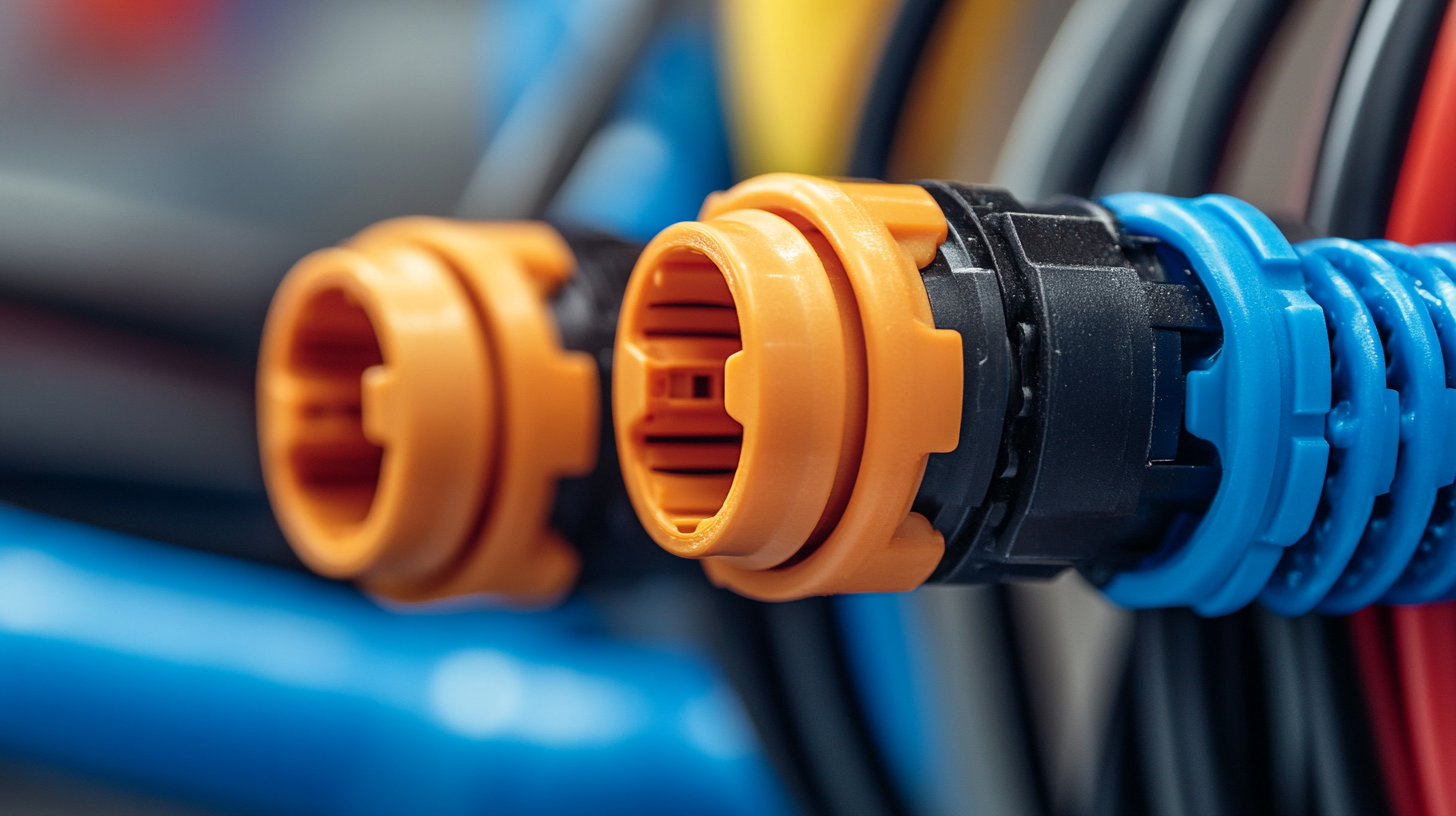
When you're picking heat shrink splice connectors, you really can't overlook how important the size and compatibility are. I mean, getting the right size is key for a solid and effective connection, and that's what keeps our electrical systems running smoothly. If the connector's too big, you might end up with weak joints, which means more resistance and a higher chance that the circuit will fail. On the flip side, if it's too small, you’ll struggle to get it on, and there’s a risk of damaging the wires you’re trying to join. So yeah, measuring and really understanding the wire gauge along with the connector specs is super important if you want everything to perform at its best.
And let’s not forget about compatibility—it's not just about the size. You've got to think about the materials and the insulation types too. Different situations may call for specific connector materials that can handle all sorts of environmental challenges like moisture, temperature swings, and even chemical exposure. For example, if you’re working with connectors for marine applications, they usually need to be tougher and more resistant than the ones you’d use indoors. By making sure that your splice connectors fit both the wire size and the environmental needs, you’ll really boost the durability and reliability of your electrical connections. That means a more efficient and safer setup overall.
When you're picking out heat shrink splice connectors, one of the big things you really want to think about is their temperature and environmental resistance ratings. These ratings aren't just numbers; they show you if the connectors can handle the actual conditions they'll face in your project, which is super important for making sure they last and work well over time. Each type of connector is built to operate within certain temperature ranges, and knowing these limits can help you avoid problems like wearing out or even failing when things get a bit extreme.
Take automotive or industrial connectors, for example. They often need to handle higher temperatures because they're usually near heat-producing parts or in tough environments. So, it's a smart move to double-check the manufacturer's specs for those max and min temperature ratings. And don't forget about environmental resistance! Think about how they'll hold up against moisture, chemicals, and UV light—that kind of info can really help you make a better choice. Connectors that are tough enough for outdoor or marine settings will likely have stronger environmental ratings since they're likely to face all kinds of weather.
Also, keep in mind that it’s all about finding that sweet spot between these ratings and what your specific project requires. If you choose connectors that are way above what you actually need, you might end up over-engineering everything and racking up some unnecessary costs. But on the flip side, if you underestimate what you need, you could be looking at early failures and some hefty repair bills. So, by taking a good, hard look at these factors, you can really nail down the right heat shrink splice connectors that will give you the reliability and durability you need for your setup.
You know, when we talk about getting the best performance out of electrical applications, picking the right heat shrink splice connectors really matters. It all boils down to the adhesives they use. These adhesives are super important for making sure the connectors last and can actually handle tough environments—think moisture, temperature swings, and even some physical wear and tear. It’s kind of eye-opening, but a report from the International Electrotechnical Commission (IEC) points out that more than 30% of connector failures in outdoor settings are due to poor sealing. So yeah, you definitely want to invest in high-quality adhesive solutions.
When we use hot melt adhesives in these connectors, it seriously ups their game in terms of resisting water and mechanical stress. These adhesives really create a strong bond between the connector and the insulation sleeve, which means you get a solid and durable connection. A study by the American National Standards Institute (ANSI) even showed that connectors with better adhesive qualities can handle temperatures as high as 125°C, compared to regular connectors that only withstand about 85°C. That’s a pretty big difference, right? It really makes a case for choosing connectors that have the right kind of adhesive.
Plus, using these advanced adhesives doesn’t just boost the physical strength; it also improves electrical insulation. The folks at the Electrical Power Research Institute (EPRI) found that connectors made with high-performance polymers can cut the risk of insulation breakdown by a whopping 50% in high humidity. So, it’s clear that adhesives not only help hold things together but also play a key role in keeping everything safe and working well—especially in industries like construction, automotive, and marine.
When it comes to keeping those electrical connections solid for the long haul, you really can't skip the installation of heat shrink splice connectors. A report from the National Electrical Manufacturers Association (NEMA) points out that doing it wrong can lead to system failures, and let’s be real—it can cost companies a pretty penny in downtime and repairs. So, taking the time to follow best practices during installation is super important for everything to run smoothly.
First off, getting the wires prepped right is key before you start using those heat shrink connectors. You want to keep things clean—any dirt or moisture could mess with the quality of the connection. There’s this study in the Journal of Electrical Engineering that even says tiny bits of contamination can cut the lifespan of electrical connections by as much as 30%! So, grabbing some isopropyl alcohol to clean everything up and making sure the wires are totally dry can really improve how well those connections work.
And don’t forget about the heat! When you’re shrinking that connector, hitting the right temperature is essential. The International Electrotechnical Commission (IEC) recommends keeping it between 90°C and 110°C for the best seal. If you go over that, you risk damaging insulation and risking premature failure, but not heating it enough could leave it sticking poorly. Using a heat shrink gun that distributes heat evenly is a great way to enhance the connection and help it last longer.
Finally, it’s a smart move to give those finished connections a good visual check, and if you can, run a continuity test too. The Institute of Electrical and Electronics Engineers (IEEE) says that doing regular checks can really cut down on the chances of anything going wrong, which means you’ll have safer and more reliable electrical systems. By sticking to these best practices, you can ensure your heat shrink splice connectors provide the durability and performance we all need in today’s electrical setups.
Choosing the right heat shrink splice connectors can be tricky, and you really want to steer clear of some common mistakes if you want them to work their best. One big blunder people tend to make is not thinking about the environment where the connectors will actually be used. A report from the Institute of Electrical and Electronics Engineers (IEEE) points out that connectors exposed to extreme temperatures and high humidity can wear out way quicker than expected. So, it's super important to pick heat shrink connectors that are rated for the specific conditions you’ll be dealing with—this choice can really boost their lifespan and reliability.
Another frequent pitfall is ignoring the sizing. A study by the International Electrotechnical Commission (IEC) highlighted that if the connectors aren't the right size, it can mess up electrical contact and increase resistance. This is not just a minor issue; it can lead to energy loss and even equipment failure. Making sure you have a snug fit with the right gauge wires is key. Going for an undersized connector? That’s a recipe for disaster, compromising electrical integrity and potentially causing overheating—that's not what you want!
Plus, a lot of folks overlook how crucial it is to use high-quality materials. The Thermoplastic Elastomers Group mentions that connectors made from cheap materials often can’t offer proper insulation, which can trigger short circuits and failures. A bit of market research shows that it’s wise to invest in connectors made from tough materials like cross-linked polyolefin or nylon—it can save you from a world of headaches and expenses down the line. Remember, prioritizing quality over price really pays off in terms of performance and the longevity of your connections.
If you want your heat shrink splice connectors to last and do their job right, keeping up with regular maintenance is super important. A really easy yet effective tip is just to make sure those connectors stay clean and free of any gunk. You know, dust, moisture, and other junk can really mess with how well they connect. So, try to check in on them and give them a quick wipe with a lint-free cloth every now and then. That simple act can really help cut down on corrosion and oxidation, keeping them working well for longer.
Now, another thing to keep an eye on is the temperature where your connectors are hanging out. Extreme heat or cold can really do a number on the materials, and that’s not good news. So, make sure your setups are within the recommended temperature ranges, and if the environment changes, it’s worth checking on those connectors ASAP. If they’re facing some tough conditions, you might want to think about adding some extra protection to keep them safe from harm.
And don’t forget about testing them from time to time! Using multimeters or continuity testers lets you see how well those connections are holding up. It’s a smart move to keep a little log of your inspections and any maintenance you’ve done. That way, you can track how long your connectors are lasting. Taking these steps not only helps your connectors stick around longer but also ensures they’re performing reliably for all your electrical needs.
Key factors include the type of polymer used, operating temperature range, and whether to choose adhesive-lined or non-adhesive materials.
Polyolefin is favored due to its excellent properties such as flexibility, durability, and resistance to chemicals and UV radiation.
Knowing the temperature range is crucial because products designed for extreme conditions need to withstand temperatures from -55°C to 125°C, ensuring reliability in harsh environments.
Adhesive-lined connectors provide better sealing properties and moisture protection, making them especially useful in applications subject to vibration and strain.
Common mistakes include not considering the environmental conditions, improper sizing of connectors, and underestimating the value of high-quality materials.
Maintenance can be improved by keeping connectors clean, monitoring temperature conditions, and periodically testing connectors to identify any signs of wear or failure.
Improperly sized connectors can lead to poor electrical contact, increased resistance, energy loss, and potential equipment failure.
Connectors made from durable materials like cross-linked polyolefin or nylon are recommended to ensure adequate insulation and prevent failures.
Regular inspection helps identify early signs of wear or failure, which is crucial for ensuring optimal performance and prolonging the connectors' lifespan.
Extreme temperatures can lead to degradation of connector materials, increasing the risk of failure, so it's essential to maintain installations within recommended temperature ranges.