Leave Your Message
You know, picking the right Battery Cable Lugs is super important, especially nowadays when we need electrical systems that are both reliable and efficient. A recent industry report even says that the global market for battery cables is expected to hit around USD 5.38 billion by 2026! This boom is mainly thanks to the growing demand for batteries in electric vehicles and renewable energy setups. So, choosing the right lugs really matters; it can make a huge difference in ensuring we get the best conductivity and safety—key factors for getting the most out of our battery installations.
Speaking of which, let me tell you about Yueqing Gaopeng Electric Co., Ltd. They kicked things off in 2016 in Wenzhou city, Zhejiang Province, and they’ve really made a name for themselves as leaders in designing and producing all sorts of terminals and connectors, including Battery Cable Lugs. With the ability to churn out billions of units each year and a solid export network that reaches across Asia, Europe, America, and Africa, Gaopeng knows how to select high-quality lugs that fit various needs perfectly. So, in this blog, we’ll explore what you should keep in mind when choosing Battery Cable Lugs, making sure that both safety and operational efficiency are in check.
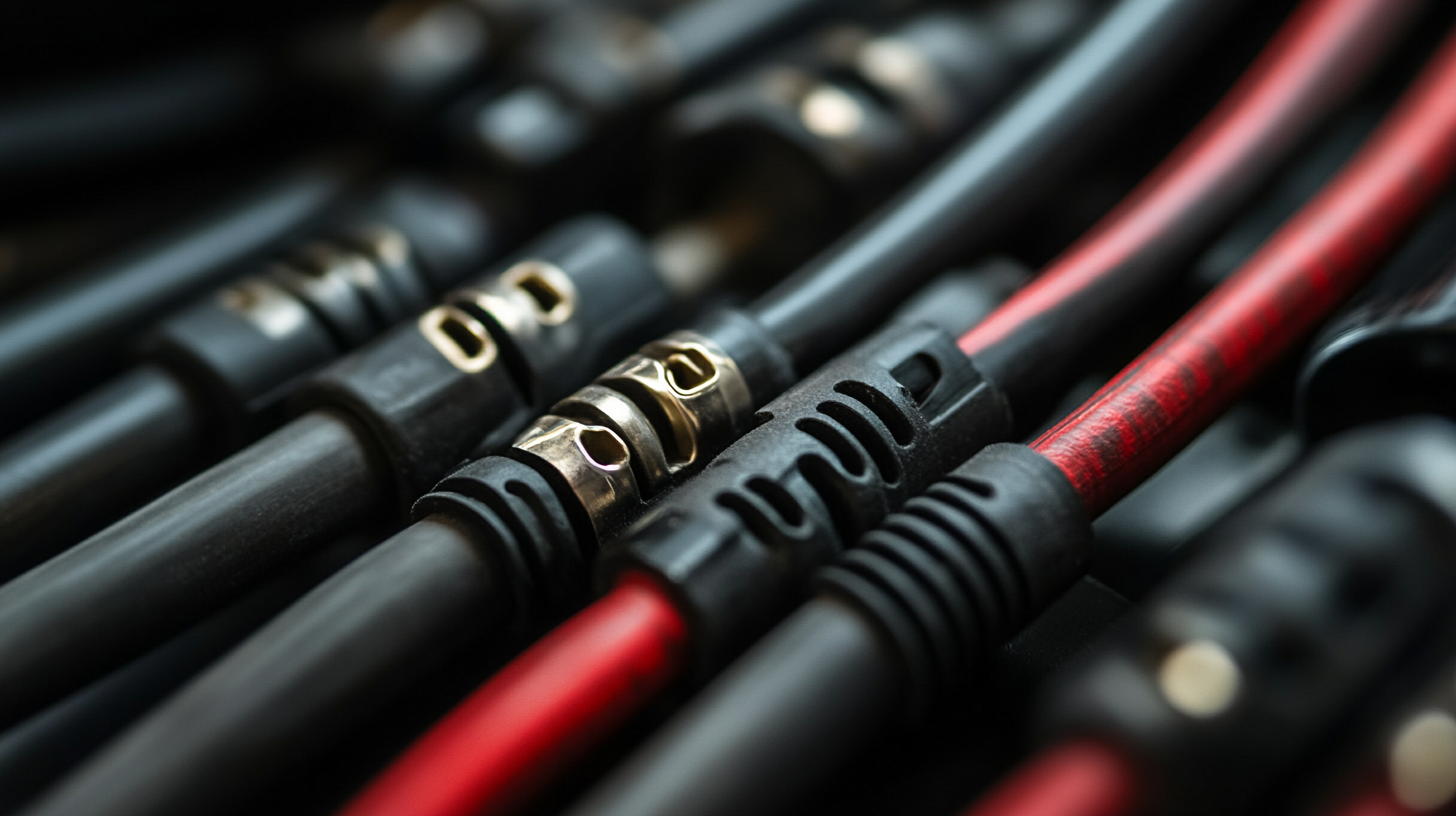
So, when you're picking out battery cable lugs, it’s super important to really get to know the different types and what they’re used for. These little guys are key components that connect your battery cables to terminals, and guess what? They come in all sorts of styles to fit specific needs. You’ve got your open barrel, closed barrel, and ring lugs, each with its own perks depending on what you’re working with. For example, open barrel lugs are great because they let you easily slip in stranded wires, making them a solid choice for high-vibration environments, like in cars. And speaking of advancements, companies like Weidmuller USA are stepping up their game with tough battery connectors aimed at boosting energy storage systems. These new connectors are built to last and really enhance wired connections, especially when you’re dealing with high-demand setups like renewable energy systems and electric vehicles. Then there’s also JST Corp.'s LBT A Type Series crimp-style connectors, which are all about saving space while still providing reliable wire-to-board connections, which is a big deal for lithium battery applications. As industries keep changing, choosing the right battery cable lugs means considering things like sustainability and how tech is being integrated. The debut of sustainable connectors at events like the Bharat Battery Show 2025 shows just how serious we’re getting about being eco-friendly in battery tech. That said, making sure your battery cable lugs fit and function properly is super important, especially as we align with all these new advancements in battery systems and what goes into them.

When you’re picking out battery cable lugs, there are a few really important things to keep in mind if you want everything to work well and stay safe. First off, the material of the lugs is super important. A lot of people go for copper because it’s got great conductivity, but don’t overlook aluminum! It’s lightweight and can save you some cash in certain situations. You just have to think about what kind of electrical load you’re dealing with and the environment where those cables are going to be used.
Another thing to think about is the size and how compatible the lugs are with the cables. You really want to make sure the size of the lug matches the gauge of the cable. If you don’t, you might end up with overheating issues or a connection that isn’t secure. Also, consider the design of the lug—whether it’s straight, angled, or a Ring Terminal—because it should fit how you're planning to install it and the space you have available. And hey, if you’re expecting a lot of vibration or movement, it’s a good idea to choose lugs that have a solid mechanical connection to handle that.
Finally, don’t forget about the environment where the cable lugs will be working! Things like moisture, extreme temperatures, and corrosion can really take a toll. So, looking for lugs with good insulation or protective coatings can really boost their lifespan and performance. Keeping all of this in mind—material, size compatibility, design, and environmental durability—will help you choose the perfect battery cable lugs that fit your specific needs.
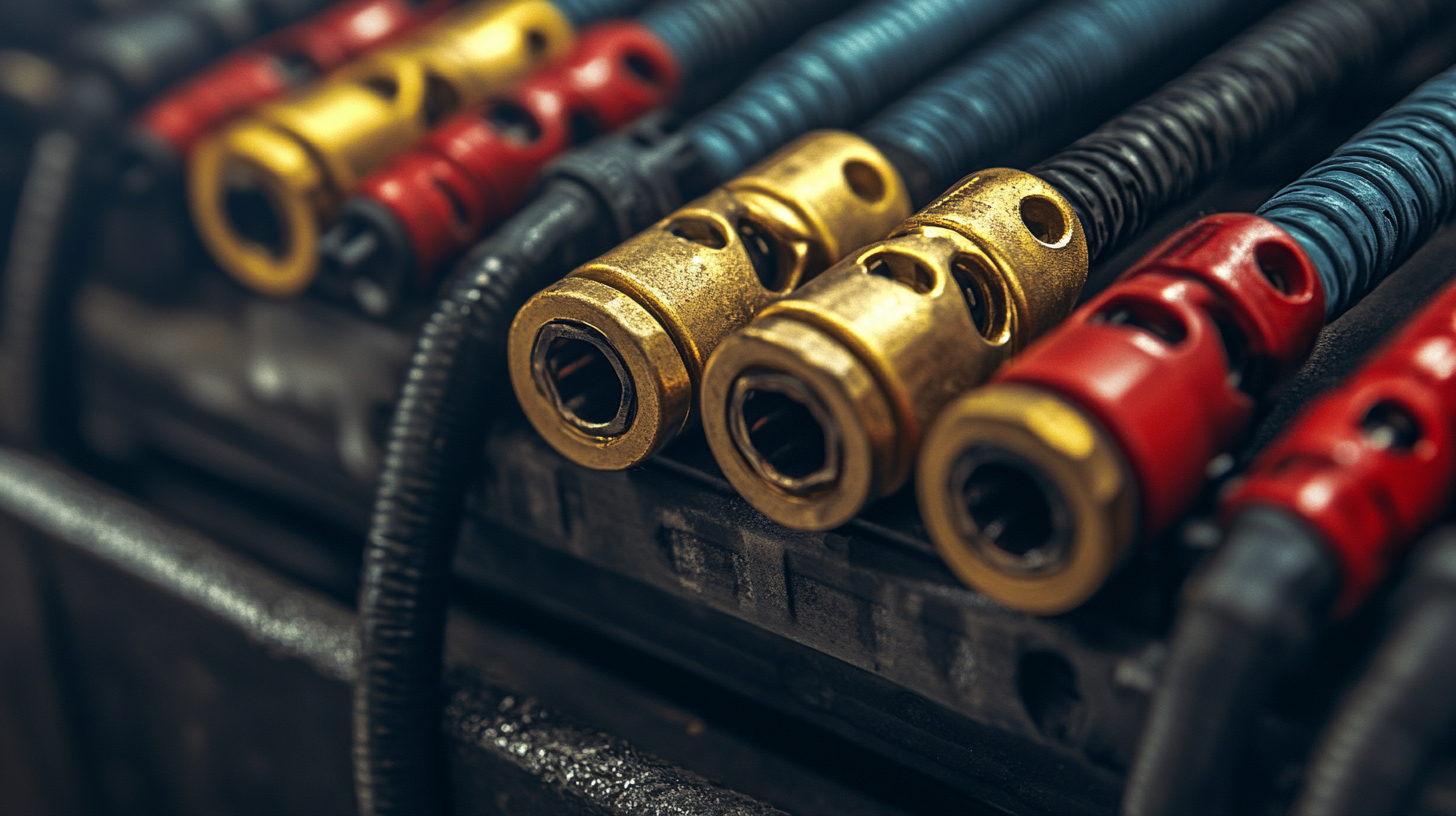
Alright, so when you're picking out the right battery cable lugs, the material you choose really matters for how well it performs and how long it'll last. The usual suspects are copper, aluminum, and sometimes you'll see tin being used too. Now, copper is pretty much the go-to for a lot of folks, thanks to its amazing conductivity. It’s like, the star player when it comes to high-performance stuff because it keeps resistance low, meaning less energy goes to waste as heat. So, your system runs nice and efficiently, which is always a win.
But hey, don't overlook aluminum! These lugs are generally lighter and can save you some bucks. Sure, aluminum doesn’t conduct as well as copper, but if you size it right, it can still hold its own. This can be super helpful in situations where you really need to cut down on weight, like in cars or airplanes. So take a moment to think about what your project really needs; choosing the right material could really amp up efficiency and safety.
Oh, and just a quick heads-up—sometimes you’ll run into tinned lugs. These are basically copper lugs that have been coated with tin, so they’ve got extra protection against corrosion. This is especially handy for marine or outdoor uses where they might get exposed to rough conditions. So, knowing your materials and their perks can help you make a smart choice when you're out there shopping for battery cable lugs.

When you're picking out battery cable lugs, sizing them up is super important. You know how choosing the right bra can make a world of difference in comfort and support? Well, the right lug size is just as crucial for getting good electrical connections. Finding the right fit means your lug will sit snugly on the cable and terminal, which helps cut down on overheating and keeps everything running smoothly.
So, how do you figure out what size lug you actually need? Start by looking at the gauge of your battery cable. It’s kind of like measuring for a bra—getting that fit just right can save you a lot of hassle down the road. Measure the diameter of your cable and check the manufacturer’s specs for the lug. Those specs will tell you what size you need based on your cable gauge.
Also, think about where and how you’ll be using these lugs. Just like you'd choose a bra that gives you the right kind of support for what you're doing, it's smart to look for lugs that can handle different environmental factors like heat or humidity. Paying attention to these details means your battery connections will stay secure and reliable for a long time—just like a well-fitted bra that keeps you comfy and supported all day long.
When it comes to battery cable lugs, the importance of proper insulation cannot be overstated. Adequate insulation prevents short circuits, which can lead to potential hazards such as fires or equipment damage. According to industry safety reports, nearly 30% of electrical fires are caused by faulty insulation in wiring systems. Therefore, selecting the right battery cable lugs with high-quality insulation is essential for ensuring operational safety and reliability.
Proper insulation also plays a crucial role in maintaining the longevity of electrical systems. For instance, damaged insulation can result in ground faults, significantly affecting the performance of a photovoltaic (PV) system. A recent study indicated that inadequate wire management and insulation can reduce system efficiency by up to 15%. By choosing battery cable lugs that prioritize insulation quality, users can prevent such issues, enhancing the overall lifespan of their electrical systems.
Furthermore, with the rising use of electric vehicles, the necessity for robust insulation becomes even more critical. Only well-insulated connections can withstand the high-voltage environments typical in hybrid and electric vehicles. Technicians must be aware that poorly insulated connections can lead to catastrophic failures during high-voltage isolation testing. Investing in lugs with superior insulation properties ensures that both safety and functionality are preserved, thus meeting the rigorous standards required in modern electrical applications.
Hey there! So, when it comes to picking out battery cable lugs, it’s way too easy to make some pretty common mistakes that can really mess with how well they work and how long they last. One big oops is choosing a lug size that doesn’t match up with the wire gauge or how much amperage load you’re dealing with. You know, according to the American Wire Gauge (AWG) standards, picking the right size lug is super important. It helps ensure a snug fit and keeps electrical resistance in check. If you’re not careful, you could end up with overheating issues or worse—your equipment could fail altogether. Yikes!
Then there’s the issue of the materials used. A lot of folks overlook this, but it’s crucial to go for high-quality copper or aluminum for your battery cable lugs. This choice really amps up conductivity and helps stave off corrosion as time goes on. Trust me, reports from the industry show that lugs made from lower-quality materials can cause more voltage drop and just mess with your system’s efficiency, which can be a real headache.
And let’s not forget about installation. It’s all too common for users to skimp on this part—like not crimping or soldering the lugs properly, which can lead to shaky electrical connections. Getting it right doesn’t just take the right tools, it also means following those pesky specification guidelines. Also, make sure you’re keeping up with regular maintenance checks, especially when the temperature’s extreme, because that’s when battery issues can pop up the most. If you can spot these usual slip-ups, you’ll definitely make smarter choices when buying and end up with an electrical system you can actually rely on.
Keeping your battery cable lugs in good shape is super important if you want your electrical systems to perform well and last a long time. First off, it’s all about regular checks. Just take a moment to look for any signs of corrosion, fraying, or any damage you can see. Corrosion, man, that can really mess things up by creating resistance that blocks the flow of electricity, which basically means your system won't work as efficiently. If you spot any build-up, grab a wire brush and some cleaning solution to clean those lugs up—can’t let any residue get in the way of good conductivity!
Next up is making sure those connections are torqued just right. You definitely don’t want loose connections, as they can lead to overheating and eventually cause failures. A torque wrench is a handy tool for this; it helps you tighten things down to what the manufacturer recommends. Oh, and after you’ve cleaned them, consider slapping on a protective coating. This little touch adds a barrier against moisture and corrosion, which is a solid way to extend their life.
Last but not least, protecting your battery cable lugs from physical damage is a must! Try to avoid routing cables through rough spots or past sharp edges that could wear down the insulation. Using some protective sleeves can really help keep them safe from abrasion and the elements. If you follow these maintenance tips, you’ll definitely be able to give your battery cable lugs a longer life, and that means reliable performance for all your electrical needs!
So, when you're trying to pick the right battery cable lugs, it's super important to find suppliers you can really trust. Those little connectors are key to making sure your battery hooks up safely and works efficiently with everything else. But honestly, with all the options out there, it can feel a bit overwhelming, can't it? To make things easier, just stick with some reputable brands that are known for their durability and how well they perform.
You know, reliable suppliers really shine when it comes to quality and keeping their customers happy. Companies that focus on electrical components usually have a good variety of battery cable lugs for different needs. It’s a good idea to check out reviews from other customers and see who has a solid track record. Also, don't forget about online marketplaces—they’re great for checking real feedback from buyers! Many of the trusted suppliers will also share detailed product specs, which can help you make smarter choices based on what you actually need.
With the surge in demand for portable power solutions, we can’t overlook the importance of quality accessories like battery cable lugs. Just like you're encouraged to go after the best power banks and chargers for your gadgets, picking high-quality lugs will definitely boost the lifespan and efficiency of your electrical systems. By carefully choosing from reputable brands, you can make sure your battery connections are safe and efficient, which ultimately sets you up for optimal performance in all your electrical setups.
A common mistake is selecting a lug size that does not match the wire gauge or amperage load, which can cause electrical resistance and lead to overheating.
The materials must be high-quality copper or aluminum to enhance conductivity and reduce corrosion, as inferior materials can increase voltage drop and decrease system efficiency.
Improper installation, such as incorrect crimping or soldering, can lead to unreliable connections and affect the integrity of battery connections, potentially causing failures.
Regular inspections are essential, as they allow you to identify signs of corrosion, fraying, or damage that could impair conductivity and performance.
If you notice corrosion, clean the lugs with a wire brush and an appropriate cleaning solution to remove residue that hinders conductivity.
Ensuring proper torque on connections prevents loose connections that can lead to overheating and component failure.
Route cables away from rough areas or sharp edges, and use protective sleeves to shield them from abrasion and environmental factors.
Consider applying a protective coating after cleaning to create a barrier against moisture and corrosion.
Neglecting maintenance can lead to decreased performance and reliability of your electrical systems, especially in extreme temperatures.
Using the correct tools, including a torque wrench, is vital for ensuring secure and reliable connections during installation.