Leave Your Message
0%

Copper Terminals, which you can check out [here](https://www.cngaopeng.com/copper-terminals), are pretty darn important in a lot of electrical setups. Think of them as the key players when you're trying to make solid, dependable connections between wires and cables. Because they have such great conductivity, folks in the industry tend to favor these over others. And honestly, the quality of these terminals can make a big difference in how well your entire electrical system performs.

However, here's the thing—sometimes manufacturers overlook just how crucial it is to ensure these Copper Terminals are top-notch. A bad connection isn't just a minor annoyance; it can cause critical equipment to fail, which might end up costing a pretty penny in repairs or, worse, lead to unexpected downtime. That's why it's really important to pick the right Copper Terminals for whatever job you're doing. Using good quality ones and making a proper choice can boost both safety and efficiency.

As we dig a bit deeper, I want to highlight how these terminals are used across different industries. Whether it's in cars or telecom setups, their applications are everywhere. Understanding the ins and outs of these little components can really help you get better performance and make sure everything runs smoothly. Honestly, paying attention to their importance is a must if you're into electrical work or just want things to work reliably in the long run.
What is Copper Terminals and How Are They Used?

What Are Copper Terminals?

What is Copper Terminals and How Are They Used?

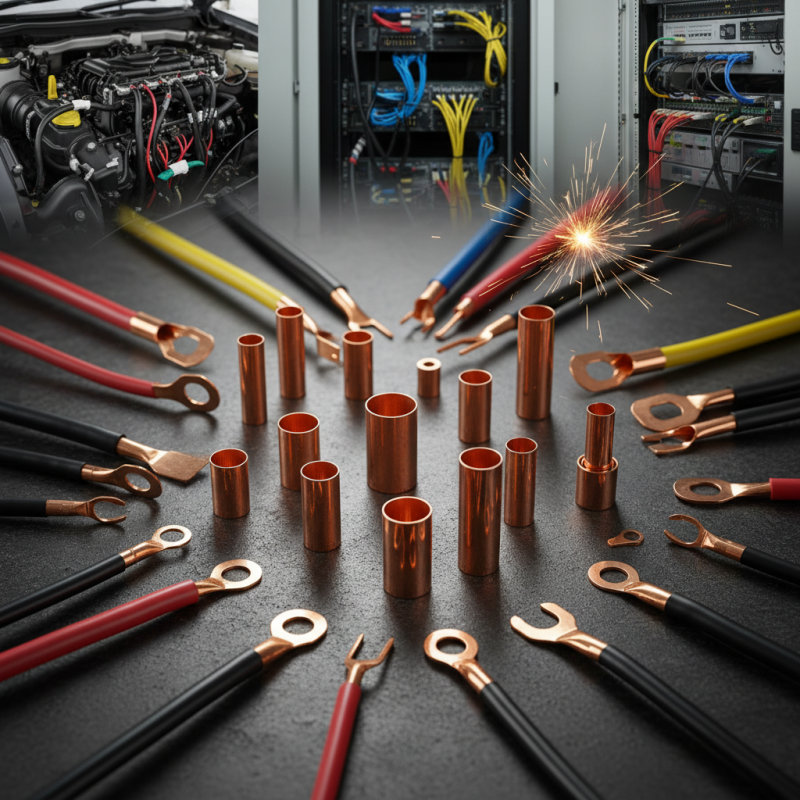
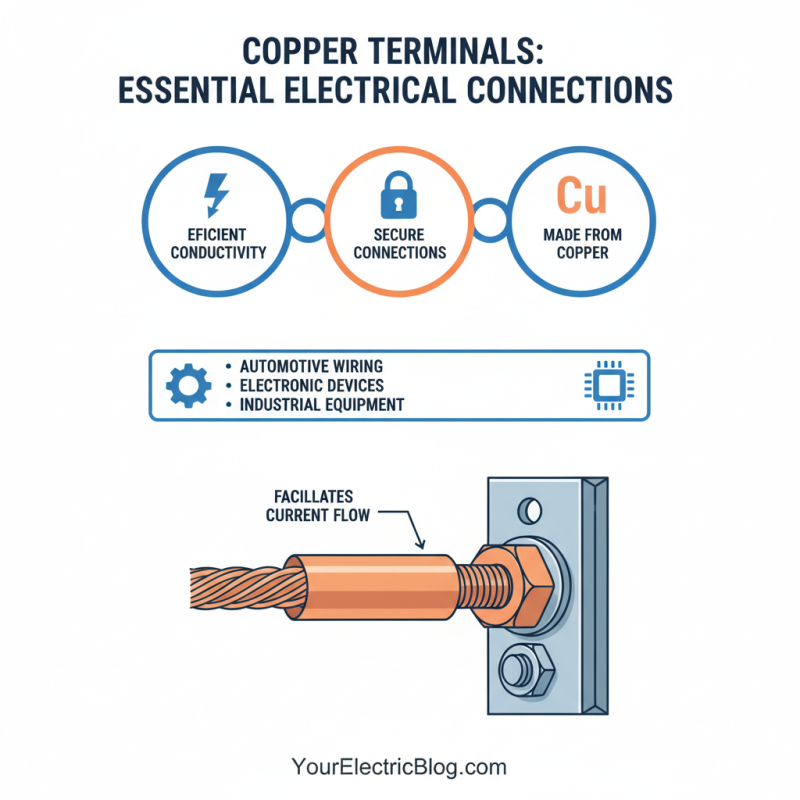
Copper terminals are essential components used in various electrical connections. They are designed to facilitate efficient conductivity and secure connections. Typically, they are made from copper due to its excellent conductive properties. These terminals are widely found in automotive wiring, electronic devices, and industrial equipment.

Using Copper Ring Terminals can simplify your wiring tasks. They create a reliable connection by being crimped or soldered onto the wire ends. It is crucial to ensure that the terminal fits the wire gauge properly. Mismatched sizes can lead to poor connections, which might cause failures.

Tips: Always clean the contact area before attaching copper Ring Terminals. This practice helps ensure a good electrical connection. Also, consider using heat shrink tubing. It can protect the exposed connections from moisture and corrosion, extending the terminal’s lifespan.

When working with copper terminals, pay attention to the crimping process. A poorly crimped terminal can break under strain. This breakage might lead to unexpected outages or short circuits. Thus, testing connections afterward is a wise step.

Key Properties of Copper in Electrical Applications

Copper is a key player in electrical applications. It offers excellent conductivity. This property makes copper ideal for wiring and connections. Its ability to carry electric current reduces energy loss. In many circuits, this efficiency is crucial.

Another important feature of copper is its malleability. It can be shaped easily without breaking. This flexibility allows for intricate designs in electrical terminals. However, this can also lead to issues. If not handled correctly, copper may be deformed. This deformation can affect performance.

Additionally, copper has a good resistance to corrosion. This quality ensures longevity in various environments. Despite this, it can still tarnish over time. Regular maintenance is necessary to keep it in good condition. Buyers should reflect on these aspects before choosing copper for their applications.

Types of Copper Terminals and Their Functions

Copper terminals play a crucial role in electrical connections. They serve as connectors in various applications, ensuring a reliable flow of electricity. There are several types of copper terminals, each with unique functions. Understanding these can help us appreciate their importance.

U Shape Copper Ring Terminals are one of the popular types. They provide a secure connection for wires to switches or circuit boards. Their design allows for easy attachment using screws. This makes installation simple, but one should check for tightness regularly to prevent issues. Loose connections can lead to overheating or failure.

Another common type is the spade terminal. It allows for quick disconnection and reconnection. However, it may not always fit snugly. This can result in intermittent connectivity, which is frustrating. Ensuring proper sizing and fitment of terminals is essential for safety and performance. Overall, each terminal type has its place, but their effectiveness depends on careful installation and maintenance.

How to Select the Right Copper Terminal for Your Project

Selecting the right copper terminal for your project is crucial. Copper terminals are widely used in electrical connectors due to their excellent conductivity. According to the International Copper Association, about 60% of electrical connections in the automotive industry use copper terminals. This statistic highlights their importance in ensuring reliable electrical performance.

When choosing a copper terminal, consider the application's requirements. Size, compatibility, and environmental factors play key roles in your selection. For instance, terminals must fit the wire gauge properly. A mismatch can lead to failures or insufficient conductivity. The National Electrical Manufacturers Association (NEMA) suggests that improper connections account for a significant percentage of electrical failures in systems.

Another aspect to consider is the terminal's insulation. Environmental factors can affect performance. Terminals exposed to moisture or extreme temperatures might require additional protective coatings. Reports show that terminals used in marine applications must resist corrosion, as saltwater can drastically reduce lifespan. It’s vital to evaluate how conditions could impact the terminal's functionality over time.

Installation Methods for Copper Terminals

Copper terminals play a vital role in electrical connections. They ensure a secure, reliable, and conductive joint. Yet, improper installation can lead to issues like corrosion and poor conductivity. Let's explore some installation methods for copper terminals.

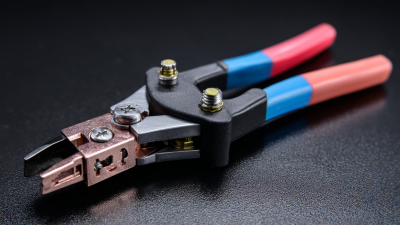
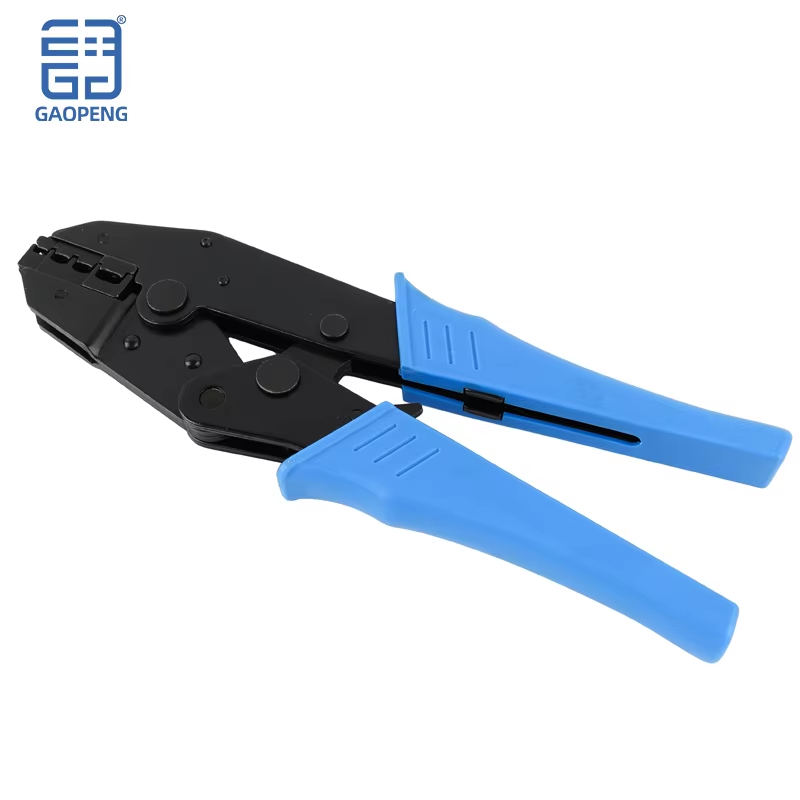
One common method is crimping. This technique involves using a crimping tool to compress the terminal around the wire. It creates a strong mechanical connection. However, crimping must be done carefully. Too much pressure might damage the wire. Too little pressure won't secure the terminal effectively. A good choice here is a High-Quality U Shape Copper Ring Terminal. Its design allows for effective and safe installation.

Soldering is another option. This method melts solder to join the wire and terminal. It provides excellent conductivity. However, soldering requires practice and skill. Overheating the terminal can weaken it. Proper temperature control is crucial. Each installation method has its pros and cons. Understanding these can help achieve better results in your projects.

Common Applications of Copper Terminals in Various Industries

Copper terminals play a crucial role in various industries. They are often used to connect cables to power sources or other equipment. These components are vital in ensuring reliable electrical connections. Without them, systems could fail or malfunction. For instance, in the automotive sector, copper terminals are used in battery connections. This application is essential for vehicle performance and safety.

In industrial settings, copper terminals are commonly found in machinery and electrical panels. They provide stability and conductivity in harsh environments. Workers may overlook the quality of these terminals, but they affect overall system efficiency. Wholesale U Shape Copper Ring Terminals are popular due to their ease of installation and effectiveness. Various designs exist, but selecting the right one is critical for a reliable connection.

In renewable energy systems, copper terminals facilitate power distribution from solar panels and wind turbines. However, not all installations use high-quality terminals. Some projects might cut costs and suffer from poor connections. This can lead to unexpected failures and increase maintenance costs. Ensuring proper usage of copper terminals can improve system longevity and performance.

Maintenance and Care for Copper Terminals to Ensure Longevity

Copper terminals are essential in electrical connections due to their excellent conductivity. To ensure they last, proper maintenance is key. Regular inspection can help identify wear and corrosion. Data indicates that up to 30% of electrical failures are due to poor terminal maintenance. This highlights the importance of care in prolonging the lifespan of these components.

Avoid exposure to harsh chemicals. Clean terminals with a mixture of vinegar and baking soda to eliminate oxidation. Applying a thin layer of petroleum jelly can also help protect against moisture. It’s advisable to check connections every few months. A loose or corroded terminal can lead to significant downtime.

For those handling copper terminals, here are a couple of tips: always use the right tools for tightening. Over-torquing can damage the terminal. Whenever you clean, ensure the area is dry. Moisture catalyzes corrosion, rendering your efforts useless. Keeping terminals in good shape is a continuous process. Don't overlook small details; they matter significantly.

FAQS

: What is the main purpose of the product?

: The product aims to enhance user experience and provide solutions for everyday challenges.

How do I use the product?

User instructions are straightforward. Follow the simple steps provided in the manual.

What are the key features of the product?

Key features include functionality, ease of use, and design suitability for various tasks.

How can I troubleshoot issues?

Start with checking the user manual. Common problems often have quick fixes outlined there.

Is customer support available if I encounter problems?

Yes, customer support is available to assist with any issues or questions.

Are there any limitations I should know about?

Yes, some limitations exist. They may affect certain functionalities in specific situations.

Can I provide feedback on my experience?

Feedback is welcomed! Sharing your experience helps improve future versions of the product.

What should I consider before purchasing?

Consider your needs and how the product fits into your routine. It's important to match expectations.

What materials are used in the product?

The product is made from various materials, each selected for durability and usability.

How do I dispose of the product responsibly?

Check local recycling guidelines. Proper disposal helps reduce environmental impact.

Conclusion

Copper terminals are essential components in electrical applications, acting as interfaces for electrical connections. They are characterized by their excellent conductivity, resistance to corrosion, and durability, making them ideal for various industrial uses. There are several types of copper terminals, each designed for specific functions, and selecting the right one for a project involves considering factors like current rating, environmental conditions, and installation methods.

Proper installation and maintenance of copper terminals are crucial for ensuring their longevity and optimal performance. Common applications include automotive wiring, power generation, and telecommunications, where reliable electrical connections are paramount. By understanding the properties, types, and installation techniques associated with copper terminals, users can enhance their projects’ overall efficiency and reliability.

Sophie

Sophie

Sophie is a dedicated marketing professional at Leqing Gaopeng Electric Co., Ltd., where she harnesses her extensive knowledge of the company’s products to drive effective marketing strategies. With a deep understanding of the electrical industry, Sophie plays a pivotal role in showcasing the......
Previous How to Choose the Right Crimp Tools for Your Manufacturing Needs