In today’s fast-changing world of electrical connections, getting a good handle on Wire Splice Connectors is pretty much essential if you want your systems to be reliable and efficient. I mean, did you know that, according to MarketsandMarkets, the global connectors market is expected to hit around $96.4 billion by 2025? That’s mainly because there’s a huge rush for stronger, more dependable electrical setups across all kinds of industries. One company really making waves in this space is Yueqing Gaopeng Electric Co., Ltd. — they’ve been around since 2016 and have been pushing out all sorts of terminals and connectors. They’re cranking out products in the billions every year and their gear’s shipped far and wide — from Asia and Europe to America and Africa. Basically, they’re all about making sure the quality’s top-notch and meets industry standards. In this guide, I’ll walk you through some of the best tips for making the most out of Wire Splice Connectors, so you can tackle your electrical projects with confidence and a bit more finesse.
Understanding Wire Splice Connector Types: A Comprehensive Overview
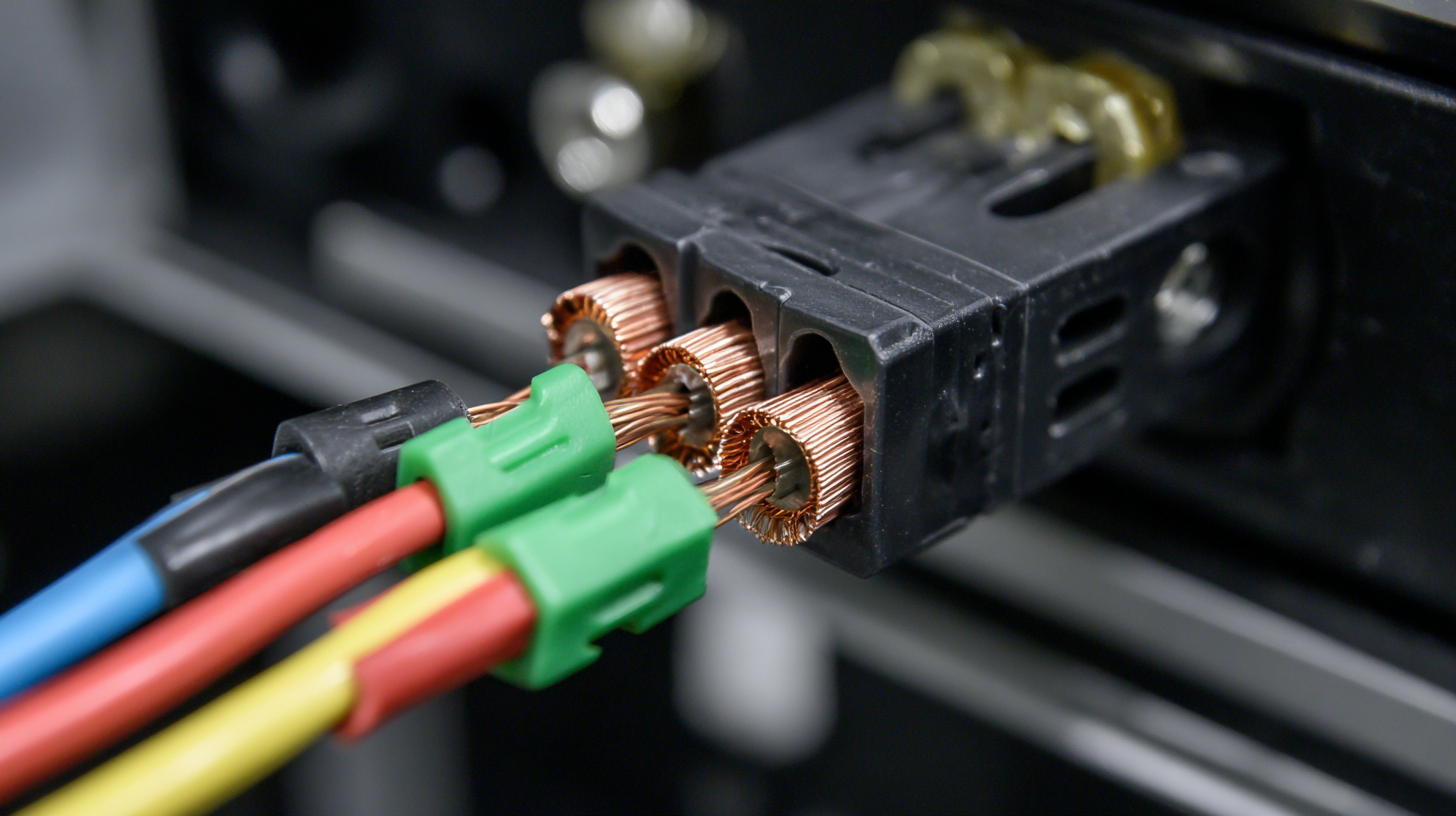
Whenever you're dealing with electrical work, it’s really important to know about the different types of wire splice connectors out there. These little guys are what make sure your wires are securely connected and that electricity flows smoothly without any hiccups. You’ve probably heard of a few common ones—like twist-on connectors, butT connectors, and heat-shrink connectors. Each one is good for specific jobs, so picking the right one can really make a difference, whether you’re a pro electrician or just tackling a DIY project at home.
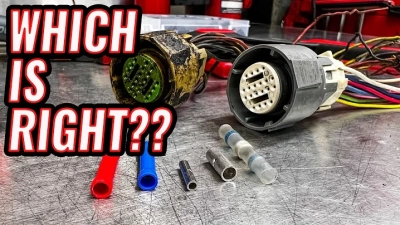
Now, twist-on connectors, also called wire nuts, are super popular because they’re so easy to use and pretty effective. They work well when you're trying to join multiple wires of the same size. Then there are butt connectors, which are more for a permanent fix and usually need a crimping tool to secure the wires together. Lastly, heat-shrink connectors give you that extra layer of protection—after you heat up the tubing, it shrinks tight around the wires, sealing out moisture and other stuff from the environment. Knowing the ins and outs of these connectors can really boost your project’s safety and reliability, and save you some headache down the line.
Safety Standards for Electrical Connections: Ensuring Compliance and Reliability
When it comes to electrical connections, making sure you're following safety standards isn’t just about ticking boxes — it’s really about keeping everything safe and running smoothly. The National Electric Code (NEC) clearly states that messing up wire splicing can lead to some pretty serious risks, like fires or damaging your gear. The Electrical Safety Foundation International (ESFI) reports that nearly 51,000 home electrical fires happen each year — crazy, right? These fires cause a lot of property damage and can be super dangerous. That’s why it’s so important to get wire splicing right — it’s a key part of making sure your electrical setup is both safe and reliable.
With recent things happening — like some organizations asking homeowners to hold off on registering new solar systems — staying on top of safety protocols is more important than ever. For example, the NEC has clear rules that all electrical connections should be checked thoroughly before they’re considered safe. And using the right wire splice connectors properly can really help cut down on faults and even make your system last longer. Also, all the fuss about replacing safety stickers without doing proper re-inspections just goes to show that you can’t slack off — staying diligent with safety checks is an ongoing thing. Bottom line? Always prioritize safety and make sure your wiring is up to code; it’s worth the extra effort to avoid bigger problems down the line.
Electrical Connection Quality Analysis
Material Matters: Choosing the Right Conductors and Insulation for Splices
When you're dealing with wire splice connectors, picking the right conductors and insulation is super important for making sure everything stays reliable and works smoothly. First off, the material of your conductors really affects how well they conduct electricity and how they perform overall. Copper’s a pretty popular pick because it conducts electricity like a champ. Aluminum, on the other hand, can be a lighter, cheaper alternative, but it usually needs specific connectors to keep things safe and dependable. It’s a good idea to think about the voltage and current your project needs—that’ll help you figure out which conductor type works best for your specific splice.
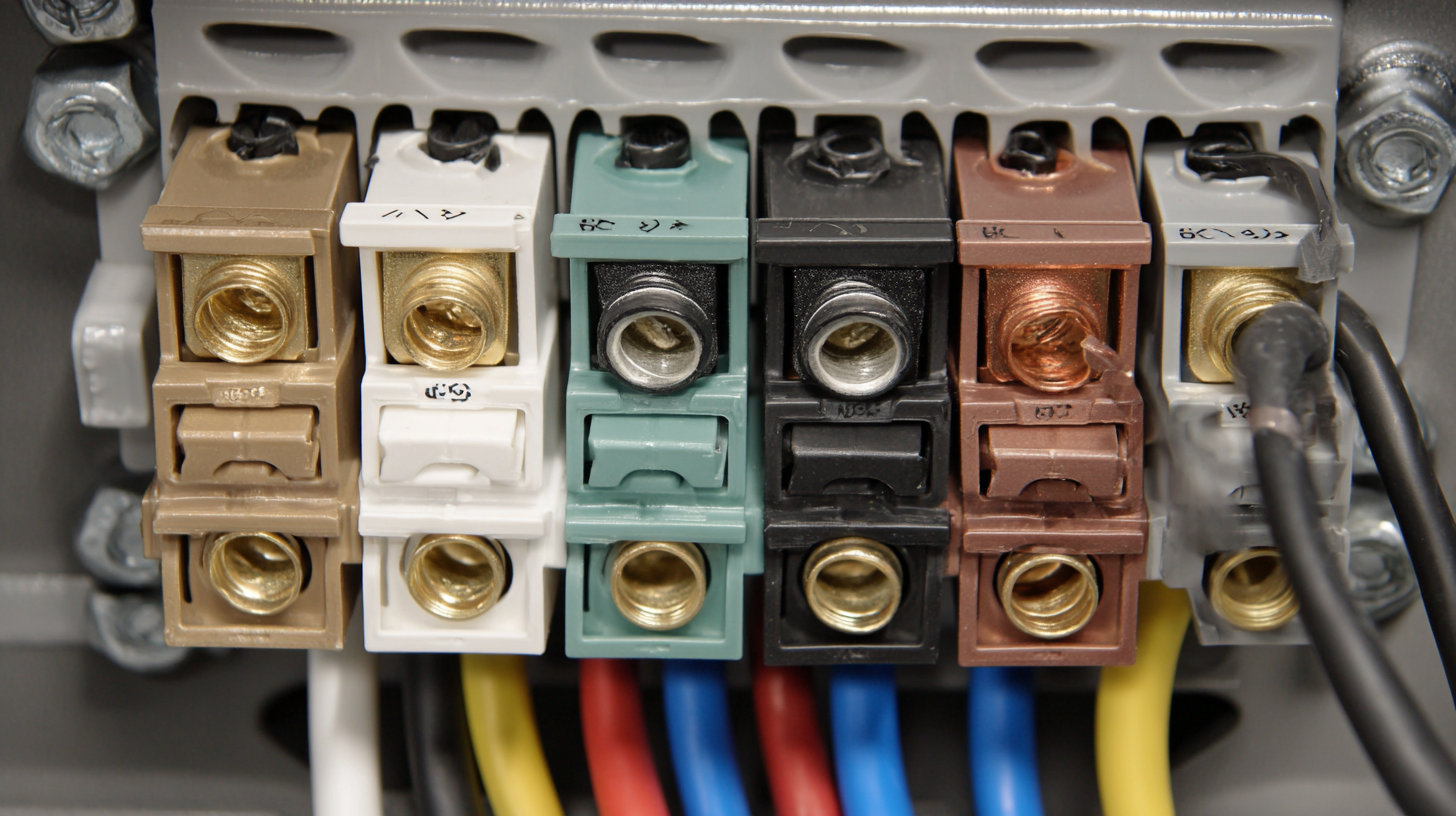
And don’t forget about the insulation—it’s just as key as the conductor material. The insulation has to hold up against environmental stuff and electrical loads without falling apart. PVC, for example, is a common choice because it’s tough, heat-resistant, and handles moisture well. TPE, meanwhile, is pretty flexible and can handle really hot or cold conditions. Just make sure whatever insulation you pick fits the environment where your wires will be used.
A couple of quick tips:
1. Before you dive into splicing, double-check that you’ve got all the tools and materials ready—this way, you won’t get stuck halfway through.
2. And yeah, always make sure your conductors and insulation play nice together. It's especially important if your splice is gonna be exposed to tough conditions — you don’t want surprises later on.
Common Wire Splice Connector Techniques: Pros and Cons of Each Method
When you're diving into wire splice connectors, it’s really important to get a good handle on the different techniques out there and their pros and cons. For instance, one popular way is using ribbon cables — it makes for a pretty seamless connection and works well in a bunch of situations. The cool thing about this method is how it saves space and lets you connect multiple wires at once. Of course, it’s not perfect — it can be a bit tricky when you need flexibility or if the setup gets knocked around a lot with movement or vibrations.
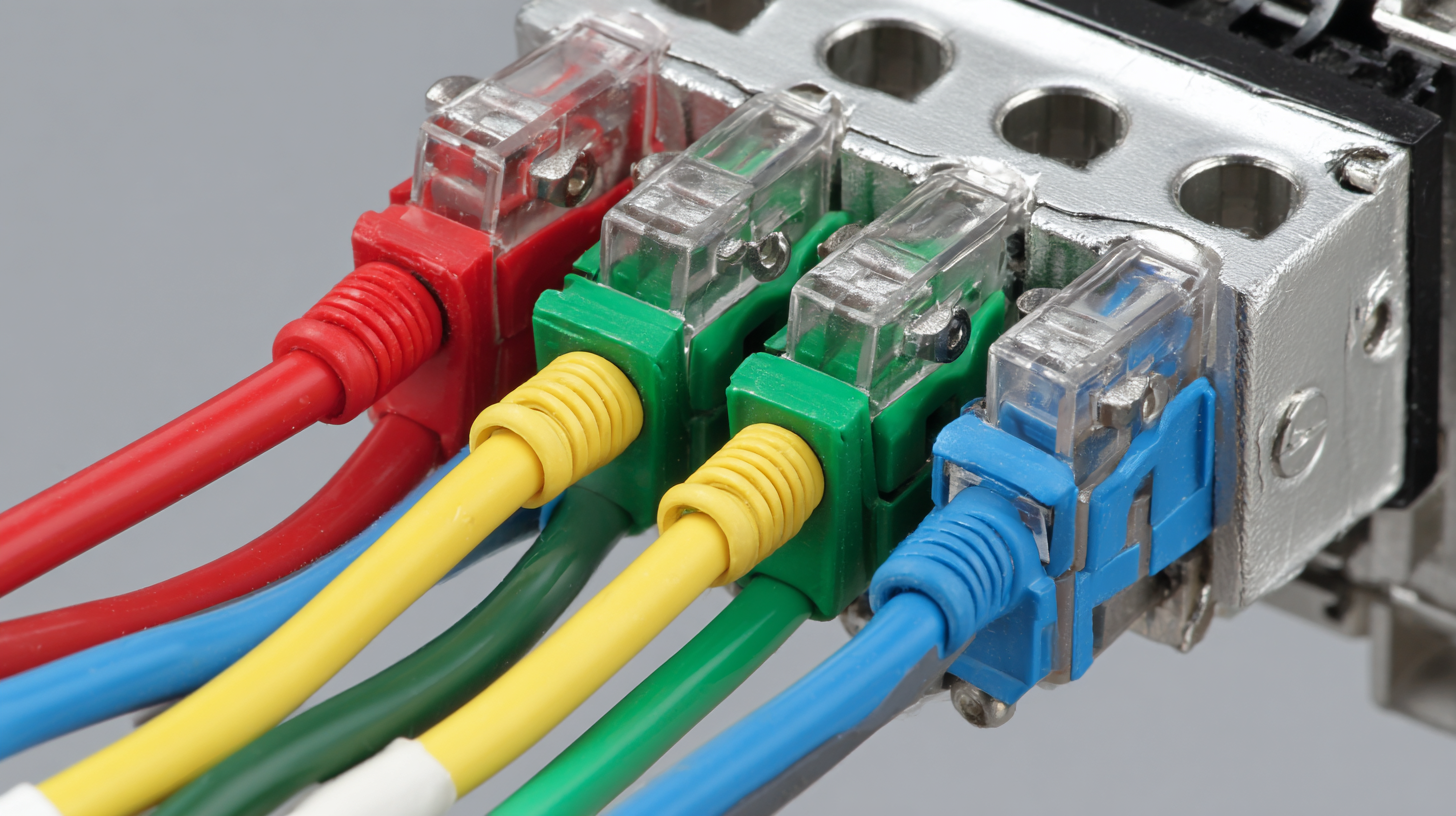
On the flip side, the tried-and-true methods like soldering and crimping are still feeling pretty relevant. Soldering tends to give you a really strong, lasting connection, but it does take some skill and can be a bit slow. Crimping, on the other hand, is faster and can sometimes be even sturdier — if you do it right. But if you’re not careful, it can lead to weak spots that might fail over time. As with anything, it’s all about weighing the good and bad depending on what your project needs — especially if safety’s a big deal, like when dealing with aluminum wiring that can be a fire risk if not handled properly.
Maximizing Performance: Best Practices for Effective Electrical Connections
When you're trying to get solid electrical connections, getting a good handle on the ins and outs of wire splice connectors can really make a big difference. If you follow some basic best practices, you’ll not only boost performance but also help your setup last longer. A key tip I’d give is to make sure you pick the right connector for the job—there are different types out there, like plastic, metal, or heat-shrinkable ones. Take a moment to weigh your options before you choose, so everything works smoother and stays reliable.
Also, don’t rush the prep work on your wires. Spend some time stripping the insulation properly and twisting those strands together tight. Doing this the right way not only helps make a better connection but also cuts down on the risk of short circuits or loose ends causing trouble down the line. Honestly, a properly prepared splice is pretty much the foundation of a solid, stable electrical connection.
And one more thing — don’t forget to test your work! Once you’ve made your splice, grab a multimeter and check for continuity. It’s a simple step that can save you from bigger headaches later on. Regularly testing your connections helps catch any issues early, so your electrical system stays safe and working smoothly over time.
Mastering Wire Splice Connectors: A Step-by-Step Guide for Effective Electrical Connections - Maximizing Performance: Best Practices for Effective Electrical Connections
| Connector Type | Wire Gauge Range | Max Voltage (V) | Max Current (A) | Best Use Case |
| Butt Connector | 22-10 AWG | 600V | 30A | General wiring |
| Heat Shrink Connector | 22-16 AWG | 600V | 23A | Moisture-sensitive applications |
| Fork Terminal | 20-14 AWG | 300V | 20A | Chassis connections |
| Ring Terminal | 18-10 AWG | 600V | 30A | Grounding connections |
| RCB Connector | 16-12 AWG | 1000V | 40A | High-power circuits |
Industry Insights: Trends and Innovations in Wire Splice Connector Technology
The world of wire splice connectors is constantly changing—driven by new ideas and the ongoing need for better electrical performance. Lately, it feels like there’s a real shift happening, with a focus on connectors that not only deliver a solid, reliable connection but are also easier to install and maintain. Companies are testing out new materials that offer improved conductivity and durability too, tackling common issues like rust and wear and tear. These upgrades are super important across industries—from cars to renewable energy—where dependable connections are literally a safety and efficiency thing.
Plus, there's a growing buzz around smart technology in these connectors. Some now come with features like self-checks or real-time alerts that warn you about connection problems before things get serious. That kind of proactive approach can save tons on downtime and repairs—pretty tempting for businesses trying to keep things running smoothly.
As everyone pushes for more efficiency and a greener footprint, keeping up with these innovations will be key for staying competitive in a world that’s always changing.
Maximizing Electrical Safety and Efficiency: Insights on Non-Insulated Butt Connectors from the 2023 Electrical Connection Market Report
Maximizing Electrical Safety and Efficiency: Insights on Non-Insulated Butt Connectors from the 2023 Electrical Connection Market Report
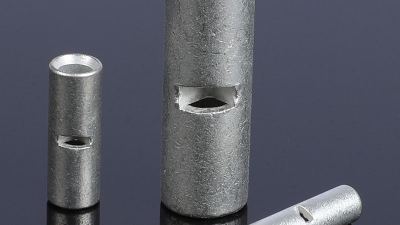
In the 2023 Electrical Connection Market Report, the focus on non-insulated butt connectors highlights their crucial role in enhancing electrical safety and efficiency across various applications. These connectors, particularly those made with precision-engineered copper conductors and matte tin plating, stand out for their performance in mission-critical scenarios. The dual-barbed retention crimp technology exemplifies an impressive tensile strength of ≥45 lbs, making them suitable for high-stress environments such as automotive wire harnesses where oil and heat resistance are paramount.
The report emphasizes that engineers prioritize compliance with standards like CE, RoHS, and TUV, ensuring that components utilized in automotive and industrial applications meet strict safety and quality criteria. Non-insulated butt connectors also benefit from a zero oxidation guarantee due to the tin barrier, which significantly reduces corrosion risks, a common factor that compromises conductivity.
The demand for reliable connections is underscored by the growing reliance on advanced technologies in industries such as electric vehicle (EV) production, where the connectors need to maintain zero resistance drift even under extreme temperatures of up to 302°F. It’s noteworthy that military-grade retention standards and extensive vibration testing further testify to the robustness of these connectors, making them a popular choice among leading manufacturers like SpaceX. The insights from the market report clearly indicate that by adopting high-quality non-insulated butt connectors, engineers can not only ensure electrical safety but also maximize efficiency in their designs.
FAQS
: The most common types of wire splice connectors include twist-on connectors (wire nuts), butt connectors, and heat-shrink connectors.
Twist-on connectors are primarily used for joining multiple wires of the same gauge.
Butt connectors are designed for more permanent connections between two wires and typically require a crimping tool for installation.
Heat-shrink connectors provide added protection against moisture and environmental factors, sealing the connection when heated.
Compliance with safety standards is essential to prevent hazards such as electrical fires and equipment damage, ensuring safe and reliable installations.
The Electrical Safety Foundation International (ESFI) reports on the risks, highlighting that nearly 51,000 home electrical fires occur each year.
The NEC states that all electrical connections must be thoroughly inspected to ensure they comply with safety requirements.
Neglecting proper application can increase the risk of electrical faults and shorten the lifespan of electrical systems.
Certain organizations have called for homeowners to pause their solar system registrations to ensure compliance with safety protocols.
It is emphasized that replacing safety inspection approval stickers without reinspection is discouraged, highlighting the need for ongoing compliance with safety standards.