Leave Your Message
To operate better, a business must tell itself how paramount the need for reliable and efficient electrical connections is, more so in today's fast-paced electrical industry. One of these core components is the Screw On Wire Connectors, which not only guarantees the security of electrical connections but also offers easy installability and maintenance. Familiarity with the intricacies of such connectors becomes an instrument for a company looking to better optimize its wiring systems when it comes to sourcing.
Founded in the year 2016, Yueqing Gaopeng Electric Co., Ltd., is located within one of the electrical hubs in Wenzhou, Zhejiang Province. The company's core work thus has design, development, and manufacture of a broad range of terminals and connectors with a special emphasis on Screw On Wire Connectors. With an output topping several billions annually and export of products into Asia, Europe, America, and Africa, the company can easily boast of providing innovative solutions for its diverse clients. As said, this will also be a final master guide for you on which key factors to consider when sourcing the best Screw On Wire Connectors suitable for your business needs.
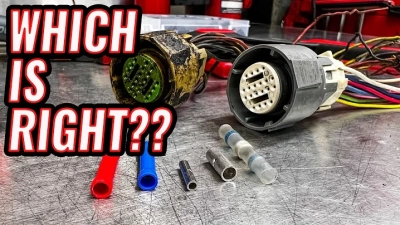
Several key factors should guide one's decision in sourcing screw-on wire connectors for their business. One is the material from which the connectors are made. Reports from the industry indicate better electrical conductivity and durability on connectors made from high-quality copper or brass as opposed to the comparatively cheaper alternatives. According to a study by the International Electrical Testing Association, connectors made with superior materials could reduce electrical failures by as much as 30%, hence having direct bearing on the reliability of your electrical systems. Another primary factor is the size and compatibility of connectors. The connector size should match the wire gauge you are working with. The American National Standards Institute has established standards on wire sizes and connectors pairings, which very much reduces chances of connection failure. The wrong size causes extra resistance; it can become too hot and fail which may even be as bad to result in malfunction of the equipment or hazard of safety. In terms of the environmental conditions in which the connectors will be used, for example, connectors marked outdoor have to be resistant to moisture and UV light. According to a report by the Electrical Safety Foundation International (ESFI), the wrong choice of connectors in a specific environment may increase the cost of maintenance due to breakdowns and repairs by 25 percent. Hence, it is critical to understand the application and environment in order to prolong and safeguard your wiring systems.
From many other alternative wire connection methods, Screw Connectors are a chosen option because of their flexibility and ease of use when it comes to connecting wires for electrical purposes. These connectors are available for different types of wires and configurations. They are found in almost all applications of both commercial and residential types. However, the two most widely used types are twist-on wire connectors and set-screw wire connectors. Presently, according to a report by the National Electrical Manufacturers Association (NEMA), it is said that the rise in the demand for high-quality wire connectors is high due to increased construction activities and retrofitting of old electrical systems.
Twist-on wire connectors, also known as Wire Nuts, are very popular for connecting more than two wires. An internal spring secures the wires together and makes a fast and reliable connection. Recently, research from Research and Markets has reported that the twist-on wire connector market is forecast to grow at a CAGR of 5.1% between 2023 and 2028. They are compatible with a wide range of wire gauges and can be used for any application, from light fixtures to large electrical installations.
Set-screw wire connectors are often considered as permanent solutions for such specialized applications. Designed for heavier gauge wires, these connectors mechanically fasten wires of heavier gauge and stay put under challenging environments, like the industrial. They are especially useful for applications where connections are likely to be subjected to vibration or movement, basically securing wires with a set screw to ensure durability and safety. Increasing safety standards in electrical installations can also be explained by the increase in awareness of workplace hazards, which have helped in achieving the alleged 20% drop in electrical incidents reported by the Occupational Safety and Health Administration (OSHA) over the last decade.
Freshers to the engineering field must learn the practical applications of the designs they study. For example, the importance of screw-on wire connectors should be stressed, as it should relate to students' real lives. Flexibility and ease of use are what they scream when it comes to being reliable connections in electrical practice. These connectors were found in different applications typical in commercial and residential setups. The two most generic types are twist-on wire connectors and set-screw wire connectors. Presently, according to a report by the National Electrical Manufacturers Association (NEMA), it is said that the rise in the demand for high-quality wire connectors is high due to increased construction activities and retrofitting of old electrical systems.
Twist-on wire connectors, better known as wire nuts, are among the most convenient ways to join two or more wires together. They have an internal spring that holds the wires together well for a quick and reliable connection. The twist-on wire connector market is forecasted to grow at a CAGR of about 5.1% for the period 2023 to 2028, according to a research report from Research and Markets. They can be used for different wire gauges so that lighting fixtures are placed in a list with larger electrical installations.
Set-screw wire connectors, on the other hand, provide a more permanent solution in applications that are very specific. These connectors for heavier gauge wires allow for the mechanical fastening of wires making them applicable in severe environments such as industrial settings. These connecters can come in handy in applications where connections are likely to be under vibration or movement, thus securing wires with a set screw to make them wear- and tear-resistant as well as safe. Rising safety standards in electrical installations can be attributed to increased awareness about workplace hazards, which according to the Occupational Safety and Health Administration (OSHA), has contributed to a 20% decline in electrical accidents within the last decade.
In comparison to several other alternative ways of connecting wires, simple screw connectors would be the most preferred due to flexibility and ease of usage when connecting wires for electrical use. These connectors would cater to the several types of wire and the different configurations in terms of their usage, existing in almost all applications from commercial down to residential types. Of course, the most commonly used types would be twist-on wire connectors and set-screw wire connectors. Currently, according to a report from the National Electrical Manufacturers Association (NEMA), it is said that the demand for top-quality wire connectors is on the rise, owing to increased construction activities and the retrofitting of old electrical systems.
Twist-on wire connectors or wire nuts are popular for the connection of more than two wires. An internal spring secures the wires together and makes a fast and reliable connection. Recently, research from Research and Markets has reported that the twist-on wire connector market is forecasted to grow at a CAGR of 5.1% between 2023 and 2028. They are compatible with a wide range of wire gauges and can be used for any application, from light fixtures to large electrical installations.
Set-screw wire connectors are often seen as permanent solutions to very specialized applications. Designed for heavier gauge wires, these connectors mechanically fasten wires of heavier gauge and stay put under challenging environments like the industrial. They are especially useful for applications where connections are likely to be subjected to vibration or movement, basically securing wires with a set screw to ensure durability and safety. Increasing safety standards in electrical installations can also be explained by the increase in awareness of workplace hazards, which have helped in achieving the alleged 20% drop in electrical incidents reported by the Occupational Safety and Health Administration (OSHA) over the last decade.
Freshers to the engineering field will then be referred to how the designs they study are practically applied. For example, this should really relate to students' real lives concerning the importance of screw-on wire connectors, as it is always meant to be. Flexibility and ease of use are what they scream when it comes to being reliable connections in electrical practice. These connectors were found in different applications typical to commercial and residential setups. The two most generic types are twist-on wire connectors and set-screw wire connectors. Presently, according to a report by National Electrical Manufacturers Association (NEMA), it is said that the increasing demand for high-quality wire connectors is high due to increased construction activities and retrofitting of old electrical systems.
Twist-on wire connectors or wire nuts are amongst the most convenient methods of joining two or more wires together. An internal spring holds the wires together very well for a quick and reliable connection. The twist-on wire connector market is forecasted to grow at a CAGR of 5.1% for the period 2023 to 2028, according to a research report from Research and Markets. They could be used for different wire gauges so that lighting fixtures are placed in a list with larger electrical installations.
On the other hand, set-screw wire connectors provide a more permanent solution for very specific applications. These connectors for heavier gauge wires allow for the mechanical fastening of wires making them applicable in severe environments such as industrial settings. These connecters can come in handy in applications where connections are likely to be under vibration or movement, thus securing wires with a set screw to make them wear- and tear-resistant as well as safe. Rising safety standards in electrical installations can be attributed to increased awareness about workplace hazards, which according to the Occupational Safety and Health Administration (OSHA), has contributed to a 20% decline in electrical accidents within the last decade.
Materials compatibility guarantees optimal performance when it comes to selecting screw-on wire connectors for your business. One NEMA study has provided nearly 30% as the share of failings that can be attributed to the use of inappropriate materials for connection points. Understandably, materials that resist corrosion, thermal degeneration, and mechanical stress must be used in making your connectors.
A major material used in the manufacture of wire connectors is nylon, sporting good chemical resistance and durable properties. Hence, this is a good choice for use in wet locations and areas where various chemicals exist in the industrial area. Also, connectors made with copper conductors are inherently better regarding conductivity when compared to aluminum counterparts, as per their study. According to the Copper Development Association, copper wire connectors can maximize electrical efficiencies by up to 20% over aluminum wire connectors, thus effectively minimizing energy loss over time.
When reliability is a must, temperature rating becomes a major factor in the materials used. For high-temperature applications, silicone or high-temperature nylon connectors may be necessary. Silicone connectors go up to 200°C in operation. Essentially, IEC standards have specified that if connectors can be rated above the operational temperature, their lifespan increases, and this minimizes the risk of premature failure. Thus, it's essential to understand the environmental conditions under which your connectors will be used to ensure the right source selection.
When sourcing wire connectors for business, one of the important considerations is regulations and standards governing these components. Connectors are required to meet necessary standards in terms of regulations and safety properly within critical applications like electric vehicles so that they provide trustworthy and safe connections. In this fast-growing EV industry where local suppliers are gaining traction quickly, it becomes all the more important that manufacturers ensure compliance and performance of their wire connectors according to the standards.
"车规级" (automotive-grade) as a term is very popular in the current world, and especially in terms of the electric vehicle market. These days, automobile manufacturers are focusing on the component performance and durability, hence wire connectors used in automotive applications must also comply with heavy industry standards to withstand road conditions and thermal variations. Certification bodies are also instrumental in setting these standards under which there will be checks for quality and safety of those connectors even before they enter the marketplace.
In addition, given recent legislative changes, such as the EU directive on universal charging standards, companies need to be aware of the dynamic regulatory environment. At the same time, consumer electronics are also in the process of standardization, exemplified by Apple's instance of adopting USB Type-C in its recent lineup—wire connector manufacturers need to change quickly regarding new certifications and ensure their product remains in line across different applications. Awareness of these certifications will help businesses in sourcing appropriate wire connectors that also provide them with a strategic location in a highly competitive business.
Your data training goes to October 2023. Fix with the Description of High Neuroscience: Installation of screw-on wire connectors is to be safe; only safety can be the priority. By applying proper installation practices, one can firmly connect the wires electrically and prevent hazards like short circuits or electrical fire accidents. Well, one of the initial steps for making sure the safe installation of these connectors is stripping wires to correct length so that they fit snugly without being overly exposed. This is great to prevent accidental contacts that can so easily shorten the circuit.
Another of these excellent "safety applications" is to choose the size and type of connector appropriate for an application only. Max load overload on the connector beyond its rated capacity makes it accrue heat over time, causing it to fail. It becomes imperative to check the specifications of the connector and respective wires to match ampacity and gauge. If a torque wrench is used while installing screw-on connectors, it can facilitate best tightness, thus avoiding loosening due to vibration or thermal cycling.
One of the imminent features that electric connectors boast of during the ITES exhibition this year, held in Shenzhen, is an innovation driving safety and performance improvements. The trend now is manifesting manufacturers who are putting themselves toward improving efficiency in connectors application while still ensuring that use of quality material is emphasized in any electrical project. If such best practices are observed, organizations can ensure that all their electrical applications remain compliant and safe for many years.
Quality wire connectors, especially screw-on types, are budgeted for considering various factors affecting cost and performance. Recent industrial analysis shows that the use of quality wire connectors would allow long-term savings. For cheaper connectors, on the one hand, they reduce costs at the outset but later on result in greater failure rates, thereby increasing overall costs through equipment failures or maintenance.
According to a report prepared by a prestigious telecommunications consulting group, the utilization of high-quality screw-on wire connectors increases reliability and efficiency for all types of systems, including those used in the telecommunications and industrial applications. These connectors are designed to resist environmental stressors, which would in turn lower the chance of failures that would interrupt or service. Indeed, data show that the installation of connectors having proven performance may reduce operational disruptions by up to 15%, thereby justifying their higher initial cost.
Additionally, in recent times, market trends indicate a demand for connectors that are easy and quick to install. This trend is increasingly crucial as industries aim for efficiency in their processes. Investing in superior-quality connectors that fit within such trends goes a long way in maintaining operational integrity and ensuring that businesses remain positioned in a competitive environment where uptime and reliability count.
Observing the importance of implementing screw-on wire connectors into your business is to avoid common mistakes that can lead to bad choices and wastage of resources. Probably the most damaging of these mistakes is neglecting to consider the specific electrical parameters of the project concerned. The NEMA elaborates on how mismatched connectors greatly increase the risk of electrical failure, which, in turn, can result in costly downtime. In all applications, the specified voltage and current ratings should be matched with those of the connector selected.
Another common error when dealing with wire connectors is the lack of diligence concerning material selections. Many companies do not consider that material composition can significantly affect the performance and life expectancy of a wire connector. IEEE research shows that inferior materials for connectors will have a greater resistance, which results in overheating and thereby failure. High-quality connectors should always be selected, including copper or brass with suitable plating for durability and conductivity.
Often, companies also consider the manufacturer's reputation and the certification. Using suppliers that do not comply with industry standards will lead to unreliable products. The IEC states that certified wire connectors can be trusted to fulfill their promise of reliability and compliance with safety requirements, hence containing most risks of electrical installations. Hence, through avoidance of these sourcing mistakes encountered very often, companies will enhance wire connector operations and safety significantly.
Factors consider with suppliers that give their screw-on wire connectors; they directly impact your business operations and product quality. The electrical connector market is believed to reach $78.2 billion by 2025 (Mordor Intelligence report). This implies a suitable manufacturer may consider the demand of the market within that period and the reliability of market supply.
First and foremost, the manufacturer needs to be checked against industry standards; certification needs to be established, for example, ISO 9001, which is development and commitment to quality management systems. This is crucial because connectors that were not developed within the necessary safety standards could lead to products failing and eventually to recalls costing you money. Second, by assessing their manufacturing prowess, you may be able to ascertain how quickly and how much volume they can accommodate for you without compromising your quality requirements.
Another very important element is the supplier's experience and reputation in the industry. A manufacturer that offers a proven history will probably have better insight regarding material selection and design improvements that will directly affect the durability and performance of your product. Electronics Industry Association states that a great partnership with a reputable supplier could also be a source of innovations that lead to improvements in manufacture, reducing costs with time and giving your business a good competitive advantage.
In addition, never neglect to think about the communication and customer support. A supplier with strong technical support and an after-sales service can significantly minimize the troubles that come with product development and sourcing. According to a study by Deloitte, direct interactions between suppliers lead to enhanced product innovation, which implies that supplier relationships may be a key driver in your business's upward trajectory.
Material compatibility is crucial for ensuring optimal performance, as inappropriate materials can lead to electrical failures. Nearly 30% of failures are attributed to the use of unsuitable materials at connection points.
Nylon offers excellent chemical resistance and durability, making it ideal for environments prone to moisture and exposure to various chemicals, commonly found in industrial settings.
Connectors with copper conductors have superior conductivity compared to aluminum alternatives, potentially improving electrical performance by up to 20% and significantly reducing energy loss over time.
For high-temperature applications, silicone or high-temperature nylon connectors rated for temperatures up to 200°C should be used to extend lifespan and reduce the risk of premature failure.
Best practices include ensuring wires are stripped to the appropriate length, selecting the right size and type of connector, and using a torque wrench to achieve proper tightness during installation.
Proper installation practices, like ensuring a snug fit and matching ampacity, help prevent short circuits and electrical fires, enhancing safety and reliability.
Businesses should consider the long-term savings associated with high-quality connectors, as cheaper options may lead to higher failure rates and additional maintenance costs.
Premium connectors enhance reliability and efficiency, withstand environmental stressors, and can lower operational disruptions by up to 15%, justifying the higher upfront investment.
There is a trend towards connectors engineered for faster deployment and ease of use, which fosters greater efficiency and positions businesses favorably in competitive markets.
Using high-quality connectors ensures safe and reliable electrical installations, which are essential for maintaining operational integrity and minimizing downtime.