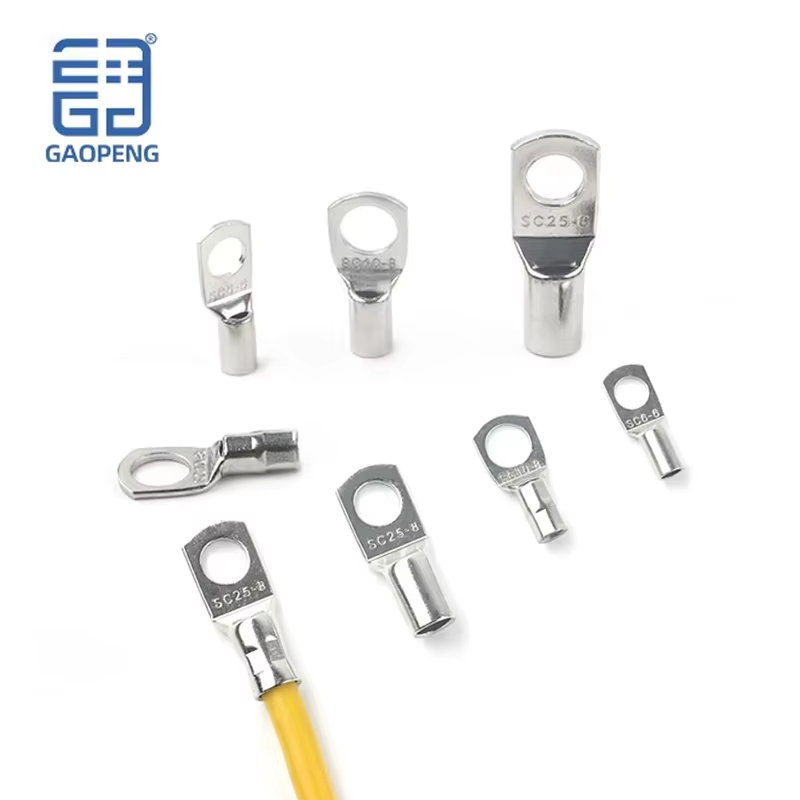
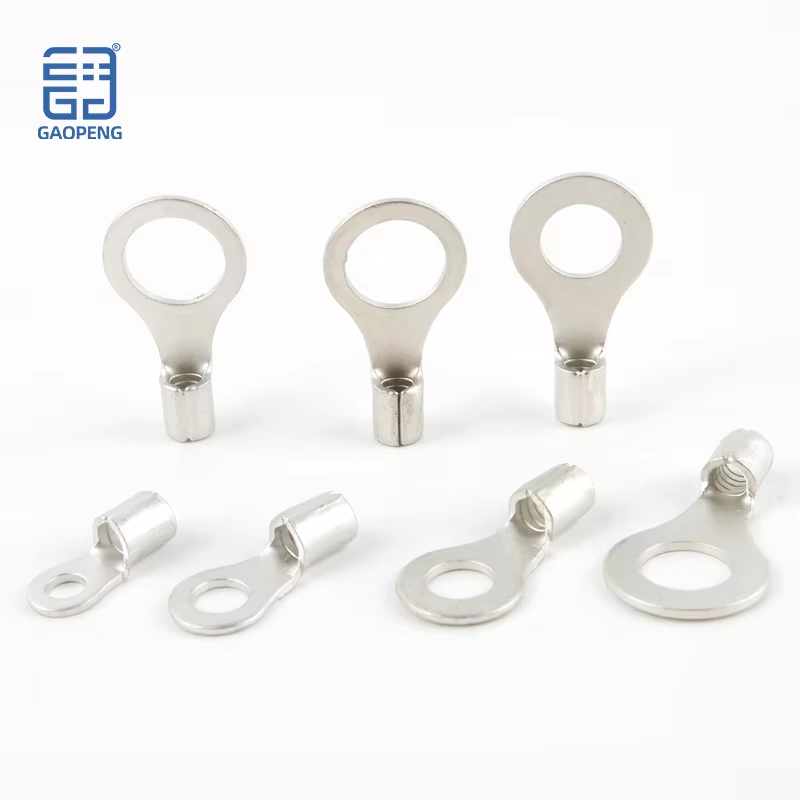
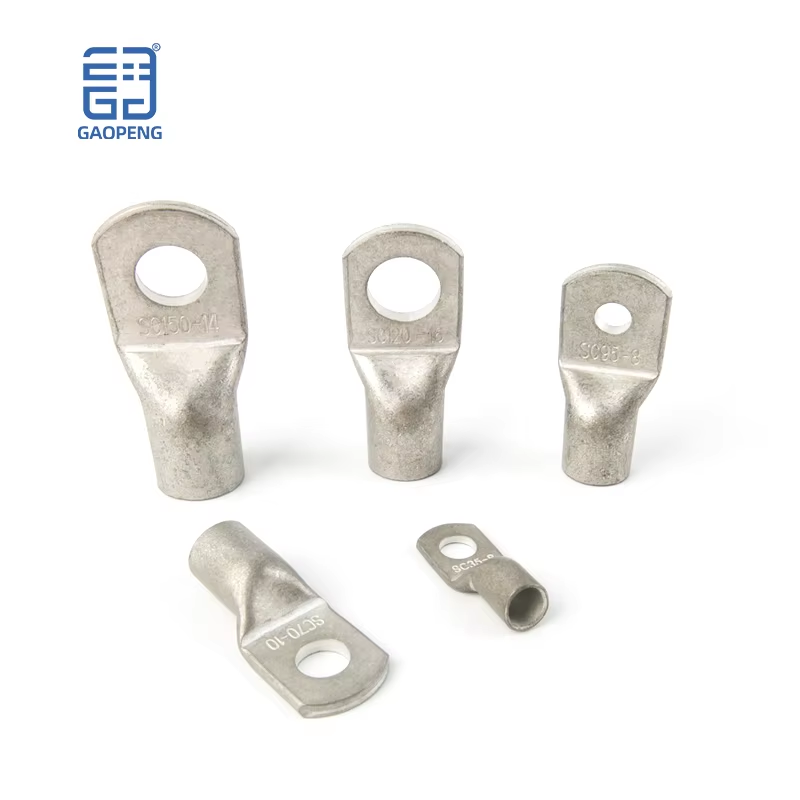
Getting a good grip on Cable Lugs Sizesis super important if you want your electrical connections to be reliable. Basically, Cable Lugs are those little connectors that link your cables to terminals — making sure your energy flows smoothly. Picking the right size really matters because it can affect how well your system works and, more importantly, its safety.
When you're choosing a cable lug, don’t forget — details like size are everything. Using one that's too big or too small can mean poor electrical contact, and that’s when things can go wrong — like overheating or even damaging the equipment. We often overlook this tiny detail, but honestly, it can have pretty serious consequences. The correct fit not only boosts the lifespan of your setup but also helps it run more efficiently.
Stuff like PowerConnect stresses this a lot — they’ll tell you, matching the lug size to your cable diameter isn’t just about making it fit. It’s about making the whole system work better. Thinking this through can really lead to smarter choices. So, yeah — paying attention to the size details really impacts how well everything holds together and performs, no matter what kind of project you’re working on.
Understanding Cable Lugs and Their Role in Electrical Systems
Cable lugs play a critical role in electrical systems. They connect wires to terminals, ensuring the reliability and efficiency of power transmission. The size of these lugs is essential. If a lug is too small, it may lead to overheating. A larger lug can provide better conductivity and connection stability.
A recent industry report highlighted that improper lug sizes are a leading cause of electrical failures. This affects systems across various sectors, from manufacturing to renewable energy. Electrical connections must maintain optimal performance. The right cable lug size varies depending on current capacity, wire gauge, and application.
Choosing the correct size isn't always straightforward. Alongside technical specifications, factors like temperature and environment should be considered. Many professionals overlook these details, leading to underperformance. There needs to be a balance between standards and real-world applications. Ultimately, awareness of these factors can enhance electrical systems' safety and reliability.
Types of Cable Lugs and Their Common Applications
Cable Lugs play a vital role in establishing electrical connections. They come in various types, each designed for specific applications. One common type is the crimp lugs, which are widely used in automotive and industrial settings. These lugs are effective for connecting wires to power sources or equipment, ensuring reliable electrical conductivity. A report from the International Electrotechnical Commission notes that crimp lugs can reduce the risk of connection failure by up to 30%.
Another prevalent type is the bolt-on lugs, utilized primarily in high-current applications. These lugs can handle substantial electrical loads, making them suitable for power distribution. In heavy machinery or utility installations, the use of properly sized bolt-on cable lugs can prevent overheating. Data suggests that improper sizing can increase resistance by as much as 15%, highlighting the need for precise selection.
Solder lugs offer a different approach, suitable for applications requiring permanent connections. They ensure low resistance and high reliability. However, they are not ideal for situations where frequent disconnections occur. It's essential to weigh the pros and cons of each type of cable lugs for specific tasks. Sometimes, installers may overlook the importance of size, leading to potential issues down the line. Being informed is crucial for the longevity of electrical systems.
Factors Influencing Cable Lug Size Selection
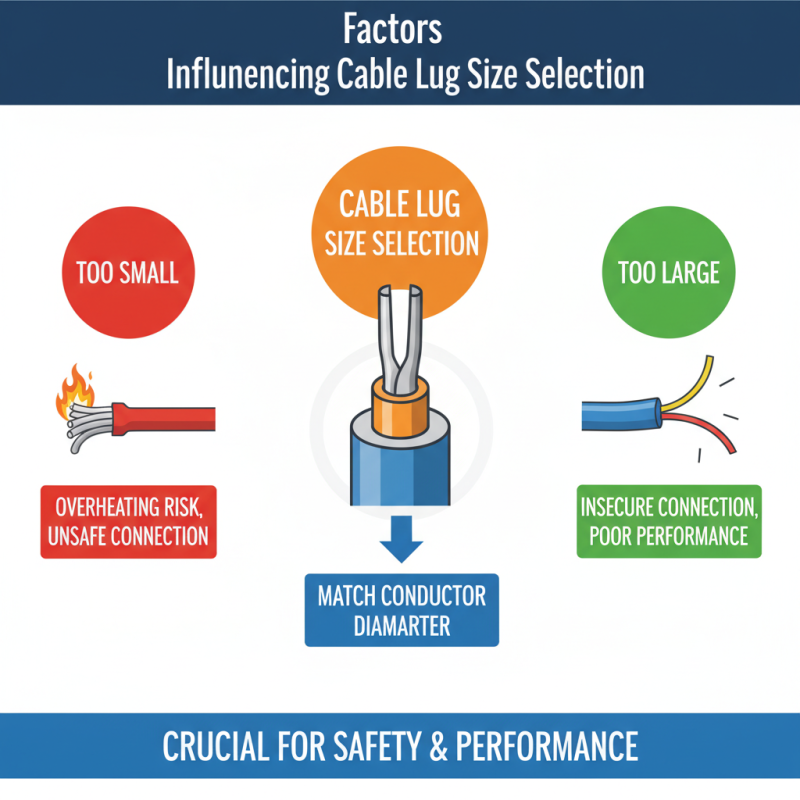
Selecting the right size for cable lugs is crucial for effective electrical connections. The size of the cable lug must match the conductor's diameter. If the lug is too small, it can cause overheating. Conversely, a lug that is too large may not provide a secure connection. This is vital for both safety and performance.
Another important factor is the current rating. Each application has specific amperage needs. A mismatch here can lead to failures. Environmental conditions also play a role. For instance, high humidity or corrosive environments can affect lug performance. Selecting materials that withstand these conditions is important.
Additionally, the type of connector influences size selection. Crimped lugs differ from bolted lugs in their requirements. Sometimes, even installation techniques vary based on lug size. It's easy to overlook these details, yet they are essential for a reliable connection. Making thoughtful choices can prevent future issues.
Consequences of Incorrect Cable Lug Sizing
Incorrect sizing of cable lugs can lead to severe consequences. When cable lugs are not the right size, connections may be loose. This can cause arcing, overheating, and even fires. The devices may fail unexpectedly. Standard sizes, like 25mm Cable Lugs, ensure a secure fit for most electrical applications.
Problems intensify when smaller lugs are used. They may not handle the current, leading to overheating. Conversely, larger lugs can create space issues. This can disrupt the entire system setup. These mistakes often stem from a lack of information or oversight during installation. It's essential to double-check measurements before committing.
Even experienced electricians can make sizing errors. A small mistake in choosing the lug size can have lasting impacts. It usually costs more time and resources to correct the issue. Proper training is vital for avoiding these common pitfalls. Reliable connections are the foundation of any electrical system.
Best Practices for Installing Cable Lugs Properly
When installing cable lugs, precision is vital. The size of cable lugs affects conductivity and safety. Improper sizing can lead to overheating and potential failure. According to a report by the Electrical Safety Foundation International, 50% of electrical failures are linked to poor connections. This emphasizes the importance of using the right Cable Crimp Lugs for the job.
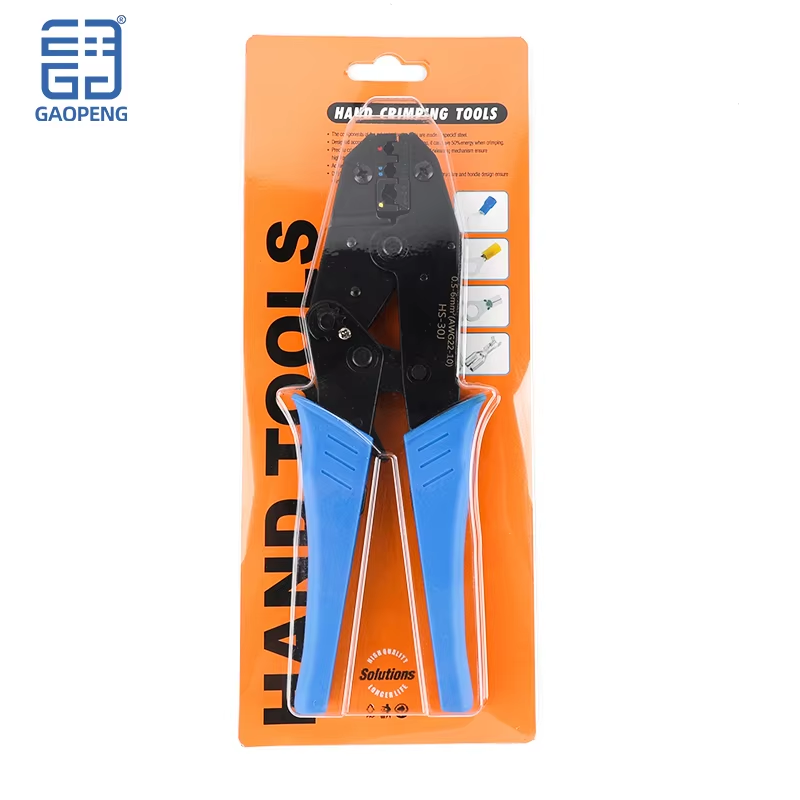
Here are some best practices for installation. Always check the wire gauge before choosing lugs. Use a crimping tool that matches the lug size. This ensures a secure connection. Avoid over-crimping, as this can damage the wire strands. A study by the Institute of Electrical and Electronics Engineers found that almost 30% of electrical fires result from loose connections.
After crimping, inspect each connection carefully. Look for signs of corrosion or loose wires. Conduct routine maintenance to ensure lasting performance. Neglecting these steps can lead to serious safety hazards.Remember, choosing the right size for Cable Crimp Lugs is not just recommended;it's essential for safe electrical systems.
Maintaining Cable Lugs for Long-Term Electrical Performance
Maintaining cable lugs is crucial for long-term electrical performance. Proper maintenance ensures reliable connections and prevents electrical failures. Dirty or corroded cable lugs can lead to resistance, causing overheating and potential hazards.
One effective tip is to conduct regular inspections. Look for signs of wear or corrosion. Keep your lugs clean. You can use a soft brush and cloth to remove any dirt. Regular cleaning can extend the lifespan of your connections.
Another suggestion is to apply anti-oxidation compounds after cleaning. This can help protect the lugs from moisture and corrosion. However, be cautious with the amount applied. Too much can create issues instead of solving them. Always follow manufacturer guidelines for optimal results.
It’s important to check the tightness of lugs periodically. Loose connections can cause excessive heat and may lead to further problems. Tightening them occasionally is a small task that goes a long way in maintaining electrical safety.
Safety Standards and Regulations for Cable Lugs in Electrical Connections
The importance of safety standards for cable lugs cannot be overstated. Electrical connections rely heavily on the proper sizing of cable lugs. Poorly sized lugs can lead to overheating or failure. According to a report from the National Electrical Manufacturers Association (NEMA), improper connections can account for 30% of electrical failures in industrial settings.
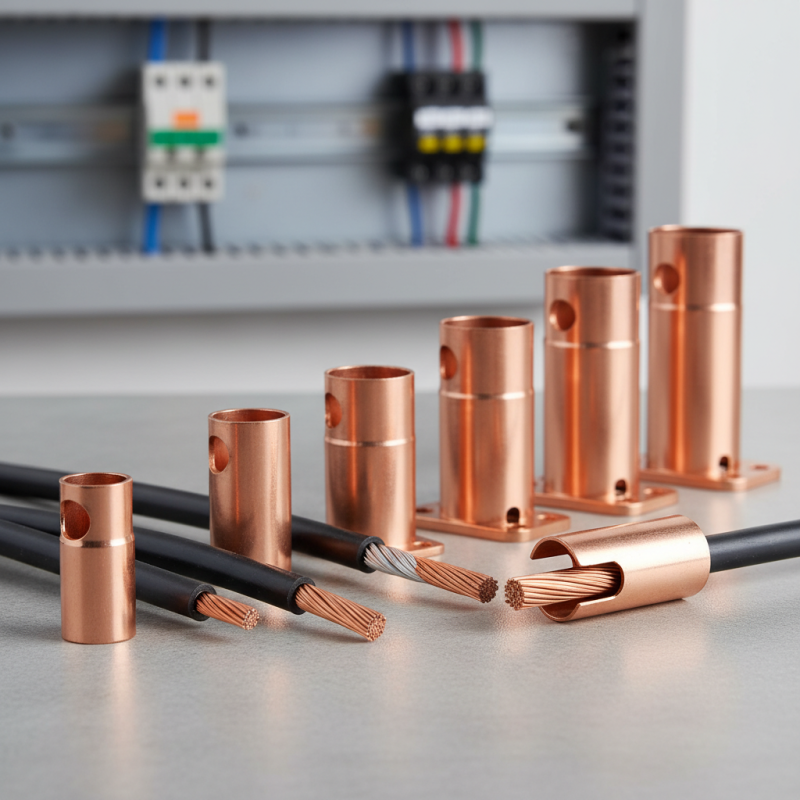
Regulatory bodies like the International Electrotechnical Commission (IEC) set strict guidelines. They emphasize testing for heat resistance and conductivity. These guidelines apply to Copper Cable Lugs and their correct installation. Each size has its specific application, influenced by the ampacity of the copper wire it connects. Overlooking size can lead to dangerous situations.
Additionally, some installations lack clarity in lug selection. This oversight often stems from a misunderstanding of the needed amperage. A study conducted by the IEEE found that nearly 40% of electrical engineers felt uncertain about lug specifications. Selecting the wrong size can have severe consequences. Safety should always guide the decision-making process when working with copper cable lugs.
FAQS
: Cable lugs connect wires to terminals. They ensure reliable power transmission in electrical systems.
The size affects overheating risks and connection stability. Too small lugs can lead to failures.
Common types include crimp lugs, bolt-on lugs, and solder lugs. Each type serves different applications.
Crimp lugs work well in automotive and industrial settings. Bolt-on lugs handle high-current applications better.
Consider conductor diameter, current rating, and environmental conditions. Each element impacts performance.
A small lug can overheat, while a large one may fail to secure the connection properly.
Yes, professionals often overlook size, material, and installation techniques. These oversights can cause future issues.
Assess application demands and environmental factors. Awareness of these aspects improves reliability.
Different types serve varying needs. Making informed decisions aids in the longevity of electrical systems.
High humidity or corrosive situations can compromise performance. This oversight can lead to significant failures.
Conclusion
Understanding cable lugs sizes is crucial for ensuring efficient and safe electrical connections within various systems. Cable lugs serve as essential components that facilitate the connection between cables and electrical equipment. The type and size of cable lugs selected significantly affect their performance, as they must match the conductor size and electrical load requirements.
Choosing the wrong cable lug size can lead to issues such as overheating, increased resistance, and ultimately, system failure. It's also important to consider applicable safety standards and regulations to ensure all installations meet necessary guidelines. Proper installation and regular maintenance of cable lugs can enhance their lifespan and ensure reliable electrical performance, making it essential for professionals to prioritize appropriate sizing and adherence to best practices in their electrical work.