Leave Your Message
In today's fast-changing world of industry, having reliable and efficient electrical connections is more important than ever. That’s where Electrical Connector Crimpers come into play—they’re essential for making sure those connections are solid and built to last. At Yueqing Gaopeng Electric Co., Ltd., we started back in 2016 right in Wenzhou City, Zhejiang Province. We’re all about designing, developing, and manufacturing a wide range of terminals and connectors that use cutting-edge crimping tech. Our yearly output is pretty impressive—running into billions—and we ship our products all over the world, including Asia, Europe, America, and Africa. We’re passionate about innovation, and that shows in how our products are used across different industries. In this blog, I want to share how electrical connector crimpers are being used in new and exciting ways, showing how they help improve connectivity, boost efficiency, and really make a difference for a lot of businesses today.
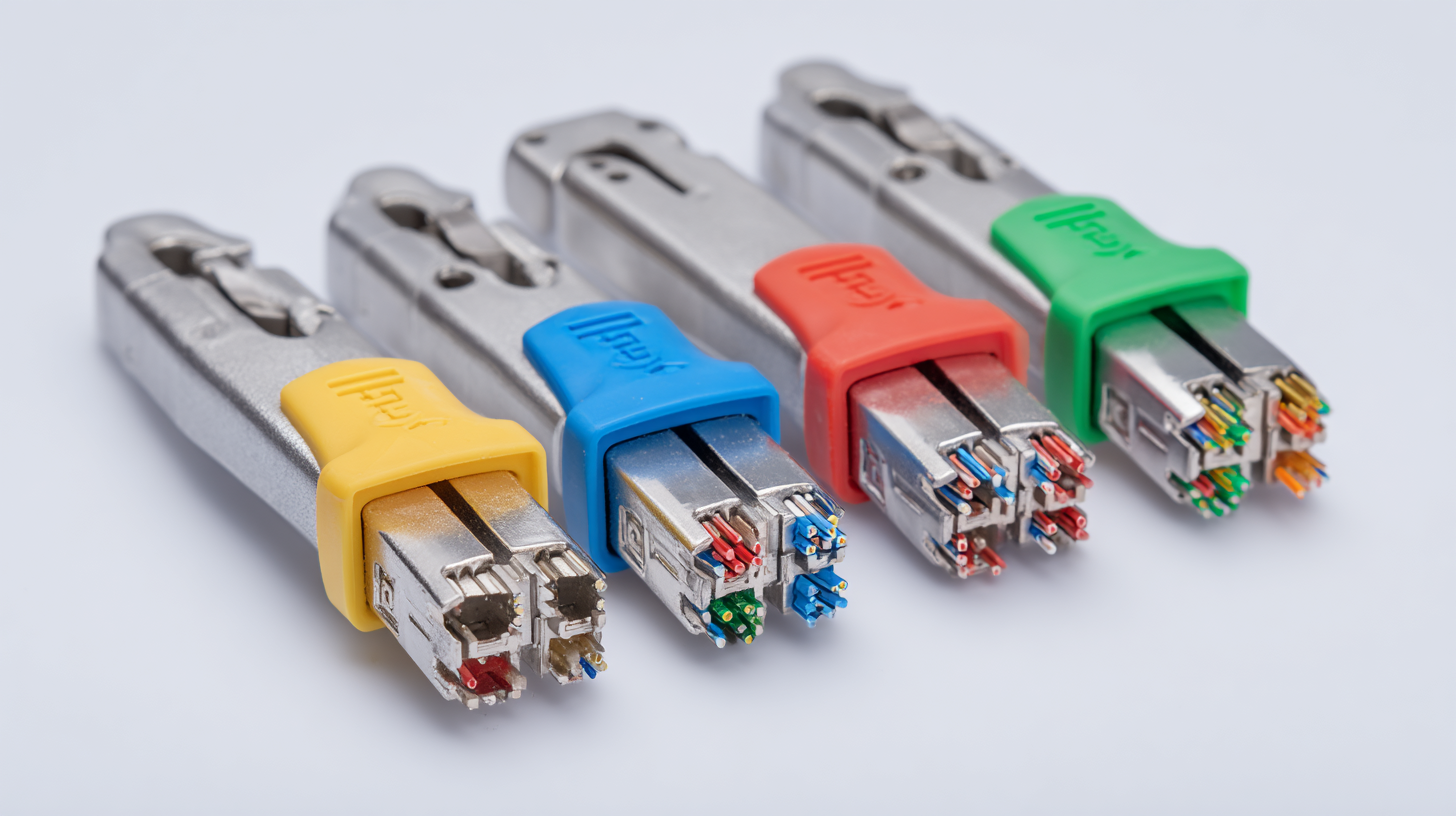
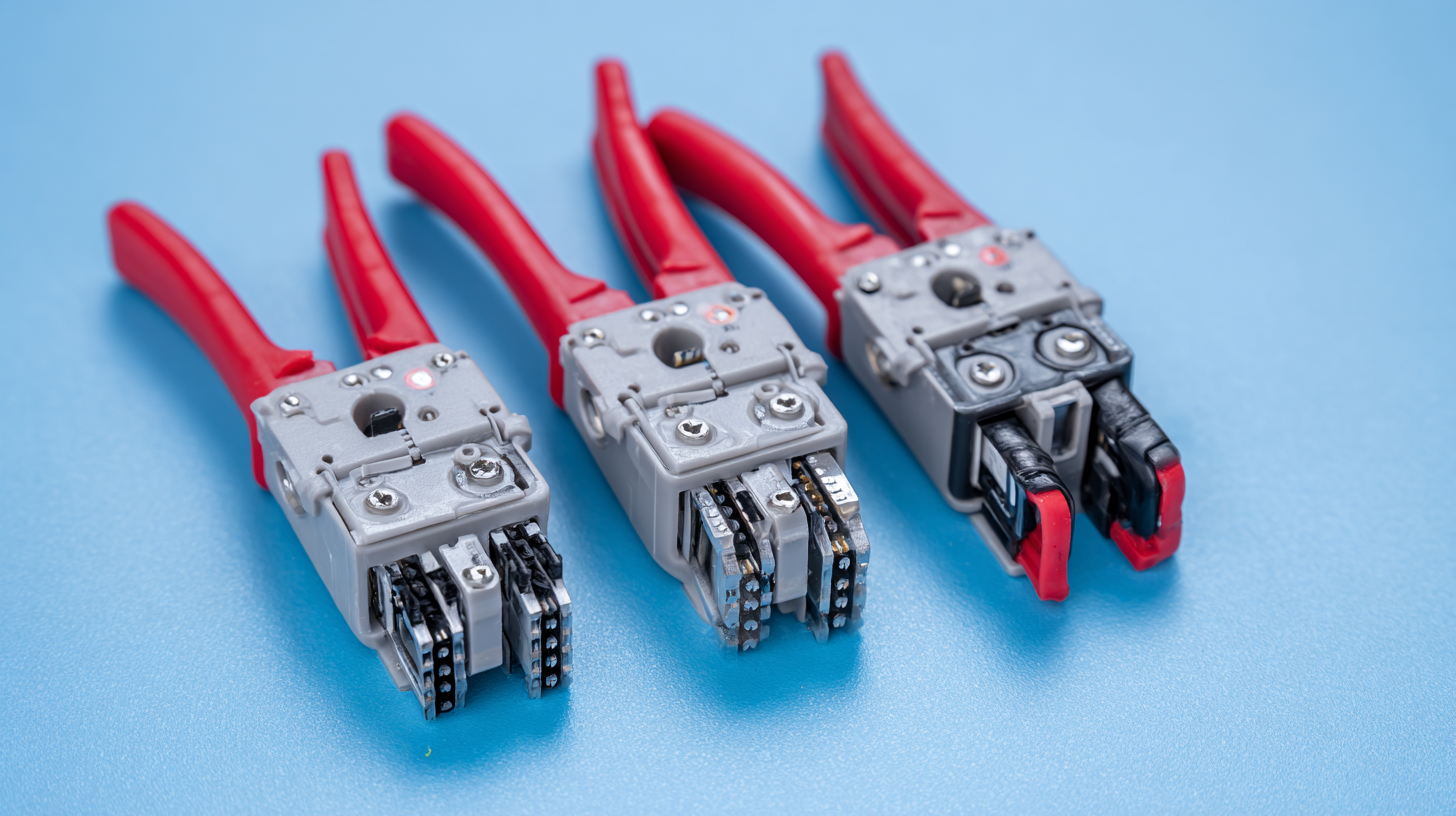
The world of electrical connector crimping technology is changing pretty fast these days. Everyone’s looking for ways to make the process more efficient and reliable, no matter the industry. One of the coolest recent developments is how automation is really taking hold in crimping. Nowadays, automated machines fitted with smart sensors and control systems can deliver consistent quality without the usual human mistakes. It’s a real game-changer — speeding up production and cutting down on waste, which is a big deal especially in fields like automotive and telecom where every little detail counts.
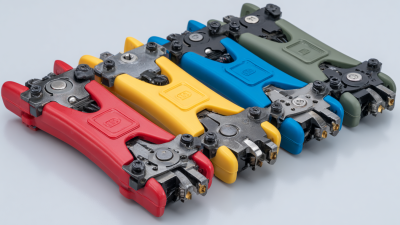
And then there’s the rise of smart Crimping Tools. These gadgets come with digital screens or interfaces that give technicians real-time data and feedback. It’s pretty handy because they can spot issues instantly and tweak settings right away, making sure every connection is up to snuff. Companies in aerospace and manufacturing are jumping on this bandwagon because it helps keep quality standards sky-high during assembly. As things keep evolving, staying in the loop with these new tech innovations in connector crimpers is pretty much essential if you want to stay ahead of the game and keep your product reliable.
| Industry | Primary Use Case | Trend | Emerging Technology |
|---|---|---|---|
| Automotive | Connector assembly for wiring harnesses | Increased automation in manufacturing | Smart crimping tools with sensors |
| Telecommunications | Network cabling and fiber optic connectors | Transition to higher bandwidth technologies | Precision crimping technology |
| Consumer Electronics | Assembly of electronic devices | Miniaturization of components | Wireless crimping solutions |
| Renewable Energy | Solar panel installations | Integration of sustainable practices | Temperature-resistant crimp technology |
| Aerospace | Wiring in aircraft | Focus on lightweight materials | Advanced crimping inspection systems |
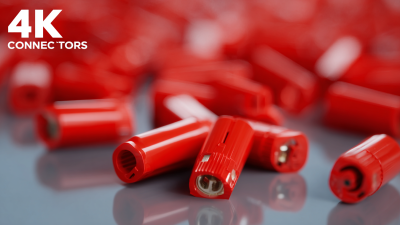
In modern electrical systems, the significance of reliable connectors cannot be overstated. One crucial component that ensures safe and efficient connections is the nylon insulated butt connector. Recent industry reports have highlighted the essential role these connectors play in enhancing electrical safety and improving overall performance. By effectively joining two wires together, nylon insulated butT connectors provide a secure and insulated connection that withstands the rigors of daily use.
Gaopeng's BNYF model, designed from high-quality copper with nylon insulation, exemplifies the superior quality and functionality that professionals look for in electrical components. The combination of copper's excellent conductivity and nylon's protective insulation ensures that the connections made using these connectors resist corrosion and minimize the risk of electrical shorts. This is particularly important in environments where moisture, dust, or other contaminants may compromise electrical integrity.
Moreover, the easy installation process of nylon insulated butt connectors makes them a preferred choice for both DIY enthusiasts and industry experts. With their durability and reliability, these connectors not only promote safety but also contribute to the longevity of electrical systems. Investing in products like Gaopeng’s BNYF ensures that your electrical projects are built on a foundation of strength and safety, reflecting the latest advancements in connector technology.
: The emerging trends include the integration of automation into the crimping process, the use of advanced sensors and control systems in automated machines, and the adoption of smart crimping tools with digital interfaces for real-time monitoring.
Automation enhances production speed, ensures consistent quality, minimizes human error, and dramatically reduces waste, making it particularly beneficial for industries such as automotive and telecommunications.
The automotive sector emphasizes speed and cost-effectiveness, while the aerospace sector prioritizes precision and performance due to the extreme conditions and safety requirements of flight.
Smart crimping tools allow technicians to conduct instant quality checks and adjust parameters in real time, ensuring that every connection adheres to strict quality standards.
Crimpers enhance the efficiency of electric vehicle charging systems and are instrumental in creating strong electrical connections for sustainable technologies, improving safety and operational performance.
Non-crimp fabrics in fibre-reinforced composites are being used, providing superior strength-to-weight ratios ideal for renewable energy applications like wind turbine blades and solar panel frames.
Staying updated is essential for optimizing production processes and enhancing product reliability, particularly as technology continues to evolve across various sectors.
The integration of digital interfaces allows for real-time monitoring and data reporting, which improves efficiency and allows for immediate adjustments to maintain high-quality standards.
Recent studies demonstrate how combining innovative techniques, like high-temperature vacuum-assisted resin transfer molding, with traditional crimping methods can produce robust and lightweight connections essential for aerospace applications.
Reducing waste not only improves efficiency and lowers costs but also supports sustainability initiatives within industries that are increasingly focused on environmental responsibility.