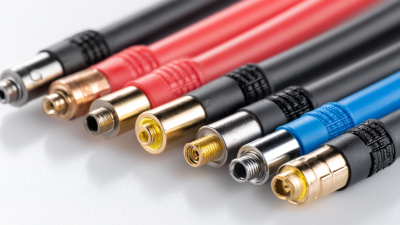
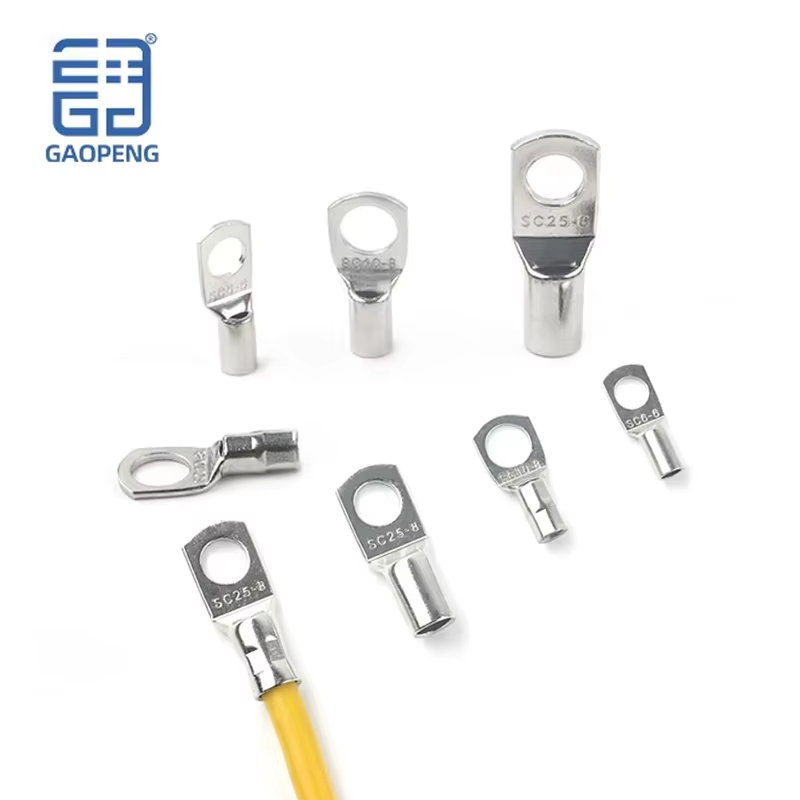
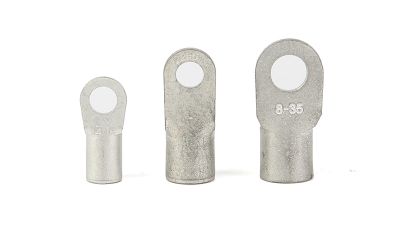
In the fast-paced world of electrical components, Copper Terminals are pretty essential. They might seem like a small detail, but they really do the heavy lifting when it comes to making reliable connections—whether you’re dealing with industrial gear or everyday gadgets. Buyers from all over the globe are often on the hunt for trustworthy suppliers who can deliver quality consistently.
When you look at the big players like TE Connectivity and Molex, it’s clear they’ve earned their reputation by focusing on quality and pushing innovation. That said, the industry isn’t always smooth sailing. Sourcing top-notch Copper Terminals can get tricky, especially with market prices and availability bouncing around all the time. So, it’s super important for buyers to stay in the loop about what's happening economically.
Choosing the right supplier is a lot about experience and track record. You want someone who’s proven they can deliver solid quality, time after time. Reliability is key here because the whole project can hinge on getting the right components. At the end of the day, finding that perfect supplier can really make or break your product’s performance. It takes some digging and thinking things through, but the payoff is totally worth it when you get it right.
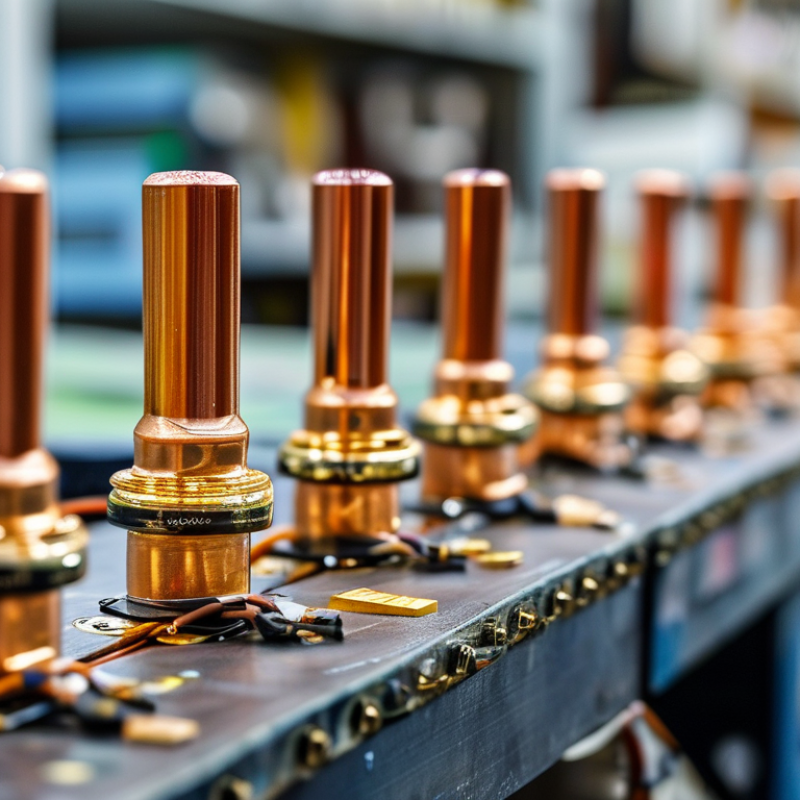
Overview of Copper Terminals and Their Applications
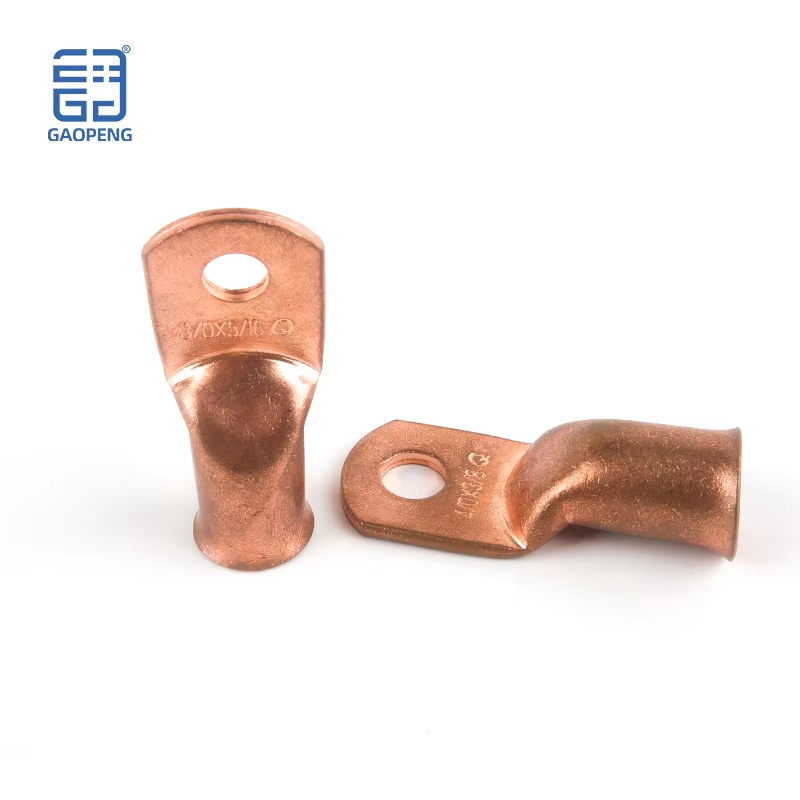
Copper terminals, particularly Copper Ring Terminals, play a vital role in electrical systems. These components ensure stable connections, especially in harsh environments. Their application spans various sectors, including automotive, aerospace, and renewable energy. According to market research, the global copper terminals market is projected to grow at a CAGR of 5.3% from 2023 to 2030. This growth is fueled by the increasing demand for efficient electrical connections.
Choosing the right copper terminal is crucial. Factors like thickness, size, and insulation impact performance. For instance, using a thick Copper Ring Terminal improves conductivity and reduces heat generation. Proper selection minimizes risks of system failures. Given their wide usage, it's essential to understand their specifications and applications closely.
Tips: Always check the compatibility of the terminal with your cable type. Proper fittings ensure longevity and reliability. Additionally, consider the environmental conditions where the connections will be used. Regular inspections can also prevent unexpected failures. Remember, not every terminal is suitable for every application; understanding specifications is key.
Key Factors in Selecting Copper Terminals Suppliers
When sourcing copper terminals, factors like quality and reliability are essential. Buyers must assess the manufacturer’s experience in producing U Shape Copper Ring Terminals. A supplier’s expertise guarantees consistency in products, ensuring they meet industry standards.
Certifications play a key role in supplier selection. They reflect a commitment to quality control and adherence to safety regulations. Buyers should request documentation to confirm these credentials. It's wise to query previous projects and client feedback. This provides insight into the supplier's reliability and performance history.
Pricing is another significant factor. While cost-effectiveness is important, it shouldn't compromise quality. Low prices may indicate inferior materials or production methods. Striking a balance between quality and price is crucial. Make sure the chosen supplier offers competitive rates without sacrificing the integrity of U Shape Copper Ring Terminals. Evaluate samples to observe the craftsmanship. Doing so helps ensure the final products meet your specific needs.
Top Copper Terminals Suppliers for Global Buyers Inquiry
Top Global Copper Terminals Suppliers: A Comprehensive List
When sourcing for copper terminals, global buyers require a list of dependable suppliers. Copper terminals play a vital role in various industries, offering reliable connections for electrical systems. Among them, High-Quality U Shape Copper Ring Terminals are highly sought after due to their design, which ensures a secure fit and excellent conductivity.
The selection process should include verifying the suppliers' manufacturing processes and quality control measures. A thorough assessment of their certifications can reveal their commitment to industry standards. Buyers might also benefit from reaching out to communities where professionals gather, as sharing experiences can lead to discovering new and reliable suppliers.
Estimating lead times and understanding shipping policies is crucial. Global dynamics can affect availability and costs; thus, it's essential to stay updated. Some suppliers may appear promising but falter in communication or responsiveness. This inconsistency can lead to mismanaged expectations. Reflecting on these areas can guide buyers to make better-informed decisions in their sourcing journey.
Comparative Analysis of Supplier Pricing and Quality
In the copper supply market, understanding pricing and quality is crucial. Recent industry reports indicate that copper prices have seen fluctuations, with a 20% increase in the past year due to supply chain disruptions. This has direct implications for buyer budgets and supplier selections. Buyers must compare not only the pricing but the quality of the copper terminals being offered.
A key factor affecting quality is the purity of copper used. High-quality copper terminals often have a purity level exceeding 99.9%. Lower purity can lead to performance issues, impacting the overall effectiveness of the terminal in electrical applications. Buyers should request certification and quality assurance reports from suppliers to evaluate this aspect effectively.
Tips: Always verify supplier credentials. Look for industry certifications and customer reviews. This can save time and mitigate risks in the supply chain.
Moreover, some suppliers might offer cheaper rates simply to gain market entry, which can affect long-term reliability. It's essential for buyers to weigh the immediate cost benefits against potential quality pitfalls. Tracking supplier performance data and understanding market trends is vital for making informed decisions. Fact-based analysis can guide negotiations, ensuring that the final choice aligns with quality expectations.
Supplier Certifications and Compliance Standards in the Copper Industry
In the copper industry, supplier certifications are crucial for ensuring product quality and compliance with international standards. Reports indicate that over 70% of buyers prioritize certifications when selecting suppliers. This reflects the industry's emphasis on quality assurance and traceability in sourcing copper products. Compliance with regulations such as RoHS and ISO standards is often non-negotiable for leading suppliers.
Many copper terminals suppliers pursue certifications like ISO 9001 to demonstrate their commitment to quality management. These standards play a vital role in enhancing customer confidence. For instance, a recent study found that suppliers with recognized certifications can experience up to a 30% increase in buyer inquiries. Furthermore, manufacturers of specific products, such as Wholesale U Shape Copper Ring Terminals, must adhere to rigorous testing protocols to meet safety standards.
Not all suppliers maintain the same level of compliance. Some may lack essential certifications, leading to inconsistencies in product quality. It is essential for buyers to conduct thorough research before engaging with suppliers. Engaging with suppliers who have third-party verification ensures transparency. This diligence can help mitigate risks and ensure a steady supply of quality products in the copper market.
Trends in the Copper Terminals Market and Future Projections
The copper terminals market is witnessing notable changes. Recent trends indicate a growing demand due to the expansion of the electric vehicle sector. More manufacturers are focusing on sustainable practices in copper production. This shift is driven by both regulatory pressure and consumer preferences for greener products. Technological advancements are also playing a crucial role. Innovations in production processes lead to higher efficiency and lower costs.
Future projections suggest ongoing growth. Analysts predict that global demand for copper terminals will increase significantly by 2025. Factors such as infrastructure development and renewable energy deployment are contributing to this upward trend. However, challenges remain. Supply chain disruptions could impact production timelines and pricing. Market players need to adapt swiftly to maintain their competitive edge.
Investors and buyers should stay informed about these dynamics. Keeping an eye on technological developments and market conditions is vital. Networking with reliable suppliers can also provide insights. Engaging in discussions about innovations might reveal new opportunities. This evolving landscape demands a proactive approach from all industry participants.
Top Copper Terminals Suppliers for Global Buyers Inquiry - Trends in the Copper Terminals Market and Future Projections
| Supplier Region | Market Share (%) | Annual Revenue (in million USD) | Years in Operation | Expected Growth Rate (%) |
| North America | 25 | 500 | 20 | 5 |
| Europe | 30 | 600 | 15 | 4 |
| Asia-Pacific | 35 | 700 | 10 | 6 |
| Latin America | 5 | 200 | 12 | 3 |
| Middle East & Africa | 5 | 150 | 8 | 3.5 |
Buyer Considerations for Sustainable and Ethical Sourcing
Sourcing copper terminals sustainably and ethically is crucial for global buyers. It goes beyond just price and supply chain. Buyers need to consider the environmental and social impacts of their choices. This approach promotes responsibility in sourcing.
When selecting suppliers, ask about their sourcing practices. Confirm their commitment to sustainable mining methods. Transparency in supply chains is key. Reliable suppliers will provide information on their environmental policies. They should also share how they support local communities affected by mining activities.
Tips: Look for certifications that indicate responsible sourcing. Take the time to evaluate supplier practices. Engaging in dialogue with suppliers can uncover hidden practices. Remember, ethical sourcing can enhance your brand's reputation in the long term. Seek feedback from industry peers about their experiences with potential suppliers.
Essential Guide to OT Non-Insulated Copper Ring Crimp Terminals: Features, Benefits, and Applications
When selecting the right non-insulated copper ring crimp terminals, one should consider the essential features and benefits they offer, especially for demanding electrical environments. Engineered for precision and protection, these terminals are equipped with high-density pre-insulated nylon sleeves that can withstand temperatures from -20°C to +80°C. This remarkable resilience against oil, moisture, and vibration eliminates the need for heat shrink tubing, resulting in a significantly faster installation process—up to 50% quicker.
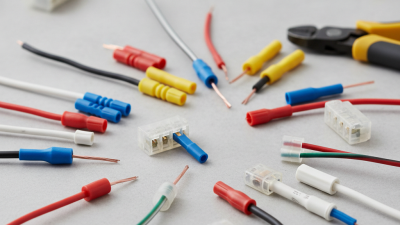
In addition to their durability, the terminals feature military-grade conductivity thanks to their tin-plated brass core, ensuring a conductivity level of 28% or higher. With the ability to handle 20A of continuous current and crimping resistance as low as 0.5 milliohms, these terminals provide dependable performance for various applications. Furthermore, the anti-mismatch color coding with red, blue, and yellow sleeves adheres to industry polarity standards, effectively reducing the risk of misconnection by 90%, thus enhancing overall safety and reliability in electrical connections.
The streamlined design promotes efficient installation, allowing for a solder-free connection accomplished in just three seconds using standard crimpers for wire sizes AWG 22-10. This ease of use combined with solid performance characteristics makes non-insulated copper ring crimp terminals an optimal choice for professionals seeking reliable and fast solutions in their electrical projects.
FAQS
: Copper terminals provide reliable connections for electrical systems across various industries.
Certifications ensure product quality and compliance with international standards in the copper industry.
Verify their manufacturing processes and review their quality control measures and certifications.
Estimating lead times is crucial, as global dynamics can affect availability and costs.
Connecting with professional communities can help share experiences and discover dependable suppliers.
Suppliers without essential certifications may show inconsistencies in product quality, which can be risky.
Compliance with standards like RoHS and ISO can increase buyer inquiries and build customer trust.
Poor communication from suppliers can lead to mismanaged expectations and sourcing setbacks.
Suppliers must follow rigorous testing protocols to ensure safety and quality of their copper products.
Yes, third-party verification enhances transparency and minimizes risks in supplier relationships.
Conclusion
The article titled "Top Copper Terminals Suppliers for Global Buyers Inquiry" provides a comprehensive overview of copper terminals, detailing their various applications in numerous industries. It highlights the critical factors buyers should consider when selecting suppliers, such as pricing, quality, and compliance with industry standards. A thorough comparative analysis of the top global suppliers reveals key insights into their offerings, enabling informed purchasing decisions.
Additionally, the article discusses the importance of supplier certifications and compliance within the copper industry, emphasizing trends in the market and future projections. It also focuses on buyer considerations for sustainable and ethical sourcing, ensuring that procurement aligns with responsible practices. Overall, this resource serves as an essential guide for global buyers looking to navigate the complex landscape of copper terminals and make strategic sourcing choices.