Picking out the right Electrical Wire Connectors is super important when you're working on any electrical project. Did you know the global market for these connectors is expected to hit around $24 billion by 2024? Crazy, right? Honestly, with so many options out there, it can feel pretty overwhelming trying to figure out which one to go for. Different types are designed for different purposes, and choosing the wrong one could lead to safety issues, bad connections, or even costly mistakes.
Research from Allied Market Research points out that roughly 30% of electrical failures are due to incorrect connector use. That’s a pretty big deal and shows just how crucial it is to be well-informed when shopping for these connectors. Plus, things like wire gauge, insulation material, and the kind of environment you’re working in really matter when it comes to how well a connector will perform. Taking the time to consider all these factors makes a huge difference in making sure your setup stays reliable.
Even pros who’ve been at it for years sometimes find themselves scratching their heads over which connector to use for certain tasks. Honestly, I’ve been there — reflecting on past choices and wishing I knew more. But here’s the thing: with a little guidance, anyone can get better at navigating this part of electrical work. Knowing what each connector is for and the specs to watch out for is a step towards safer, more efficient circuits and systems.
Understanding Different Types of Electrical Wire Connectors and Their Uses
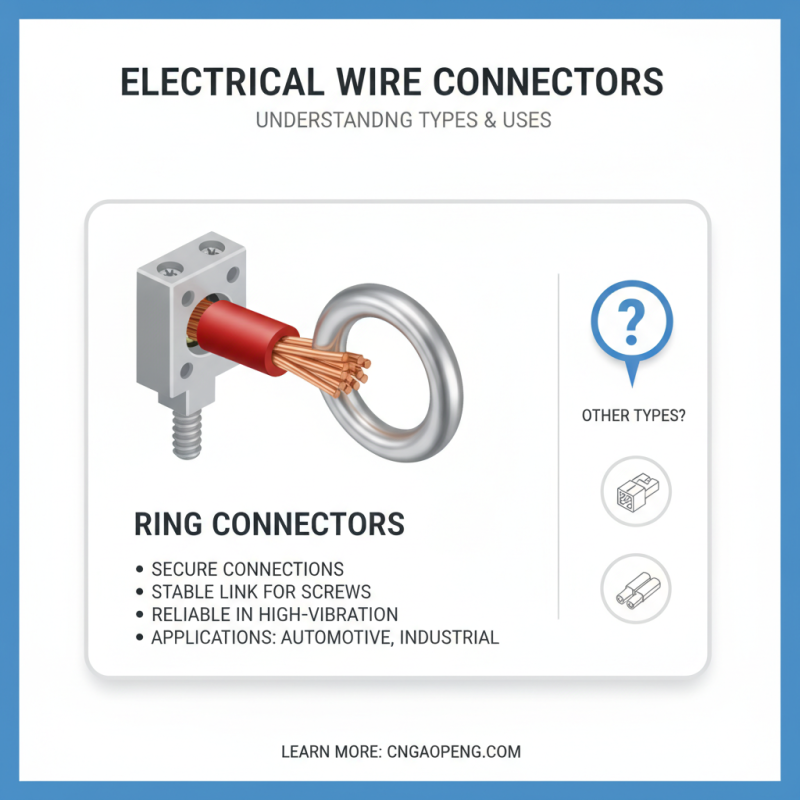
When selecting electrical Wire Connectors, understanding the different types is essential for optimal use.Electrical Wire Ring Connectors, for example, create secure connections. They are ideal for applications where a stable link is necessary. These connectors feature a circular ring that fits over screws. This design ensures reliability, especially in high-vibration environments.
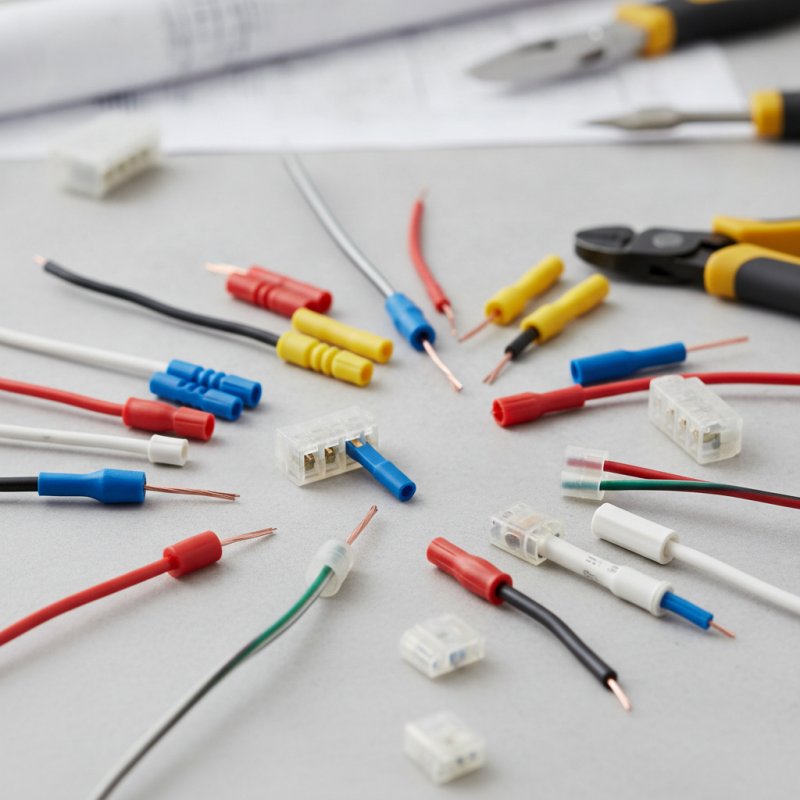
Another common type is the Butt Connector. This connector joins two wires end-to-end. It’s vital to choose the right size and material, as a poor fit can lead to failure. Crimping is also essential; improper techniques can cause weak connections. While these connectors are easy to use, ensure you practice proper methods to avoid mistakes.
In addition, there are splicing connectors, which are essential for joining multiple wires. These connectors allow for efficient wiring in complex applications. However, one should note that they require careful installation. A small error can lead to significant issues later. As you explore these options, keep in mind the functions and environments where each type is best suited.
Evaluating Connector Materials: Insights on Copper vs. Aluminum Options
When evaluating electrical wire connectors, material choice is crucial. Copper and aluminum are popular options. Each material has distinct properties affecting performance. Copper is known for excellent conductivity and reliability, making it a common choice in many applications. Its ability to resist corrosion contributes to longer-lasting connections.
On the other hand, aluminum is lightweight and cost-effective. However, it can oxidize, which may affect the connection quality over time. This is where careful consideration becomes essential. Selecting the right connector for your project involves understanding these characteristics.
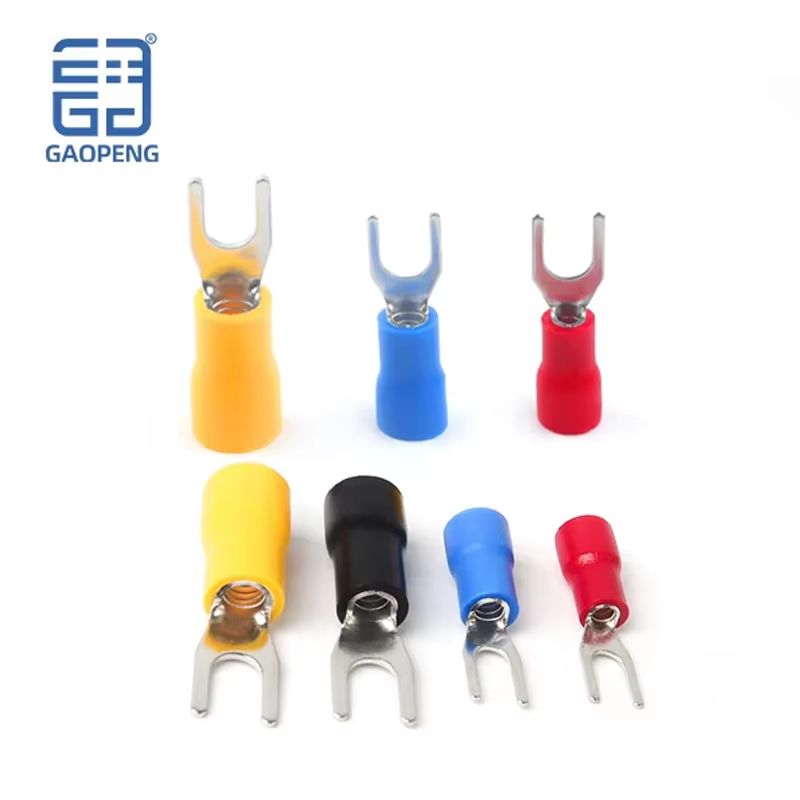
Electrical Wire Spade Connectors, for example, can be made from either material. In situations where weight is a concern, aluminum might be preferred. For critical electrical systems needing reliability, Copper connectors are often favored. Balancing cost, performance, and application requirements can be challenging. It's important to weigh these factors against the specific needs of your project to ensure a sound decision.
Assessing Electrical Wire Connector Ratings: Amperage and Voltage Considerations
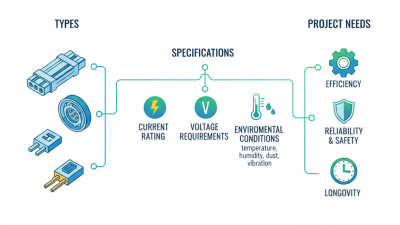
When selecting electrical wire connectors, understanding their ratings is crucial. Amperage and voltage ratings are two key factors to consider. Amperage indicates the maximum current a connector can safely handle. Exceeding this limit could lead to overheating or circuit failure. For instance, a connector rated for 15 amps should only be used within that capacity.
Voltage ratings are equally important. They specify the maximum voltage the connector can tolerate. Using a connector beyond its voltage rating risks insulation breakdown and electrical arcing. Analyzing the specific application is key. Look at the circuit’s requirements and environmental factors. Factors such as temperature, moisture, and vibration also influence connector performance.
While it may seem straightforward, many people overlook these details. It's easy to assume all connectors are equal, leading to potential hazards. Properly assessing ratings can prevent costly mistakes. Don’t hesitate to consult with a professional if you're uncertain. Understanding these considerations boosts safety and ensures reliability in your electrical projects.
Identifying Connector Sizes: How Gauge Affects Compatibility and Performance
When selecting electrical wire connectors, understanding gauge sizes is crucial. Wire gauge determines the diameter of the wire and affects compatibility and performance. A lower gauge number indicates a thicker wire, which can carry more current. Conversely, a higher gauge number signifies a thinner wire, suitable for less power. Using the wrong gauge can lead to overheating and potential circuit failure.
Tips: Always match connector gauge and wire gauge. This ensures proper fit and optimal performance. For low-voltage applications, consider using smaller gauge wires. They can save space and reduce costs.
It's common to overlook gauge sizing in projects. Many assume all connectors work universally. This can lead to unexpected challenges. Always double-check the specifications for both connectors and wires. A proper fit is essential for safety. Inconsistent connections can result in malfunctions, causing frustration and additional expenses. Being meticulous with these details pays off in the long run.
Electrical Wire Connectors: Sizes, Gauges, and Applications
| Connector Type | Wire Gauge (AWG) | Max Current (Amps) | Compatibility | Typical Applications |
| Butt Connector | 22-10 AWG | 5-30 Amps | Universal for various gauges | Automotive, Home Appliances |
| Ring Terminal | 14-8 AWG | 15-50 Amps | Compatible with bolts and screws | Electric Panels, Ground Connections |
| Spade Connector | 16-12 AWG | 10-30 Amps | Fits into various terminal blocks | Home Electronics, Machinery |
| Bullet Connector | 18-14 AWG | 5-25 Amps | Mates with bullet connectors | Industrial Equipment, Automotive |
| Wire Nut | 18-10 AWG | 10-30 Amps | Multiple wires together | Electrical Wiring, Lighting |
Exploring Connector Styles: Crimp, Screw, and Soldering Techniques Explained
When choosing electrical wire connectors, crimp, screw, and soldering techniques offer unique advantages. Crimp connectors are popular for their ease of use. They create a strong connection through a simple squeezing action. This method requires minimal tools and is suitable for various wire sizes. However, improper crimping can lead to unreliable connections, which might cause electrical issues over time.
Screw connectors provide another option. These connectors allow for easy disconnection and reconnection. They are ideal for temporary setups but can loosen with vibration. It’s essential to check connections periodically. Soldering techniques, on the other hand, offer a permanent solution. Soldering bonds wires with a molten filler. This creates a durable and conductive joint. Yet, soldering demands a specific skill set and tools. A poorly soldered joint can lead to failure, requiring rework.
Considering these techniques can seem daunting. Each method has pros and cons that vary based on your project. Crimping is quick, but mistakes matter. Screws may loosen, needing attention. Soldering requires practice to perfect. Reflecting on your specific needs will help guide your choice effectively.
Reviewing Industry Standards and Certifications for Reliable Connectors
When selecting electrical wire connectors, understanding industry standards is crucial. Connectors need to meet safety regulations set by organizations like IEC and UL. These standards ensure reliability and efficiency during electrical installations. For instance, connectors rated for 600 volts or higher often require specific certifications. This data shows a direct correlation between proper certification and reduced failure rates in electrical systems.
Not all connectors are manufactured equally. Electrical Wire Connectors Types vary widely, ranging from butt splices to ring terminals. Industry reports indicate that connectors with higher temperatures ratings can handle more demanding applications. A connector meeting NEMA standards ensures performance under various environmental conditions. However, it's essential to recognize that not all products are rigorously tested. This lack of consistency can lead to unforeseen failures in critical systems.
Awareness of these certifications helps make informed choices. Ignoring the importance of standards can lead to serious risks. An unreliable connector might fail during operation, causing equipment damage or even safety hazards. Therefore, verifying certifications before purchase is paramount. This vigilant approach helps ensure that chosen electrical wire connectors meet necessary criteria for your specific needs.
Comparative Analysis of Electrical Wire Connector Types
Choosing Connectors for Specific Applications: Residential vs. Commercial Needs
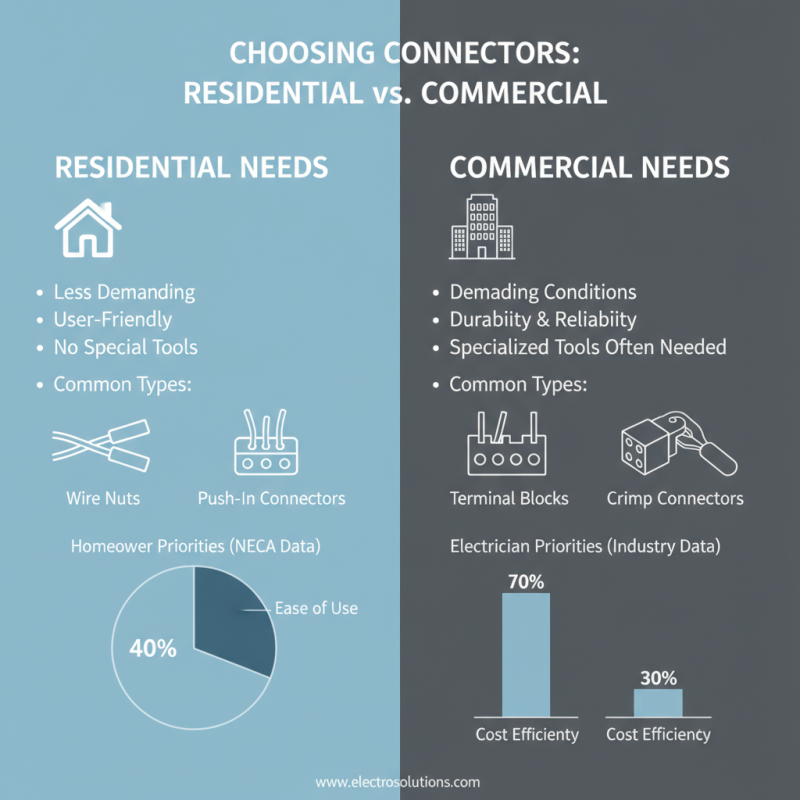
When selecting electrical wire connectors, the needs of residential and commercial applications diverge significantly. For residential use, connectors must accommodate less demanding conditions. Common choices include wire nuts and push-in connectors. These types are user-friendly and typically require no special tools for installation. Data from the National Electrical Contractors Association suggest that 40% of homeowners prioritize ease of use over advanced features.
Conversely, commercial settings require connectors that can handle high voltage and increased load. Here, Electrical Wire Crimp Connectors emerge as a reliable option, ensuring secure connections that reduce the risk of failure. According to reports by the Electrical Safety Foundation International, improper connections lead to 20% of electrical fires in commercial areas. Quality assurance and adherence to safety standards become essential.
Moreover, the material of the connector plays an essential role. Copper and aluminum connectors each have distinct applications. The choice impacts conductivity and longevity. Many professionals advocate for thorough research to avoid future issues. Yet, it’s common for some users to overlook these details. Breakdowns occur often due to subpar selections or installation errors. Understanding these nuances is vital for making informed choices.
Essential Guide to Wire Connector Nuts: Types, Uses, and Installation Tips
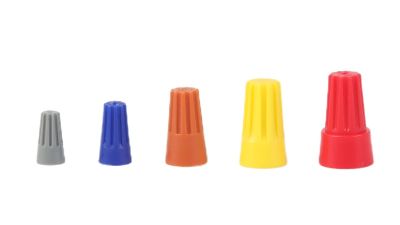
When it comes to electrical connections, wire connector nuts play a crucial role in ensuring both safety and reliability. These connectors are designed with advanced features to meet demanding applications, making them a preferred choice for professionals across various industries. One notable aspect is their anti-vibration design, which incorporates 45° helical teeth alongside a spring-loaded cage, ensuring a robust pull-out force of over 33 lbs. This level of security is essential in environments prone to vibration, such as automotive and industrial settings.
In addition to their impressive mechanical properties, wire connector nuts are constructed from high-quality carbon steel, providing excellent conductivity and durability. They are compatible with a wide wire range from 22 to 10 AWG and are color-coded for easy identification—making installation both efficient and straightforward. The connectors are also certified under CE, RoHS, and TUV standards, further highlighting their reliability for use in CNC machine wiring, automotive harness repair, wet location lighting, and solar farm combiner boxes.
For those looking to enhance safety in electrical configurations, adopting these advanced wire connector nuts is crucial. They offer features such as tapered funnel entries for blind installations and resistance to galvanic corrosion, ensuring that connections remain secure and maintain zero degradation in conductivity over time. Upgrading to these connectors can significantly reduce the risk of electrical fires and enhance operational efficiency in any project.
FAQS
: They create secure connections, ideal for stable links, especially in high-vibration environments.
A butt connector joins two wires end-to-end, requiring the right size and proper crimping techniques.
Improper crimping can lead to weak connections, increasing the risk of failure in electrical systems.
They join multiple wires efficiently, but careful installation is crucial to avoid significant issues later.
Wire nuts and push-in connectors are popular due to their user-friendly design and ease of installation.
Commercial settings demand connectors that handle high voltage and increased load, ensuring reliability and safety.
The material impacts conductivity and longevity, yet many overlook these details, leading to future issues.
Reports indicate that 20% of electrical fires in commercial areas are due to improper connections.
Users frequently overlook certain details, leading to breakdowns caused by poor selections or installation errors.
Yes, data shows that 40% of homeowners value ease of use over advanced features when selecting connectors.
Conclusion
When selecting the best electrical wire connectors for your projects, it's essential to understand the various types available and their specific uses. This includes evaluating materials, such as the benefits of copper versus aluminum, and considering electrical ratings like amperage and voltage to ensure safety and efficiency. Furthermore, connector sizes play a critical role in compatibility and performance, with gauge influencing how well a connector will function in your application.
Different connector styles, including crimp, screw, and soldering techniques, also need to be assessed based on the requirements of your project. It’s important to review industry standards and certifications to ensure reliability and safety in electrical connections. Lastly, consider the distinct needs of residential versus commercial applications, as this will guide you in choosing the most appropriate electrical wire connectors to suit your specific demands.