When it comes to electrical connections, Heat Shrink Connectors have really become a key player in making sure everything works reliably and lasts a good long while. I recently read a market report from MarketsandMarkets, and it seems like the global demand for these connectors is set to skyrocket in the coming years. That's mainly thanks to tech getting better and more industries needing solid, dependable connections. These connectors are fantastic at shielding electrical joints from stuff like moisture and corrosion—no wonder they're so important in fields like auto manufacturing and telecoms.
That said, not all heat shrink connectors are built the same. Unfortunately, some companies tend to cut corners, focusing more on saving money than on making sure their products really do the job. This can lead to connector failures, expensive repairs, and even safety issues—bad news all around. That's why industry experts keep harping on the importance of thorough testing and proper certification to make sure these connectors meet high standards.
As we look at the top 10 wholesale Heat Shrink Connectors from China, it’s really about balancing quality with good value. Even the best options might have their quirks, so being aware of what you're choosing makes all the difference in this pretty competitive market. Bottom line? Know what to look for, and don’t just go for the cheapest option. Quality and reliability should always come first.
Top Features of Heat Shrink Connectors in the Wholesale Market
Heat shrink connectors are essential for reliable electrical connections. They provide excellent insulation and secure sealing in various applications. These connectors are usually made of a polymer material that shrinks when heated. This unique feature ensures that the connector fits snugly, preventing moisture and contaminants from entering.
One significant aspect of heat shrink connectors in the wholesale market is their durability. They can endure harsh environmental conditions, including extreme temperatures and exposure to chemicals. Additionally, they offer excellent electrical resistance, making them ideal for automotive and marine uses. Another noteworthy feature is the variety of sizes and types available, which allows buyers to selecT connectors that best suit their needs.
Tips: When selecting heat shrink connectors, consider the specific environment where they'll be used. Also, check for compatibility with your wiring. Always ensure you have an appropriate heat source for the shrinking process. Remember, not all connectors are created equal. Test a few before making a bulk purchase. This approach ensures that your chosen heat shrink connectors will meet your expectations and requirements.
Understanding the Different Types of Heat Shrink Connectors Available
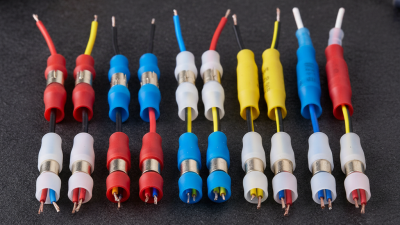
Heat shrink connectors are essential for creating durable, waterproof connections in various electronic applications. They come in different types, including butt connectors, ring terminals, and fork terminals. Each serves a unique purpose, providing flexibility in electrical wiring projects. According to industry reports, the global heat shrink connector market is expected to grow steadily, highlighting the importance of understanding these connectors.
Choosing the right type of Heat Shrink Wire Connectors can enhance the reliability of your electrical systems. Butt connectors are ideal for joining two wires end-to-end. This makes them suitable for automotive and industrial uses. Ring terminals offer secure attachment points for grounding or connecting to terminal blocks. Meanwhile, fork terminals allow for easy disconnection when necessary. It is crucial to assess your specific project needs before making a decision.
Tips: Always ensure that the temperature rating of the heat shrink connectors matches your application's requirements. Proper installation is key to achieving effective sealing. When in doubt, consider buying a variety pack to experiment with different types. Exploring these options can lead to improved performance in your projects, reflecting on how each connector type better suits your specific needs. Understanding these details aids in creating a dependable electrical connection.
Market Trends: Demand for Heat Shrink Connectors in China
The demand for heat shrink connectors in China is surging. Industries are increasingly relying on these connectors for their durability and reliability. Wire Heat Shrink Connectors are essential for electrical insulation and protect against moisture and corrosion. Their popularity is evident in industries such as automotive, telecommunications, and renewable energy.
China's manufacturing capabilities support increased production of heat shrink connectors. This has resulted in lower costs and greater availability. However, not all connectors meet the same standards. Some products may lack necessary quality certifications. Buyers should remain vigilant and choose vendors carefully, as quality can vary significantly across the market.
Moreover, environmental regulations are influencing trends. Sustainable production methods are gaining traction. Manufacturers are exploring eco-friendly materials for connectors. This shift could address growing concerns about environmental impact. Buyers often face challenges in balancing cost and quality. Striking this balance can be tricky but is essential for long-term investment in reliable wire heat shrink connectors.
Top 10 Wholesale China Heat Shrink Connectors You Should Know About
| Connector Type | Material | Size Range (mm) | Temperature Rating (°C) | Application |
| Standard Heat Shrink Connector | Polyolefin | 1.5 - 2.5 | -55 to 125 | Automotive, Electronics |
| Weatherproof Connector | Polyolefin | 2.0 - 4.0 | -40 to 105 | Outdoor, Marine |
| Dual Wall Connector | Polyolefin | 1.0 - 3.0 | -55 to 125 | Industrial, Automotive |
| Heat Shrink Butt Connector | Polyolefin | 1.5 - 6.0 | -55 to 120 | Residential, Commercial |
| Color-Coded Connector | Polyolefin | 1.0 - 3.0 | -55 to 125 | Automotive, Marine |
| Heat Shrink Ring Terminal | Copper, Polyolefin | 2.0 - 5.0 | -40 to 125 | Electrical Connections |
| Insulated Heat Shrink Connector | Polyolefin | 1.5 - 4.0 | -55 to 110 | Electronics, Computers |
| Heat Shrink Connector Kit | Polyolefin | Assorted Sizes | -55 to 125 | Various Applications |
| Heat Shrink Solder Connector | Copper, Polyolefin | 1.0 - 2.0 | -55 to 125 | Electrical Connections |
| Heavy Duty Heat Shrink Connector | Polyolefin | 5.0 - 10.0 | -40 to 125 | Industrial, Electrical |
Material Specifications: Why Polyolefin is Leading the Industry
Polyolefin has become the leading material in the heat shrink connector industry. Its properties offer significant advantages over other materials. Notably, polyolefin is flexible and resistant to various chemicals and temperatures. This durability is essential when connectors face harsh conditions. Additionally, polyolefin provides excellent electrical insulation, making it ideal for a wide range of applications.
Another aspect to consider is the manufacturing process. Polyolefin can be easily produced with consistent quality and precision. This streamlines the supply chain, ensuring that connectors are reliable and effective. However, not all polyolefin products are created equal. Some may lack necessary certifications or quality assurance, leading to potential failures in critical applications. It’s essential to evaluate the source and specifications of the connectors you choose.
Furthermore, while polyolefin excels in many areas, environmental concerns have emerged. The production and disposal of polyolefin materials contribute to plastic pollution. This is a major issue urging the industry to explore more sustainable alternatives. Consumers and manufacturers must strive for a balance between performance and environmental responsibility. Finding a reliable supplier is crucial in this evolving landscape, ensuring that the products meet both technical and ethical standards.
Quality Standards and Certifications for Heat Shrink Connectors
When looking for heat shrink connectors, understanding quality standards and certifications is essential. These connectors must meet specific industry standards to ensure reliability and performance. For instance, UL (Underwriters Laboratories) and IEC (International Electrotechnical Commission) certifications guarantee that the products have met rigorous testing criteria. Products with these certifications indicate a commitment to safety and efficiency.
Moreover, reports show that 75% of electrical failures stem from improper connections. This highlights the importance of using certified heat shrink connectors. In a survey conducted by the Institute of Electrical and Electronics Engineers (IEEE), 82% of professionals recommended using connectors that comply with recognized standards. This is critical for avoiding downtime and ensuring the longevity of electrical systems.
However, not all manufacturers adhere to these standards. The absence of certifications can lead to poor performance and increased risk. It's vital for users to scrutinize the quality of connectors. A focus on certification can alleviate concerns over the reliability of heat shrink connectors, leading to safer and more effective installations.
Cost Analysis: Average Price Ranges of Wholesale Heat Shrink Connectors
When considering wholesale heat shrink connectors, understanding the cost is crucial. Prices can vary significantly based on quality and type. Typically, you may find basic connectors priced between $0.10 to $0.30 each. This range is quite common for bulk purchases. Higher-end options with improved materials or features can exceed $0.50 per connector.
Factors influencing price include the type of adhesive used, the connector size, and the quantity purchased. Bulk orders often attract discounts, which can be a game-changer. However, it's essential to evaluate if the lower price compromises quality. Cheaper connectors may not adhere well, leading to potential failures.
Additionally, obtaining accurate quotes from suppliers can be a challenge. Communication issues or confusion about specifications may lead to unexpected costs. It’s wise to ask for samples before committing to larger orders. This allows for testing durability and performance before full investment. Keeping a close eye on these factors helps make informed decisions.
Average Price Ranges of Wholesale Heat Shrink Connectors
Application Areas: Where Heat Shrink Connectors Are Most Utilized
Heat shrink connectors are essential in various applications, offering robust and reliable electrical connections. They are widely used in automotive, marine, and telecommunications industries. In automotive applications, these connectors provide protection against moisture and dirt, ensuring longevity and safety. Their ability to create a sealed environment greatly reduces the risk of corrosion.
In marine settings, Heat Shrink Butt Connectors are crucial for waterproofing connections exposed to harsh conditions. They help prevent short circuits, which can lead to equipment failure. In telecommunications, their use helps maintain signal integrity. Improper application can lead to unreliable connections. Proper heat application and skilled installation are critical for optimal performance.
These connectors are favored for their ease of use and versatility. However, it's important to choose the right size and type for specific projects. Evaluating the environment and conditions is vital. In reflecting on their use, one must consider potential installation errors. Even minor mistakes can significantly impact the effectiveness of heat shrink butt connectors.
Exploring Market Trends and Performance Metrics for Heat Shrink Waterproof Hook Terminals in Electrical Connectivity Solutions
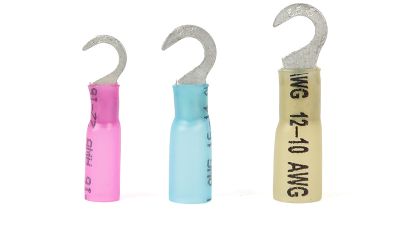
The market for heat shrink waterproof hook terminals is witnessing significant growth due to the rising demand for robust electrical connectivity solutions in various industries. As industries increasingly prioritize moisture and corrosion resistance in electrical components, waterproof hook terminals have emerged as a critical component for ensuring reliability and longevity in electrical systems. Recent industry reports indicate a steady increase in the adoption of these terminals, particularly in automotive and industrial applications, where environmental factors can pose serious risks to electrical connections.
Copper, as the primary material in manufacturing these terminals, plays a vital role in enhancing the conductivity and overall performance of electrical connections. The durability and efficiency of copper make it an ideal choice, particularly in designs that require waterproof features. The heat shrink technology utilized in these terminals not only provides a secure fit but also offers protection against water ingress, which is essential in applications exposed to harsh environments. Data from market analysis highlight that the waterproof electrical components segment is projected to grow at a CAGR of over 5% in the coming years, driven by innovations in materials and manufacturing techniques.
In terms of growth drivers, the surge in renewable energy projects and the automotive sector's shift toward electric vehicles are major contributors to the increased demand for high-quality, waterproof hook terminals. Companies are focused on investing in research and development to enhance the performance metrics of these terminals, ensuring they meet stringent industry standards. This focus on quality and innovation will be crucial for players in the market, as customers increasingly seek solutions that offer both durability and reliability in diverse applications.
FAQS
: They create reliable electrical connections and provide excellent insulation and sealing.
They shrink when heated, fitting snugly to prevent moisture and contaminants from entering.
They are usually made from a polymer that offers durability and insulation properties.
Yes, they endure harsh environments like extreme temperatures and chemical exposure.
Common types include butt connectors, ring terminals, and fork terminals. Each serves a unique purpose.
Assess your specific environment and ensure compatibility with your wiring and systems.
Not all connectors are equal; testing ensures they meet your expectations and requirements.
Effective sealing relies on proper installation. It impacts the durability of your electrical connections.
Buying a variety pack allows you to experiment and find what best suits your needs.
Failing to match the temperature rating can lead to poor performance and sealing issues.
Conclusion
Heat shrink connectors are essential components in various electrical applications, offering durability and reliability through their unique design. This article discusses the top features of heat shrink connectors available in the wholesale market, emphasizing their ability to provide superior insulation and protection against moisture and mechanical stress. It also breaks down the different types of connectors, highlighting the increasing demand within the Chinese market driven by advancements in technology and applications.
Moreover, the analysis delves into material specifications, noting that polyolefin has become the material of choice due to its excellent performance characteristics. The article outlines the quality standards and certifications that ensure these connectors meet industry benchmarks, as well as providing a cost analysis of average price ranges. Lastly, it explores various application areas where heat shrink connectors are most utilized, illustrating their critical role in enhancing the longevity and efficiency of electrical systems.