Leave Your Message
Copper Cable Lugs, which you can check out [here](https://www.cngaopeng.com/copper-cable-lugs), are pretty essential when it comes to making solid electrical connections. They’re key to keeping systems both reliable and safe. Did you know that the worldwide market for these lugs is expected to hit around $6.2 billion by 2026? That’s based on a report from Allied Market Research — pretty impressive, right? It really shows just how important they are across a bunch of fields, from heavy industry to residential wiring.
When you're picking out copper cable lugs, a few things to keep in mind are conductivity, the quality of the material, and their size. Experts also suggest thinking about where you’ll be using them. For example, marine environments? You’ll want lugs that are corrosion-resistant. Not all copper lugs are built for that, so doing a bit of homework upfront is definitely worth it to avoid headaches down the line.
A lot of companies, like TE Connectivity, stress the importance of high-quality materials in their lugs. But, honestly, not every product out there lives up to those standards. Knowing exactly what you need can save you a lot of trouble and ensure you get something reliable. Spending a little more on good, quality copper cable lugs? Totally worth it — it’s a smart move when it comes to safety and performance.

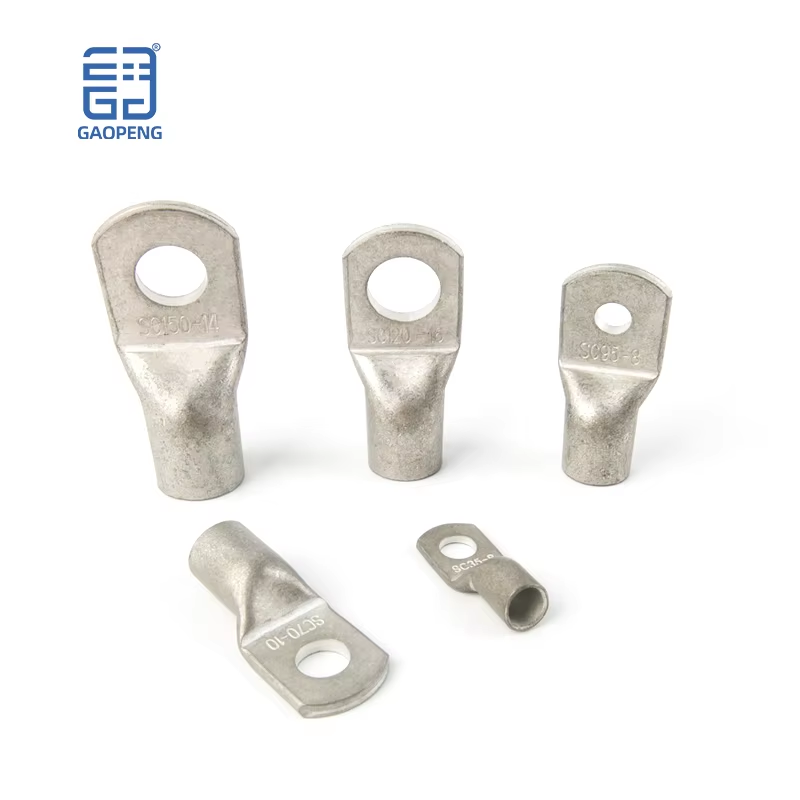
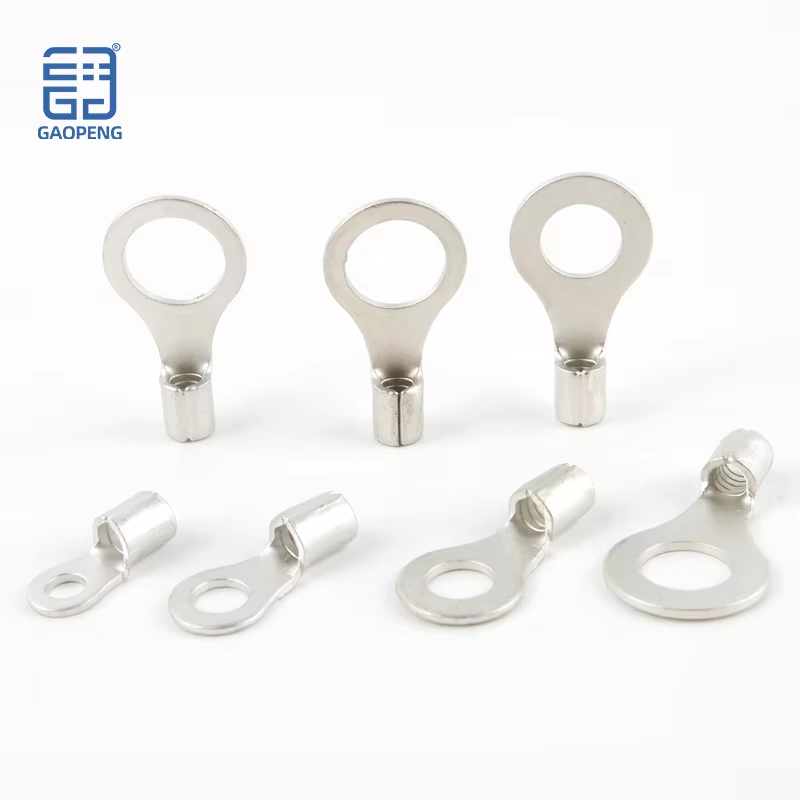
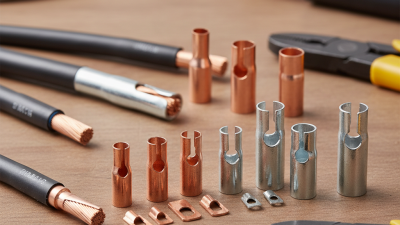
Copper cable lugs are vital components in electrical connections. They provide a secure junction between cables and terminals. Typically made of high-quality copper, these lugs enhance conductivity and reduce resistance. Many installers favor them for their durability and efficiency. A correctly chosen copper lug can prevent overheating, which might otherwise lead to system failures.
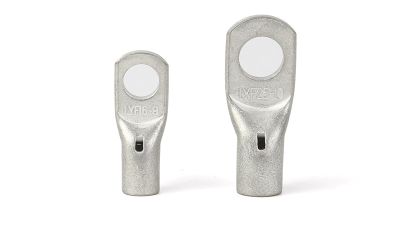
When selecting Copper Lugs, consider wire size and application. It is crucial to match the lug's size to the cable diameter. Overly large or small lugs can lead to poor connections. Material quality is another key factor. Opt for lugs coated with tin or another protective layer to prevent corrosion. Examine the installation method as well; some lugs are crimped, while others are bolted.
Mistakes can happen during choosing. People often overlook these details, leading to frustrating electrical issues later on. Double-checking specifications mitigates risks. Testing connections after installation is equally important. A little diligence goes a long way in ensuring optimal performance from your copper lugs.
| Type of Copper Cable Lug | Wire Size (AWG) | Hole Size (mm) | Material Thickness (mm) | Temperature Rating (°C) | Application |
|---|---|---|---|---|---|
| Standard Copper Lug | 4 - 6 AWG | 10 mm | 1.5 mm | 85°C | General Electrical Wiring |
| Heavy Duty Copper Lug | 2 AWG | 12 mm | 2.0 mm | 100°C | Industrial Applications |
| Insulated Copper Lug | 6 - 8 AWG | 8 mm | 1.0 mm | 75°C | Connection Points with Insulation |
| Compression Copper Lug | 1 AWG | 14 mm | 2.5 mm | 90°C | Electrical Power Distribution |
| Tinned Copper Lug | 10 AWG | 6 mm | 1.2 mm | 70°C | Marine and Outdoor Applications |
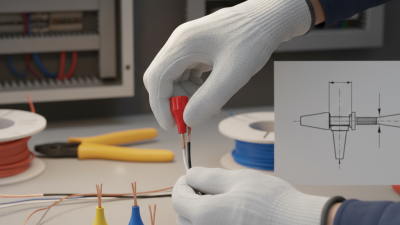
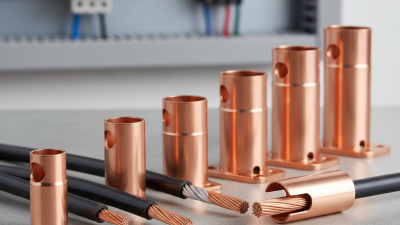
In the ever-evolving landscape of electrical connectivity, industry reports highlight the importance of utilizing high-performance copper tube terminals. Recent data suggests that these terminals perform exceptionally well in various harsh electrical environments, where reliability and efficiency are paramount. The use of pre-insulated nylon sleeves, which can withstand temperatures ranging from -20°C to +80°C, ensures maximum protection against oil, moisture, and vibration. This innovation not only eliminates the need for heat shrink but also significantly reduces installation time by up to 50%.
Moreover, the critical attributes of military-grade conductivity play a vital role in enhancing electrical safety and performance. Reports indicate that terminals featuring a tin-plated brass core exhibit a conductivity level of 28% or higher. With crimping resistance measured at ≤0.5mΩ during testing at 20A continuous current, these terminals guarantee a dependable and efficient electrical connection. The streamlined bullet shape, compatible with standard crimpers, allows for a quick, solid, solder-free connection within just three seconds, further optimizing installation processes.
Another key benefit illustrated in industry trends is the implementation of anti-mismatch color coding. By following established polarity standards with distinct red, blue, and yellow sleeves, the risk of misconnection is reduced by an impressive 90%. This feature not only increases the reliability of connections but also enhances the overall safety of electrical installations, aligning with best practices identified in contemporary industry reports. As the demand for robust and efficient electrical solutions continues to grow, the advancements in copper tube terminal technology stand out as a critical focus for manufacturers and professionals alike.
: Consider conductivity, environment, size, compatibility, and current rating. Always verify lugs meet industry standards.
For outdoor use, choose corrosion-resistant coatings. This prolongs service life in harsh conditions.
Loose connections may lead to overheating, arcing, or damage. It's crucial to check the fit carefully.
Yes, some lugs suit high-stress, while others fit low-stress environments. Understand your needs before choosing.
Common methods include crimping and soldering. Each has pros and cons, so consider what suits your application.
Very important. Small mistakes can cause major issues later. Regular review can improve your technique.
Clean, stripped wire ends ensure solid electrical connections. Oxidation can hinder performance and safety.
Reflect on past projects. Learning from mistakes is valuable for future choices. Knowledge is key to improvement.
Research industry publications. They offer insights and data that can guide your selection process.
It depends on your application. Choosing the wrong gauge can lead to overheating and inefficiencies. Always assess carefully.
Copper cable lugs are essential connectors used in electrical systems to join copper conductors securely to terminals and other connectors. They come in various types, including crimp lugs, bolt lugs, and insulated lugs, catering to different applications and specifications. When selecting the right Copper cable lugs, factors such as conductor size, current rating, and environmental conditions should be considered to ensure optimal performance and safety.
Proper installation of Copper cable lugs is crucial for effective electrical connections, with techniques varying based on the type of lug used. Regular maintenance is also important to extend the lifespan of these components and prevent issues like corrosion. Understanding their applications, which range from industrial to residential wiring, helps users make informed decisions regarding their electrical projects.