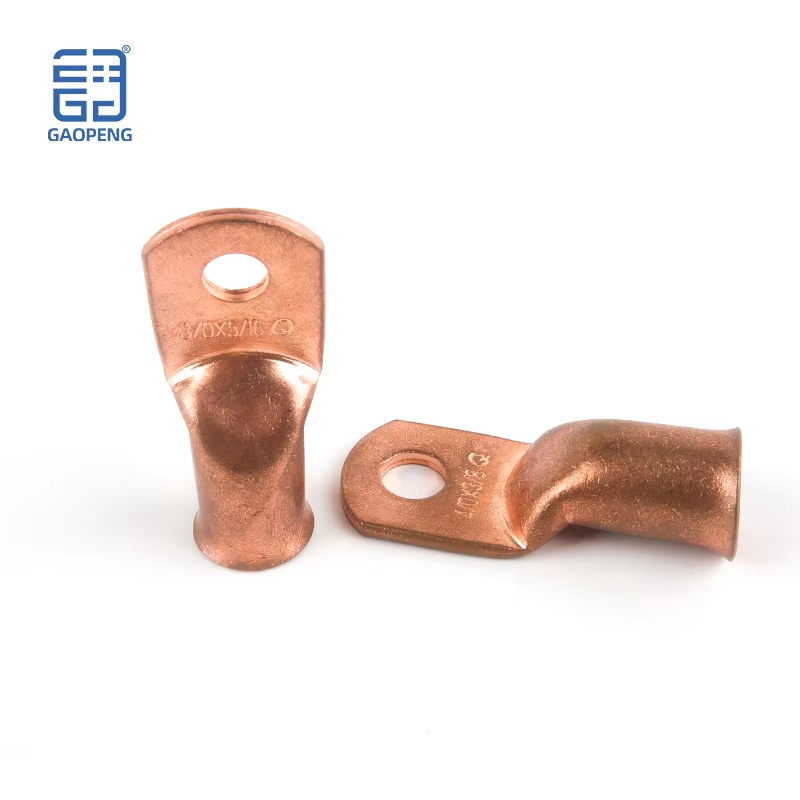
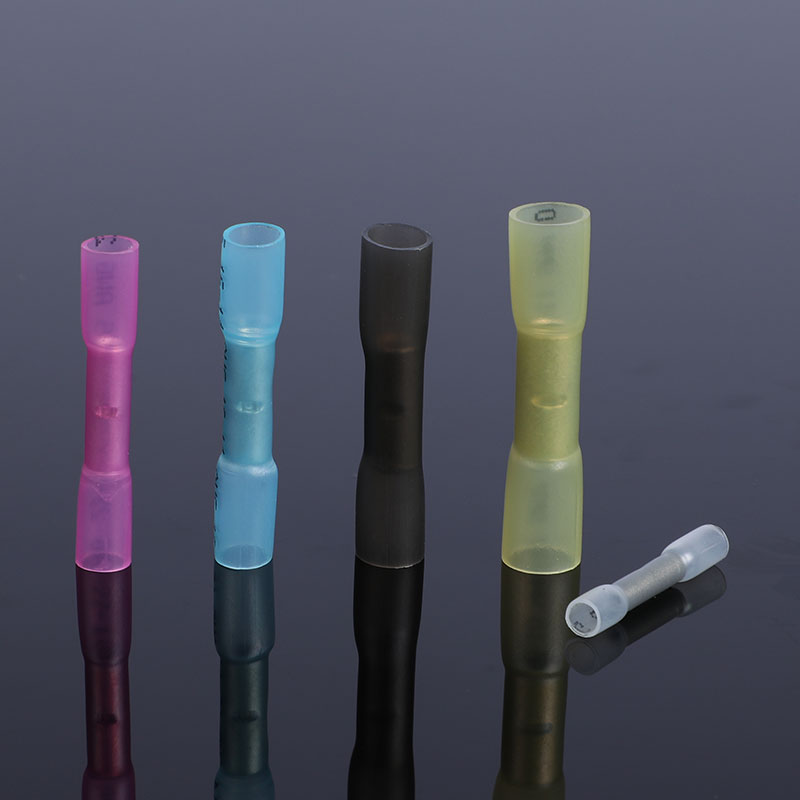
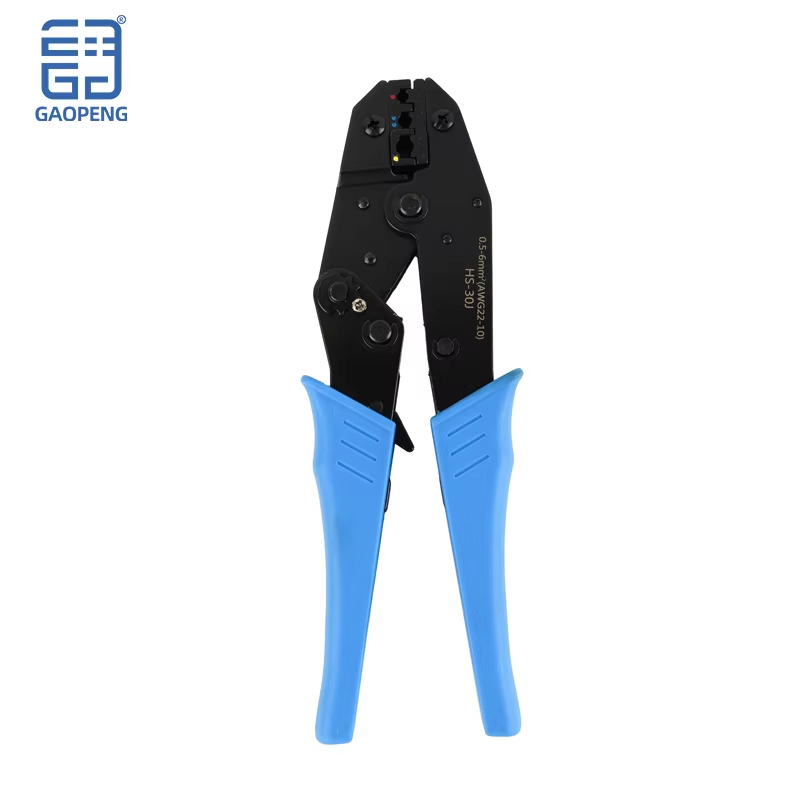
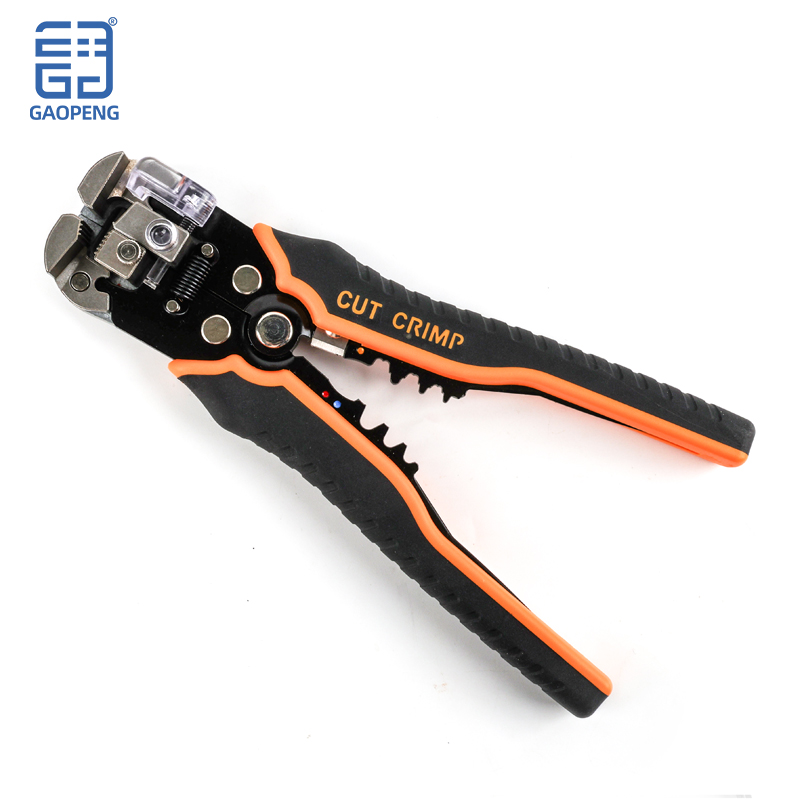
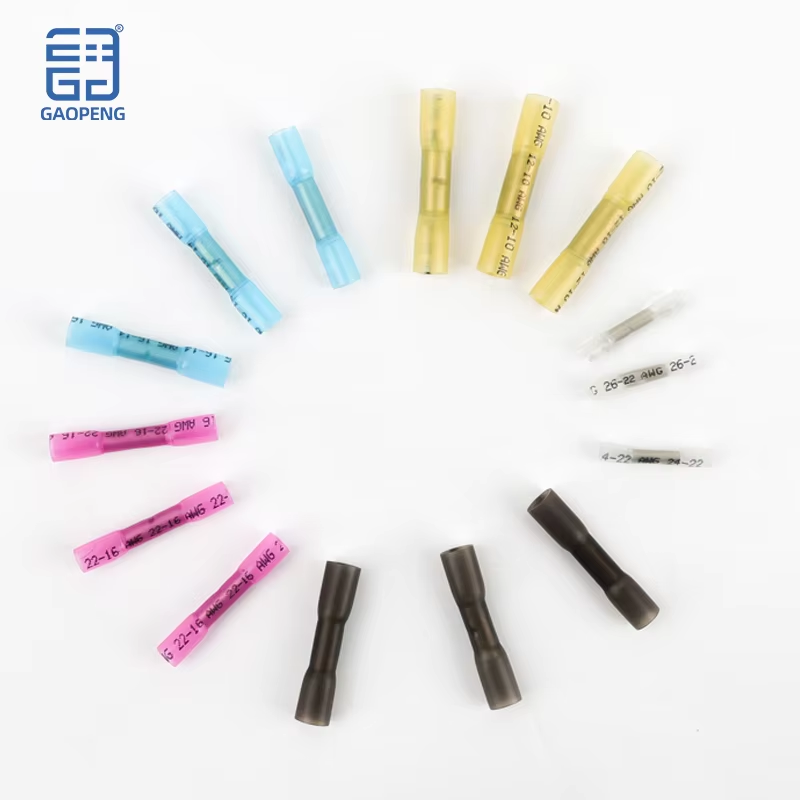
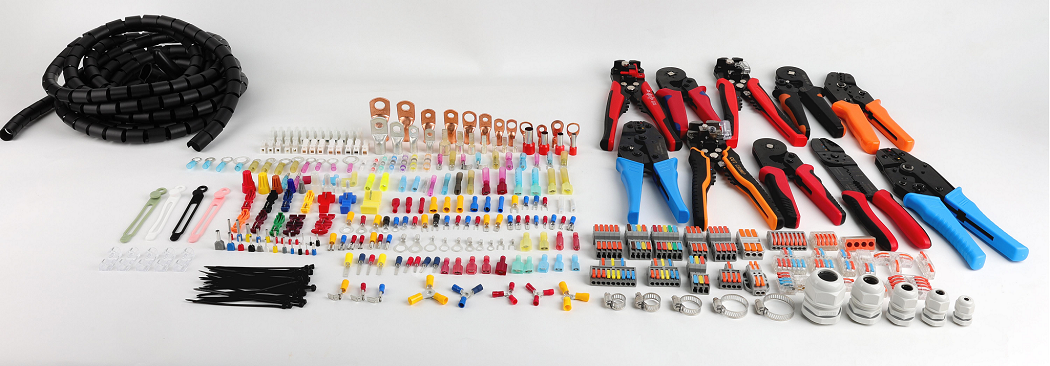
Picking the right Cable Connectors really matters when it comes to making sure electrical projects run smoothly and reliably, no matter the industry. Did you know that, according to MarketsandMarkets, the worldwide market for cable connectors is expected to hit around USD 20.36 billion by 2025? It’s actually growing pretty fast too—a compound annual growth rate of about 6.4% from 2020 onwards. This surge makes sense, given how much demand there is for advanced connectivity solutions, especially in fields like telecom and transportation.
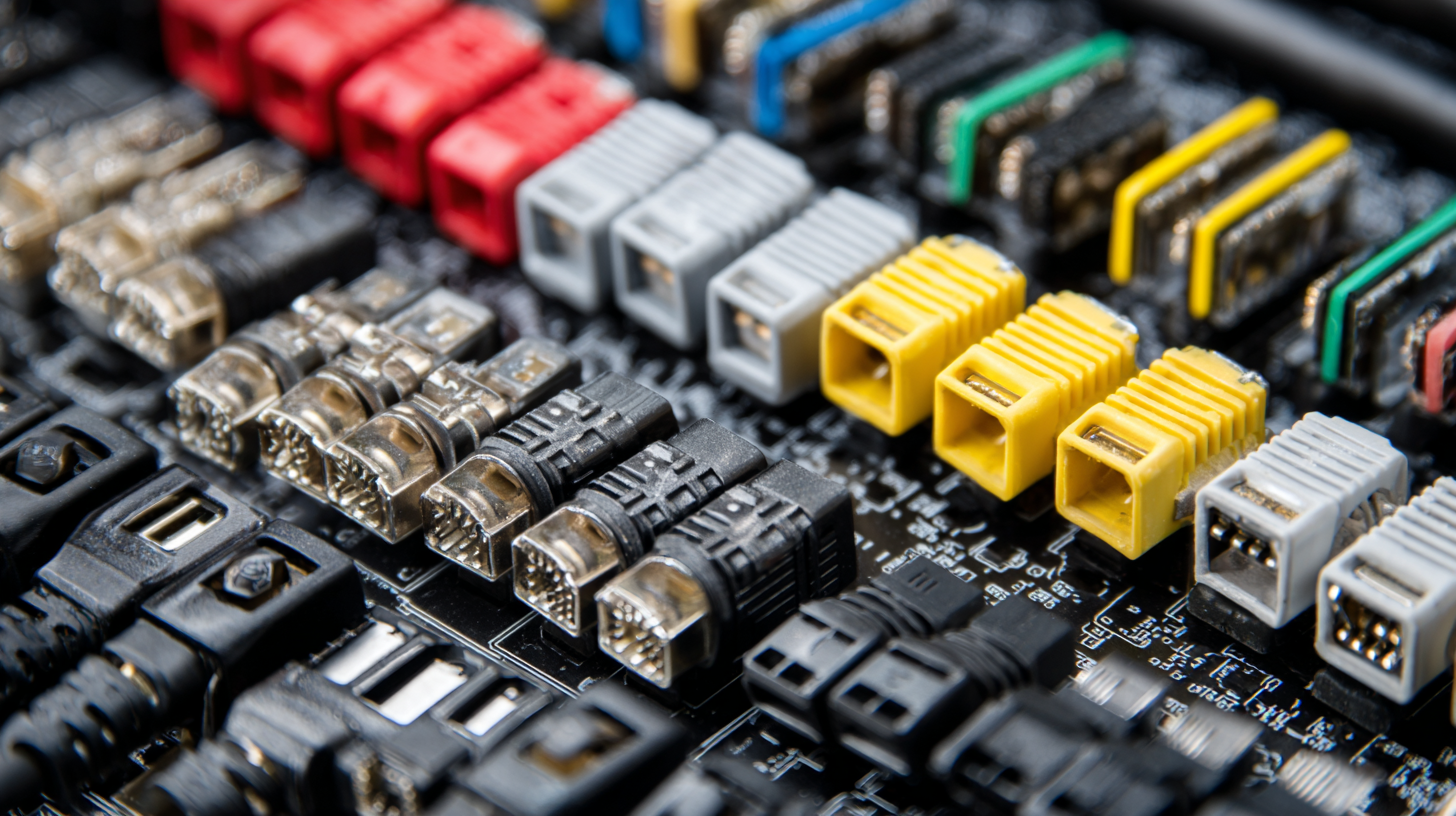
One company that's really making waves in this space is Yueqing Gaopeng Electric Co., Ltd. — they’ve been around since 2016 and are based in Wenzhou, Zhejiang. They’ve built a solid reputation with a huge range of terminals and connectors, producing billions annually. As projects become more complex and the need for dependable connections just keeps growing, it’s super important for engineers and project managers to really get the ins and outs of cable connectors. Trust me, understanding these little details can make a big difference in the success of your project.
Understanding Different Types of Cable Connectors in Electrical Projects
Embarking on any electrical project? One thing you definitely want to get right is understanding the different kinds of cable connectors out there. Trust me, it makes all the difference when it comes to keeping your connections solid and safe. You'll find connectors in all sorts of shapes and sizes, each built for specific uses. The most common ones you’ll come across are terminal blocks, Spade Connectors, and RJ45 connectors — which are pretty much everywhere, whether you're fixing up something at home or working on a bigger commercial setup. Picking the right connector isn’t just about performance; it’s also about making sure everything lasts longer.
Here’s a little tip: before you pick one, pay attention to the wire’s gauge. If the connector’s too loose, you might end up with annoying intermittent connections. But if it’s too tight, it could end up damaging your wires. Plus, think about where you’re planning to use it. For outdoor projects, go for weatherproof connectors — it's a small step that keeps corrosion at bay and your setup working smoothly over time.
And don’t forget to check the current rating on the connector. Different connectors can handle different amounts of electrical current, so it’s super important to match that to what your project needs. Sometimes, going for a connector that can handle a bit more amperage than you need can give you some added peace of mind, especially if you’re dealing with higher loads.
The Ultimate Guide to Choosing the Right Cable Connectors for Your Projects
This bar chart illustrates the distribution of various types of cable connectors commonly used in electrical projects, highlighting their popularity based on typical usage.
Key Factors to Consider When Selecting Cable Connectors
When you're choosing cable connectors for your projects, it's really important to keep a few key things in mind to make sure everything works smoothly and fits just right. First off, think about where you'll be using them—are you indoors, or outside? Connectors made for outdoor use usually have better weatherproofing, which helps protect against rain, moisture, and those annoying temperature swings. Also, don’t forget to check the electrical specs—like voltage and current ratings—to make sure they match what your project needs. Using the wrong ones can cause overheating or worse, damaging your setup.
Then there's the whole cable and connector style thing. Different projects call for different types—whether it’s soldered, crimped, or push-in connectors. Picking the right one is key to keeping signals clear and making connections easy peasy. And of course, material matters. High-quality materials aren’t just a luxury—they help resist corrosion and last longer, especially if you’re outdoors. Lastly, double-check that the connectors are compatible with your existing gear. If they fit right in, it saves you the headache of trying to make things work later on, and keeps your project running smoothly from start to finish.
The Ultimate Guide to Choosing the Right Cable Connectors for Your Projects - Key Factors to Consider When Selecting Cable Connectors
| Connector Type | Material | Temperature Range | Voltage Rating | Applications |
| Screw Terminal | Copper | -20°C to 105°C | 600V | Electrical Wiring |
| RCA Connector | Nickel Plated | -10°C to 60°C | 30V | Audio/Video Equipment |
| USB Connector | Plastic & Metal | -20°C to 70°C | 5V | Data Transfer |
| XLR Connector | Metal | -40°C to 80°C | 50V | Professional Audio |
| RJ45 Connector | Plastic | -20°C to 75°C | 125V | Networking |
Comparing Connection Types: Plugs, Jacks, and Adapters
Whenever you're working on a project that involves plugging something in, it’s really important to get a good handle on the different kinds of cable connectors out there. In this little guide, we’re gonna focus on three main types: plugs, jacks, and adapters. Each one kind of has its own role in making sure your connections are solid and reliable, no matter what you're working on. And get this—according to the latest industry report, demand for high-quality connectors is expected to rise by about 6.2% each year. That’s thanks to all the new tech developments and the growing trend of automation in homes and factories.
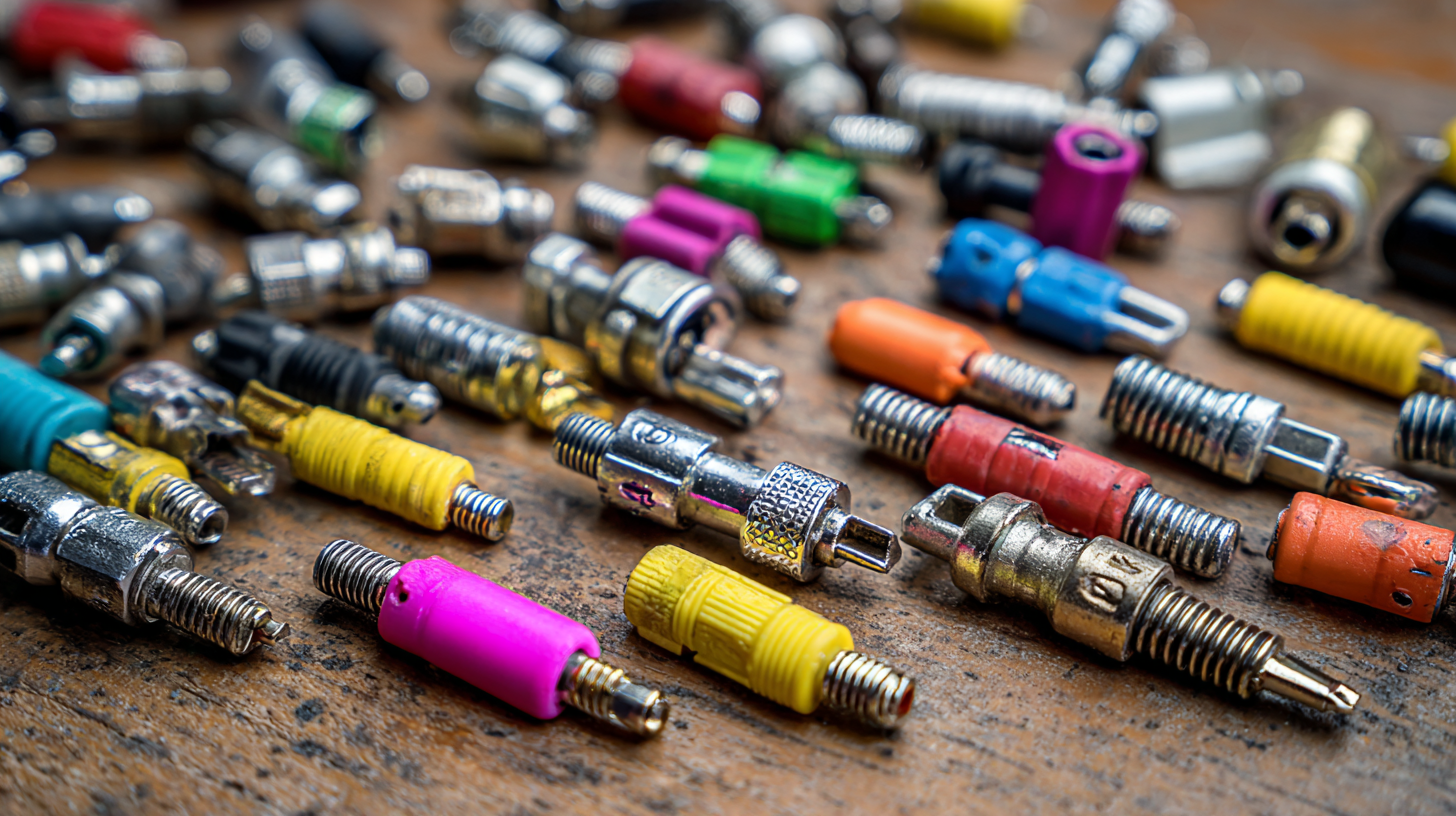
So, let’s break down the basics. Plugs are usually the ‘male’ part of the connection—they fit into jacks, which are the ‘female’ counterparts. Then there are adapters, which are basically the handy tools that let different types of plugs and jacks talk to each other—super useful if you’re dealing with international standards, or just trying to get things to work when traveling. Honestly, with more people traveling after COVID-19, understanding the different types of plugs around the world has become pretty important. Nobody wants to get to their destination and find out their device isn’t compatible!
Here at
Yueqing Gaopeng Electric Co., Ltd., we’re all about designing and making all kinds of connectors to match today’s needs. We started back in
2016, and since then, we’ve grown to produce billions of connectors every year. We serve clients all over the world—Asia, Europe, America, Africa—you name it. Thanks to our experience, we’re confident we can deliver quality solutions that work whether you’re working locally or on a global scale, making sure you stay connected no matter where you are.
Exploring Specialized Connectors for Unique Project Requirements
When you're tackling specialized projects, picking the right cable connectors is pretty crucial—you want to make sure they meet your unique needs. I recently came across a report from the International Electrotechnical Commission that talks about how these specialized connectors are becoming more and more important, especially in fields like telecoms and medical devices. And get this—it's expected that the connector market will hit around $72 billion by 2026! That growth is mostly driven by the demand for smarter, more reliable connections.
One thing you definitely need to think about is the environmental aspects—where your project’s gonna be operating. For outdoor setups, you’ll need connectors that can handle all kinds of weather. Waterproof or rugged options are a good bet—they really help boost durability. And if you’re working with high-frequency signals, it’s super important to pick connectors that won’t mess with your signals—low insertion loss and minimal distortion are the keys here.
A couple of tips to keep in mind? Always double-check that your connectors work well with your cables—that way, you avoid performance hiccups. And if you want to be a bit ahead of the game, try choosing connectors that can handle higher data rates or emerging tech. Thinking ahead like that can really save you a lot of hassle down the line as your projects grow and change.
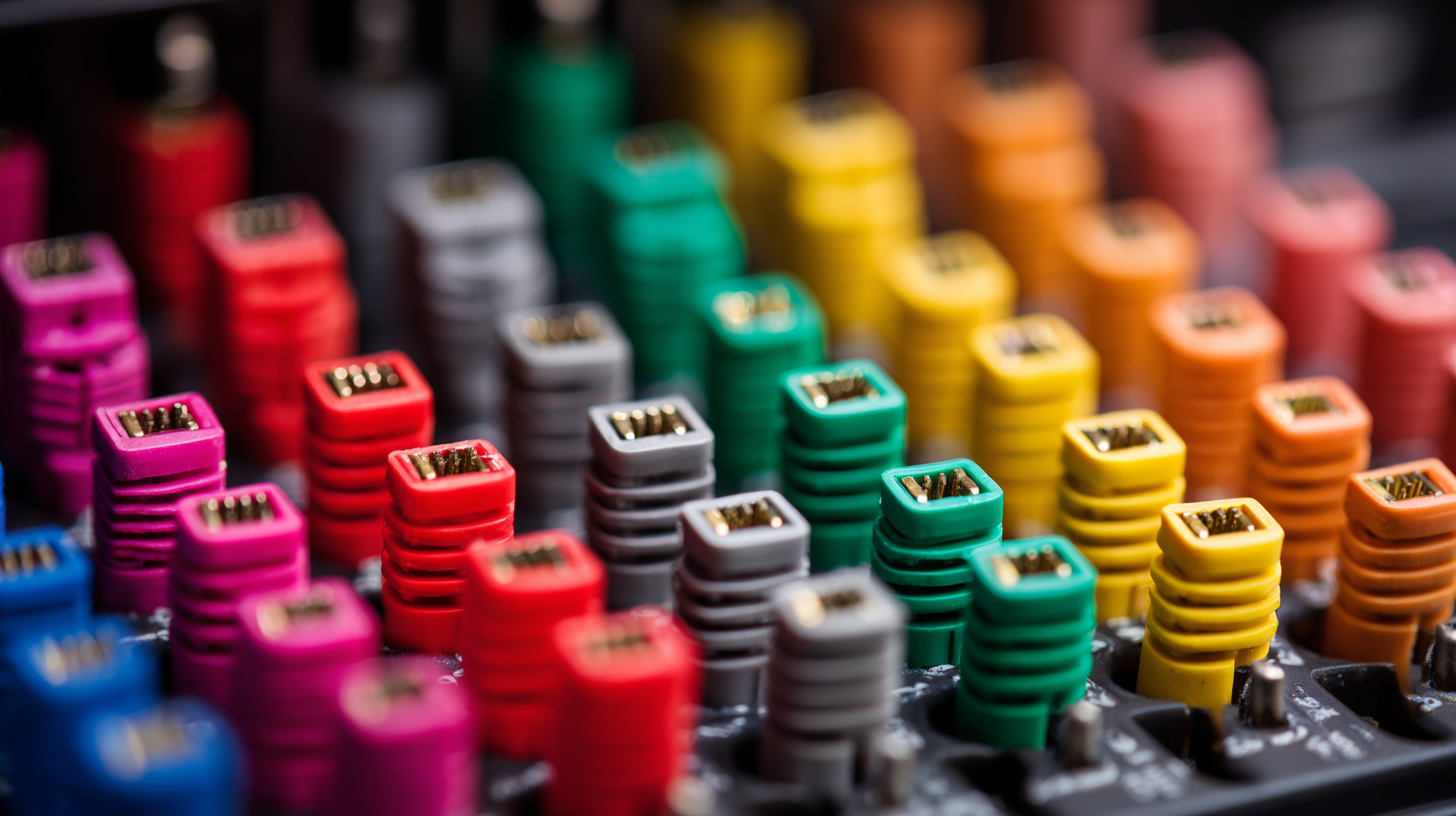
Common Mistakes to Avoid When Choosing Cable Connectors
Picking the right cable connectors for your projects isn't always straightforward, but trust me, it makes a huge difference in how reliable and smoothly your electrical systems run. One common mistake I see people make is ignoring whether the connectors are actually compatible with the other components you're using. For example, if you're setting up a solar system and you use connectors from different brands, you might end up with weak connections or even inefficiencies—stuff you definitely don’t want. So, it’s super important to double-check that the connectors match up in both design and specs to avoid such headaches.
Another thing that often gets overlooked is the environment where these connectors will be working. Things like humidity, temperature swings, or chemicals in the air can really mess with their performance. If you don’t pick connectors rated for those conditions, you might end up replacing them sooner than you’d like. Better to choose ones that’re built to handle your specific environment from the start.
My tips: When shopping for cable connectors, go for products with solid certifications and warranties—those give you a bit of peace of mind. Also, don’t skimp on sealing or moisture protection; it can seriously extend the life of your connections. And honestly, even for simple stuff like splicing wires, using the right tools and techniques can make a huge difference—trust me, a good connection is worth the effort. At the end of the day, a little care up front saves you a lot of hassle down the line.
Maintenance Tips for Longevity of Cable Connectors in Use
When you're working on any project that involves cable connectors, keeping them in good shape is a total must if you want them to last. Regular check-ups and cleaning can really make a big difference—they help prevent issues before they even start. Like, dusk and moisture aren’t just annoying; they can cause corrosion and mess things up. So, it's a smart move to go for sealed connectors when you’re in environments that tend to be humid or dusty. Oh, and throwing in some dielectric grease? That’s a game-changer—it acts like a shield against moisture and keeps the connections running smoothly and efficiently.
Here at Yueqing Gaopeng Electric Co., Ltd., we’re all about quality—from how we design to how we make our terminals and connectors. With lots of experience under our belt and a production volume that hits billions every year, we’re confident you’ll find our products are built to last. But remember, for the best results, always follow the installation and maintenance instructions from the manufacturer.
And don’t forget to keep an eye out for any signs of wear and tear—that way, you can dodge unexpected failures, especially in important applications. One more thing—make sure you’re choosing connectors that match your project’s voltage and environmental needs. Using the wrong ones can cause overheating or even electrical failures, which nobody wants. Picking the right connector not only boosts how well everything works but also helps keep your whole electrical system safe and solid. Mix these tips with our top-notch connectors, and you’ll be amazed at how much longer your system lasts and performs reliably.
FAQS
: Common types of cable connectors include terminal blocks, spade connectors, and RJ45 connectors, which are widely utilized in residential and commercial installations.
It’s important to consider the wire gauge when selecting a connector; a connector that is too loose can cause intermittent connections, while one that is too tight can damage the wires.
For outdoor projects, it is advisable to choose connectors with weatherproof features to prevent corrosion and ensure durability against harsh environmental conditions.
The current rating is critical because connectors are designed to handle varying levels of electrical current; matching the connector's specifications with your project requirements ensures reliability, especially in high-load applications.
Specialized connectors are designed for unique project requirements, particularly in sectors like telecommunications and medical devices, and are essential for ensuring reliable connections under specific conditions.
Environmental factors such as humidity, temperature fluctuations, and exposure to chemicals can impact connector performance, so it is essential to choose connectors that are rated for the specific conditions of your project.
Common mistakes include overlooking connector compatibility with different components, neglecting environmental considerations, and failing to choose connectors with reliable certifications and warranties.
Future-proofing involves selecting connectors that can accommodate higher data rates and emerging technologies, which can save time and resources as projects evolve.
Utilizing professional tools and expertise can significantly improve connection quality, even for simple tasks like splicing wires, ensuring solid and durable connections.
Conclusion
Picking the right cable connectors for your projects is pretty important if you want everything to run smoothly and reliably. It's helpful to get a good grip on the different types out there — like plugs, jacks, and those specialized connectors — so you can make smarter choices based on what your project really needs. Some key things to keep in mind are compatibility, durability, and the specific use case for each connector.
Also, it's good to watch out for common mistakes that could cause connectivity problems down the line. And don't forget, following basic maintenance tips can really boost how long your connectors last.
By the way, as a company that designs and manufactures high-quality terminals and connectors, Yueqing Gaopeng Electric Co., Ltd. is dedicated to providing solutions that fit the diverse needs of customers across Asia, Europe, North America, and Africa. We're all about reliability and innovation, and we're here to support your electrical projects with a wide range of cable connectors that you can count on.