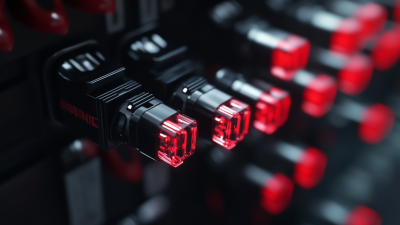
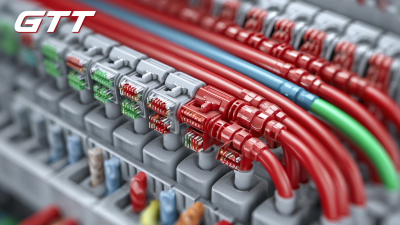
In today’s quick-moving world of electrical work, picking the right parts can really make or break how reliable and effective your connections turn out to be. Among all the options out there, Heat Shrink Splice Connectors have become pretty popular lately — and for good reason. Their resistance to moisture and corrosion is a big deal, especially when you're dealing with different kinds of environments. I mean, a good connector that holds up over time can save you a lot of headaches.
According to some recent market research by Research and Markets, the global market for heat shrinkable products is expected to hit around $5.2 billion by 2025. That just shows how much demand there is for dependable Electrical Connectors these days. One company worth mentioning isYueqing Gaopeng Electric Co., Ltd., which started up back in 2016 in Wenzhou, Zhejiang. They’ve really made a name for themselves in designing and manufacturing all sorts of terminals and connectors—actually, they produce billions of units each year, which is pretty impressive.
So, if you’re wondering how to pick the best Heat Shrink Splice Connectors for your projects, don’t worry — this guide will walk you through the top tips and tricks. The goal? To help you choose the right stuff so your connections last longer and perform better—that’s what really counts, right?
Understanding Heat Shrink Splice Connectors: Key Features to Look For
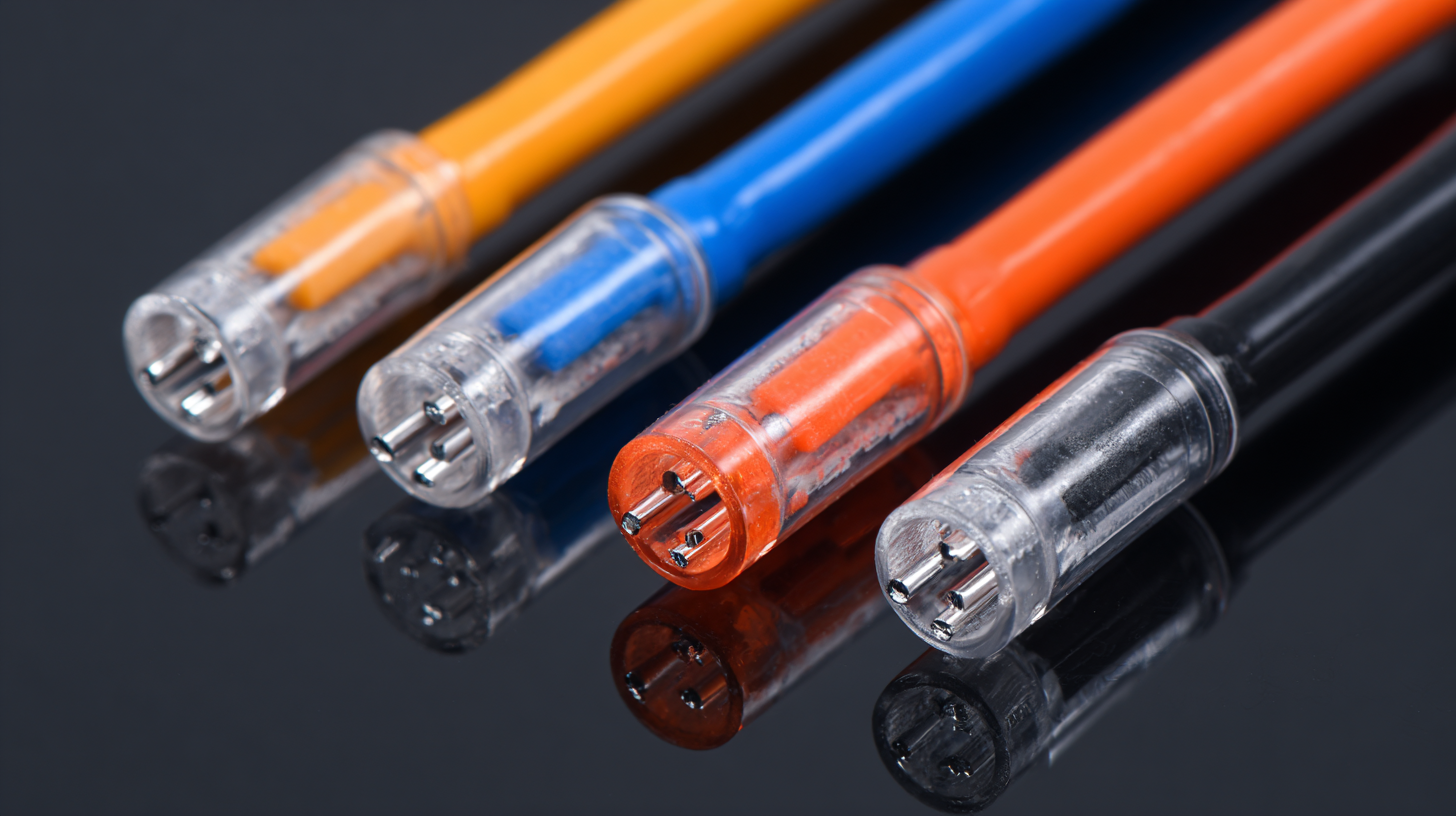
When you're picking out heat shrink splice connectors, it really pays to understand their key features so you can count on them to do their job reliably. One of the most important things to look at is what they're made of. Good quality connectors are usually made from polyolefin, which is known for providing excellent insulation and resisting moisture, chemicals, and wear and tear. This not only helps keep your connection sturdy over time but also allows for even heat application when shrinking, giving you that nice, tight fit you want.
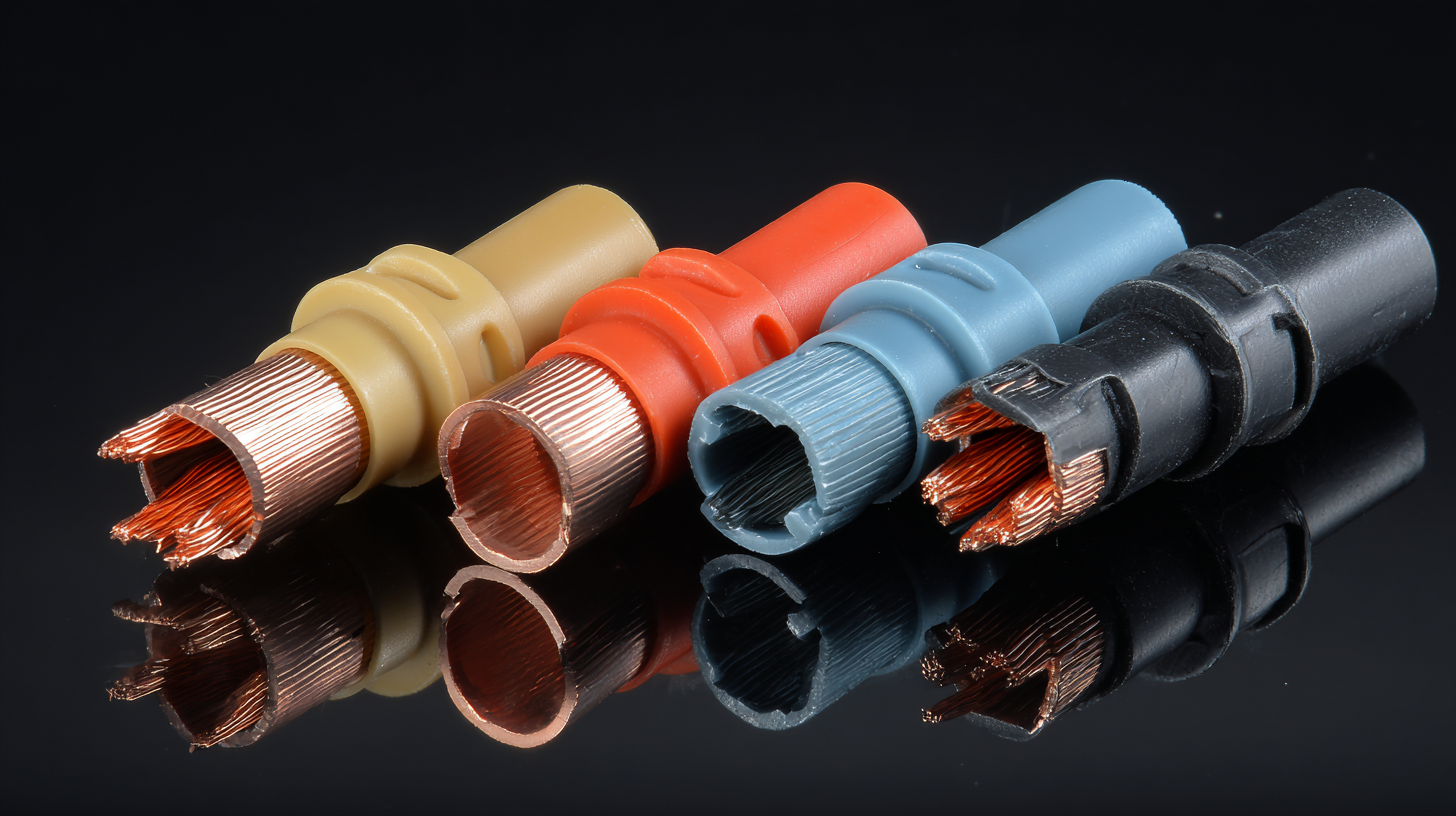
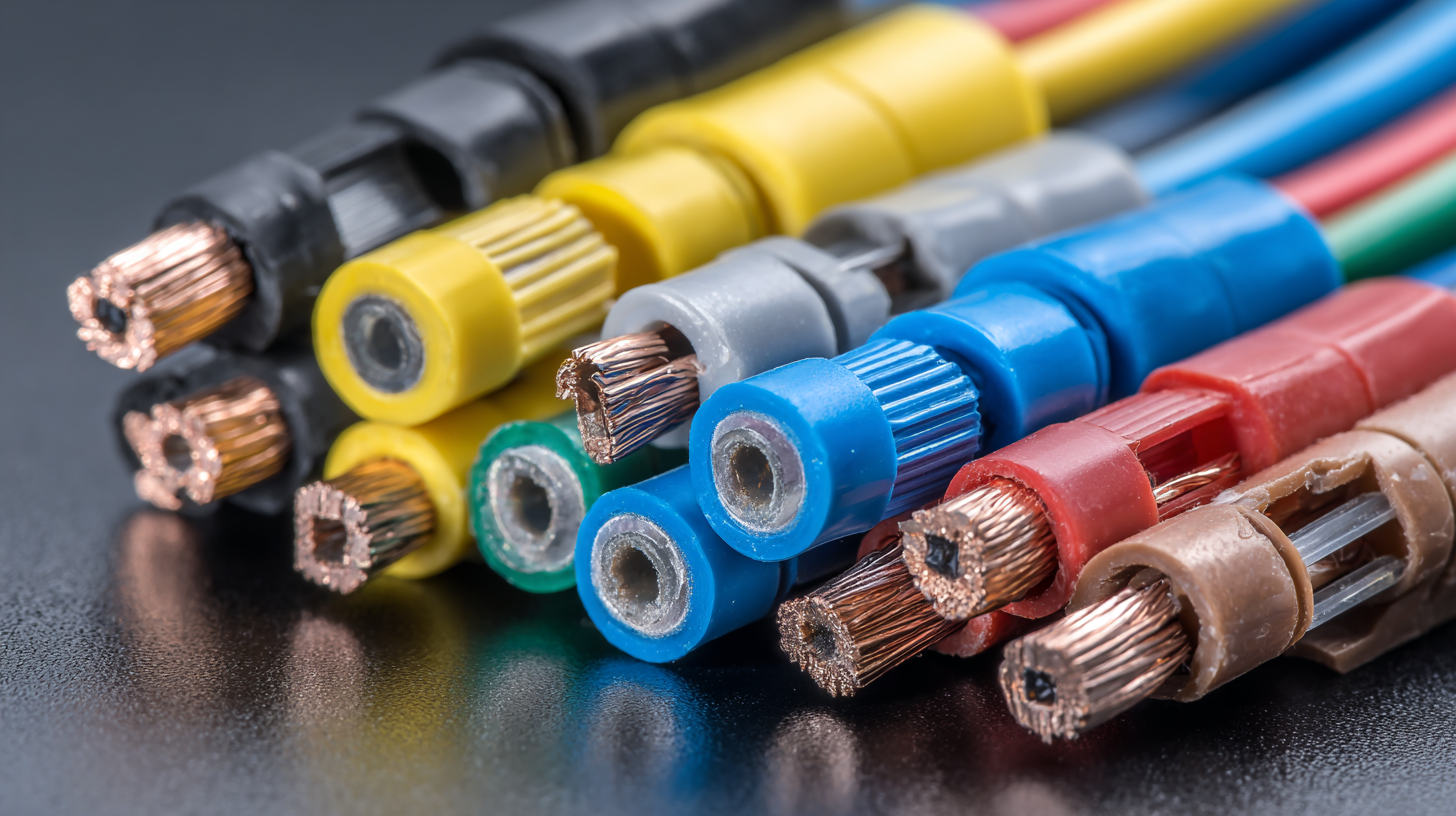
Another thing to keep in mind is the adhesive lining inside the connectors. Those with a heat-activated adhesive are great because they help create a waterproof seal once you apply heat. That’s especially handy if you're working outdoors or in humid conditions, as it keeps water out and prevents corrosion — extending the life of your connection. Oh, and it’s often helpful to choose connectors that are color-coded to match their size and voltage rating. It just makes things easier to pick the right one for your specific project. By paying attention to these features, you’ll be better equipped to pick the right heat shrink splice connectors, which means safer and more reliable electrical work overall.
Essential Factors in Selecting the Right Materials for Connectors
When you're picking out heat shrink splice connectors, the materials they're made from really matter if you want things to work reliably. One key thing to look at is the insulation material. Most folks go with polyolefin because it offers great electrical insulation, handles exposure to the elements pretty well, and stays flexible. That makes it perfect for lots of different situations—especially when things might get wet or exposed to chemicals or UV rays, which can cause other materials to break down. Plus, good-quality heat shrink tubing usually has some adhesive inside, creating a strong moisture barrier that keeps water out and helps the connection last longer.
Another crucial factor is what metal is used inside the connector. Copper is pretty much the go-to because it conducts electricity really well, which means less resistance and less heat. But you’ve gotta make sure it has a protective coating — otherwise, it can rust or oxidize, which might mess with the signal and make the connection flaky over time. For some specialized uses, aluminum connectors might work since they’re lightweight and cheaper, but they do require special crimping tools to fit tightly. All in all, paying attention to these material details helps you pick the right heat shrink splice connectors that’ll stand up to whatever tough conditions you’ve got going on and keep things running smoothly.
Comparing Different Sizes: Finding the Perfect Fit for Your Needs
When you're picking out heat shrink splice connectors, it's really important to get a handle on the different sizes available. Trust me, choosing the right size can make a huge difference in how well your project turns out. It’s kind of like choosing the right tires for different terrains—if you pick the wrong ones, it can affect both performance and safety. Smaller connectors are great if you’re working in tight spaces or need something a bit more delicate, whereas bigger ones tend to be more stable for heavier-duty jobs.
Lately, I've been looking into outdoor gear, and I keep hearing how crucial it is to select the right size for the job. Think of it like a cyclist choosing gravel tires—either to smash some personal goals or just avoid spills. When it comes to heat shrink connectors, it’s all about putting thought into what you actually need. Things like wire gauge, insulation type, and environmental conditions—basically, the same stuff you'd consider when picking outdoor gear or even your phone's case. By zeroing in on what suits your specific project, not only do you get a better performing connection, but it also lasts longer and stays reliable over time.
Tips for Evaluating the Quality and Durability of Heat Shrink Connectors
When you're choosing heat shrink splice connectors, it really pays to focus on quality and durability—after all, you want them to last through all sorts of environmental conditions. At Yueqing Gaopeng Electric Co., Ltd., we totally get how important reliable connections are. Founded back in 2016, we've been designing and manufacturing top-notch terminals and connectors, and we produce plenty each year to serve customers all around the world.
A good starting point when evaluating these connectors? Take a close look at the materials they're made from. The better ones typically use polyolefin or similar tough materials that give solid insulation and stand up well against heat, moisture, and chemicals. Plus, it's a good idea to check if they’ve been put through thorough testing to meet industry standards—that's usually a sign they’ll hold up over time.
Another thing to keep in mind is whether the connectors are a good fit for your wiring setup. You want something that's easy to install and can handle your required current. And if you find connectors with a strong adhesive lining? That's a big plus, as it helps ensure a super secure bond when you shrink them on. Here at Yueqing Gaopeng, we’re proud to offer connectors that check all these boxes. Our goal is to give you products that truly stand the test of time—and give you peace of mind with your electrical projects.
Cost vs. Performance: Making Informed Purchasing Decisions
 When you're trying to pick out the best heat shrink splice connectors, it’s really about finding that sweet spot between cost and what they actually deliver. I came across a recent report from MarketsandMarkets that says the global market for heat shrink tubing is expected to jump from around $3.5 billion in 2020 to about $5.2 billion by 2025. That just shows how much demand there is for reliable and efficient connection solutions across different industries. So, it kinda underscores how important it is to choose connectors that not only match your budget but also perform well enough to meet your expectations.
One main thing to think about is how well the connectors insulate and how durable they are. Usually, the top-tier heat shrink splice connectors are made with advanced materials that can handle extreme temperatures and tough outdoor conditions, so they last longer. I read a study in the Journal of Material Science that mentioned connectors made with cross-linked polyethylene can resist thermal stress up to 40% better than standard ones. Honestly, investing in a better-quality connector might save you money later on because of fewer repairs or replacements. So, if you're focused on long-term reliability, going for a higher-quality option might be totally worth it—even if it's a bit pricier upfront.
Maintenance Best Practices for Prolonging the Life of Your Connectors
Taking good care of your heat shrink splice connectors is super important if you want them to last and work well, especially in tough situations like electric vehicles (EVs) and heavy-duty trucks. Even though EVs are often touted for needing less maintenance, don’t forget that electrical components—like these connectors—still need some TLC to keep everything running smoothly.
One of the most straightforward ways to keep your connectors in top shape? Regularly check them out. Look for signs of wear, corrosion, loose fittings, or any hairline cracks in the insulation. And don’t ignore a little dirt or debris—cleaning them up helps the connection stay solid and can extend how long they last.
Another thing to keep in mind is making sure you connect everything properly. You want to avoid putting any unnecessary stress or strain on the connectors, especially in big rig electrical systems where reliability is absolutely critical. When you’re installing these connectors, follow the manufacturer’s instructions closely—this helps ensure they fit snugly. And don’t forget to use heat shrink tubing on exposed wires; it adds a layer of protection that can really make a difference over time.
Top Strategies for Choosing the Best Heat Shrink Splice Connectors - Maintenance Best Practices for Prolonging the Life of Your Connectors
| Connector Type | Temperature Rating (°C) | Environmental Protection | Installation Method | Average Lifespan (Years) |
| Single Wall Heat Shrink | -40 to 125 | Low | Heat Gun | 5-10 |
| Dual Wall Heat Shrink | -55 to 125 | Medium | Heat Gun / Oven | 10-15 |
| Heat Shrink with Adhesive | -40 to 125 | High | Heat Gun | 15-20 |
| Flexible Heat Shrink | -40 to 85 | Medium | Heat Gun | 5-10 |
FAQS
: The key materials to consider include the insulation material, commonly polyolefin for its excellent electrical insulation properties, and the conductive material, typically copper for its superior electrical conductivity.
Polyolefin is preferred due to its excellent electrical insulation properties, resistance to environmental degradation, and flexibility, making it ideal for various harsh conditions.
High-quality heat shrink tubing should incorporate adhesives to create a strong moisture seal, which prevents water ingress and enhances the longevity of the connection.
Copper is widely used due to its superior electrical conductivity, which minimizes resistance and heat generation, crucial for maintaining connection reliability.
It is vital to ensure that copper connectors have a protective coating to prevent oxidation, which can lead to signal loss and reliability issues over time.
Yes, aluminum connectors can be a viable option due to their lightweight and lower cost, but they require specialized crimping tools for a secure fit and must be used with caution.
High-performance connectors with advanced materials can withstand extreme conditions, offering long-term reliability, which can lead to significant savings in maintenance and replacement costs over time.
The global heat shrink tubing market is projected to grow from USD 3.5 billion in 2020 to USD 5.2 billion by 2025, indicating a rising demand for reliable connection solutions.
Balancing cost and performance is crucial, as investing in higher-quality connectors can result in long-term savings and better performance, especially in challenging environmental conditions.
Connectors designed with cross-linked polyethylene can offer up to 40% greater resistance to thermal stress compared to standard materials, according to studies in material science.
Conclusion
In today’s fast-changing world of electrical work, picking the right Heat Shrink Splice Connectors is super important if you want things to stay reliable and last a long time. When you're choosing one, keep an eye on the materials—these really affect how tough the connector is and how well it can handle the weather or any harsh environment. Making sure you get the right size is also a must, so everything fits snugly and stays secure, no matter what you’re working on.
Of course, it’s not just about performance; you also want to get good bang for your buck. Finding that sweet spot between quality and price can help you make smarter buying choices. And don’t forget—taking proper care of your connectors can really boost their lifespan, so they keep working well under different conditions. At Yueqing Gaopeng Electric Co., Ltd., we take pride in making top-notch connectors that tick all these boxes and support customers all around the globe.