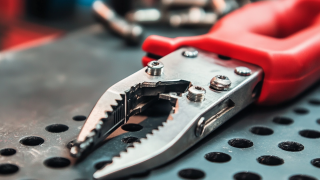
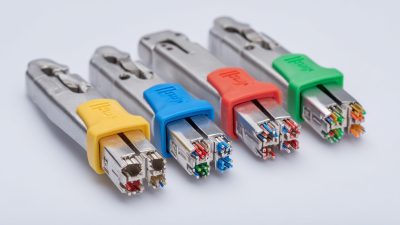
You know, in the fast-changing world of electronics, having good quality electrical connector crimpers really can’t be overstated. Industry folks say the global market for Crimping Tools is expected to grow pretty rapidly, and it’s all because everyone needs reliable connections—whether it’s for cars, telecom stuff, or everyday gadgets. Yueqing Gaopeng Electric Co., Ltd., started back in 2016 and is based in Wenzhou, Zhejiang, has really made a name for itself in this area. They focus on designing and making connectors and terminals, and with the annual output running into billions—and a strong export presence across Asia, Europe, America, and Africa—they’re dedicated to pushing out innovative solutions that meet tough industry standards. This guide is here to help both pros and hobbyists pick out the best electrical connector crimpers for their projects, making sure everything works smoothly and reliably.
Understanding the Importance of Electrical Connector Crimpers in Modern Electronics Projects
Electrical connector crimpers might not be something you hear about every day, but trust me, they’re a big deal in the world of electronics. These tools are pretty much essential for creating solid, reliable electrical connections that you can count on. Funny enough, a recent report by MarketsandMarkets suggests that the global market for Electrical Connectors is expected to hit around $107 billion by 2026, growing at about 6.1% annually. That’s a lot of connectors! And it really highlights how important it is to have good quality crimping tools — whether you’re working on consumer gadgets or car parts, the right tools make all the difference.
Here’s the thing — the quality of your crimp connection can really make or break your device’s performance and lifespan. If you don’t do it right, you risk loose connections, which can cause all sorts of problems. In fact, the IEEE found that up to 30% of electrical failures in cars are linked to bad crimped connections. So, whether you’re an engineer or just a hobbyist messing around in the garage, investing in decent crimpers is worth it. It helps ensure your projects work smoothly, last longer, and stay safe — no shortcuts here!
Overall, it’s these small details that really matter when it comes to making reliable, long-lasting electronics. And sometimes, taking that extra step with the right tools makes all the difference — believe me, it’s worth it.
Ultimate Guide to Choosing the Best Electrical Connector Crimpers
| Feature | Description | Importance |
| Crimping Capacity | The range of wire gauges the crimper can handle. | Ensures compatibility with various wire sizes in projects. |
| Material Quality | The type of materials used in the construction of the crimper. | Affects durability and effectiveness of crimping. |
| Handle Design | Ergonomic design for comfortable grip during use. | Reduces user fatigue and increases precision in crimping. |
| Ratchet Mechanism | A feature that allows for controlled crimping processes. | Ensures consistent and reliable crimping results. |
| Portability | Size and weight of the crimper for ease of transport. | Convenience in fieldwork and on-the-go projects. |
| Price Range | Cost variations based on features and brand. | Budget consideration for different project requirements. |
Key Features to Look for When Selecting the Right Crimping Tool for Your Needs
When you're picking out a crimping tool for your electrical projects, there are a few key things you should keep in mind—things that really affect how easy it is to use and how good your connections turn out. First off, think about the tool's capacity. Most crimpers are made to work with specific wire gauges and connector types, so it’s worth double-checking that the one you choose can handle the sizes you'll be working with. Going for a crimper with a wider range can save you from buying multiple tools down the line—that’s a real time-saver.
Another important thing? The grip. Crimping can be a bit tough on your hands, especially if you're doing a bunch of connectors. A handle that’s comfy to hold, maybe even padded, can make a big difference in reducing hand fatigue, especially during longer jobs. It’s also handy if the crimper has adjustable settings or different crimp positions—you know, to make it more versatile and suit all kinds of projects. Just keep these things in mind, and you’ll be able to pick a tool that really fits your needs without any unnecessary hassle.
Popular Electrical Connector Crimpers Features Comparison
Analyzing Different Types of Electrical Connectors and Their Compatibility with Crimpers
When you're choosing the best electrical connector crimpers for your projects, it’s really important to understand the different types of electrical connectors out there and how well they work with various crimpers. Did you know that, according to a recent report by Research and Markets, the global market for electrical connectors is expected to grow at a steady 6.5% CAGR from 2021 to 2026? That’s mainly because demand is skyrocketing in sectors like automotive and industrial applications. You’ll find common connector types like Terminal Blocks, spade connectors, and wire-to-wire connectors—all of which have their own specifications that can influence what kind of crimping technique you'll need to use.
Making sure your crimper is compatible with the connector is super important if you want a reliable electrical connection. For example, PVC insulated terminal lugs generally need specific crimping dies that match their gauge and insulation thickness perfectly. The International Electrotechnical Commission (IEC) also points out that using the wrong crimper or improper technique can cause resistance issues, which can seriously mess with your system’s performance. So, when shopping for a crimper, be sure to check out the compatibility charts that manufacturers provide—they’ll tell you which tools work best with different connector types. That way, you’ll get the best results and avoid headaches down the line.
The Role of Crimping Force and die design in Achieving Optimal Connection Quality
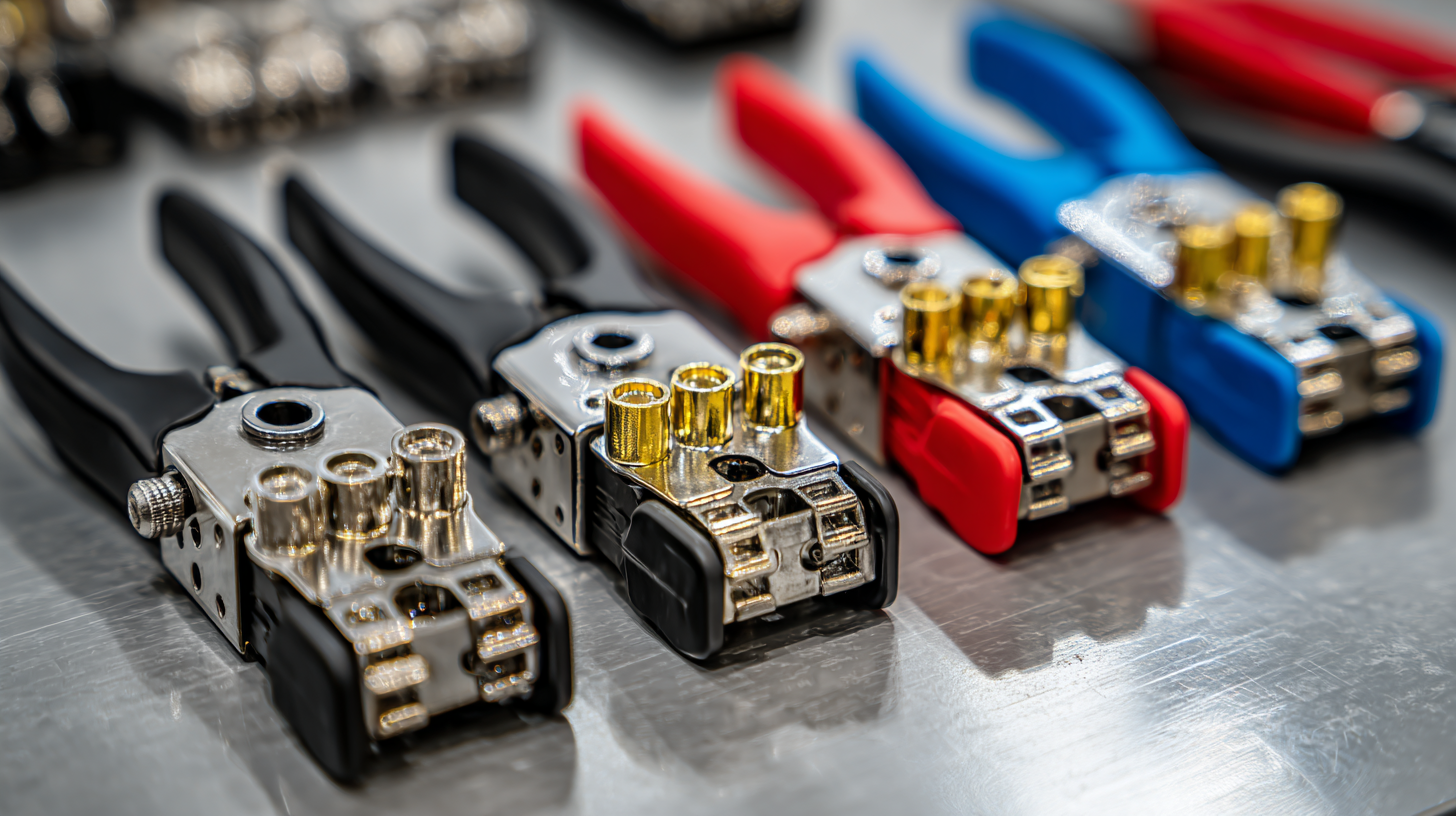
When we're talking about making sure electrical connections are reliable and perform well, you can't ignore the importance of crimping force and die design. Crimping is pretty much the key process where you secure terminals onto wires or cables, and how well that works really depends on how much force you use. According to the folks at the International Electrotechnical Commission (IEC), if you don’t apply enough crimping force, the connection can end up pretty weak mechanically and resistant electrically — which might lead to heat buildup or even circuit failures down the line. Basically, doing it right means making sure the wire strands are properly compressed and that there's solid metal-to-metal contact.
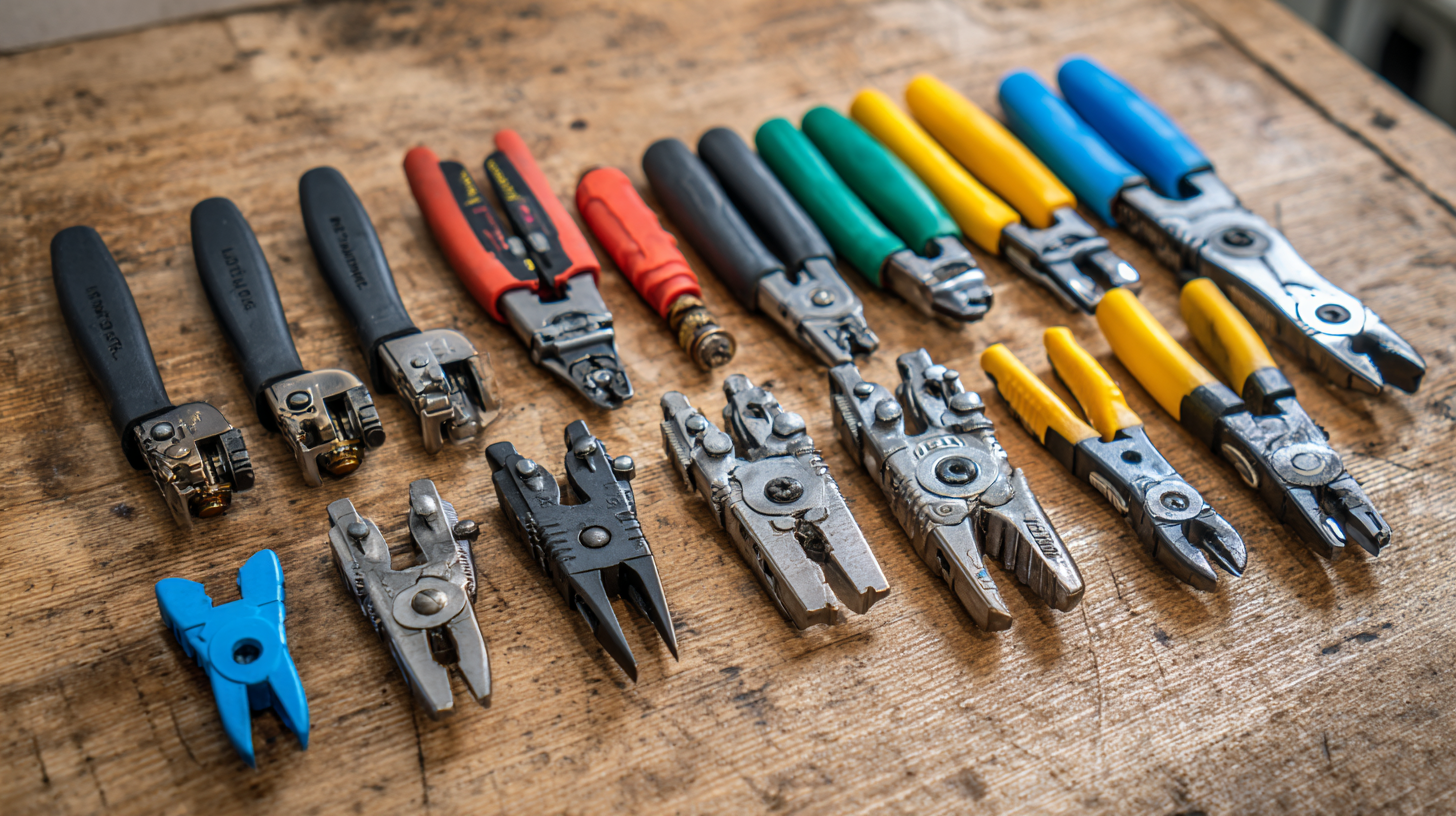
On top of that, the design of the die used during crimping is just as crucial. The IEEE points out that poorly designed dies can produce uneven crimp profiles, which can mess with both the electrical and mechanical performance of your connections. When you use precision-engineered dies made for specific wire types and sizes, you can really gain better control over the whole crimping process. And get this — advanced simulation methods in die design have shown they can improve crimp quality by up to 40%. That’s a big deal because it means less chance of connection failures later on. So, really, understanding how crimping force and die design work together is super important if you want to pick out the best crimpers for your electrical projects.
Industry Standards and Certifications: Ensuring Your Crimper Meets Professional Requirements
When you're picking out electrical connector crimpers, it's pretty important to think about industry standards and certifications. These aren't just bureaucratic hoops—they actually show that the tool can do the job safely and reliably. For example, the IEC (International Electrotechnical Commission) has standards like IEC 60947-7, which basically set the safety and performance benchmarks for connectors. If your crimpers meet these standards, you’re not only making sure your electrical connections are solid but also boosting safety—especially in high-voltage or industrial setups where things get serious.
Plus, a lot of pros also keep an eye out for tools certified by big names like Underwriters Laboratories (UL) or the Society of Automotive Engineers (SAE). Take the SAE J2030, for instance—it lays out exactly what’s expected performance-wise for automotive electrical connectors, emphasizing details like proper crimp depth and insulation support. By choosing crimpers that tick these certifications, you're helping to lower the chance of stuff failing down the line. It also means you’re following the rules, which is always a good idea, and your project will likely last longer and perform better overall.
Maintenance Tips for Prolonging the Life of Your Electrical Connector Crimpers
If you want your electrical connector crimpers to last as long as possible, regular maintenance is absolutely key. One of the easiest and most effective things you can do is keep them clean. After you're done using them, just grab a soft cloth and wipe away any dirt, dust, or gunk. It might seem like a small step, but it really helps prevent grime from messing up the tools and keeps everything working smoothly. Also, don’t forget to peek inside and check if any debris has gotten stuck in the mechanism — it can really mess with performance if left unattended.
Another thing that’s super important is to occasionally lubricate the moving parts. Just a few drops of light machine oil can make a big difference, helping the joints move nicely and cutting down on wear and tear. But, be careful not to overdo it — too much oil can attract dirt and grime, which kinda defeats the purpose. And last but not least, give the jaws a regular inspection. If you spot any cracks, worn-down spots, or dullness, it might be time to replace either just the jaws or the whole tool, so you’re always working with the best tools for your projects.
FAQS
: Ensure that the crimping tool can handle the specific wire gauges and connector types you will be using, as tools are often designed for specific sizes. A tool with broad capacity can save you from needing multiple crimpers for different tasks.
An ergonomic design is critical because crimping can require significant hand strength. A well-designed handle with a comfortable grip can reduce fatigue during prolonged use, making the task easier and more efficient.
Look for crimpers with adjustable settings or different crimping positions, as these features allow the tool to adapt to various projects and enhance its overall versatility.
Regular maintenance includes keeping the crimpers clean by wiping away dirt after each use and checking for debris lodged in the mechanism to ensure smooth operation.
Periodically lubricate the moving parts of your crimpers with a few drops of light machine oil to keep joints operating smoothly. Be cautious not to over-apply, as excess oil can attract dust and grime.
Regularly inspect the crimping jaws for signs of wear or damage, such as cracks or dullness. If you notice these issues, consider replacing the jaws or the entire tool for optimal performance.
Conclusion
In today’s super-fast electronics world, picking the right electrical connector crimpers isn’t just a toss-up — it’s key to making sure your connections are solid and reliable. Think of this as your go-to guide to understanding why crimpers really matter. We’ll walk you through the main features you should keep in mind based on your specific needs, and take a look at different types of electrical connectors and how well they play with various crimping tools. Get a grip on things like crimping force and die design—these little details make a huge difference in getting a perfect connection that ticks all industry standards and certifications.
Oh, and don’t forget—your crimpers aren’t gonna last forever. Regular upkeep is the way to go if you want to keep them working smoothly and stay efficient in your projects. Whether you’re just messing around as a hobbyist or you’re a pro handling big projects, knowing how to pick the right crimpers can seriously up your game. And, by the way, here at Yueqing Gaopeng Electric Co., Ltd., we’ve been in the game since 2016, with solid manufacturing capabilities. We’re passionate about providing the best terminals and connectors to help you crush your electronics goals.