When it comes to electrical connections, the quality of your crimp tools really makes a difference. At Yueqing Gaopeng Electric Co., Ltd., we've been around since 2016, based in Wenzhou, Zhejiang. We're passionate about designing, developing, and manufacturing all kinds of terminals and connectors—basically, we aim to cover the diverse needs of customers all over the world. With an annual output running into billions and markets spanning Asia, Europe, America, and Africa, we truly get how crucial top-notch tools are in this industry.
In this blog, I’ll walk you through the perks of using good crimp tools, talk about some common issues, and show you how our products can boost your efficiency and ensure reliable electrical connections. So, stick around—we're here to help you get a handle on crimping technology and make your work easier and more dependable.
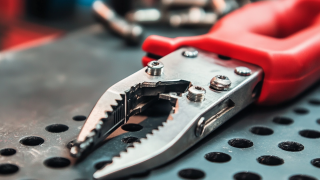
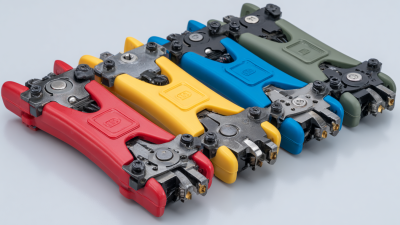
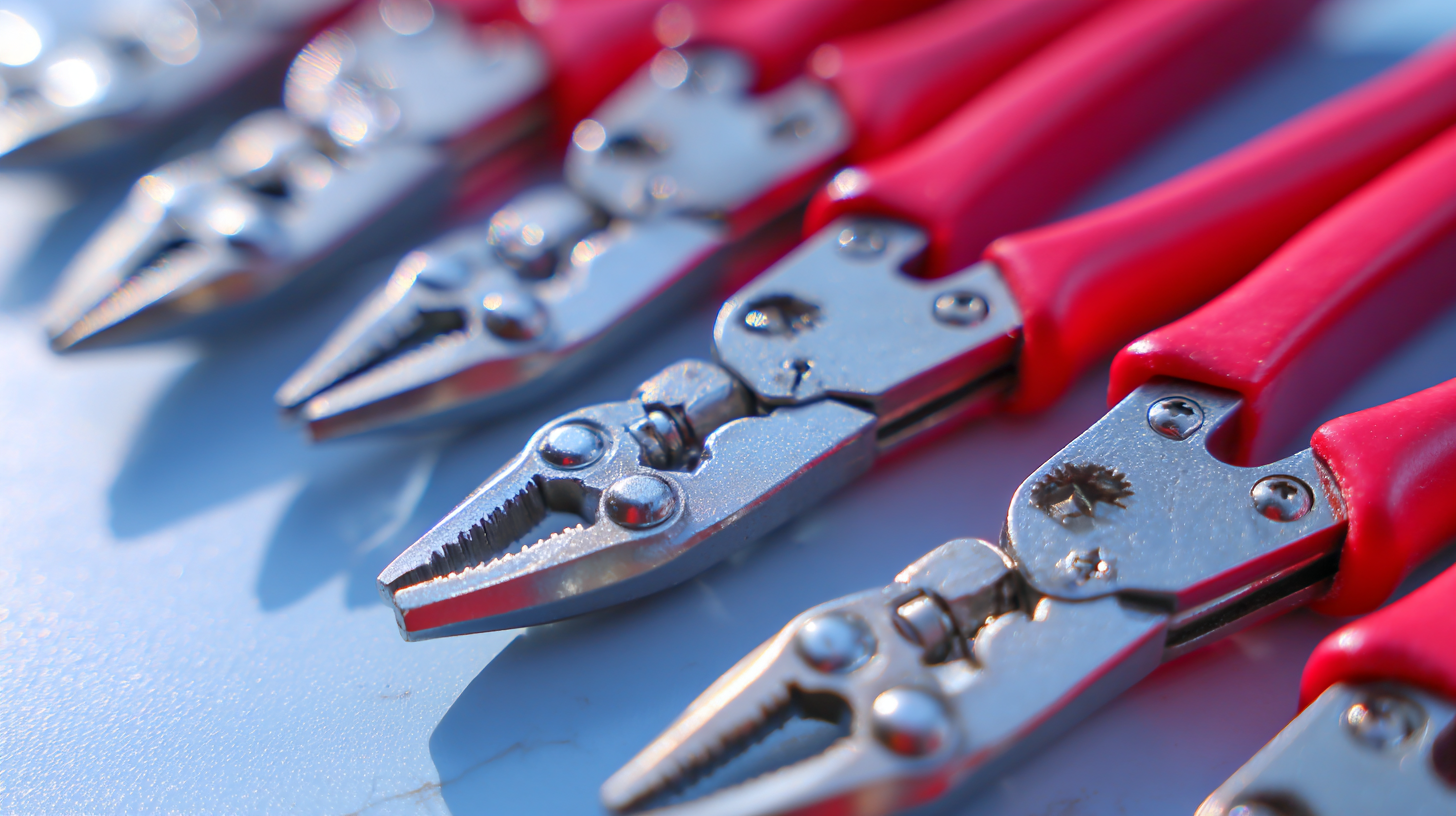
Crimp tools are pretty much essential if you're working in a bunch of different industries—they help you make sure wires and connectors stay connected securely. If you're into electrical work, telecom, or even automotive stuff, it's really important to get a good grasp of the different kinds of crimp tools out there and what they’re used for. You've got everything from small, handheld crimpers that are perfect for quick jobs and simple connectors, to bigger hydraulic tools that pack enough punch for those larger, tougher connections—great for when things need to stay reliable under high pressure.
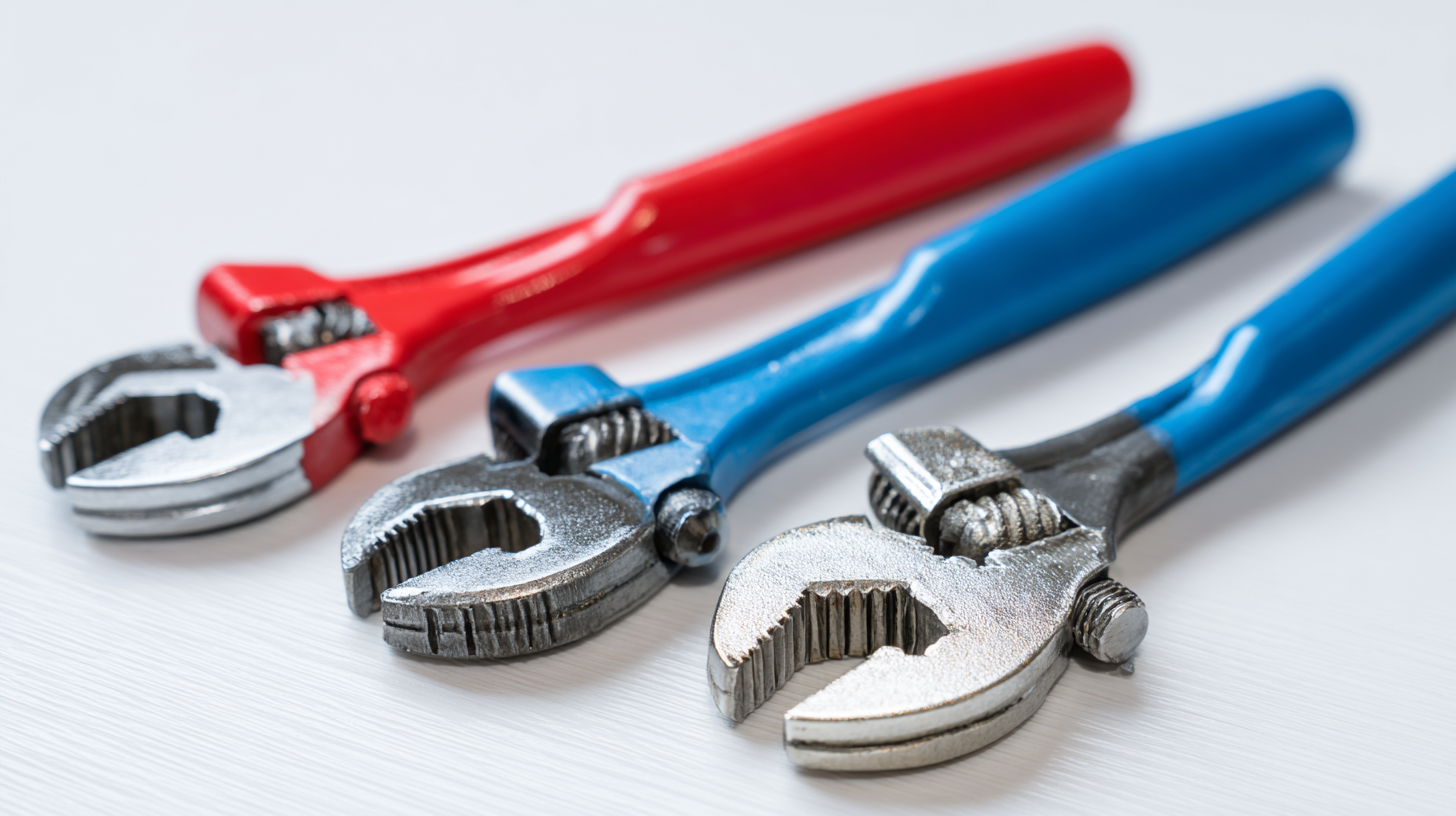
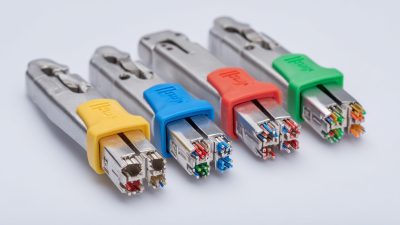
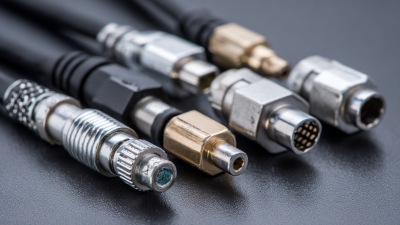
When you're picking out a crimp tool, think about what the project needs and what kind of connectors you're dealing with. Some tools are made for specific types, like RJ45 connectors if you're into networking, or Ring Terminals for car wiring. It’s also super important to know the limitations, since using the wrong tool or doing it wrong can lead to bad connections—stuff that could be unsafe or just not reliable. By getting familiar with the different options and what they’re best for, you’ll get much better at getting solid, efficient results every time you work on a project.
When you're working with crimp tools, it's pretty common to run into a few issues that can really mess with your results. One of the biggest culprits is often not using the right technique—if you don’t clamp properly or if you're using the wrong die, your connection might end up weak. And let’s be honest, if your tool isn’t lined up just right or if the wrong size is in there, the crimp probably won’t hold the wire securely. That can cause flickering electrical issues or weird intermittent connections. To avoid that, make sure you're using a tool that's suited for your wire’s gauge and type, and take some time to practice your technique. It might seem simple, but consistency is key and will definitely save you headaches down the line.
Another thing to keep in mind is that your crimping tool isn’t invincible—over time, with constant use, the jaws can get dull or knocked out of alignment. When that happens, your crimps might not be as solid as they should be. So, it’s a good idea to do regular check-ups—clean the tool, look over the alignment, and maybe even replace parts if needed. Also, not all crimp tools are built for heavy-duty jobs or high-volume use. Knowing the limits of your specific tool can really help you avoid performance hiccups and pick the right one for your project. Basically, a little maintenance and knowing your tools go a long way in keeping everything running smoothly.
When you're working with crimp tools, it's pretty important to know what they can and can't do, so you get the best results possible. One thing to keep in mind is that not all crimp tools are made to handle every type of connector or wire — some are more limited than others. Using the wrong tool could lead to weak connections, and that might compromise the whole electrical setup, which nobody wants.
Also, don’t forget that how you actually use the tool matters just as much as the tool itself. Even a top-notch crimping tool won’t do its job properly if your technique isn’t spot-on. Make sure you're applying the right amount of pressure and that you've stripped the wire properly before you crimp. Oh, and keep in mind—some crimp tools aren't exactly built for large projects or big wiring jobs, so they might not be the best choice if you’re tackling something extensive. Being aware of these little pitfalls can really help you make smarter choices and get your project done successfully without unnecessary headaches.
Picking the right crimp tool for your project is pretty important if you want those connections to be solid and dependable. When you're choosing one, think about the types of connectors you'll be working with. Not all connectors are the same, so you gotta match your tool to the job. For instance, insulated connectors usually need a different crimper than non-insulated ones. And don’t forget to double-check that the tool fits the wire gauge you're using—using the right size is key to getting a nice, secure crimp.
Another thing to keep in mind is how comfortable and user-friendly the tool is. It’s worth looking for a crimping tool that feels good in your hand and gives you enough leverage, especially if you’re planning to make a bunch of crimps. Some tools come with ratcheting mechanisms that ensure you apply consistent pressure, which can really help in getting uniform results. Also, think about whether you need a simple manual tool, an automatic one, or even a powered crimper, depending on how big your project is. If you consider all these factors, you’ll be able to pick the perfect crimp tool—and that means your wiring connections will turn out professional-looking every time.
Taking good care of your crimp tools is super important if you want them to last and work like a charm. These tools play a pretty big role in lots of industries, especially when it comes to making solid electrical and mechanical connections. But, if you slack off on their maintenance, you might notice things getting a bit wonky—like reduced efficiency or even the tool wearing out faster than it should. It’s a good idea to give your crimpers a quick once-over now and then; look out for signs of trouble, like worn-out jaws or misalignment, before they turn into bigger headaches.
Cleaning is also a key part of keeping them in good shape. Over time, dirt, grime, and other gunk can build up and mess with how well the tool works. A simple wipe-down after each use, plus using some proper solvents for really stubborn dirt, can make a big difference in how long your tool lasts. Don’t forget to occasionally oil the moving parts so everything runs smoothly and rust doesn’t set in. If you stick to these little habits, you’ll not only get consistently good crimping results but also get more bang for your buck out of your tools—win-win, right?
This bar chart illustrates the performance ratings of different crimp tools based on various performance indicators. Tool A has the highest rating, while Tool D has the lowest. Proper maintenance and care can enhance the performance and longevity of these tools.
Crimp tools are pretty much a go-to in a lot of electrical and mechanical work, but they’re not always the best option out there. Sometimes, knowing when to switch to something else can actually save you time and make your connections a lot more reliable. For example, crimping is quick and convenient, but if you’re dealing with high-stress situations—like vibrations, temperature swings, or exposure to fluids—it might not hold up as well. In those cases, methods like soldering or even using busbars could be way more dependable.
Plus, the types of materials you're working with really matter. Soft, bendy metals usually do just fine with crimping, but if you’re working with harder metals, you might run the risk of cracking or putting stress on the material. For projects that need to last a long time, options like welding or adhesive bonding might be the smarter moves. Basically, by thinking about what your specific project needs—stress levels, material types, long-term durability—you can figure out if crimp tools are the right choice or if a different approach makes more sense. Sometimes, a little extra effort upfront can make all the difference later on.
: Crimp tools are essential devices used to securely connect wires and connectors in various industries, including electrical, telecommunications, and automotive fields.
There are several types of crimp tools, including handheld crimpers for small tasks, hydraulic crimping tools for larger connections, and tools designed for specific terminals such as RJ45 connectors or ring terminals.
When selecting a crimp tool, consider the types of connectors you will be using, the gauge of wires, and the ergonomics of the tool. Ensure the tool is compatible with your connectors and comfortable to use.
Look for crimp tools that are comfortable to handle, provide good leverage, and potentially feature ratcheting mechanisms for consistent pressure, particularly if multiple connections are needed.
Yes, alternatives include soldering, using busbars, welding, or adhesive bonding, especially in applications where crimping may compromise joint integrity in high-stress environments.
Consider alternatives when the application involves exposure to vibration, temperature variations, or fluids, as these conditions may affect the performance of crimped connections.
Yes, the type of materials can significantly influence the choice; softer metals may work well with crimping, whereas harder materials may be more suitable for welding or adhesive bonding.
Improper use of crimp tools can lead to faulty connections, compromising safety and electrical integrity.
Compatibility with wire gauge is vital for achieving a secure crimp, as using the incorrect size can lead to ineffective connections.
In today’s fast-moving world of manufacturing, it’s really important to understand crimp tools and their limits if you want top-notch connections. There are different kinds of crimp tools out there, each made for specific jobs, but they can sometimes cause headaches—things like uneven crimps or issues with matching materials. It’s good to be aware of these common pitfalls and to know the main limitations, like how much your skill as an operator matters and the importance of keeping your tools well-maintained.
When you're picking out the right crimp tool for your project, think about what kind of terminals and connectors you’re dealing with, plus the specific needs of your application. Taking care of your tools—regular cleaning, proper storage, and maintenance—really pays off in the long run for both durability and performance. Sometimes, depending on the situation, it might even be worth considering other options besides crimping tools altogether. At Yueqing Gaopeng Electric Co., Ltd., where we design and produce all sorts of terminals and connectors, having a good grip on these details can seriously boost your efficiency and the quality of your products.