




News
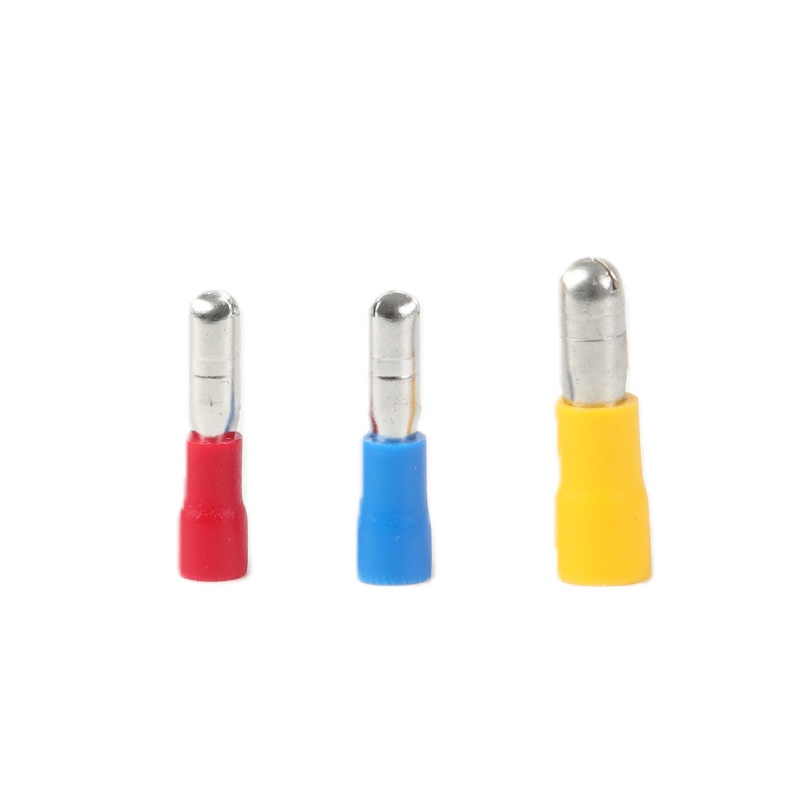
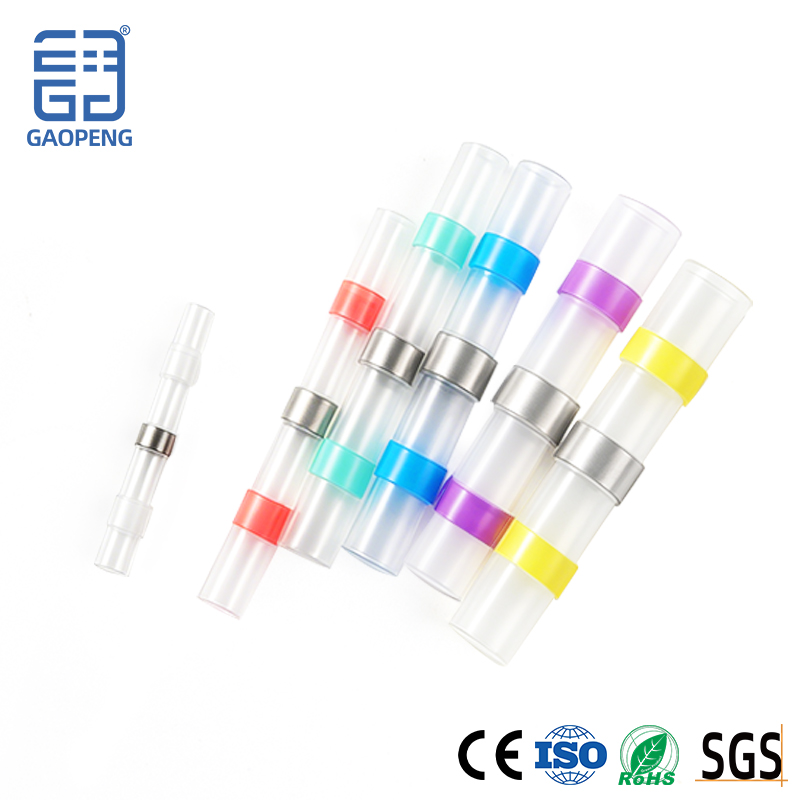
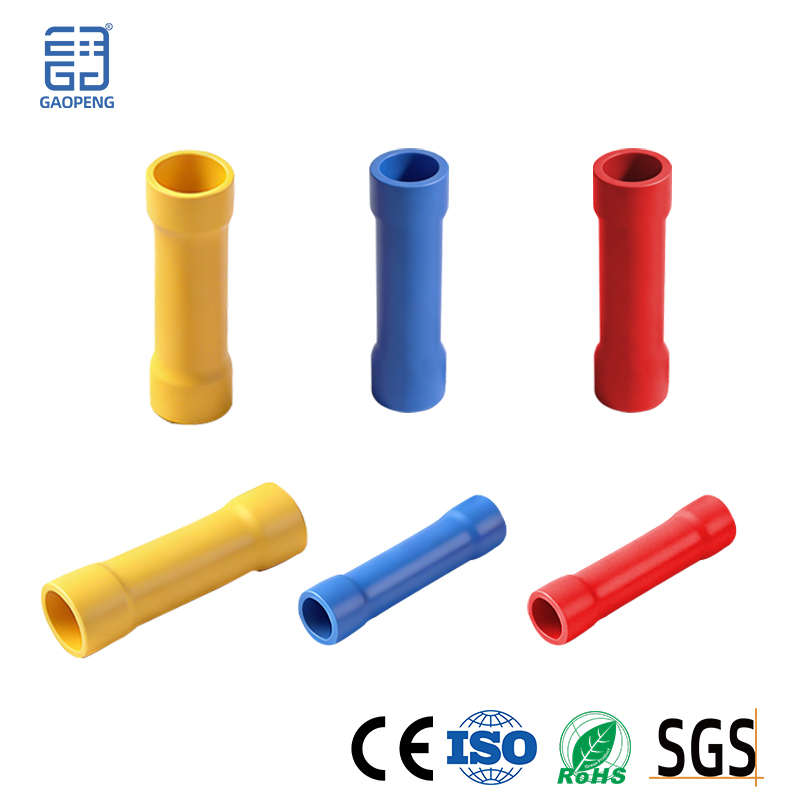
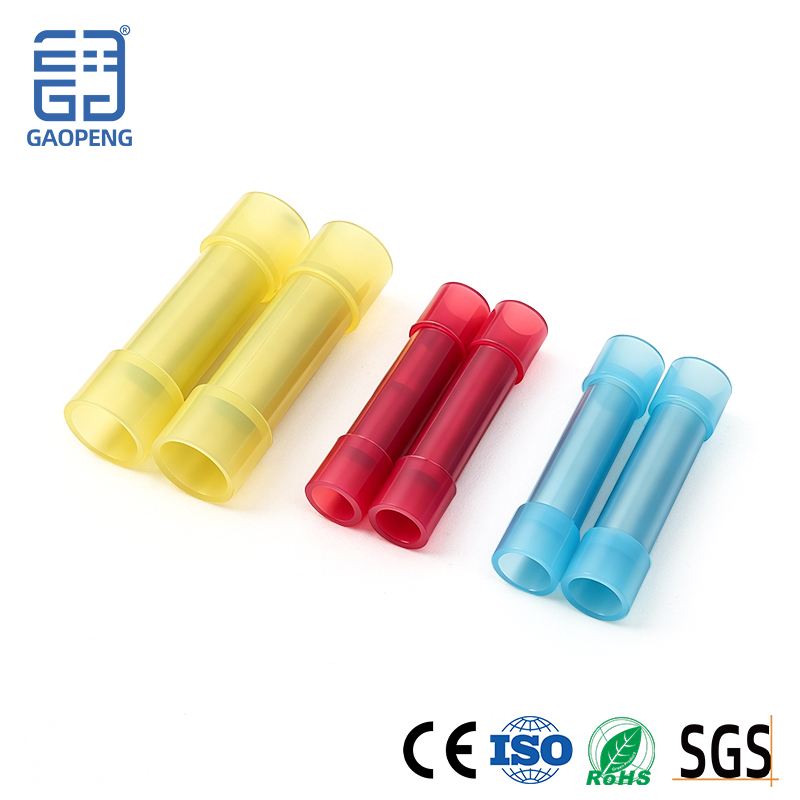
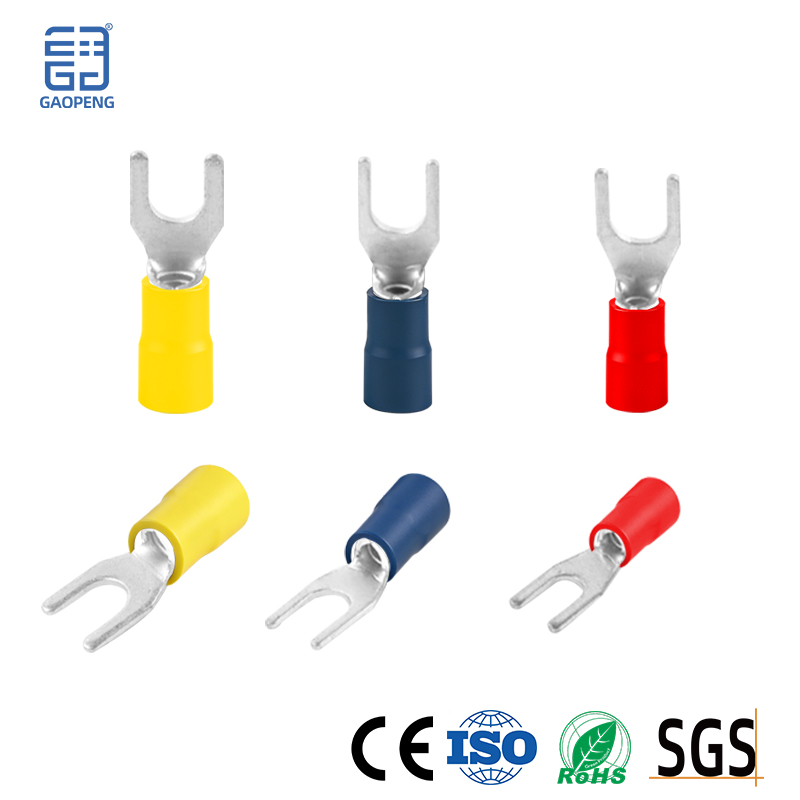
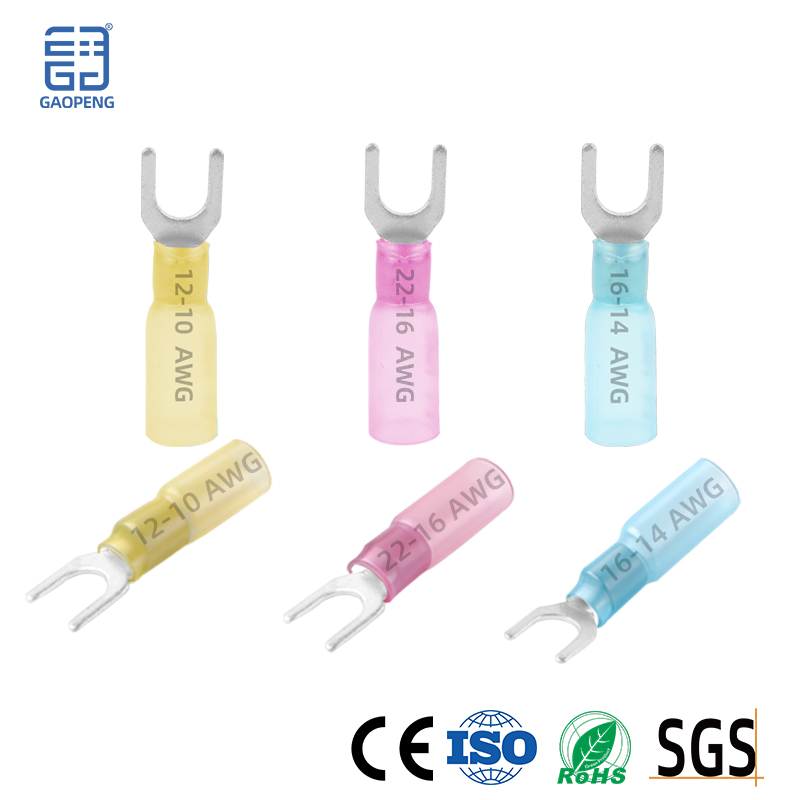
Introduction to Several Common Crimping Methods for Cold-Pressed Terminals: A Professional Guide
In the intricate world of electrical connectivity, the integrity of a system is fundamentally determined by the quality of its smallest junctions. Cold-pressed terminals—connected through the precise mechanical deformation of crimping—form the backbone of reliable wiring in industries ranging from automotive and aerospace to industrial automation and renewable energy. At Yueqing Gaopeng Electric Co., Ltd., we understand that a superior terminal is only as good as the crimp that secures it. Selecting the appropriate crimping method is not merely a procedural choice; it is a critical engineering decision impacting safety, durability, and electrical performance. This guide explores the most common crimping methodologies, their operational principles, and their ideal applications.
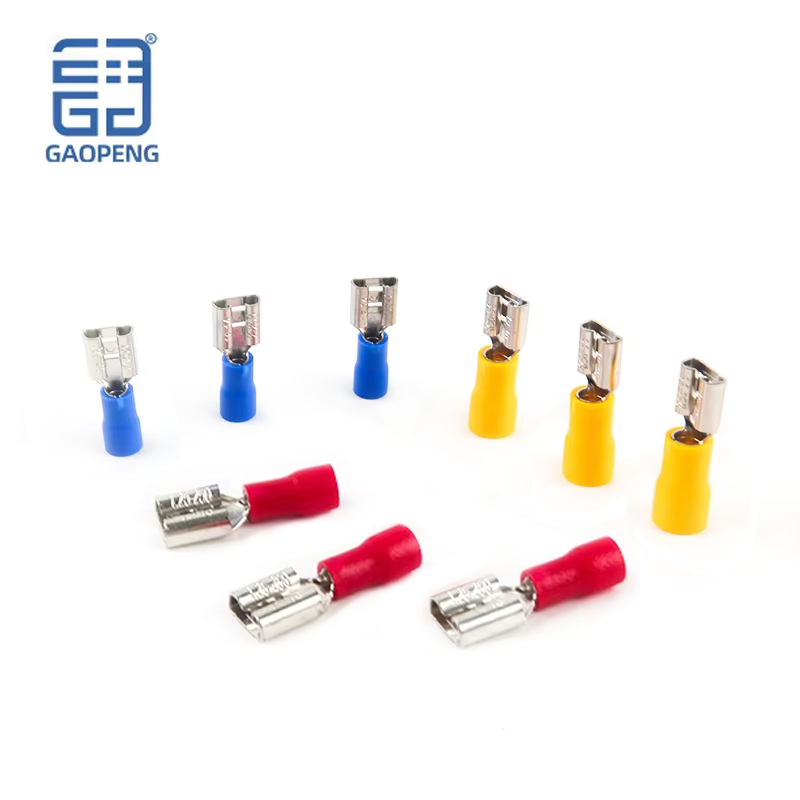
Do you know everything about cold-pressed terminals?
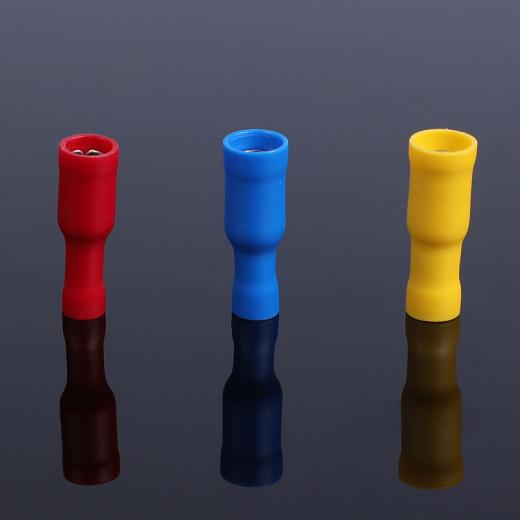
Cold-pressed terminals, also known as crimp terminals, wiring terminals, or wire lugs, are devices used to achieve reliable, repeatable connections between wires and electrical equipment (such as switches, relays, terminal blocks, motors, etc.) without soldering.
Core principle: Using specialized crimping tools (such as crimping pliers or hydraulic pliers), a large mechanical pressure is applied to the metal barrel of the terminal (the wire barrel) without heating (hence "cold"). This causes plastic deformation, tightly wrapping and gripping the wire. This deformation creates an airtight, high-strength electrical and mechanical connection between the terminal metal and the wire strands.
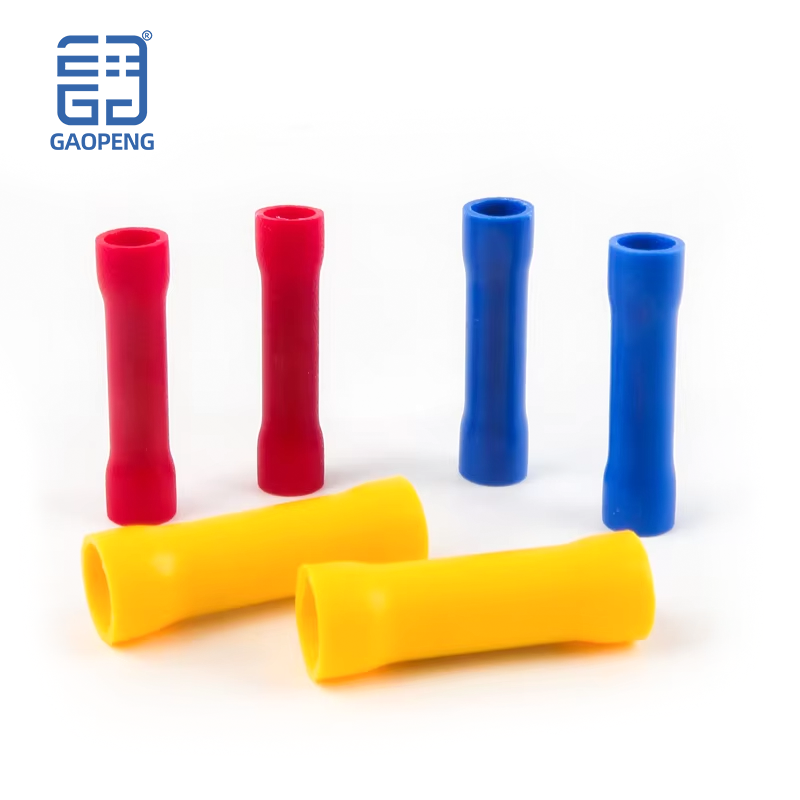
Nine Precautions for Cold-Pressed Terminals: Ensuring Safety and Reliability in Every Connection
In the world of electrical installations, the integrity of a system is only as strong as its weakest link. For connections utilizing cold-pressed (crimp) terminals—a standard across industries from automotive to industrial automation—the quality of the crimp is that critical link. A perfect crimp creates a gas-tight, cold-welded union that is often more reliable than the wire itself. A flawed one becomes a point of high resistance, heat generation, and potential catastrophic failure. At Yueqing Gaopeng Electric Co., Ltd., we manufacture premium terminals, but their performance is only unlocked through correct application. Adhering to fundamental precautions is not optional; it is a professional imperative. Here are the nine essential precautions for working with cold-pressed terminals.
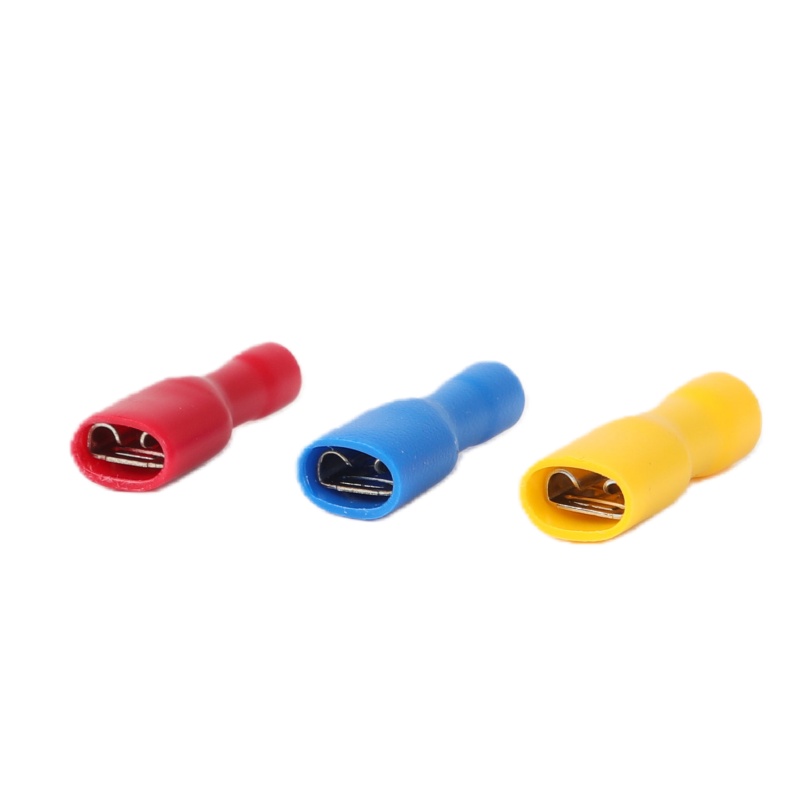
Introduction to the Flame Retardant Mechanism of Insulating Terminal Plastic Components
In general, the flame retardant mechanism is to add flame retardant to the plastic in a certain proportion to increase the oxygen index, thereby producing a flame retardant effect. Of course, the oxygen index only indicates the flammability of the material and the flame retardant of the flame retardant, and a series of parameters should also be used, such as thermal spontaneous ignition critical parameters, thermal ignition energy, thermal spontaneous combustion temperature, etc. Generally speaking, when plastics containing flame retardants are burned, flame retardants act in many ways in different reaction areas. Flame retardants may also work differently for different materials.
The mechanism of action of flame retardants is relatively complex. But the purpose is always to cut off the combustion cycle by physical and chemical means. The impact of flame retardants on combustion reactions is manifested in the following aspects:
1. The flame retardant located in the condensed phase absorbs endothermic decomposition, so that the relative temperature in the condensed phase slows down and rises, so as to delay the thermal decomposition temperature of the plastic, and uses the gasification heat of the non-combustible gas generated during the thermal decomposition of the flame retardant to reduce the temperature.
2. The flame retardant is decomposed by heat and releases a flame retardant that captures the -OH (hydroxy) radicals in the combustion reaction, so that the combustion process carried out according to the radical chain reaction is terminated by chain reaction.
3. Under the action of heat, the flame retardant undergoes endothermic phase transition, which prevents the temperature in the condensed phase from rising, and slows down the combustion reaction until it stops.
4. Catalyze the thermal decomposition of the condensed phase, producing solid phase products (coking layer) or foam layer, which hinders heat transfer. This keeps the condensed phase temperature low, resulting in a lower rate of formation as a raw material for gas-phase reactions, a product of the breakdown of combustible gases.
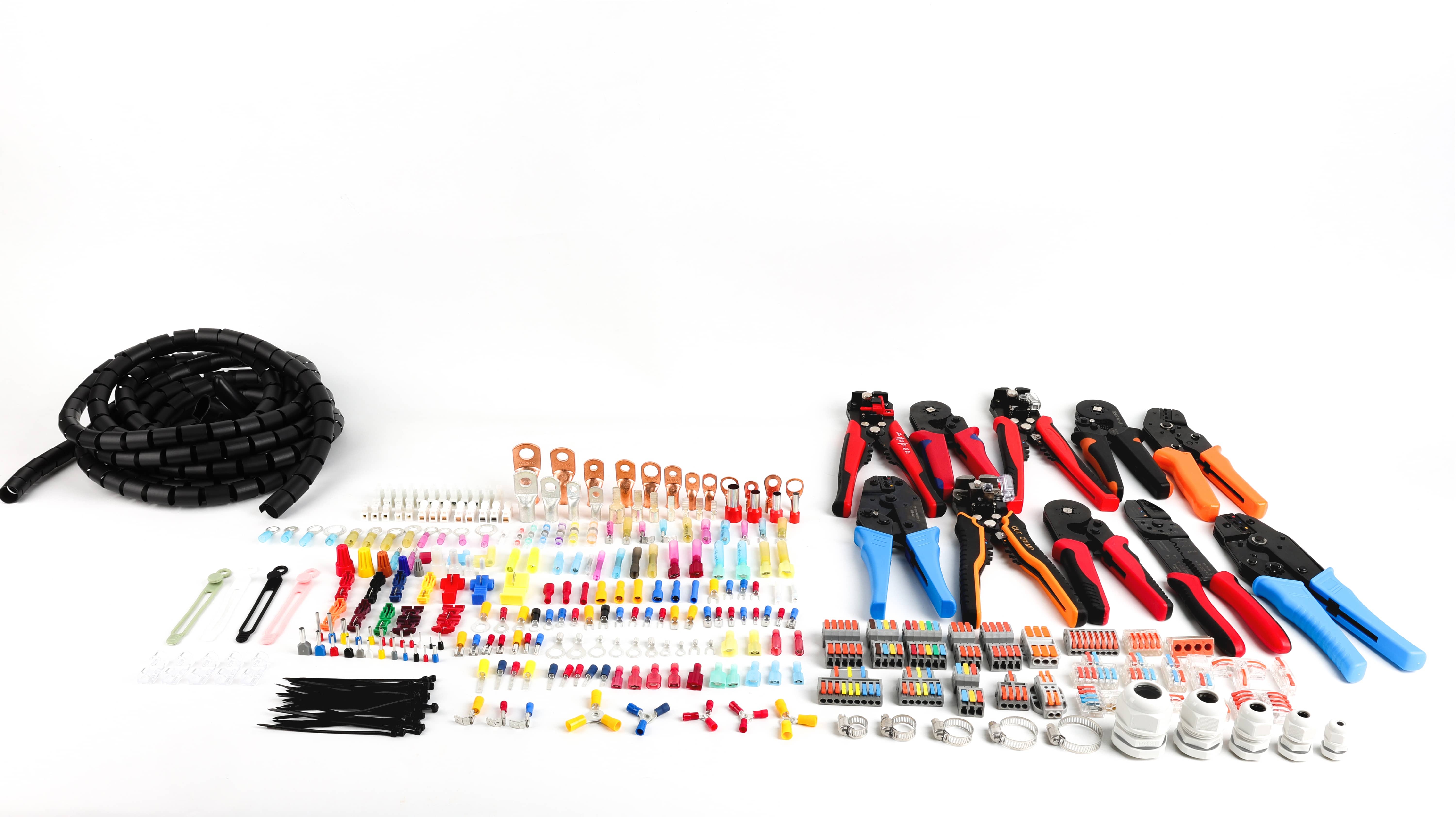
What is the Function of a Terminal Block? How to Choose a Terminal Block?
In the complex ecosystem of modern electrical and electronic systems, where efficiency, safety, and reliability are non-negotiable, one component acts as the indispensable central nervous system for connectivity: the terminal block. For engineers, panel builders, and procurement specialists, understanding its fundamental role and mastering its selection criteria is critical for project success. At Yueqing Gaopeng Electric Co., Ltd., we view terminal blocks not as mere commodities, but as engineered interfaces upon which system integrity is built. This comprehensive guide explores the core functions of a terminal block and provides a systematic framework for choosing the perfect component for any application.
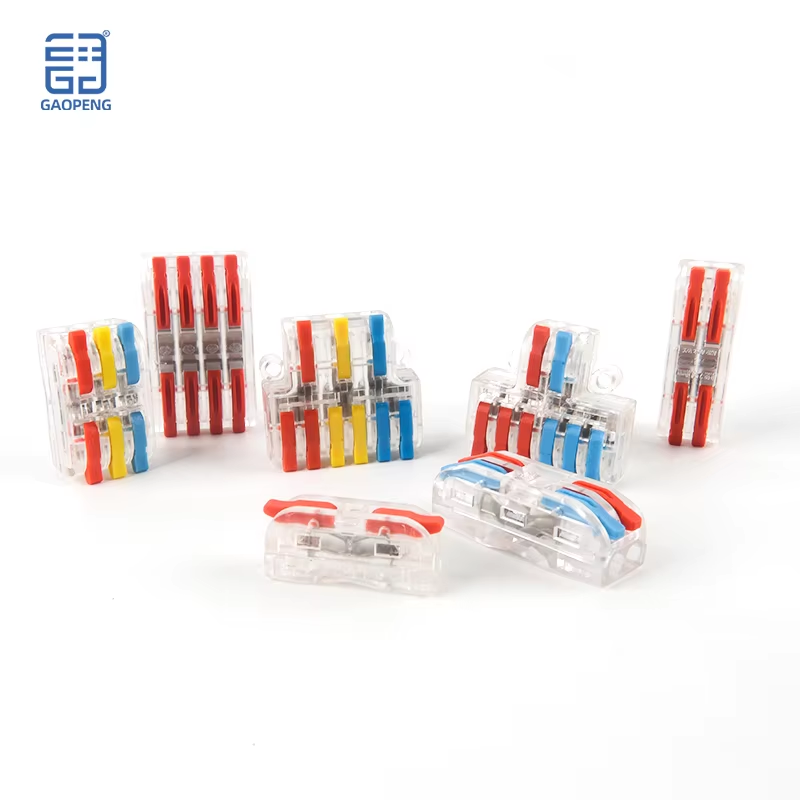
Introduction to the Installation Method of High-Current Terminals
The installation of high-current terminals (usually referring to terminals that carry currents from tens of amperes to several hundred amperes or more) is a task that requires careful operation. The key is to ensure low contact resistance, reliable mechanical connection, and good heat dissipation. The following is a detailed guide on installation, covering preparation, procedures, and precautions.
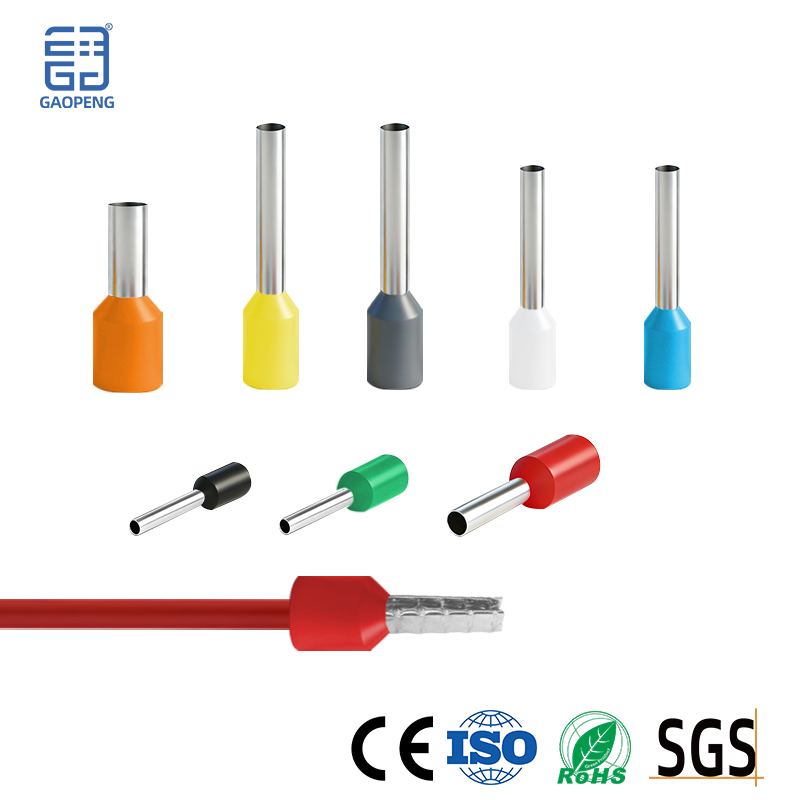
What is a Tubular Terminal Block? How is it Used? A Comprehensive Guide
In the meticulously organized world of electrical panel building and power distribution, clarity, safety, and reliability are paramount. Among the diverse array of connection solutions, one component stands out for its simplicity, robustness, and critical role in high-power and safety-critical applications: the Tubular Terminal Block. While perhaps less familiar by name than its DIN-rail mounted counterparts, this type of terminal block is a workhorse in countless industrial, commercial, and renewable energy systems. At Yueqing Gaopeng Electric Co., Ltd., we understand the importance of every connection detail. This article provides a definitive guide to tubular terminal blocks, explaining their design, unique advantages, and proper application.
What is the difference between a terminal block and a terminal?
What is a Terminal Block Strip
A terminal block strip refers to a fixed assembly of specialized terminals used in power electronic wiring connections, required to connect devices inside a panel with devices outside the panel.
Features of Terminal Block Strips
Terminal block strips usually use letters/pinyin and numbers to indicate the current capacity of the terminal connections, dimensions, number of endpoints, and the model of the manufacturer's product series. Additionally, the number of ports on a terminal strip can vary and can be customized according to user requirements.
Functions of Terminal Block Strips
The main functions of a terminal block strip are:
1) To organize wires more conveniently. Marking each terminal makes it clearer and more aesthetically pleasing, and easier to maintain; otherwise, a bunch of wires tangled together can become confusing.
2) To control the closing and opening of connections, making usage and operation easier.
What is the difference between a terminal block and a terminal?
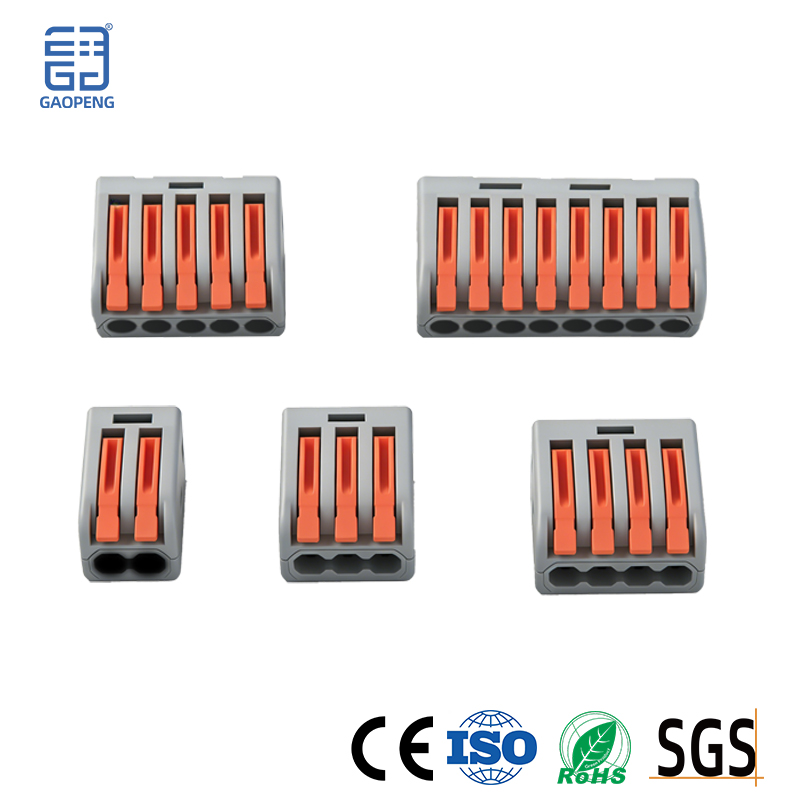
In the precise language of electrical engineering and panel building, terminology matters. Two terms that are often used interchangeably—but denote distinctly different components—are "Terminal" and "Terminal Block." This confusion can lead to specification errors, procurement delays, and safety risks. At Yueqing Gaopeng Electric Co., Ltd., as a specialist in electrical connection solutions, we believe clarity is the foundation of a reliable system. This article provides a definitive, professional breakdown of the critical differences between these two fundamental components, their unique roles, and how they work together to create organized, safe, and efficient electrical installations.
Detailed Introduction to Wire Nuts
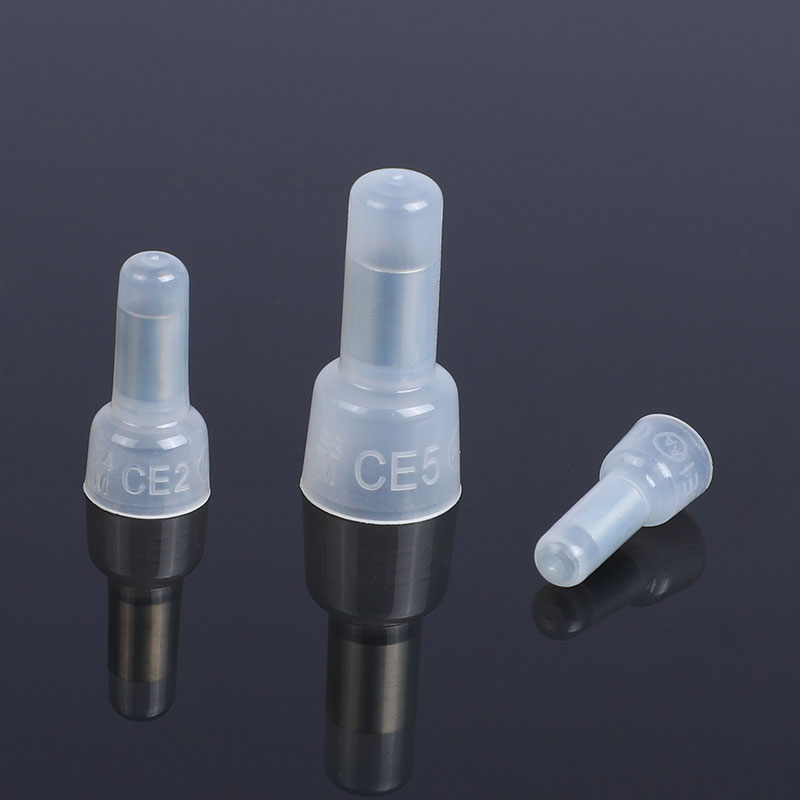
Wire nuts, also known as wire connectors, twist-on wire connectors, or terminal caps, are electrical accessories used to safely and reliably connect two or more wires. They securely hold the wire ends together through their internal structure, ensuring electrical conduction while providing insulation protection to prevent short circuits and electric shocks.
They are one of the most commonly used and cost-effective solutions for wire connections in electrical work, equipment assembly, and circuit maintenance.