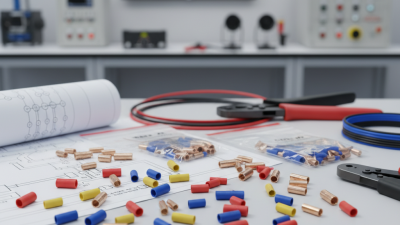
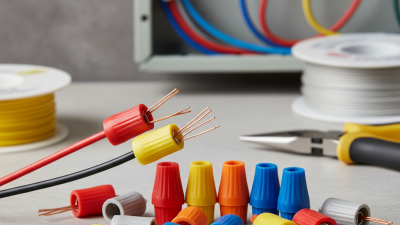
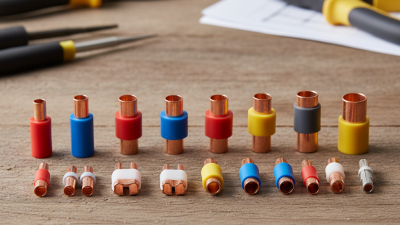
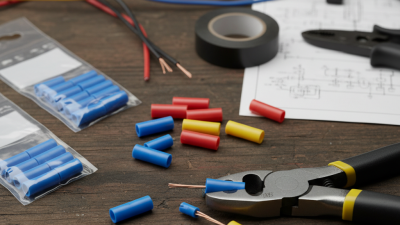
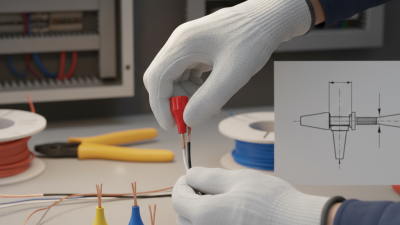
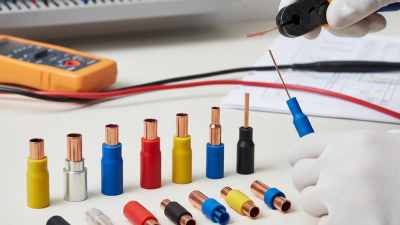
When you're dealing with electrical stuff, Butt Connectorsreally come in clutch. These tiny components might seem simple, but they’re super important when it comes to connecting wires securely. The tricky part is that their performance really depends on quality—so picking the right one is kinda crucial. You’ll find a bunch of different options out there, but not all Butt Connectors are created equal, you know?
It’s really worth taking the time to check out the specs and what materials are used in each. Some brands claim theirs are the best in the game—sometimes that’s true, sometimes not so much. A good, well-made Butt Connector can handle tough conditions and stay strong over the long haul. But those cheaper, low-quality options? They might seem fine at first, but when you need them the most, they could let you down.
So, if you’re trying to pick the right ones, don’t just go for the cheapest. Instead, look for trusted brands, read some reviews, and think about how durable they are. The right connectors will not only do the job but also give you some peace of mind while working on your electrical projects.
Understanding Butt Connectors: An Overview of Their Functionality
Butt connectors play a crucial role in electrical connections. These connectors help join two wires together, ensuring a secure and reliable bond. Understanding their functionality can significantly improve both safety and performance in electrical systems. When you crimp a butt connector, you create a solid joint that minimizes the risk of disconnection or short circuits.
In terms of design, butt connectors come in various sizes and materials. They can be insulated or non-insulated, depending on your project's needs. Using the right type is important; wrong connectors may lead to failures. It's essential to learn how to choose the suitable connectors for your application. Experimenting with different types can highlight their strengths and weaknesses.
Testing your connections is vital. Properly crimped connectors should withstand vibrations and temperature changes. If you're unsure about a connection, revisit your technique. Mistakes in crimping can lead to unreliable performance. Developing better skills in selecting and using butt connectors takes time and practice. Reflect on past experiences to enhance your approach in future projects.
2026 Best Butt Connectors for Reliable Electrical Connections
| Connector Type | AWG Rating | Material | Max Voltage | Temperature Rating | Water Resistance |
| Standard Butt Connector | 22-10 AWG | Copper | 600V | -40 to 95 °C | No |
| Heat Shrink Butt Connector | 22-10 AWG | Copper with Polyolefin | 600V | -55 to 125 °C | Yes |
| Marine Butt Connector | 18-14 AWG | Tinned Copper | 600V | -40 to 105 °C | Yes |
| Non-Insulated Butt Connector | 22-12 AWG | Copper | 600V | -20 to 80 °C | No |
| Closed End Butt Connector | 20-14 AWG | Aluminum | 300V | -35 to 80 °C | No |
Types of Butt Connectors: A Comprehensive Guide
Butt connectors are essential for creating reliable electrical connections. They come in various types, each serving a specific purpose. Understanding the different types can help you make the right choice. Common types include heat-shrink, non-heat-shrink, and adhesive-lined connectors. Each has its own strengths and weaknesses.
When choosing Wire Butt Connectors, consider the environment where they will be used. Heat-Shrink Connectors are ideal for outdoor applications. They offer excellent moisture resistance. Non-heat-shrink types are easier to use, but less protective. Adhesive-lined connectors excel in ensuring strong bonds in humid conditions.
Tips: Always check the wire gauge compatibility. Mismatched sizes can lead to poor connections. Make sure to strip the wires correctly. A clean strip will allow for a better connection. Proper crimping is crucial. A weak crimp can lead to failure over time.
Key Features to Look for in Quality Butt Connectors
When choosing butt connectors, focus on durability and reliability to ensure optimal performance. Quality butt connectors should have strong insulating materials, which prevent shorts and corrosion. According to industry reports, connectors made from high-quality copper have a lower resistance, benefiting electrical flow. Look for connectors rated for specific voltage levels to match your project requirements. The right connectors can impact system performance significantly.
Wire Connectors Butt can vary in design. Some offer a simple crimp style, while others include heat shrink options for added strength. Heat-shrink connectors provide moisture resistance. This feature is crucial in automotive or marine applications. An additional aspect to consider is the ease of installation. Connectors that offer a clear build allow for better visibility during installation. This visibility can avoid common mistakes and save time.
Tip: Always check for compatibility with your wire gauge. Using mismatched sizes can lead to overheating and failures. Another suggestion is to inspect connectors regularly. Regular checks can prevent electrical failures down the line. Understanding these features will help you make informed decisions. Quality butt connectors contribute to safe and efficient electrical systems.
Top Brands for Reliable Butt Connectors in 2026
When looking for reliable electrical connections, Butt Joint Connectors are essential. These connectors provide a secure and efficient way to join wires. In 2026, understanding the top brands can make a significant difference. Industry reports suggest that almost 75% of electrical failures are due to poor connections. Reliable Butt Joint Connectors can prevent such issues and enhance overall safety.
Recent studies reveal that using high-quality Butt Joint Connectors increases the lifespan of electrical systems. It’s crucial to consider durability and resistance to environmental factors. Temperature fluctuations and moisture are common challenges. Brands that focus on weather resistance and corrosion-proof materials stand out in the market.
Yet, not all connectors meet these standards. Some may fail under pressure or extreme conditions. Regular inspection and choosing connectors from trusted manufacturers can mitigate risks. While many consumers may overlook these details, the wrong choice can lead to costly repairs. For anyone looking to invest in Butt Joint Connectors, prioritizing quality over price is wise.
Installation Tips for Using Butt Connectors Effectively
When using butt connectors, installation techniques are crucial for creating reliable electrical connections. Start by stripping the insulation from the wire. Aim for about about half an inch. Too much exposure can lead to shorts in the circuit. Make sure to twist the wire strands together tightly. Loose strands increase the risk of a poor connection.
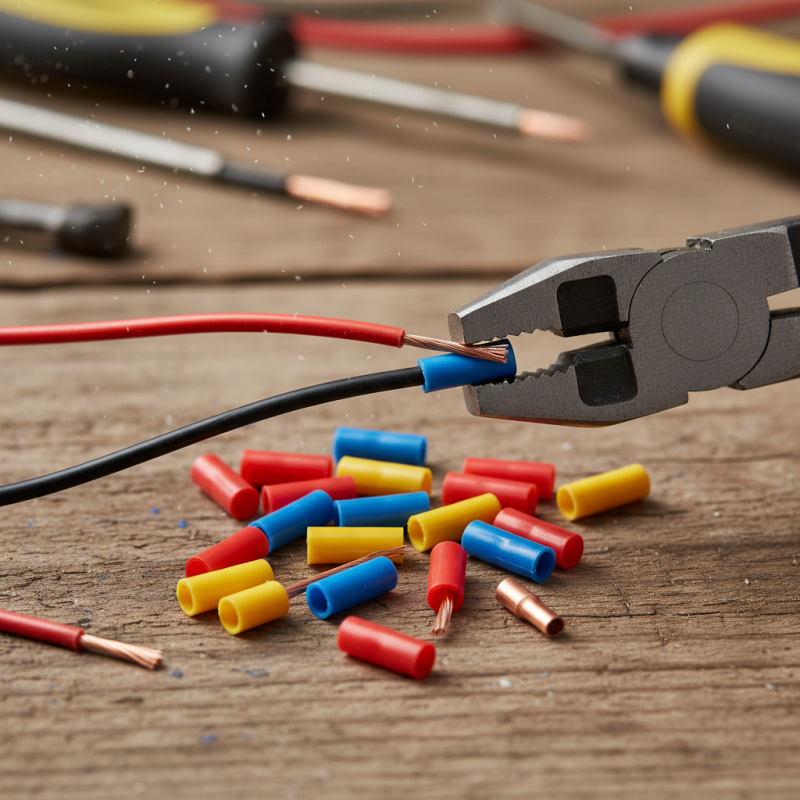
Next, insert the stripped wires into the butt connector. They should fit snugly. If they don’t, reconsider the wire size or connector choice. Using a proper crimping tool is essential. A firm squeeze should secure the connection without damaging the wire. Avoid using too much force, which can cause connector failure.
After crimping, inspect the connection visually. Tug on the wires to ensure they are secure. Any wiggle means it is time to redo the installation. Consider using heat shrink tubing for added protection. This provides an extra layer against moisture and corrosion. While butt connectors are reliable, mistakes happen. Reflect on the process and learn from any errors to improve future installations.
Common Issues with Butt Connectors and How to Avoid Them
Butt connectors are essential for reliable electrical connections. However, many users encounter common issues that can compromise their effectiveness. Poor installation is the primary culprit. If not crimped properly, connections can be weak and prone to failure. Additionally, environmental factors can lead to corrosion, impacting conductivity.
To avoid these issues, ensure you select the right connector for your wire gauge. Using the wrong size can lead to loose connections. Keep connectors clean and dry during installation. This helps prevent corrosion over time.
Consider these tips for optimal results: use a quality crimping tool. A well-designed tool provides a stronger connection. Always inspect your work after crimping. Look for any visible signs of weakness. Regular maintenance can prolong the life of your connections. Seek advice from experienced electricians when in doubt. They can provide insights based on real-world experiences.
Maintenance Practices for Longevity of Butt Connectors
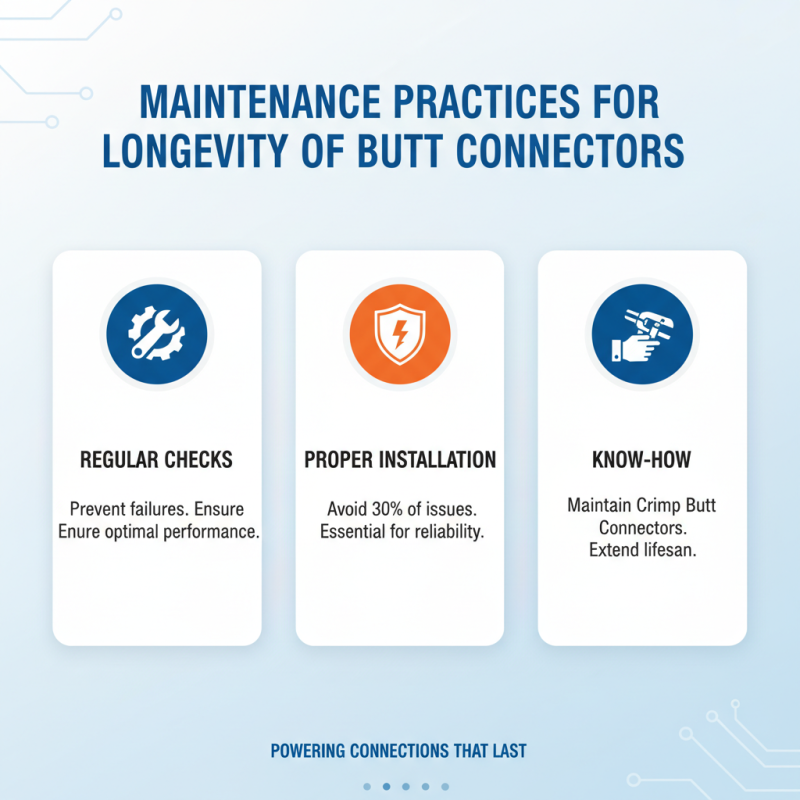
Maintaining butt connectors is crucial for optimal performance. These connectors are often used in various electrical applications. Regular checks can prevent failures and ensure longevity. According to industry reports, improper installation accounts for nearly 30% of electrical connection issues. Knowing how to properly maintain Crimp Butt Connectors is essential.
Inspecting the connectors regularly helps identify corrosion or wear. Cleaning them with an appropriate solution can enhance conductivity. Professionals recommend re-terminating crimp butt connectors every few years, especially in harsh environments. A study shows that 40% of failures occur due to environmental factors. Weather resistance plays a significant role in the reliability of these connections.
Using heat shrink tubing is beneficial. It provides an extra barrier against moisture. However, not all users apply it effectively. Thus, awareness is needed around correct application techniques. Understanding the elements impacting connection quality can guide better practices. While crimp butt connectors are reliable, they require proper handling and maintenance to ensure optimal functionality.
FAQS
: Butt connectors join two wires, ensuring a secure electrical bond. They enhance reliability and safety.
Proper crimping creates a solid joint. It reduces the risk of disconnection or short circuits.
Common types include heat-shrink, non-heat-shrink, and adhesive-lined connectors. Each type serves different purposes.
Consider the project environment. Heat-shrink connectors work well outdoors, while non-heat-shrink types are easier to use.
Testing ensures that connections withstand vibrations and temperature changes. Poor connections may lead to failures.
Mismatched wire gauges can cause poor connections. Improper crimping leads to weak joints and failures over time.
Practice selecting and using different types. Reflect on past mistakes to improve your techniques in future projects.
Regular inspection of connectors can identify issues like environmental resistance. Choose connectors that meet durability standards.
Yes, high-quality connectors enhance lifespan and safety. Prioritize quality over price to avoid costly repairs.
Conclusion
Butt connectors are essential components in electrical connections, designed to join two wires securely. Understanding their functionality is crucial for anyone working with electrical systems. The article provides a comprehensive guide to the various types of butt connectors available, highlighting the key features that ensure quality and reliability.
In addition to detailed insights on installation tips for effective use, it also addresses common issues associated with butt connectors and offers practical solutions to avoid them. Lastly, maintenance practices are discussed to maximize the longevity and performance of butt connectors, ensuring that connections remain reliable over time. This overview serves as a valuable resource for both beginners and experienced electricians looking to enhance their knowledge and application of butt connectors.