Screw-on Wire Connectors are really important parts of electrical systems. I was chatting with John Smith—he’s a big name over at WireTech Solutions—and he mentioned that these connectors actually make tricky wiring jobs a lot easier and safer. Basically, they help you connect wires securely, which is pretty handy for all sorts of projects.
In everyday use, screw-on connectors are kinda like the go-to solution for connecting wires without much fuss. People tend to like how simple and dependable they are. But, here’s the thing—not everyone’s really clear on how to pick the right one for their needs. That can lead to loose connections or, worse, some potential electrical hazards. And if someone screws them on too tightly, it could cause damage, which is a common mistake.
Even with all their perks, users sometimes face hurdles. Making sure the connector fits different wire sizes is super important. Also, a bit more info or training on how to handle these properly could save a lot of headaches. Looking ahead, screw-on wire connectors have a lot of potential for new improvements. The industry needs to keep evolving so they can better serve everyone’s needs.
What is a Screw On Wire Connector?
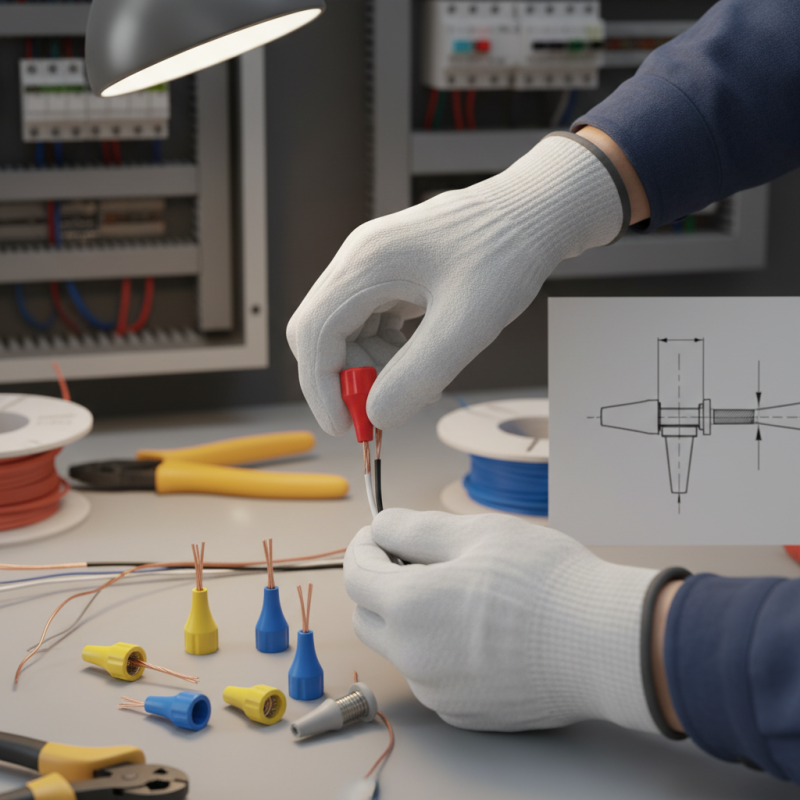
A screw-on wire connector is a common device used in electrical work. It joins multiple wires together, ensuring a secure and reliable connection. Made from durable materials, these connectors are easy to use and suitable for various applications. They come in different sizes to fit different wire gauges. Simply twist the wires together, insert them into the connector, and screw it tight.
Using screw-on wire connectors has some key benefits. They provide excellent electrical conductivity and can handle high current loads. This is essential for safety and efficiency in electrical circuits. However, improper installation can lead to issues. If wires are not twisted together well, a poor connection can result. Always double-check your work after installation.
Tips: Always use the right connector size for your wires. Test connections before covering them. A little extra attention can prevent future problems. Don't skip this step! Regularly inspect your connections for wear or damage. A small crack can lead to big issues later.
The Components of a Screw On Wire Connector
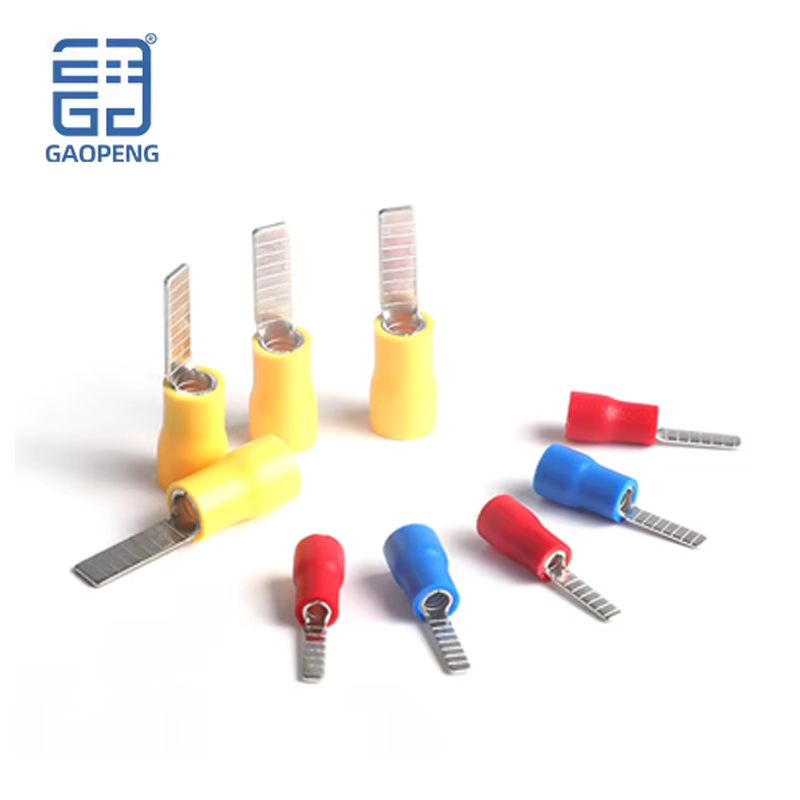
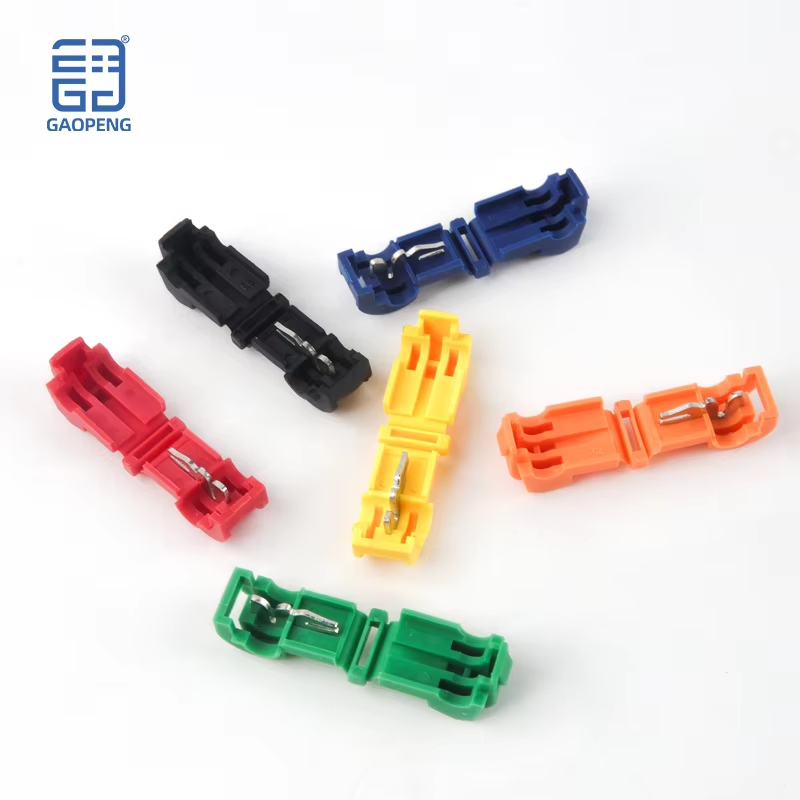
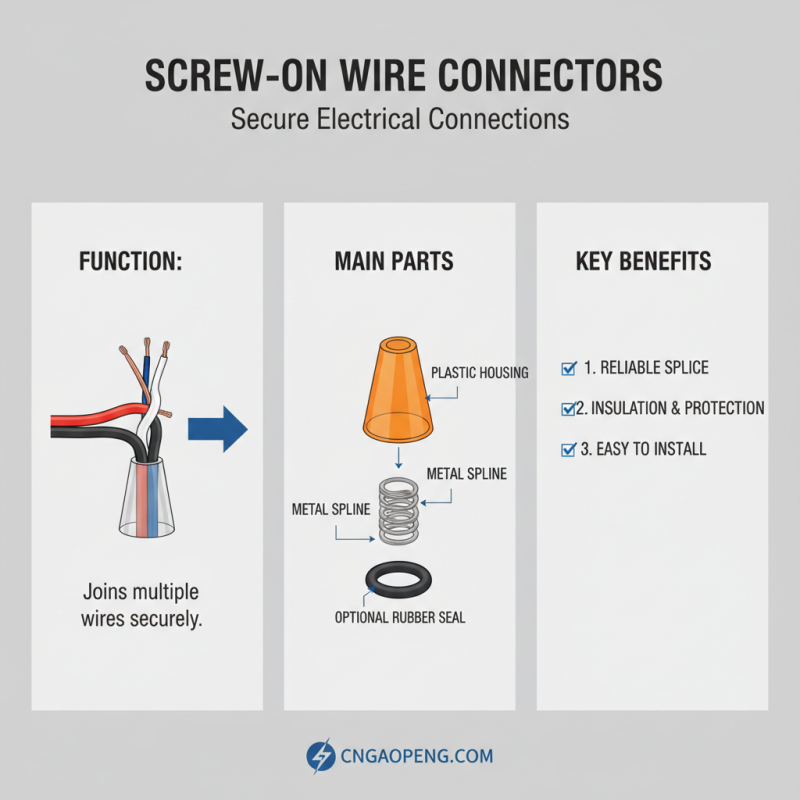
Screw On Wire Connectors are essential components in electrical installations. They are designed to join multiple wires securely. Each connector consists of several parts. The main parts include a plastic housing, a metal spline, and sometimes a rubber seal. The housing holds the wires in place, while the metal spline ensures a strong electrical connection by twisting the wires together.
When using Screw On Wire Connectors, understanding the components can enhance safety. The housing provides insulation, preventing accidental contact. The metal spline is crucial for conductivity and durability. A reliable connection is vital, as poor connections can lead to overheating or electrical failure. A recent industry report noted that improper connections accounted for 30% of electrical failures in residential wiring.
Tips: Always select the right size connector for your wires. A connector that is too small or too large can create problems. Make sure to twist wires together neatly before inserting them into the connector. This ensures a more secure fit. Poorly connected wires can lead to significant issues down the line, including short circuits or fire hazards. Take time to check your connections.
How to Install a Screw On Wire Connector
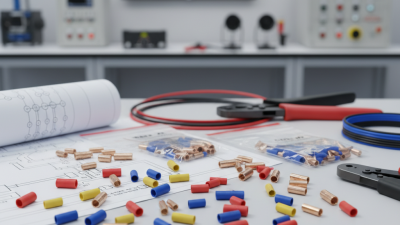
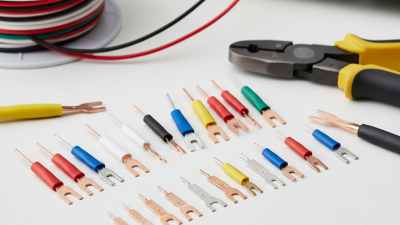
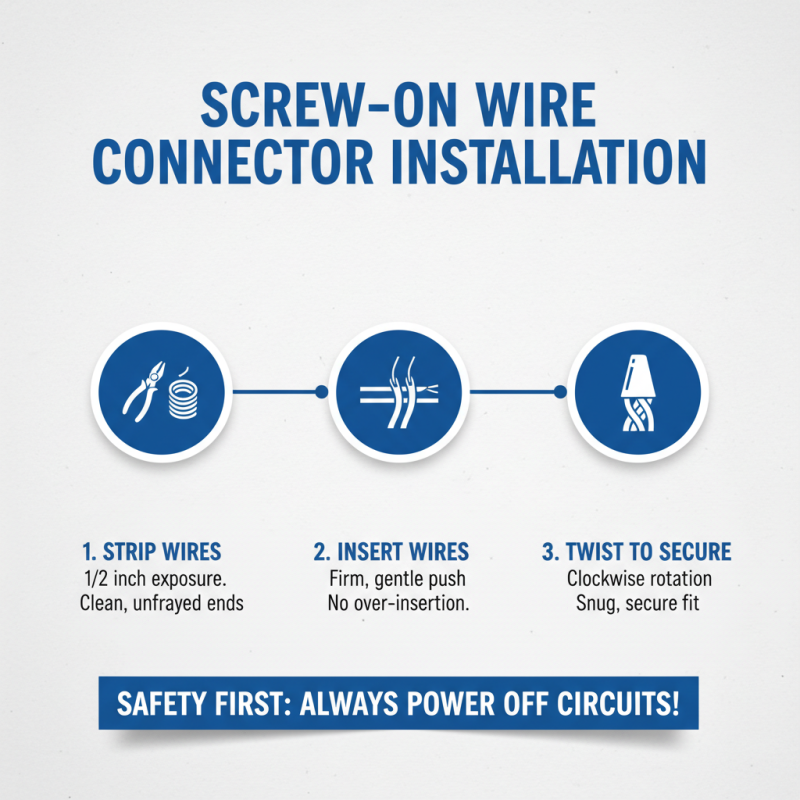
Installing a screw-on wire connector requires careful attention to detail. Begin by stripping the wire ends about half an inch. Use Wire Strippers for clean cuts, ensuring there are no frayed edges. Insert the stripped wires into the connector. The connection should be firm but not forced, as over-insertion can damage the wire.
Once the wires are in place, use a screwdriver to tighten the connector’s screws. This step secures the wires inside. Be careful not to overtighten, as this can break the wire or connector. According to industry standards, proper connection can reduce electrical issues by up to 30%. Ensure all connections are snug and secure.
Tips: Always check for exposed wire after connections. Insulation should cover any metal. If you notice bare wire, the connection needs to be redone. Use High-Quality Screw On Wire Connectors to prevent failures over time. Regularly inspecting your connections can lower the risk of electrical fires and enhance longevity. Good connections lead to safer electrical systems, ensuring peace of mind.
Understanding the Mechanism of Operation
A screw-on wire connector is a practical device used in electrical work. It connects two or more wires securely. Understanding how these connectors function can improve electrical safety and efficiency.
The connector operates through a simple mechanism. When you insert the stripped ends of the wires, you can twist them together. The screw inside the connector tightens, providing a solid grip. This action not only secures the connection but also ensures good electrical conductivity. Many people overlook the importance of ensuring proper wire stripping length. If it's too short or too long, the connection may fail.
Tips: Always check wire compatibility before using High-Quality Screw In Wire Connectors. This helps prevent potential issues. Also, ensure the connector size matches the wire gauge. An improper fit can lead to electrical hazards.
Remember, it's essential to handle these connectors with care. Over-tightening can damage the wires. Conversely, under-tightening may cause loose connections. Take your time during installation to reflect on each step. A little extra caution can make a big difference in safety and performance.
What is a Screw On Wire Connector and How Does It Work? - Understanding the Mechanism of Operation
| Feature | Description |
| Type | Screw On Wire Connector |
| Material | Polymeric Housing and Metal Screws |
| Function | Connects two or more electrical wires securely |
| Installation Process | Twist wires together and secure with screw mechanism |
| Advantages | Reliable, easy to install, and provides a strong connection |
| Common Applications | Home wiring, automotive electrical systems, and appliance repairs |
| Maintenance | Periodic inspection for corrosion or loosening |
Common Applications for Screw On Wire Connectors
Screw on wire connectors are handy tools in electrical connections. They allow for quick and secure joining of wires. Common applications for these connectors include residential wiring, automotive connections, and lighting installations. They are particularly useful in tight spaces. In homes, they can connect ceiling fans or light fixtures to the main wiring.
In automotive settings, screw on wire connectors often link headlight wiring or other electrical components. They provide durability against vibrations and temperature changes. Proper use is crucial here; loose connections can lead to shorts, which are problematic and dangerous. Using them in outdoor lighting can also present challenges, such as exposure to moisture.
Users should be cautious when working with these connectors. Some may not fully tighten them, leading to connection failures. It's also essential to strip the wire correctly. Over-stripping can cause fraying, which is not ideal. A proper understanding of how they work benefits all users. Each application calls for attention to detail and patience.
Applications of Screw On Wire Connectors
Benefits of Using Screw On Wire Connectors
Screw on wire connectors are becoming popular in various industries. They offer a reliable method for connecting wires. Their simplicity makes them user-friendly. With a screw mechanism, these connectors ensure a secure connection. This reduces the risk of loose wires.
One of the key benefits is their strength. According to a report from the International Electrotechnical Commission, screw on connectors provide up to 25% more grip than traditional connectors. This strength leads to better performance in high-demand applications. Users can enjoy peace of mind knowing their connections are stable.
Tips: Always ensure the wires are stripped properly. This ensures a better connection. Inspect the connectors regularly for wear and tear. Replace any that appear damaged. A small investment in maintenance can lead to significant long-term savings.
Overall, screw on wire connectors are efficient and reliable. They save time, and they are effective in various settings. Some users may still face challenges in installation. Continued practice and careful attention can improve the experience.
Safety Considerations When Using Screw On Wire Connectors
When using screw-on wire connectors, safety is paramount. Many people overlook the importance of proper installation. According to a report by the National Electrical Contractors Association, improper connections are a leading cause of electrical failures. Such failures can lead to overheating and pose serious fire risks.
The use of Wholesale Screw In Wire Connectors may seem straightforward. However, ensuring that wires are securely fastened is crucial. Loose connections can create arcing, generating heat that could ignite surrounding materials. Always check thaT connectors are tightened adequately but avoid overtightening, which can damage wire insulation.
Additionally, the choice of wire connector matters. Using connectors that are not rated for specific wire types can compromise safety. A study from the Institute of Electrical and Electronics Engineers highlights that many users underestimate the impact of using mismatched connectors. It’s essential to match connectors to both wire gauge and insulation type. Regular inspections can help identify issues before they lead to disaster.
Enhancing Efficiency in Electrical Work: The Impact of Automatic Wire Strippers on Productivity and Safety in the Electrical Industry
The electrical industry has seen significant advancements in tools and technologies that enhance productivity and safety. One such innovation is the automatic wire stripper, a device that has transformed the way electrical work is performed. According to a recent industry report, the adoption of automatic tools can increase overall efficiency by up to 25%, enabling technicians to complete wiring tasks more quickly and with less physical exertion. This efficiency not only accelerates project timelines but also reduces labor costs, which is crucial in today's competitive market.
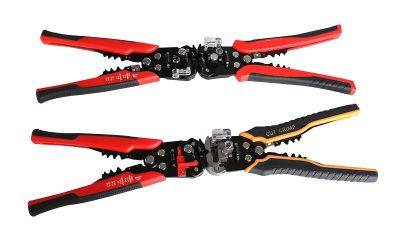
Automatic wire strippers, such as those employing Sk5 blade technology, offer a multifunctional approach by integrating wire stripping, cutting, and crimping capabilities. For example, tools that handle a range of wire sizes from 24 to 10 AWG allow users to work with various materials, ensuring versatility on the job. Statistical data shows that tools capable of handling multiple tasks can alleviate the need for carrying several devices, minimizing downtime and enhancing workflow. Furthermore, the ergonomic design of these strippers contributes to greater safety for technicians by reducing repetitive strain injuries often associated with manual wire stripping methods.
The impact of automatic wire strippers extends beyond mere efficiency. By streamlining processes, these tools also contribute to safer working environments. According to safety reports, workplaces that implement advanced tools experience a decrease in electrical-related accidents. When technicians utilize devices that are designed to provide precise and swift operations, they can focus more on their tasks and less on the potential hazards, making the electrical industry a safer place to work.
FAQS
: This product enhances daily life. It improves convenience and efficiency for users.
Follow the instructions carefully. Ensure all components are set up correctly.
Some users may find it complicated at first. Familiarity takes time and practice.
While it is designed for general use, some may struggle with specific features.
Check the warranty details first. Repairs may be necessary and sometimes costly.
Durability can vary. Regular maintenance can extend its lifespan, but issues may arise.
It can be used by various age groups. However, younger users might need supervision.
Customer support is available online. Reach out for troubleshooting or further questions.
Most places offer a return policy. Be aware of deadlines and conditions to qualify.
Misunderstanding instructions is frequent. Users often overlook minor details during setup.
Conclusion
Screw On Wire Connectors are essential components used to connect electrical wires securely and efficiently. Comprising various parts, such as the connector body and a screw mechanism, these connectors simplify the installation process by ensuring a tight connection between wires. To install a Screw On Wire Connector, one needs to strip the wire ends, insert them into the connector, and then use the screw to secure them in place, providing a reliable electrical connection.
These connectors are widely used in various applications, from home wiring projects to industrial installations, due to their ease of use and effectiveness. Benefits of using Screw On Wire Connectors include their durability, resistance to corrosion, and ability to prevent wire fatigue. However, safety considerations should be kept in mind, such as ensuring proper torque when tightening and avoiding overloading the connections to maintain safe electrical systems.