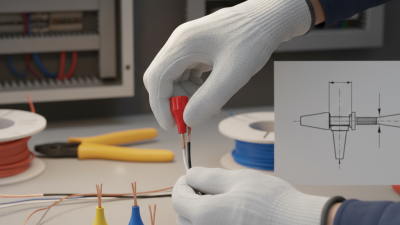
When you're dealing with electrical connections, picking the right components is super important. Take butt connectors, for instance—they’re some of the most commonly used connectors out there, and for good reason. I remember hearing from John Smith over at ElectraTech (he’s pretty much an expert) that, and I quote, “A reliable connection can make or break your project.” That really hits home, right? It just shows how crucial it is to choose quality Butt Connectors.
These connectors are awesome because they create a solid, secure join for wires, making sure the electrical current flows smoothly. Whether you're working on a car, doing some home wiring, or just messing around with a DIY project, using the right butt connectors can seriously cut down on the chances of things going wrong. But here’s the kicker—not all butt connectors are created equal. The materials and designs vary a lot depending on the brand. Some might not hold up well against heat or corrosion over time, which could lead to problems down the line.
Spending a little extra on top-notch butt connectors is totally worth it in the end. Sure, there are tons of options out there, but figuring out which ones are actually reliable can be a bit of a challenge. It’s a good idea to do some research and think about things like how you'll use them, what they need to be compatible with, and the conditions they’ll be exposed to. Trust me, choosing the right connectors now can save you a whole lot of hassle and money on repairs later on.
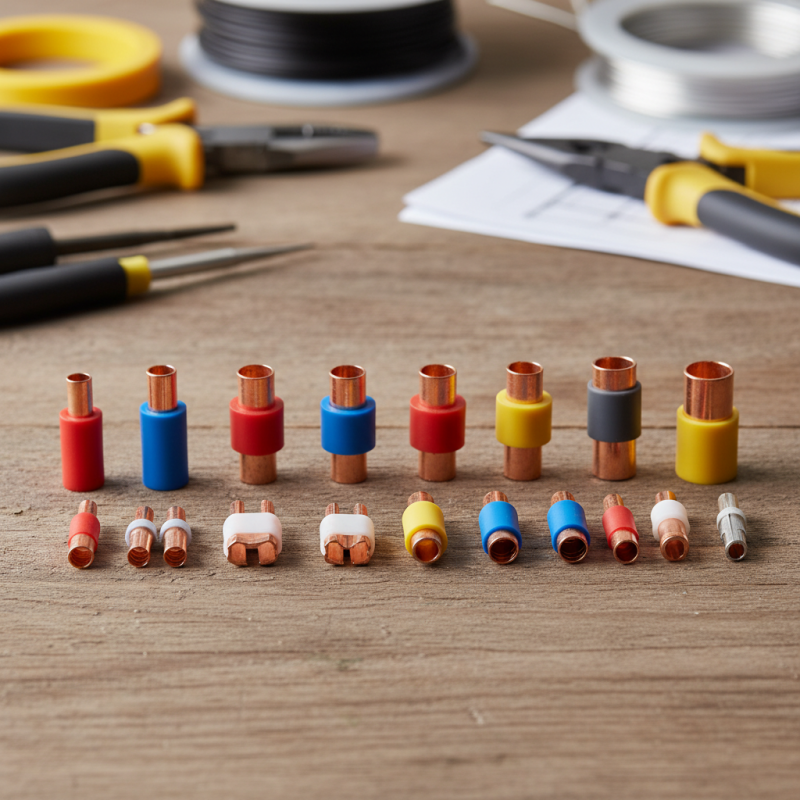
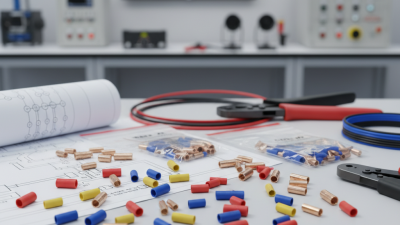
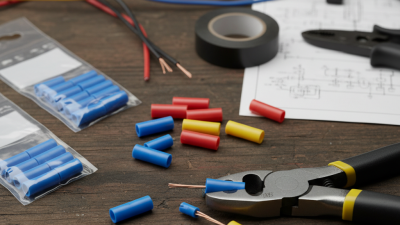
Butt connectors are essential tools in electronics and wiring. They enable the joining of two wires securely and efficiently. Typically cylindrical, these connectors feature a hollow center designed to hold the wire ends tightly. When crimped, they create a solid electrical connection. This process is vital for ensuring minimal signal loss and optimal performance.
Tips for choosing butt connectors include assessing the wire gauge. The wrong size can lead to failure. Additionally, consider the connector’s material. Copper is recommended for optimal conductivity. Some connectors come with insulation for added protection against shorts and corrosion. Keep in mind the environment where you’ll use the wiring. High humidity or extreme temperatures could affect connector longevity.
When installing butt connectors, always strip the wires evenly. Incomplete stripping may cause poor connections. Crimping requires the right tool, as improper pressure can lead to weak joints. Inspect your work carefully. Even a subtle misalignment can lead to future problems. Regular checks of connections can prevent bigger issues down the line.
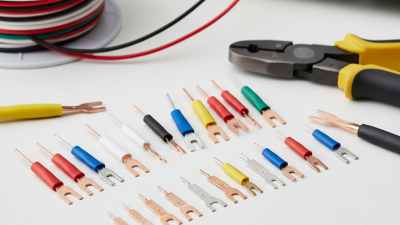
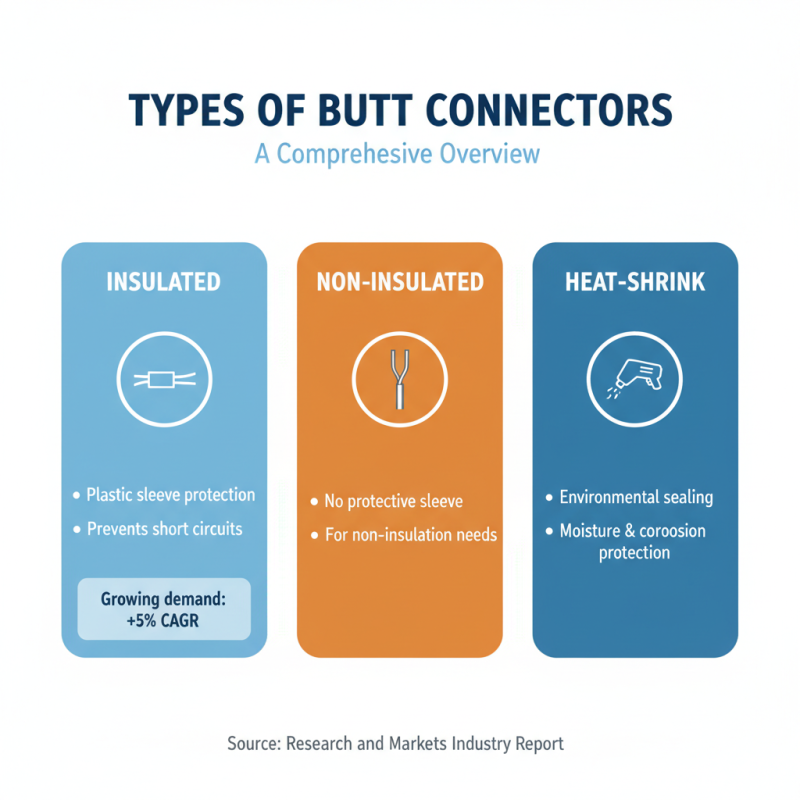
When choosing Wire Butt Connectors, understanding their types is essential. The market offers numerous options: insulated, non-insulated, and heat-Shrink Connectors. Insulated connectors feature a plastic sleeve, providing protection against short circuits. Non-insulated connectors are perfect for environments where insulation isn't needed. A recent industry report from Research and Markets indicates that the demand for insulated connectors is rising, growing at a CAGR of 5% annually.
Heat-shrink wire butt connectors have gained popularity due to their reliability. These connectors create a tight seal when heated, offering enhanced protection against moisture. According to a study by Transparency Market Research, heat-shrink connectors are projected to dominate the market, with a strong focus on automotive and marine applications. However, selecting the wrong type can lead to electrical failure, making proper research vital.
The choice between connectors often boils down to the specific needs of a project. Factors like environment, voltage, and wire gauge must be considered. Many users report unforeseen challenges when using connectors not suited to their applications. Quality control and adherence to industry standards are critical in preventing issues. Each type offers unique benefits and drawbacks, making careful consideration necessary.
When selecting butt connectors, several key features deserve attention. First, it's essential to consider the material. Copper connectors provide excellent conductivity. However, some users prefer aluminum for lightweight applications. It's vital to assess the environment in which you'll use these connectors. For moist areas, choose connectors with a moisture-resistant coating. This feature enhances durability and prolongs lifespan.
Another important aspect is the size. Butt connectors come in various sizes for multiple wire gauges. Always ensure compatibility with your wire. An incorrect size can lead to poor connections. This may result in electrical failures. Adequate strain relief is another key characteristic to think about. Connectors with crimping features help secure wires more effectively. Failing to secure properly can cause unintended disconnections.
Tips: Check for certifications on the packaging. Certified products often meet industry standards. Additionally, invest in a quality crimping tool. A good tool enhances connection quality and reliability of your Wire Connectors Butt. Remember, testing your connections post-installation is crucial. It helps identify any potential issues early on.
When it comes to reliable electrical connections, choosing the right Butt Joint Connectors is essential for optimal performance. These connectors ensure secure and efficient connections in various applications. They handle electrical load effectively, preventing issues that could arise from poor connectivity. Selecting high-quality options may lead to improved longevity, but remember that even the best products can sometimes fall short in specific situations.
Tips for selecting butt joint connectors include checking the gauge and material compatibility. Assess your project's voltage and current needs; this information helps you choose the right connectors. For critical applications, investing in weather-resistant or corrosion-proof options might be beneficial. Notice that a snug fit is vital; loose connections can lead to overheating.
Additionally, it’s important to consider the installation process. Proper crimping techniques are crucial for a complete and secure connection. Avoid rushing through the process; take the time to ensure all connections are sound. Remember, even minor mistakes can lead to significant issues later. Always double-check your work for the best results with your butt joint connectors.
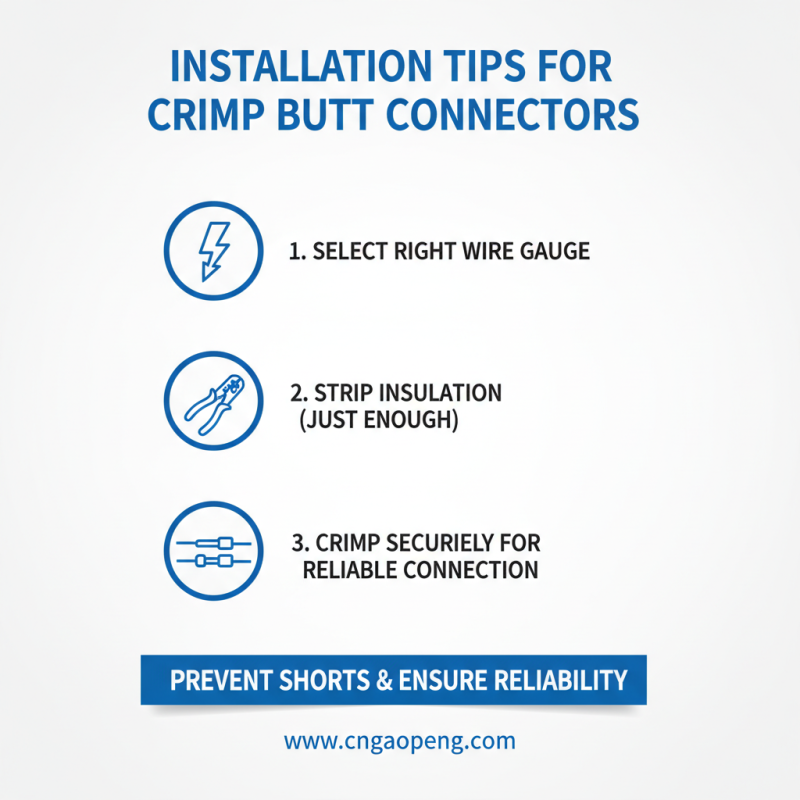
When using butt connectors, proper installation is essential for a reliable electrical connection. Start by selecting the right wire gauge. This ensures that the Crimp Butt Connectors fit securely. Use a wire stripper to remove the insulation from both ends of the wires you wish to connect. Make sure to strip just enough to avoid excess exposure, which can lead to shorts.
After stripping the wires, insert them into the butt connector. Ensure they reach the end of the connector for a solid connection. Use a crimping tool to secure the connectors tightly. If the crimp feels loose, double-check your technique. It’s essential to reflect on this aspect, as a weak connection can lead to failures later.
Heat shrink tubing can provide extra protection. Slide it over the connection before crimping, then apply heat after. This step is often overlooked but it greatly enhances durability. Remember, practice is key. Learning to use Crimp Butt Connectors effectively takes time. Don't rush the process; evaluate each step to ensure quality connections. Every installation is a chance to improve your skills.
When working with butt connectors, many common mistakes can compromise your project. A frequent error is not stripping the wires correctly. Too much insulation left on the wire can lead to an unreliable connection. Conversely, stripping too much wire exposes copper, risking shorts and electrical issues. Aim for a balanced strip length that ensures proper fit.
Another mistake is using the wrong tools. A crimping tool is essential for securing butt connectors effectively. Using pliers instead can lead to loose connections. Sometimes, people rush the crimping process, thinking it will save time. In reality, this often backfires, causing future problems you might need to address later.
Finally, neglecting to check the connections after crimping is a critical oversight. If the connection feels loose or the wires shift easily, redoing it is necessary. This small step can save time and frustration down the line. Attention to detail matters. Without it, your project may suffer from unreliable electrical performance.
Butt connectors are essential for various electrical and automotive applications. These components ensure secure and reliable connections. However, their effectiveness hinges on proper maintenance and troubleshooting. Regular checks can prevent issues such as corrosion or disconnection. According to a report by the Electrical Safety Foundation International, electrical failures due to poor connections account for approximately 30% of electrical fires annually. Regular inspections can minimize these risks significantly.
In the realm of electrical connections, understanding the degradation process is crucial. Environmental factors, such as humidity and temperature, can accelerate wear. Research indicates that connections exposed to high humidity levels can corrode in as little as three months. Monitoring these conditions is essential for maintaining connection integrity. Keep in mind, even minor wear can lead to significant failures.
Regular maintenance practices include cleaning connectors and ensuring they are properly tightened. Use specialized cleaning agents designed for electrical components to enhance longevity. Tools like a torque wrench can help achieve the right tightness. While these practices can prevent failure, even the best connections can sometimes fail unexpectedly. Understanding the signs of failure, like intermittent connectivity, can save time and money. This hands-on approach fosters a more reliable electrical system.
: Copper provides excellent conductivity. Aluminum is lighter, suitable for specific applications.
Correct size ensures compatibility with wire gauges, preventing poor connections and potential failures.
Look for connectors with a moisture-resistant coating to enhance lifespan in humid conditions.
Adequate strain relief prevents unintended disconnections by securing wires effectively.
Check for certifications on the packaging. Certified products usually comply with necessary standards.
A good crimping tool enhances connection reliability, leading to better performance and longevity.
Regularly clean connectors and ensure they are properly tightened to avoid failures.
High humidity and temperature can accelerate corrosion, leading to significant failures even with minor wear.
Look for intermittent connectivity, which can signal an imminent failure needing attention.
Yes, even well-maintained connections can fail unexpectedly, so regular monitoring is essential.
Butt connectors are essential components in electrical wiring, providing secure and reliable connections between wires. Understanding how butt connectors work, along with the various types available, is crucial for selecting the right connector for your needs. Key features to look for include conductivity, insulation quality, and ease of installation.
In this article, we explore the top 10 butt connectors that deliver optimal performance, alongside effective installation tips and common mistakes to avoid. Additionally, we discuss maintenance and troubleshooting techniques to ensure longevity and reliability in your electrical projects. By following these guidelines, you can ensure you choose the best butt connectors for your applications and enhance your wiring projects' safety and efficiency.