In the fast-changing world of electrical wiring, picking the right Butt Connectors really matters when it comes to keeping your projects safe and running smoothly. I came across a pretty eye-opening report from the International Electrotechnical Commission (IEC) — it turns out that more than 30% of electrical failures, especially in industrial settings, are linked to poor connections. That really highlights how crucial it is to choose good-quality Butt Connectors, ones that suit your specific needs.
John M. Steele, a seasoned electrical engineer with over 20 years under his belt, puts it pretty straightforward: *using the right Butt Connectors* doesn’t just boost your system’s performance — it also cuts down on risks that could cause headaches later on. Honestly, with so many options and specs out there, understanding what makes a good Butt Connector can feel overwhelming. So, I put together this guide to help clear things up. Hopefully, it gives you some solid tips so you can make smarter choices when you’re planning your projects now and down the line.
Let's face it, wiring isn’t the sexiest part of the job, but getting it right makes all the difference, right?

Understanding Butt Connectors: Definition and Types
Butt connectors are essential electrical components that facilitate secure connections between wires. Defined as cylindrical connectors that join two or more conductors end-to-end, butt connectors are widely used in various applications, from automotive to industrial wiring. According to a report from the International Electrotechnical Commission, the improper use of connectors can lead to electrical failures, which emphasizes the importance of choosing the right type based on the application requirements.
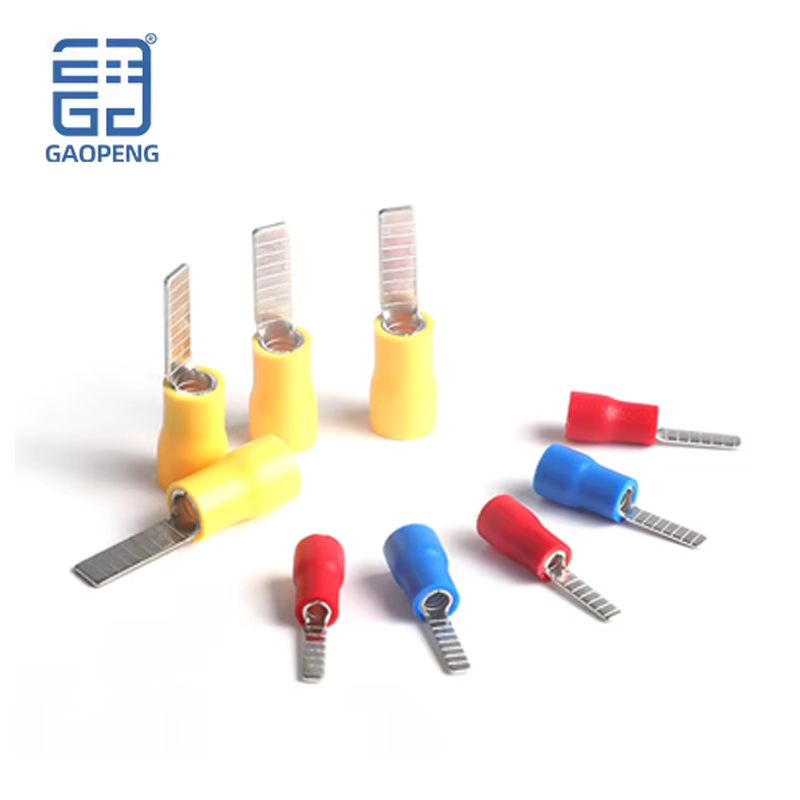
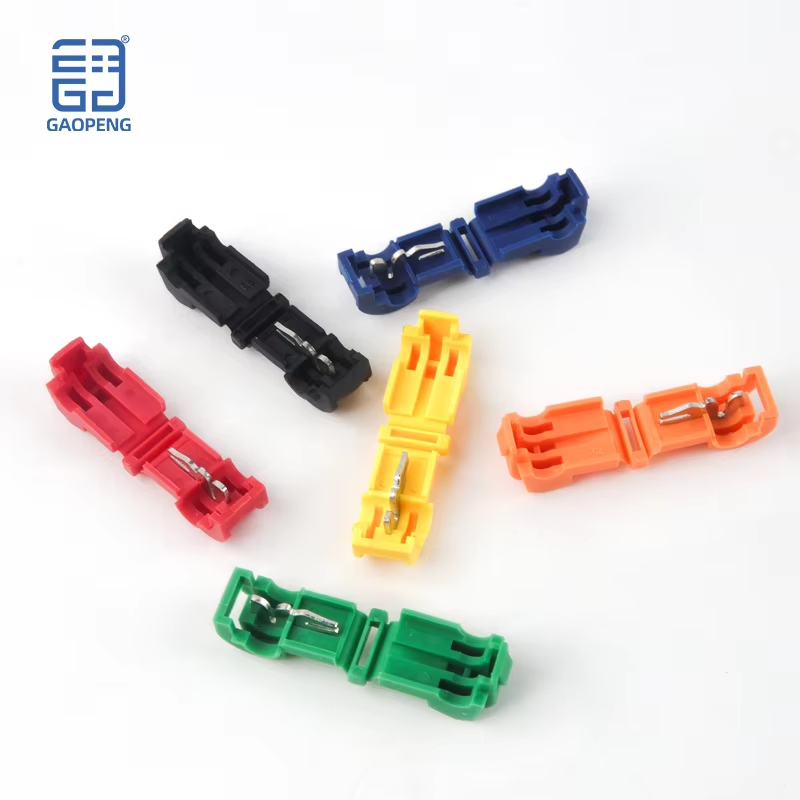
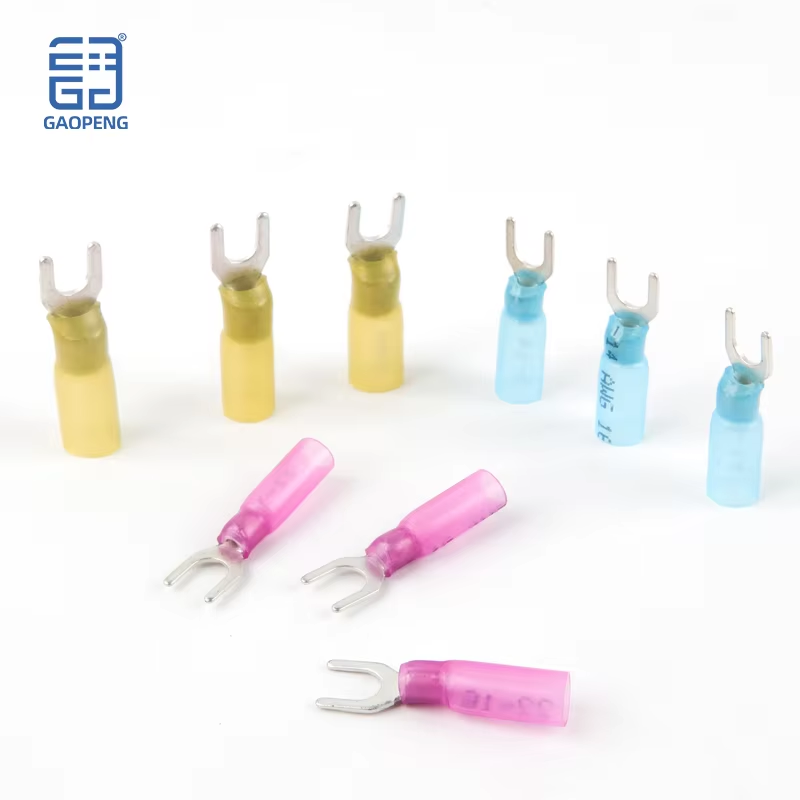
There are several types of butt connectors available, including standard, sealed, and heat-Shrink Connectors. Standard butt connectors are suited for straightforward connections in dry environments, while sealed connectors provide the necessary moisture protection for outdoor applications. Heat-shrink connectors, often favored for their durability, feature a heat-sensitive sleeve that creates a protective seal around the connection, enhancing insulation and preventing corrosion.
According to market reports, the global demand for high-quality butt connectors is projected to grow by 5% annually, driven by increased automation and the need for reliable electrical connections in various sectors. Understanding these types and their specific applications is key to ensuring project success and the longevity of electrical systems.
Key Factors to Consider When Choosing Butt Connectors
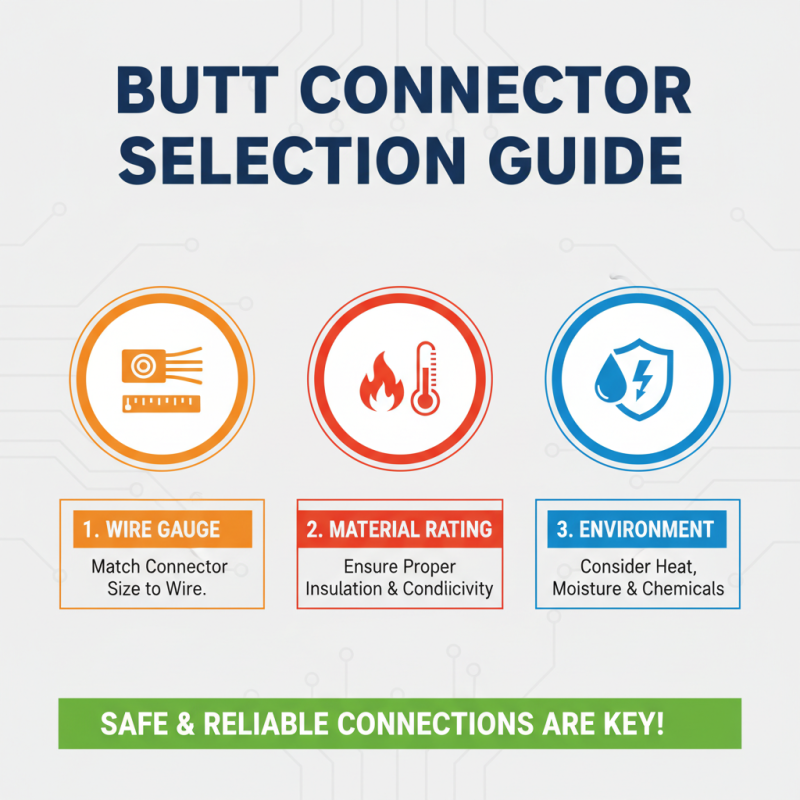
When choosing butt connectors for your electrical projects, it’s crucial to consider several key factors to ensure a reliable and safe connection. First and foremost, assess the wire gauge. Butt connectors come in various sizes to accommodate different wire gauges. Using a connector that matches your wire's gauge is essential for maintaining proper conductivity and avoiding overheating issues.
Another important factor is the environment in which the connectors will be used. If your project involves exposure to moisture or harsh conditions, opt for weatherproof connectors. These connectors are typically coated or have a sealant that protects against corrosion, ensuring longevity and reliability in outdoor or industrial settings.
**Tips:** Always check the temperature rating of the connectors. Connectors are designed to withstand specific temperature ranges, so ensuring compatibility with your application will prevent failures. Additionally, consider the ease of installation; some connectors may come with features like built-in insulation or easy-crimp designs that can save time and effort during the installation process.
Material Selection: Insulation and Conductivity
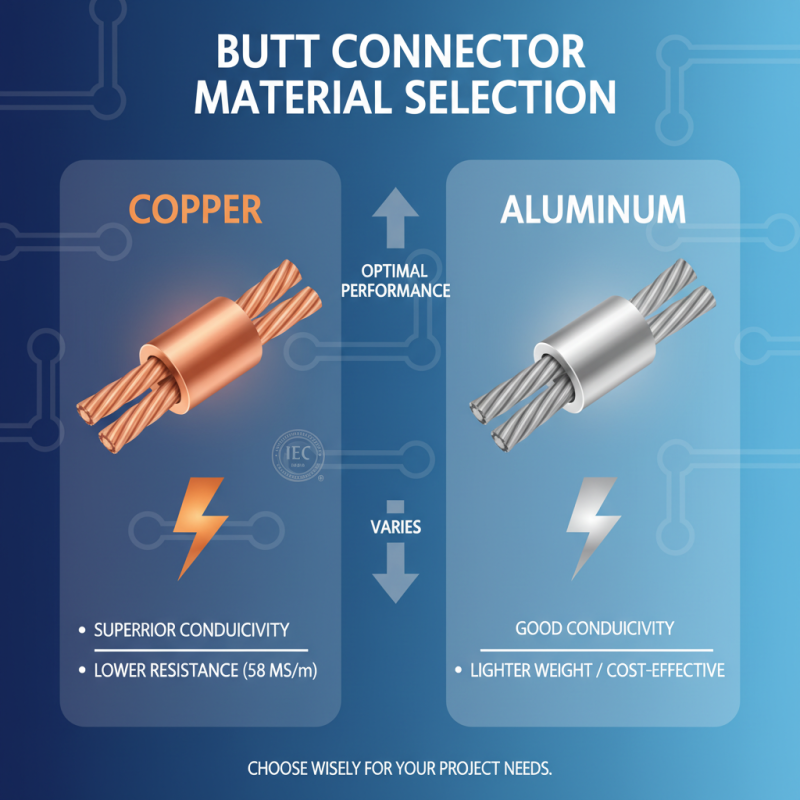
When it comes to selecting butt connectors for your projects, understanding material selection is crucial for achieving optimal insulation and conductivity. Butt connectors are typically constructed from various metals, with copper and aluminum being the most prominent choices. Copper, known for its superior conductivity, often provides lower resistance and better performance in electrical applications. According to a report by the International Electrotechnical Commission, copper exhibits a conductivity rating of approximately 58 MS/m, making it a preferred choice in settings where minimizing electrical loss is critical.
Insulation materials also play a pivotal role in the overall performance of butt connectors. Common insulating materials include PVC, nylon, and heat-shrink tubing, each with distinct properties. PVC is often favored for its affordability and decent dielectric strength, with a breakdown voltage typically around 30 kV/mm in dry conditions. Conversely, heat-shrink materials offer enhanced protection against moisture and environmental factors, which is particularly important for outdoor applications where exposure can compromise connection integrity. A study by IPC (Institute for Printed Circuits) highlights that connectors with superior insulation materials can significantly reduce failure rates in harsh environments, reinforcing the importance of making informed decisions based on the specific requirements of your projects.
Sizing and Compatibility: Matching Butt Connectors to Wire Gauges
When selecting butt connectors for your electrical projects, understanding wire gauge sizing and compatibility is crucial for ensuring optimal performance and safety. Butt connectors are designed to splice two wire ends together securely; however, using the wrong size can lead to electrical failures, overheating, or worse, a fire hazard. Industry data reveals that improper connections contribute to over 30% of electrical failures, highlighting the importance of correct sizing.
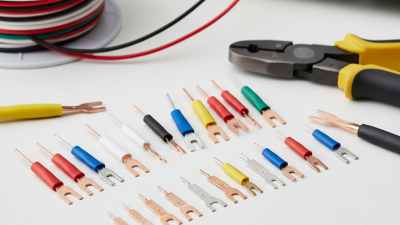
For those using American Wire Gauge (AWG) standards, it is vital to match the wire gauge with the appropriate butt connector size. For instance, a 22 to 18 AWG wire typically pairs well with a standard yellow butt connector, while a heavier 12 to 10 AWG wire requires a blue connector. According to the National Electrical Contractors Association (NECA), correct sizing not only enhances conductivity but also minimizes resistance, which is critical in high-load applications.
Furthermore, compatibility extends beyond just wire size. The choice of materials used in butt connectors—such as copper versus aluminum—can also impact conductivity and corrosion resistance. The International Electrotechnical Commission (IEC) notes that connectors made from high-quality materials can significantly reduce the likelihood of connection failures, further stressing the need for careful consideration of both material and size when choosing butt connectors for electrical projects.
Application-Specific Considerations for Butt Connectors
When selecting butt connectors for your projects, it's essential to consider the specific application they will be used for. Different environments and purposes require different types of connectors. For instance, if you are working in a high-temperature or moisture-rich area, opting for heat-shrink butt connectors can provide reliable insulation and protection against environmental factors. In contrast, for standard indoor applications, regular crimp connectors may suffice, offering a straightforward solution for electrical connections.
**Tips:** Always ensure that the wire gauge matches the butt connector size to prevent electrical failures. Additionally, consider the electrical current the connections will carry; using connectors rated for higher capacity can enhance the reliability of your project.
Another critical aspect to consider is the material of the connectors themselves. Copper connectors are known for their excellent conductivity, while aluminum connectors, though less conductive, can be beneficial in certain weight-sensitive applications. Pay attention to the environmental conditions and choose connectors that will withstand exposure to chemicals, moisture, or extreme temperatures as needed.
**Tips:** Before beginning your project, evaluate the installation environment thoroughly. Purchasing a variety of connectors may prepare you for unforeseen challenges, ensuring you always have the right components on hand.
2025 Guide: Application-Specific Butt Connectors Usage
Installation Techniques for Optimal Performance
When it comes to achieving optimal performance with butt connectors, proper installation techniques are paramount. According to a report by the National Electrical Contractors Association, approximately 30% of electrical failures are attributed to poor connections. To prevent these issues, it is essential to ensure that the wires being joined are clean and free of corrosion. This not only enhances conductivity but also facilitates a firm grip within the connector, which is crucial for maintaining a stable electrical flow.
Another critical aspect is the crimping process itself. A study published in the Journal of Electrical Engineering highlighted that improper crimping can lead to a connection resistance increase of more than 50% compared to well-executed crimping methods. A direct application of consistent pressure with an appropriate crimping tool will improve the reliability of the connection. Additionally, selecting connectors made of high-quality materials, such as tinned copper, can further reduce the risk of oxidation and ensure longevity.
Proper heat shrink insulation can also be applied post-crimp to protect the joint from environmental factors, significantly enhancing the overall performance of the electrical system.
Safety Tips and Best Practices for Using Butt Connectors
When working with butt connectors in various electrical projects, safety should always be a top priority. According to the National Fire Protection Association (NFPA), improperly connected wires are a leading cause of electrical fires, accounting for approximately 30% of such incidents in homes. To mitigate these risks, it's essential to choose the right butt connectors and install them correctly. Always ensure that the connectors are compatible with the wire gauge and material. The American Wire Gauge (AWG) standard provides guidelines for selecting the appropriate size and type based on the current load and application requirements.
Best practices for using butt connectors include stripping the wire ends appropriately—usually leaving about 1/2 inch of exposed wire for insertion into the connector. This not only promotes a stronger connection but also ensures that the wires are adequately joined. Once the wires are inserted, use the right crimping tool to secure the connection properly. A study from the Institute of Electrical and Electronics Engineers (IEEE) emphasizes that a well-crimped connector significantly enhances conductivity, potentially reducing voltage drop by up to 20%. Finally, employing heat-shrink tubing or electrical tape over the connections further protects them from moisture, dirt, and mechanical stress, increasing their lifespan and reliability in any project.
2025 Guide: How to Choose the Right Butt Connectors for Your Projects
| Connector Type | Wire Gauge Compatibility | Material | Temperature Range | Best Uses | Safety Tips |
| Heat Shrink Butt Connectors | 22 AWG - 10 AWG | Copper | -55°C to 125°C | Automotive, Marine | Ensure proper heat application for sealing |
| Standard Butt Connectors | 22 AWG - 12 AWG | Tin-Plated Copper | -20°C to 85°C | General Electrical Connections | Use crimping tools for secure connections |
| Solder Butt Connectors | 22 AWG - 18 AWG | Copper | -55°C to 125°C | Electrical and Electronic Projects | Avoid overheating to prevent damage |
| Weatherproof Butt Connectors | 16 AWG - 10 AWG | Aluminum with Weatherproof Seal | -40°C to 105°C | Outdoor Electrical Connections | Ensure a tight seal against moisture |
Conclusion
Butt connectors are essential components in electrical projects, facilitating secure and reliable connections between wires. In the 2025 guide, various types of butt connectors are examined, alongside key factors to consider when selecting the right connectors for specific applications. These factors include material selection, which impacts insulation and conductivity, and the importance of matching butt connectors to the appropriate wire gauges to ensure compatibility.
Furthermore, the guide discusses application-specific considerations that can influence the effectiveness of butt connectors, as well as installation techniques that promote optimal performance. Safety tips and best practices are also highlighted, ensuring users can utilize butt connectors safely and effectively in their projects. Understanding these elements is crucial for achieving reliable connections and enhancing the overall performance of electrical systems.