Leave Your Message
In today's world, where having solid electrical connections is more important than ever, choosing the right Wire Connectors Crimp really matters for your projects. Did you know that the global market for wire connectors is expected to hit around $35 billion by 2026? That’s mainly thanks to quick advancements in things like cars and electronics. As demand for reliable, long-lasting connections keeps growing, it’s super helpful to understand the different types of wire connectors out there. Since kicking off in 2016, Yueqing Gaopeng Electric Co., Ltd. has really made a name for itself. They’re all about designing, developing, and manufacturing a wide range of terminals and connectors. Their production capacity is huge—they export billions of units annually to markets all over the world, including Asia, Europe, the US, and Africa. This guide is basically your go-to checklist to help you figure out which wire connector crimp is the best fit for your specific project. Hope it makes things a little easier for you!
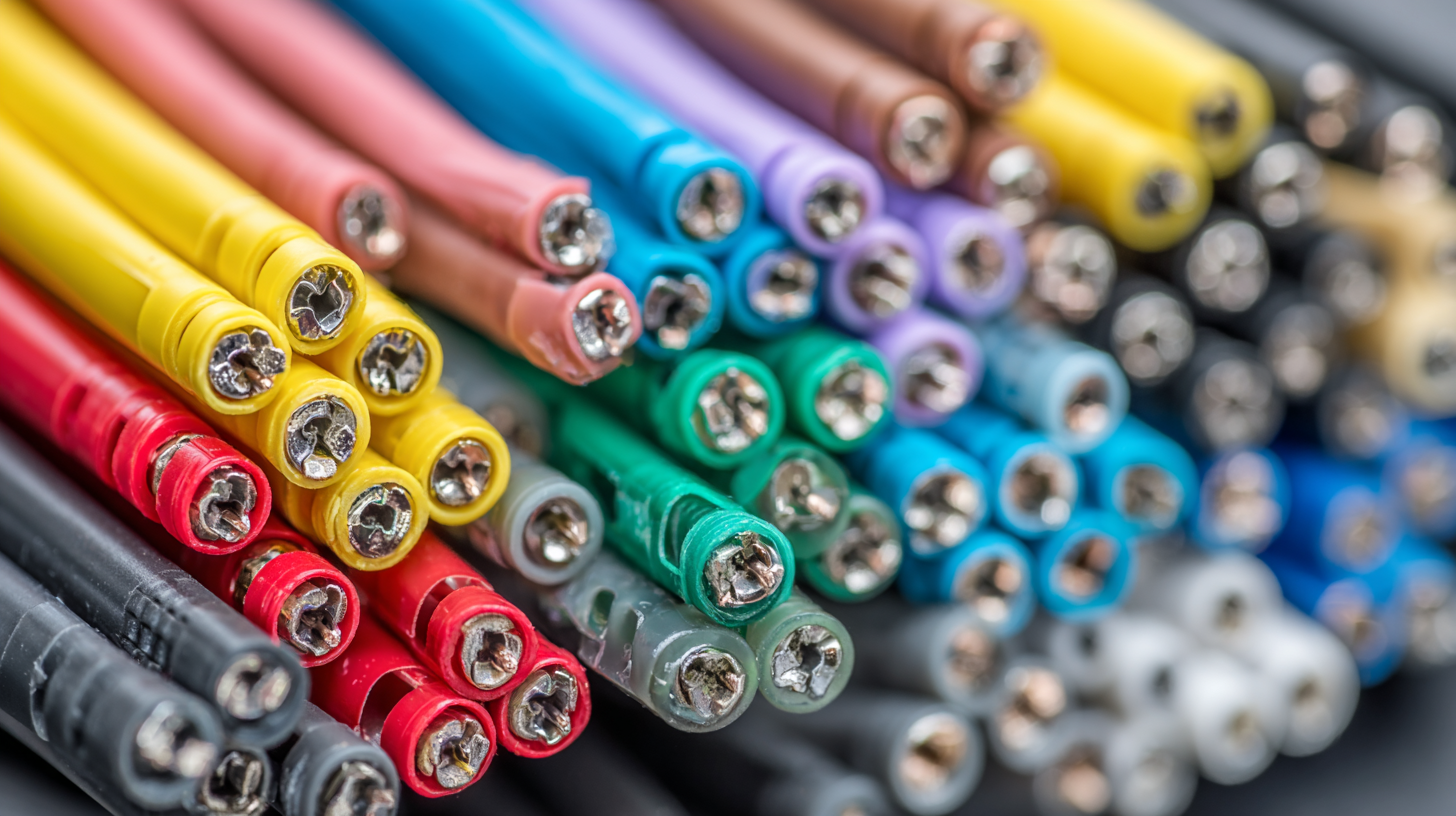
When you're picking out wire connectors for your projects, it's pretty important to think about a few key features that will keep everything running smoothly and reliably. For starters, pay attention to what the connector is made of. Copper ones tend to be the best for good conductivity and durability, but if safety is a big concern, going for insulated connectors can give you that extra peace of mind against short circuits. Also, you wanna check the connector’s rating—whether it's meant for low-voltage stuff or more heavy-duty work—so you don’t end up using the wrong type for the job.
Another thing to consider is how the crimping works. Look for connectors that give you a solid, secure crimp, because that’s what keeps the connection stable and helps avoid any failures down the line. It’s also helpful if the connectors can handle different wire sizes—being versatile in that sense makes life way easier across different projects.
And don’t forget to think about where you’re gonna use these things; if the environment’s got moisture or extreme temperatures, make sure your connectors can stand up to that stuff. By keeping these points in mind, you’ll be better equipped to choose connectors that really get the job done and keep things running smoothly in the long run.
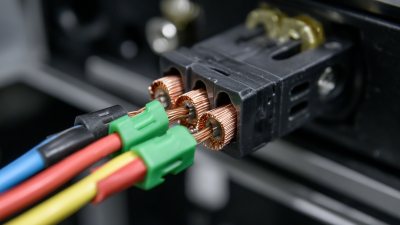
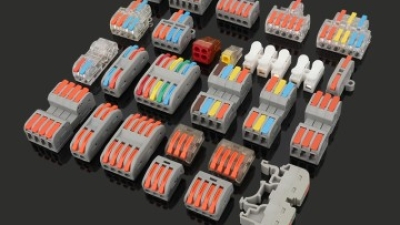
In today’s rapidly evolving electrical industry, the efficiency of connections plays a pivotal role in the overall effectiveness of any project. According to recent industry reports, the use of high-quality connectors such as lever wire connectors can improve installation efficiency by up to 30%. This significant enhancement is attributed to reduced wiring times and fewer errors during installations. The Gaopeng lever wire connector exemplifies this innovation, designed specifically to simplify the process of connecting multiple wire sets, catering to electricians, DIY enthusiasts, and professionals alike.
The Gaopeng lever wire connector stands out not only for its compact and user-friendly design but also for its reliability and reusability. Traditional wire connectors often experience wear and tear, leading to insecure connections and potential project delays. In contrast, Gaopeng's design ensures a dependable connection that can be easily reconfigured without the need for new connectors. This feature not only saves costs but also aligns with the industry's growing emphasis on sustainable practices. Research indicates that adopting reusable connection methods can reduce overall material waste by approximately 25%, further highlighting the benefit of the Gaopeng lever wire connector in both household and industrial applications.
As the demand for efficient and reliable electrical connections continues to rise, the Gaopeng lever wire connector emerges as a crucial tool for tackling diverse electrical challenges. Its versatility and ease of use support a wide range of applications, reinforcing the notion that smart design can lead to substantial improvements in electrical efficiency.
: A common mistake is overlooking wire size compatibility. It's crucial to choose a connector that matches the gauge of your wires to avoid poor connections and potential failures.
It's important because not all connectors are designed for outdoor use or exposure to moisture or chemicals. Choosing connectors rated for specific conditions can prevent corrosion and degradation over time.
You can perform pull tests to measure the tensile strength of the crimped joint and conduct visual inspections to check for proper insulation coverage and any visible gaps or loose connections.
A crimp should ideally withstand at least 80% of the maximum breaking strength of the wire used, as recommended by the National Electrical Code (NEC).
Nearly 30% of electrical failures in commercial and industrial settings are attributed to inadequate connections.
The methods include implementing rigorous testing processes such as pull tests and thorough visual inspections to assess the reliability of the crimp.
Pull tests provide quantifiable data about the crimp's reliability by measuring its tensile strength, helping to assure connections are secure and within safety standards.
Factors to consider include moisture levels, chemical exposure, and overall outdoor conditions, which can affect the performance and longevity of the connectors.
Picking the right wire connectors for your projects is pretty important if you want solid, reliable electrical connections. Honestly, this checklist covers the main stuff you should think about—like the durability of the material and how good the insulation is—because those little things really make a difference in how well everything works. It also digs into the most popular types of wire connectors out there, so you can figure out which one fits your specific needs best.
And hey, crimping wires isn’t just about having the right tools; it’s also about knowing what mistakes to watch out for. Don't forget, testing those crimps before wrapping things up is super important, so you’re sure everything’s secure and working right. Here at Yueqing Gaopeng Electric Co., Ltd., we focus on designing and making high-quality wire connectors. We want to meet all the different demands from folks around the world. With our commitment to quality, you can count on us for all your wire connector crimping needs.