Leave Your Message
In today’s fast-moving global supply chain world, picking the right Electrical Connectors is honestly a big deal if you want things to run smoothly and reliably across different applications. I recently came across a market report that forecasts the worldwide electrical connectors market hitting around $87.5 billion by 2027 — and that’s mainly thanks to booming sectors like telecom, cars, and industrial automation. One company that caught my eye is Yueqing Gaopeng Electric Co., Ltd.They started back in 2016 and are based in Wenzhou, in Zhejiang Province. These guys are pretty much experts when it comes to designing, developing, and making all kinds of Electrical terminals and connectors. They pump out several billion units each year and export to pretty much everywhere — Asia, Europe, the Americas, Africa — you name it. So, they’re definitely in a good position to supply different supply chain needs.
Anyway, in this blog, I want to cover some key factors you should keep in mind when choosing the best electrical connectors, so your operations stay competitive and don’t get left behind in this ever-changing marketplace.
When you're choosing electrical connectors for a worldwide supply chain, it's super important to get a good grip on the different international standards out there. Every region tends to have its own set of rules to make sure everything’s reliable, safe, and works efficiently. For example, many countries follow guidelines from the International Electrotechnical Commission (IEC), which can actually make your life a lot easier when picking ouT connectors. Sticking to these standards not only helps you stay compliant but also cuts down on the chances of hiccups, like compatibility issues, that could mess up your operations.
Plus, different industries often have their own specific standards. Take automotive connectors, for instance—companies in that space usually need to meet standards set by organizations like ISO or SAE. It’s pretty crucial for businesses to get familiar with these particular requirements so their supply chains don’t run into trouble when crossing borders or working with different suppliers. If you focus on following these global guidelines, you’ll probably see your products become more reliable, your customers happier, and your entire supply chain run a lot more smoothly. In the end, that kind of attention gives your business a real edge in the tough global market.
| Connector Type | Usage | Global Standards | Temperature Range (°C) | IP Rating | Typical Applications |
|---|---|---|---|---|---|
| Connector A | Power Distribution | IEC 60320 | -20 to +85 | IP65 | Industrial Machinery |
| Connector B | Data Communication | ISO/IEC 61984 | -40 to +70 | IP67 | Telecommunications |
| Connector C | Signal Transfer | UL 1977 | -10 to +60 | IP54 | Consumer Electronics |
| Connector D | High-Voltage Applications | ANSI/IEEE 802 | -40 to +90 | IP68 | Renewable Energy Systems |
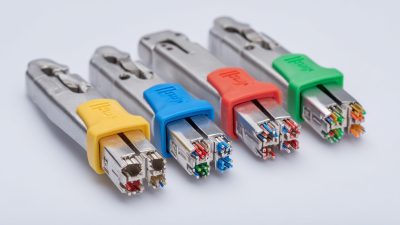
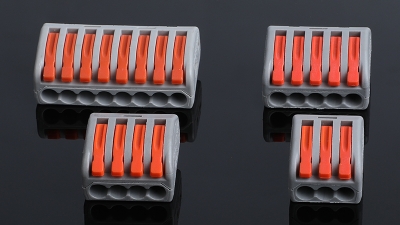
When it comes to enhancing wiring efficiency, leveraging high-quality lever wire connectors is crucial. The Gaopeng GP-21 series exemplifies the pinnacle of design and functionality, boasting a robust copper construction that ensures optimal conductivity and durability. With a rated voltage of 32A and a current rating of 250V, these connectors are engineered to withstand demanding electrical applications, aligning perfectly with industry standards that prioritize safety and performance.
Research indicates that poor connections account for nearly 30% of electrical failures in various applications. This highlights the importance of choosing reliable connectors that can maintain integrity over time. The insulation material used in the GP-21 series is designed to prevent short circuits and degradation, providing peace of mind for professionals looking to maximize system efficiency. In fact, a study by the International Electrotechnical Commission emphasizes that using high-grade materials can extend the lifespan of wiring systems by up to 50%.
Moreover, adopting connectors like the Gaopeng GP-21 allows for quicker and more secure installations, reducing labor time and costs significantly. With the growing demand for efficient wiring solutions in both industrial and residential settings, utilizing connectors that meet rigorous performance standards is no longer optional; it’s essential for achieving operational excellence.
: Understanding international standards is crucial as it ensures the reliability, safety, and efficiency of electrical connections. Adhering to these standards simplifies the selection process and reduces the risk of operational disruptions due to incompatibility issues.
The International Electrotechnical Commission (IEC) provides guidelines that many countries adhere to. Additionally, industry-specific organizations like the International Organization for Standardization (ISO) and the Society of Automotive Engineers (SAE) have their own standards for electrical connectors, especially in automotive applications.
Businesses face challenges due to the rapid evolution of regulatory frameworks. A significant number of companies experience delays in supply chain operations due to non-compliance issues, making it essential to thoroughly understand local regulations.
Artificial intelligence enhances compliance processes by providing real-time monitoring of regulatory changes, which can lead to a reduction in compliance-related costs by an estimated 30%. This is especially beneficial in sectors needing strict adherence to regulations, like telehealth.
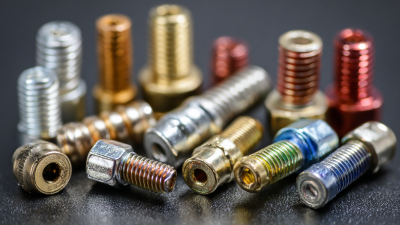
Common materials for electrical connectors include metals like copper and aluminum, which provide superior conductivity and strength. However, they are generally more expensive and heavier. Plastics, on the other hand, are cost-effective and lightweight, making them suitable for applications where high conductivity is less critical.
Advancements in polymer technology have led to high-performance plastics that can withstand harsh conditions, reducing the risk of failure. This development allows for cost-effective and durable connectors suitable for a variety of applications.
Companies should consider initial material costs, long-term performance, maintenance, and replacement expenses related to durability. A careful analysis of these factors ensures the selected connectors meet both budgetary and operational needs effectively.
In regions with strict environmental regulations, connectors must comply not only with safety regulations but also ensure that materials used are sustainably sourced. This compliance is essential for maintaining operational standards in those regions.
Prioritizing adherence to global standards enhances product reliability, which in turn boosts customer satisfaction and streamlines supply chain processes, providing a competitive advantage in the global market.