Leave Your Message
0%

Getting started with an electrical project? One of those really important things you can't overlook is choosing the right Electrical Connectors. These tiny components are actually the backbone of any electrical setup—they help different devices and circuits talk to each other and share power smoothly. Picking the right connectors doesn’t just make your project run better and more reliably; it also keeps everything safe and makes sure it lasts longer.

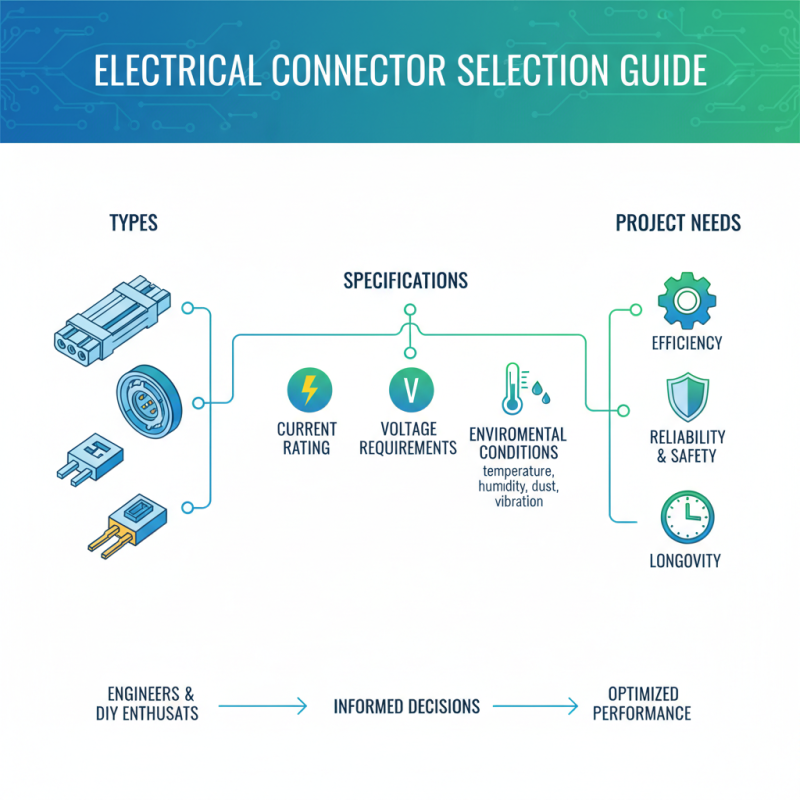
In this guide, I’ll walk you through what to think about while choosing connectors—like the different types out there, and key specs such as current capacity, voltage needs, and how tough the environment is where everything’s going. Once you get a handle on these points, whether you’re building a small gadget or designing a complex automation system, you'll be better equipped to pick the perfect connectors that will keep things running smoothly and help you avoid potential headaches down the line.
How to Choose the Right Electrical Connectors for Your Project

Understanding Different Types of Electrical Connectors and Their Applications

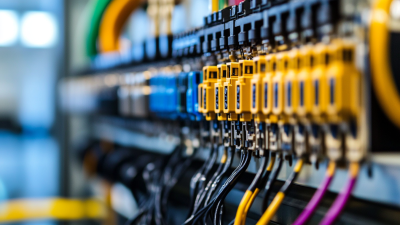
When selecting the right electrical connectors for your project, understanding the various types available is crucial. Connectors come in many forms, including plug and socket connectors, Terminal Blocks, and coaxial connectors, each suited for specific applications. For instance, plug and socket connectors are commonly used in household electronics and appliances, providing a simple way to join and separate circuits. Terminal blocks, on the other hand, are often utilized in industrial settings for connecting multiple wires, offering a robust and organized solution for complex wiring.

Another essential category of connectors is the coaxial connector, predominantly used in radio frequency applications. These connectors minimize signal loss and interference, making them ideal for television and internet connections. Additionally, you may encounter connectors designed for harsh environments, such as waterproof or high-temperature connectors, which are vital for outdoor or high-performance applications. Understanding the characteristics and intended use of each type will help you make informed decisions and ensure the reliability and efficiency of your electrical system.

Evaluating Connector Ratings: Current, Voltage, and Temperature Considerations

How to Choose the Right Electrical Connectors for Your Project

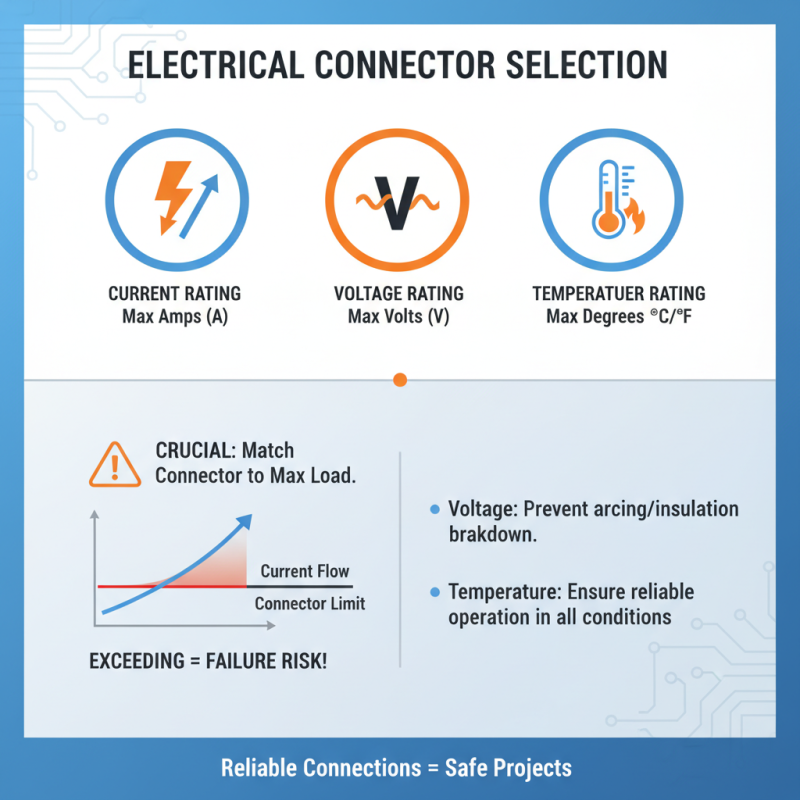
When selecting electrical connectors for your project, evaluating the ratings for current, voltage, and temperature is crucial. Current rating signifies the maximum amount of electrical current that can safely pass through a connector without overheating. Exceeding this limit can lead to poor performance, or even connections failing altogether. Make sure to choose connectors that can handle the highest expected current load to ensure reliability in your application.

Voltage rating is equally important, as it indicates the highest voltage that can be applied without risk of breakdown or arcing. It is essential to consider the working voltage of your circuit to prevent potential damage or safety hazards. Always opt for a connector with a voltage rating higher than your application's operational conditions to provide a safety margin.

Tip: When selecting connectors, consider temperature ratings as well. Connectors should be able to withstand the environmental conditions they will encounter. Operating at high temperatures can degrade materials and affect the integrity of simple connections.

Tip: Always refer to the manufacturer's specifications for detailed ratings and suitability to your application. Ensuring compatibility with current, voltage, and temperature will lead to safer and more efficient electrical connections.

Assessing Environmental Factors: Choosing Connectors for Harsh Conditions

When selecting electrical connectors for projects exposed to harsh environmental conditions, several factors must be assessed to ensure reliability and longevity. One crucial consideration is the temperature range within which the connectors will operate. According to the IPC-9592 standard, connectors used in extreme environments should tolerate a temperature range from -40°C to 125°C without compromising performance, thus allowing for more versatile applications in industries such as aerospace and renewable energy. Additionally, connectors must be resistant to moisture, dust, and chemicals common in challenging environments. An industry report from Grand View Research indicates that the global market for rugged connectors is expected to reach USD 3.7 billion by 2025, highlighting the increasing demand for durable and high-performance solutions.

Another significant environmental factor is vibration and mechanical stress, particularly in applications such as automotive and industrial machinery. The Military Specification (MIL-SPEC) guidelines recommend connectors that can withstand a minimum of 30 Gs of vibration for reliable performance. This durability is especially essential as connectors can lead to failure points if not installed correctly or if they cannot handle environmental stressors effectively. Furthermore, end-use scenarios should dictate the choice of materials; for example, connectors utilizing thermoplastic elastomers offer enhanced flexibility and resilience compared to traditional materials, making them suitable for applications in varying climates. By prioritizing these environmental factors, engineers can select the right connectors to ensure project success even in the most demanding conditions.

How to Choose the Right Electrical Connectors for Your Project - Assessing Environmental Factors: Choosing Connectors for Harsh Conditions

Connector Type Material Temperature Rating (°C) Moisture Resistance Chemical Resistance Application
Circular Connector Aluminum -40 to 125 IP67 Moderate Outdoor Equipment
Rectangular Connector Plastic -20 to 85 IP65 Low Industrial Controller
DIN Rail Connector Copper -40 to 100 IP20 High Switchgear
Connector for Harsh Environments Stainless Steel -50 to 150 IP68 Very High Marine Applications
Power Connector Brass -30 to 85 IP54 Moderate Electric Power Systems

Material Selection: Comparing Conductors and Insulators in Connectors

How to Choose the Right Electrical Connectors for Your Project

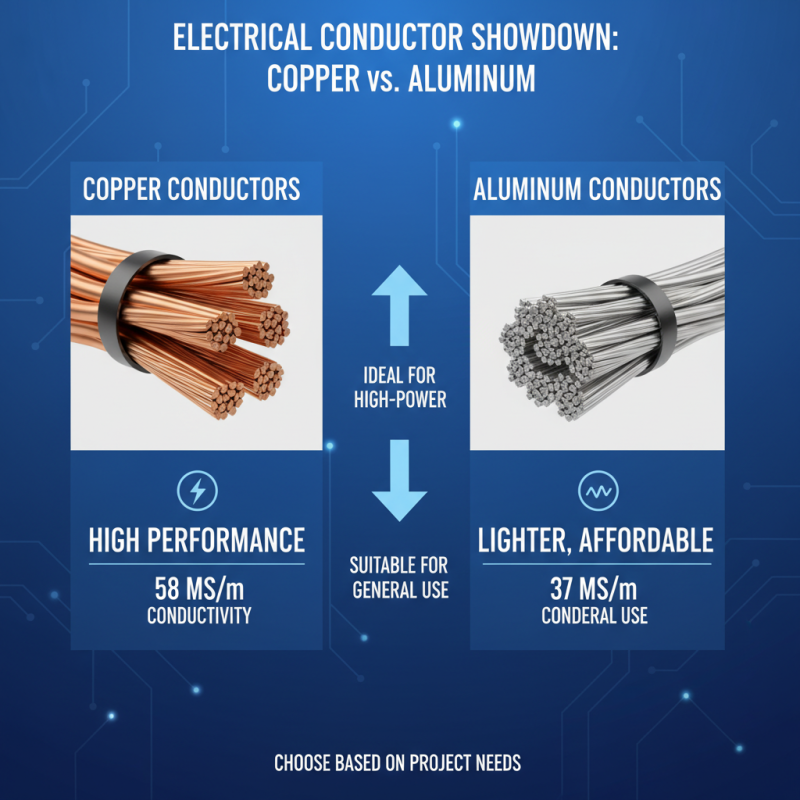
When selecting the right electrical connectors for your project, the choice of materials is crucial—specifically, the conductors and insulators involved. Conductors, typically made from materials like copper and aluminum, play a vital role in ensuring efficient electrical transmission. According to a report by the International Electrotechnical Commission, copper connectors exhibit a conductivity of 58 MS/m, making them a top choice for high-performance applications. In contrast, aluminum, while lighter and less expensive, has a lower conductivity of around 37 MS/m, which can impact performance in power transmission systems. Therefore, understanding the electrical requirements of your project is essential in deciding whether to opt for copper or aluminum conductors.

On the other hand, the choice of insulating materials is equally important in maintaining safety and durability in connectors. Common insulators include PVC, nylon, and thermoplastic elastomers (TPE). A recent study published in the Journal of Materials Science details how nylon stands out for its high dielectric strength and heat resistance, making it suitable for high-temperature applications where thermal stability is critical. Meanwhile, TPEs are gaining popularity due to their flexibility and resilience, which enhance connector longevity in dynamic environments. Ultimately, carefully evaluating the properties of both conductors and insulators can lead to the selection of connectors that not only meet electrical performance criteria but also withstand environmental challenges, ensuring reliability in your project.

Connector Sizes and Configurations: Ensuring Compatibility with Your Project

When selecting the right electrical connectors for your project, understanding connector sizes and configurations is essential for ensuring compatibility. The size of a connector directly influences its physical fit within your project's assembly, and it must correspond with the associated wiring and devices. Additionally, connector configurations, such as pin and socket arrangements, define how connections are made and impact the electrical performance and signal integrity. This makes it crucial to choose a connector that not only fits mechanically but also meets distinct electrical requirements.

Another vital aspect to consider is the application environment. Connectors come in various sizes and shapes designed to handle specific conditions such as moisture, dust, or vibrations. Selecting the appropriate connector size will help prevent connection failures due to environmental factors. Furthermore, considering the number of connections needed is important to ensure that the selected connectors can accommodate the required terminals without overcrowding, which could lead to reduced performance or premature wear. By taking these dimensions and configurations into account, you can ensure that your electrical connectors will enhance the reliability and efficiency of your project.

Standards and Certifications: Importance for Safety and Reliability in Connectors

When selecting electrical connectors for your project, understanding the importance of standards and certifications is crucial for ensuring safety and reliability. Various regulations govern the manufacturing and performance criteria of connectors, allowing engineers to assess their suitability for specific applications. Compliance with established standards, such as those set by organizations like the International Electrotechnical Commission (IEC) and Underwriters Laboratories (UL), guarantees that the components have been rigorously tested for quality and safety.

Additionally, certifications often provide insights into the environmental resilience of the connectors, addressing factors such as temperature, humidity, and mechanical stress. Connectors that meet these standards are not only more reliable but also reduce the risk of failures that could lead to safety hazards or equipment malfunctions. By choosing connectors that are certified to relevant standards, engineers can have greater confidence in their performance, resulting in more robust and secure electrical systems.

Electrical Connector Standards and Certifications

Cost vs. Quality: Balancing Budget Constraints with Connector Performance

When embarking on a project that requires electrical connectors, striking the right balance between cost and quality is crucial. Budget constraints often dictate choices, leading to potential compromises on connector performance. However, it is essential to recognize that selecting low-cost connectors can result in long-term failures, increased maintenance, and safety risks, ultimately costing more than initially anticipated. Therefore, a thorough evaluation of the requirements—such as voltage rating, environmental conditions, and expected lifespan—should guide the selection process.

Investing in higher-quality connectors may present an upfront financial burden, but they often deliver superior reliability and efficiency. High-quality connectors are designed to withstand harsh conditions and often adhere to strict industry standards, ensuring enhanced performance. By analyzing the total cost of ownership—including installation costs, maintenance, and potential downtime—professionals can make informed decisions that align with both their budget and performance expectations. Balancing these factors leads to a strategic approach that prioritizes not just immediate savings but also the long-term effectiveness and safety of the electrical systems in place.

FAQS

: What materials are commonly used for electrical conductors in connectors?

: The most common materials for electrical conductors in connectors are copper and aluminum, with copper being preferred for high-performance applications due to its higher conductivity.

How does the conductivity of copper compare to aluminum in connectors?

Copper connectors have a conductivity of 58 MS/m, making them more efficient for electrical transmission, while aluminum connectors have a lower conductivity of about 37 MS/m.

Why is the choice of insulating materials important in electrical connectors?

Insulating materials are crucial for maintaining safety and durability in connectors, as they help protect against electrical failures and enhance the longevity of the connectors.

What are some common insulating materials used in connectors?

Common insulating materials include PVC, nylon, and thermoplastic elastomers (TPE), each offering unique properties for different applications.

How do connector sizes and configurations affect their compatibility with a project?

The size and configuration of connectors are essential for ensuring they fit properly within an assembly and meet the specific electrical performance and signal integrity requirements.

What environmental factors should be considered when selecting connectors?

It's important to consider factors such as moisture, dust, and vibrations, as these can significantly impact the reliability and performance of electrical connections.

What is the significance of standards and certifications in electrical connectors?

Standards and certifications ensure connectors meet safety and performance criteria, providing assurance of quality and reducing the risk of failures or hazards.

How do certifications impact the environmental resilience of connectors?

Certifications indicate that connectors have been tested for resilience against factors such as temperature, humidity, and mechanical stress, contributing to their reliability in various conditions.

Why is it important to evaluate the number of connections needed in a project?

Evaluating the number of required connections ensures that the selected connectors can accommodate all terminals without overcrowding, which could lead to performance issues or premature wear.

What should be taken into account to enhance the reliability of electrical connectors?

Evaluating the properties of both conductors and insulators, selecting appropriate sizes and configurations, and ensuring compliance with relevant standards all contribute to the reliability of electrical connectors.

Conclusion

Choosing the right electrical connectors for your project is crucial for ensuring functionality and safety. Understanding the different types of electrical connectors and their specific applications helps in selecting the most suitable option. Factors such as current, voltage, and temperature ratings need to be evaluated to determine compatibility with your project's requirements.

Additionally, it's essential to assess environmental factors, especially when working in harsh conditions, as well as to consider material selection for optimal conductivity and insulation. Connector sizes and configurations must align with the project's specifications, while adherence to standards and certifications guarantees reliability and safety. Finally, balancing cost and quality is vital, ensuring that budget constraints do not compromise connector performance. Overall, a thorough evaluation of these aspects will lead to informed decisions when selecting electrical connectors.

Caleb

Caleb

Caleb is a dedicated marketing professional at Leqing Gaopeng Electrical Co., Ltd., where he leverages his extensive knowledge of the company's products to drive engagement and growth. With a deep understanding of the electrical equipment industry, he often contributes to the company's specialized......
Previous How to Choose the Right Crimp Tools for Your Manufacturing Needs