In today’s global marketplace, finding reliable partners for sourcing quality products is more important than ever. Take Electrical Connectors, for example—they’re essential parts in a ton of devices, from your everyday gadgets to heavy-duty industrial machinery. With tech constantly moving forward, the demand for high-performance electrical connectors has really picked up. People around the world are now on the lookout for trustworthy suppliers in China, which is well-known for its strong manufacturing capabilities.
Now, China’s electrical connector scene isn’t short on options — there are plenty of established players, each bringing their own innovative solutions to the table. Big names like Molex, TE Connectivity, and Amphenol are front runners in R&D and consistently produce products that meet strict international standards. But let’s be honest, navigating through all these choices can be a bit overwhelming. Picking the right supplier isn’t just about the price—it’s about doing your homework first.
And here’s the thing: not every supplier on the market sticks to the same quality standards. There’s always a risk of getting subpar materials or products that don’t perform as expected. That’s why it’s super important for buyers everywhere to check credentials, read reviews, and maybe even talk to previous clients before making a decision. Finding that perfect balance—between innovative tech and dependable service—is key to really succeeding when sourcing electrical connectors from China.
Top Trends in the Electrical Connector Market in China
The electrical connector market in China is witnessing significant changes. Rapid technological advancements are driving demand for more efficient and reliable connectors. According to a recent report by MarketsandMarkets, the global electrical connector market is expected to grow at a CAGR of 6.2% from 2023 to 2028. This trend underscores the increasing reliance on Electrical Lug Connectors in various applications.
One notable shift is the growing focus on sustainable materials. Manufacturers are exploring eco-friendly options to meet environmental regulations. This aligns with the global push towards sustainability. However, the transition can be challenging. Many companies face difficulties in sourcing reliable materials that meet both performance and environmental standards.
Another trend is the rise of miniaturized connectors. These connectors are critical for electronic devices where space is limited. Yet, achieving both size reduction and performance remains a complex task. The need for precision engineering and stringent quality control is paramount. Overall, while opportunities abound in the electrical connector market, hurdles exist that require innovative solutions and strategic planning.
Key Manufacturers of Electrical Connectors in China
China has become a hub for electrical connector production. Many global buyers are turning to Chinese manufacturers for high-quality solutions. The country hosts a variety of factories with expertise in producing different types of electrical connectors. They cater to diverse industries such as automotive, telecommunications, and consumer electronics. Quality control is vital in this field, and several manufacturers utilize advanced technology to ensure reliable products.
Tips: When considering suppliers, inspect their certifications. This is essential for assessing quality. Additionally, communicate your specific needs clearly to avoid confusion. Manufacturing processes vary, and this can affect the final product.
The landscape of electrical connector production is vast. Factors like pricing, lead time, and material types can impact choice. Some manufacturers focus more on cost-efficiency than on quality, which can lead to subpar products. It’s important to evaluate potential partners’ reputations. Reading reviews and seeking opinions from existing clients can provide insight into their reliability. Always ensure your selected supplier can meet your requirements for Electrical Wire Connectors without compromising quality.
Industry Growth Statistics: China’s Electrical Connector Sector
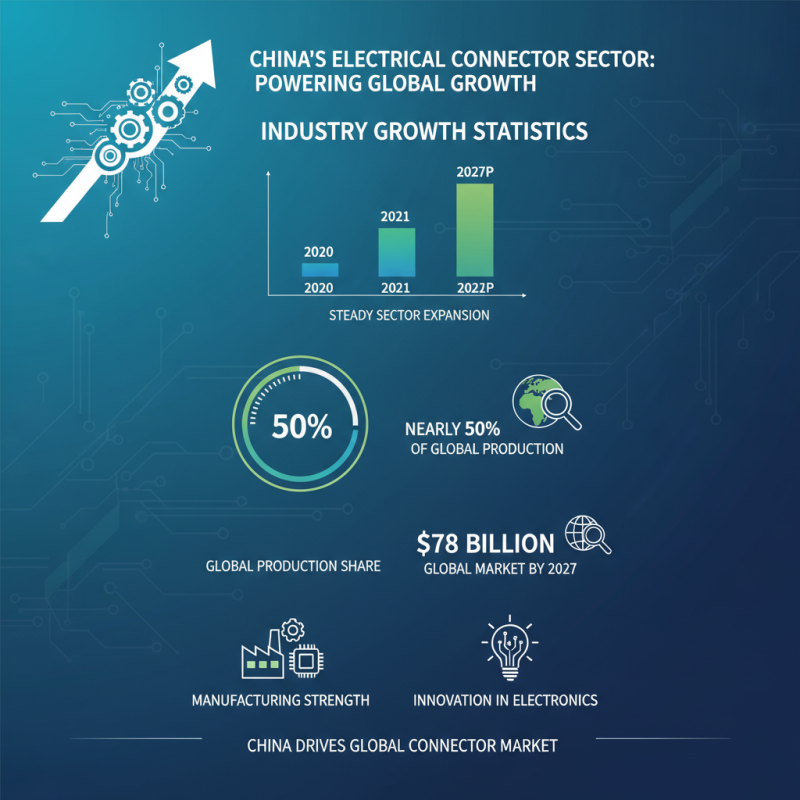
China's electrical connector sector is witnessing remarkable growth. In recent years, the industry has expanded steadily. The global electrical connector market is projected to reach $78 billion by 2027, with China's share growing significantly. The country accounts for nearly 50% of global production. This growth reflects China's manufacturing strength and innovation in the electronics field.
Data indicates an annual growth rate of about 6% in China's electrical connector market. Key drivers include the rise of electric vehicles and advancements in telecommunications. However, the industry faces challenges, such as rising raw material costs and supply chain disruptions. Additionally, manufacturers must prioritize sustainability practices to meet global demand for greener solutions.
Interestingly, while quality improvements have been significant, some manufacturers still struggle with standard compliance. Data suggests that nearly 15% of connectors produced do not meet international standards. This issue highlights the need for better quality control mechanisms within the industry. Overall, the positive outlook for China’s electrical connector market signals a vibrant arena for global buyers and investors.
Innovations in Electrical Connector Design and Technology in China
The electrical connector market in China is witnessing significant innovations that reflect both efficiency and technological advancement. Design engineers are focusing on reducing size while enhancing performance. This is evident in the increasing use of miniaturized connectors that offer higher densities, making them suitable for various applications, from consumer electronics to industrial equipment. These advancements also emphasize durability, ensuring thaT connectors can withstand harsh environments.
In recent years, smart technology integration has transformed traditional connectors. Features like built-in sensors and adaptive functions allow connectors to communicate and monitor performance. However, while these innovations enhance functionality, they also present challenges. The complexity of new designs may lead to compatibility issues with older systems. Manufacturers are addressing these hurdles by creating more versatile connectors that cater to diverse applications.
Sustainability is another focal point. Many Chinese manufacturers are incorporating eco-friendly materials in their products. This shift aligns with global demands for greener technologies. However, the transition is not seamless. Balancing cost, performance, and environmental considerations often requires ongoing refinement. The ongoing dialogue within the industry highlights the importance of collaboration to achieve optimal solutions.
| Connector Type | Application Field | Material Used | Temperature Range (°C) | Current Rating (A) |
| Circular Connectors | Automotive | Copper Alloy | -40 to 125 | 20 |
|
Terminal Blocks | Industrial Machinery | Plastic, Copper | -25 to 85 | 32 |
| PCB Connectors | Consumer Electronics | Plastic, Gold Plated | -40 to 105 | 5 |
| Molex Connectors | Telecommunications | Copper, Plastic | -40 to 70 | 10 |
| RJ45 Connectors | Networking | Copper | -20 to 75 | 1.5 |
| USB Connectors | Computers and Accessories | Plastic, Copper | -20 to 85 | 3 |
| Power Connectors | Renewable Energy | Aluminum, Rubber | -30 to 90 | 50 |
| D-sub Connectors | Industrial Automation | Tin Plated Copper | -55 to 125 | 20 |
| FPC Connectors | Mobile Devices | Plastic, Brass | -20 to 80 | 1 |
| Audiovisual Connectors | Broadcasting | Copper, Plastic | -10 to 70 | 5 |
Quality Standards and Certifications for Electrical Connectors
When sourcing electrical connectors in China, quality standards are paramount. Buyers should prioritize manufacturers that adhere to international certifications. These certifications ensure that connectors meet essential safety and performance criteria. The ISO 9001 certification is a common standard that indicates robust quality management. It reflects a company's commitment to maintaining high-quality products.
Another vital aspect is compliance with RoHS directives. RoHS ensures that electrical components, including Electrical Butt Connectors, are free of hazardous substances. This is crucial for global buyers aiming to meet environmental regulations. However, not all manufacturers meet these standards consistently. Some may lack the necessary documentation, leading to confusion about the product's legitimacy.
Quality varies greatly among suppliers. Buyers must be diligent and conduct due diligence. A simple vendor check may not be enough. It’s advisable to request samples before large purchases. Testing these samples can reveal potential shortcomings in durability or performance. This proactive step often prevents future issues in product reliability.
Top 10 Electrical Connectors Quality Standards
Market Demands: Applications of Electrical Connectors Globally
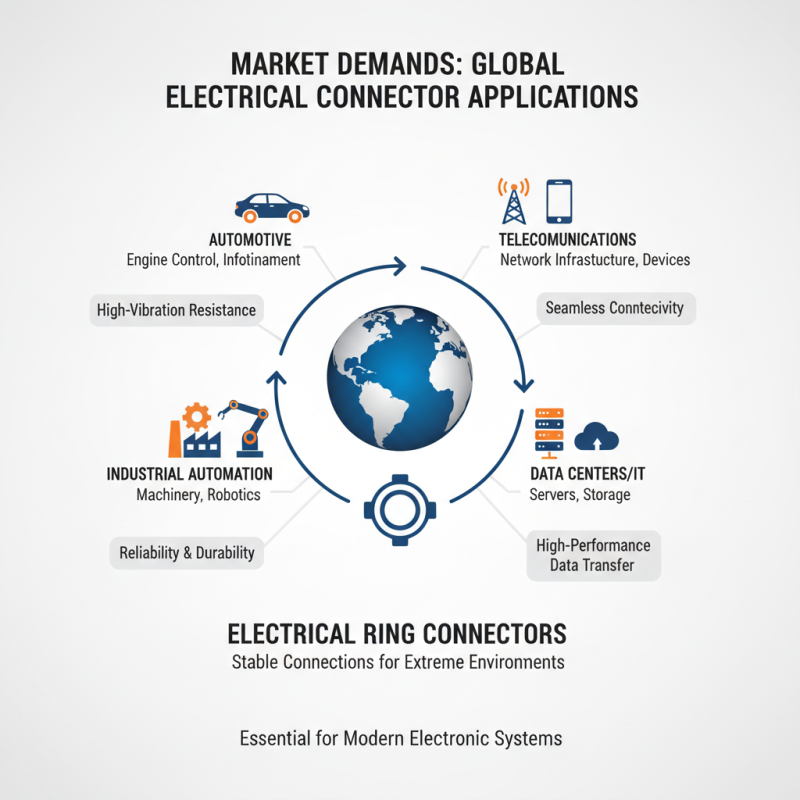
Electrical connectors play a vital role in various industries across the globe. They are the backbone of electronic systems, enabling seamless connectivity. Applications range from automotive to telecommunications, demanding reliability and performance. Specifically, Electrical Ring Connectors are widely used. Their design offers stable connections, crucial for high-vibration environments.
In the automotive sector, connectors must withstand harsh conditions. They are exposed to extreme temperatures and vibrations. A failure in these connectors can result in system malfunctions. Additionally, the growing trend towards electric vehicles increases the demand for advanced electrical connectors. These connectors must support higher currents and ensure safety.
Industries like renewable energy also heavily rely on quality connectors. Wind and solar installations require durable connectors to endure outdoor elements. Though the market is expanding, some manufacturers struggle to meet quality standards. This inconsistency can impact overall system performance. Companies need to prioritize testing and certification to enhance reliability. Addressing these challenges is essential for future growth in the electrical connector market.
Challenges Facing Electrical Connector Manufacturers in China
Electrical connector manufacturers in China face significant challenges. The rapidly evolving technology puts pressure on production standards. Meeting global requirements can be tough. Manufacturers must constantly upgrade their equipment and processes. This requires not only capital investments but also skilled labor.
Quality control is another pressing issue. Many factories struggle to maintain consistent quality levels. Inadequate quality assurance systems lead to product failures. These failures can tarnish reputations in international markets. Moreover, competition is fierce. Businesses must differentiate themselves without compromising costs. This often results in a dilemma that needs strategic thinking.
Sustainability is increasingly important for global partners. Manufacturers must adapt to eco-friendly practices. However, shifting to sustainable methods can be expensive. Integration of new materials also requires thorough research. This ongoing transformation poses operational challenges. It may take time before the industry fully embraces these changes. Balancing innovation, quality, and sustainability remains crucial for success.
Essential Guide to T Tap Wire Connectors: Benefits, Applications, and Installation Tips
T Tap wire connectors have revolutionized the way we make electrical connections, offering a fast and reliable method for tapping circuits without the need to cut wires. With their self-stripping blade design, these connectors allow users to make secure connections efficiently, piercing insulation directly to contact conductors. This innovative approach eliminates the time-consuming wire stripping process, saving valuable minutes on each connection compared to traditional methods.
In addition to speed, T Tap wire connectors provide robust protection against various environmental factors. Featuring a triple-layer construction composed of a durable nylon outer shell, a PVC middle barrier, and a copper alloy core, they can withstand extreme temperatures ranging from -40°C to 105°C and resist damage from oil and gasoline exposure. Their design ensures that the connectors remain reliable even in challenging conditions, making them ideal for use in automotive and industrial applications.
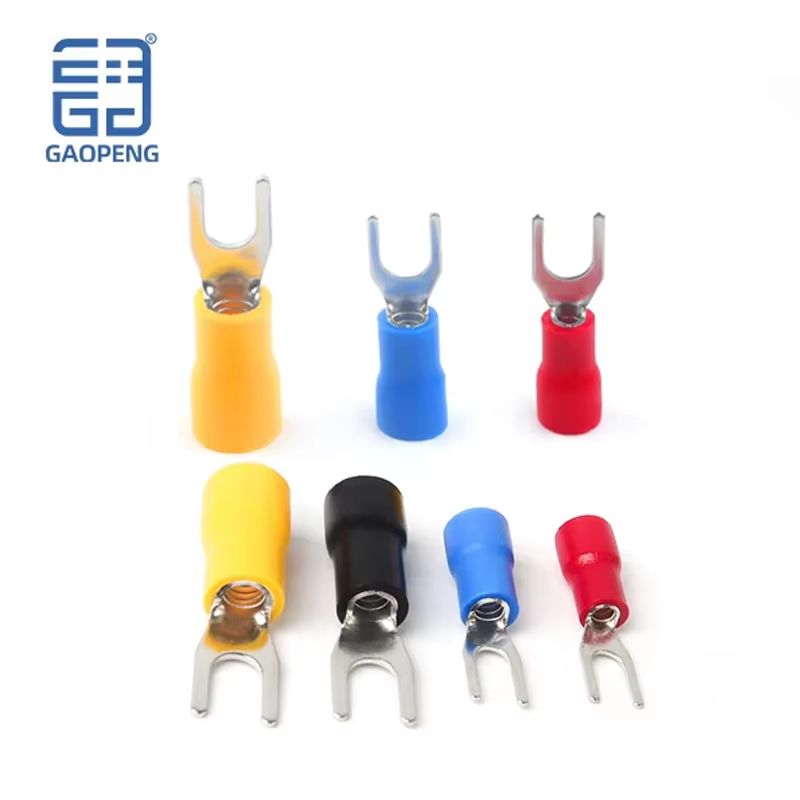
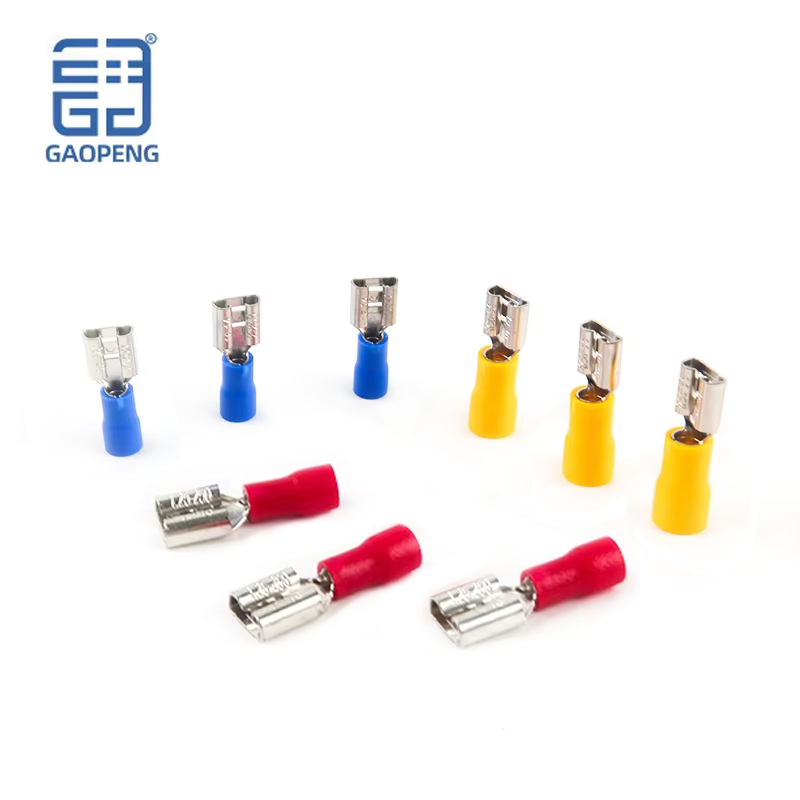
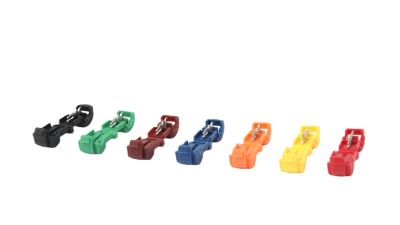
Furthermore, the error-proof color coding simplifies the installation process. Each connector is color-coded to match specific wire gauges—red for 22-18 AWG, blue for 18-16 AWG, and yellow for 16-14 AWG—ensuring users achieve the proper connections without confusion. This feature not only improves accuracy but also enhances safety by minimizing the risk of incorrect connections during electrical work. Whether for DIY projects or professional installations, T Tap wire connectors prove to be an essential tool for achieving efficient and dependable results.
FAQS
: Buyers should prioritize manufacturers with international certifications to ensure quality and safety.
ISO 9001 indicates robust quality management and a commitment to high-quality products.
RoHS ensures that electrical components are free of hazardous substances, meeting environmental regulations.
Some manufacturers may lack proper documentation, causing confusion about product legitimacy.
Conduct due diligence and request samples before making large purchases.
Testing samples can highlight potential durability or performance issues.
They are used in automotive, telecommunications, and renewable energy sectors.
Connectors must withstand extreme temperatures and vibrations to avoid system malfunctions.
There is a need for advanced connectors that support higher currents and ensure safety.
Inconsistent quality among manufacturers can severely impact system performance and reliability.
Conclusion
The electrical connector market in China is experiencing significant growth, driven by increasing demand for innovative designs and robust technology. Key trends in this sector highlight advancements in product functionality and application versatility, catering to various industries globally. Statistics reaffirm the rapid expansion of China’s electrical connector industry, showcasing its vital role in the global supply chain.
However, manufacturers in China face challenges such as maintaining quality standards and navigating certification processes, which are critical for success in the international market. As electrical connectors are essential components across a multitude of applications, the emphasis on innovation and quality is paramount for meeting the evolving demands of global buyers.