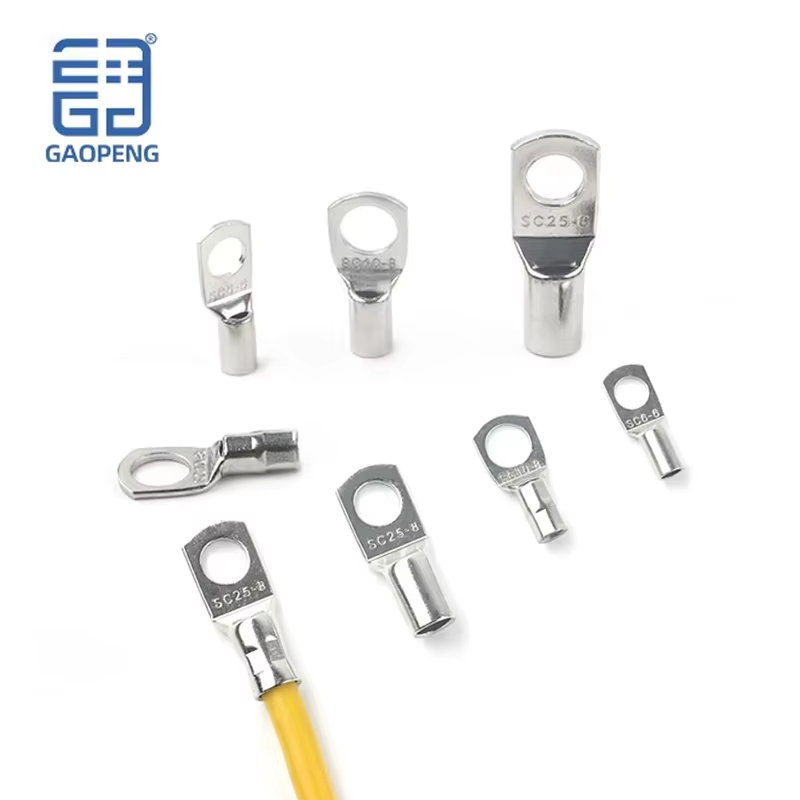
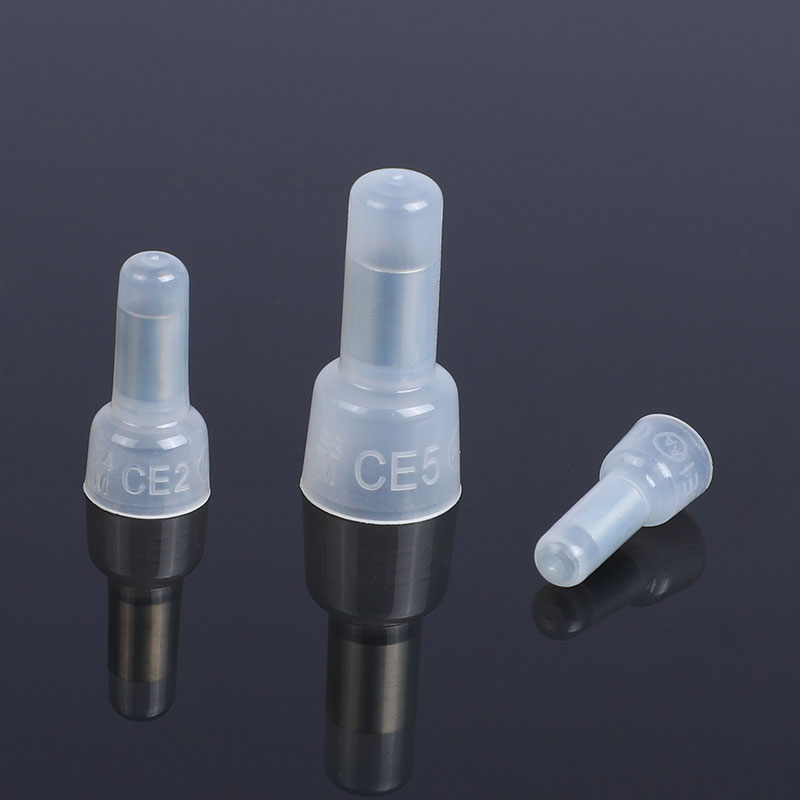
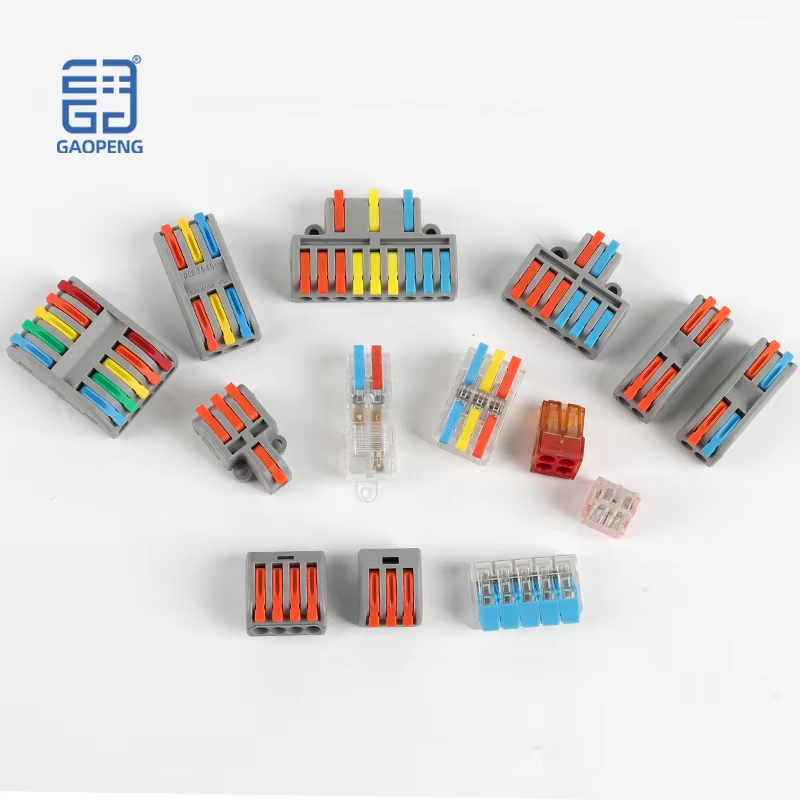
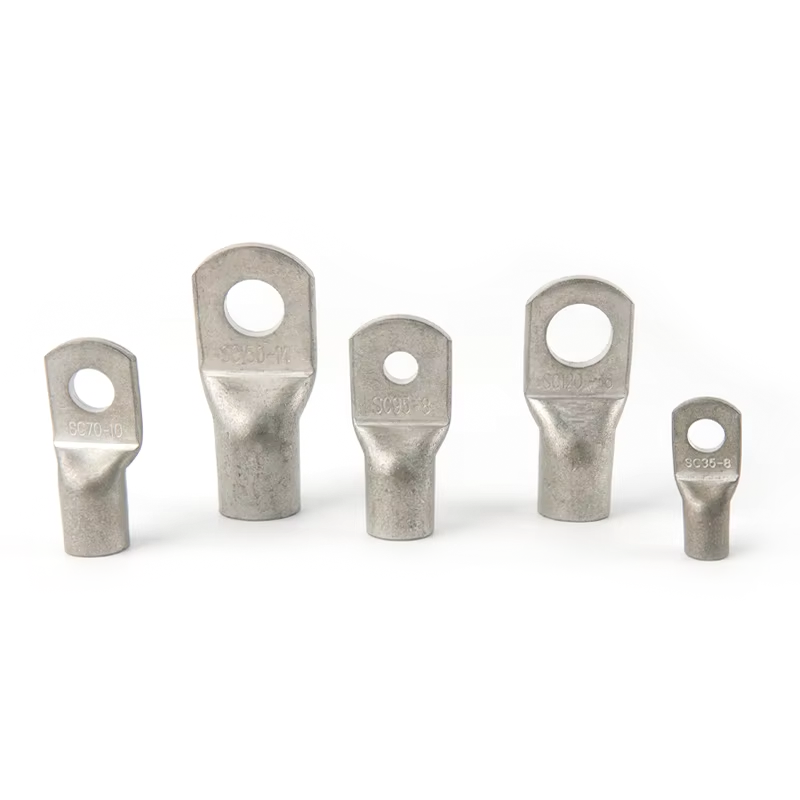
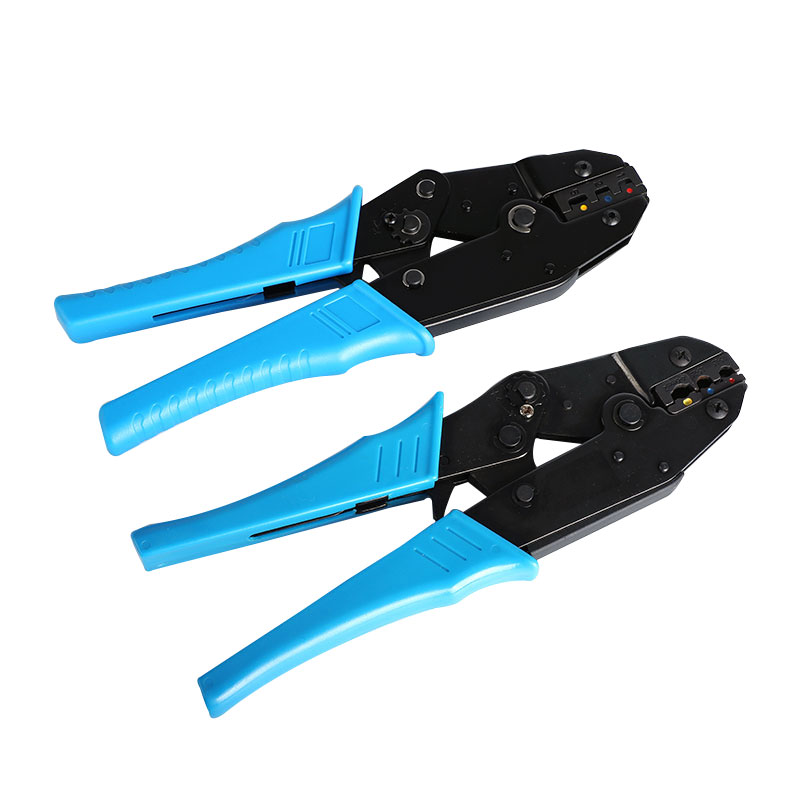
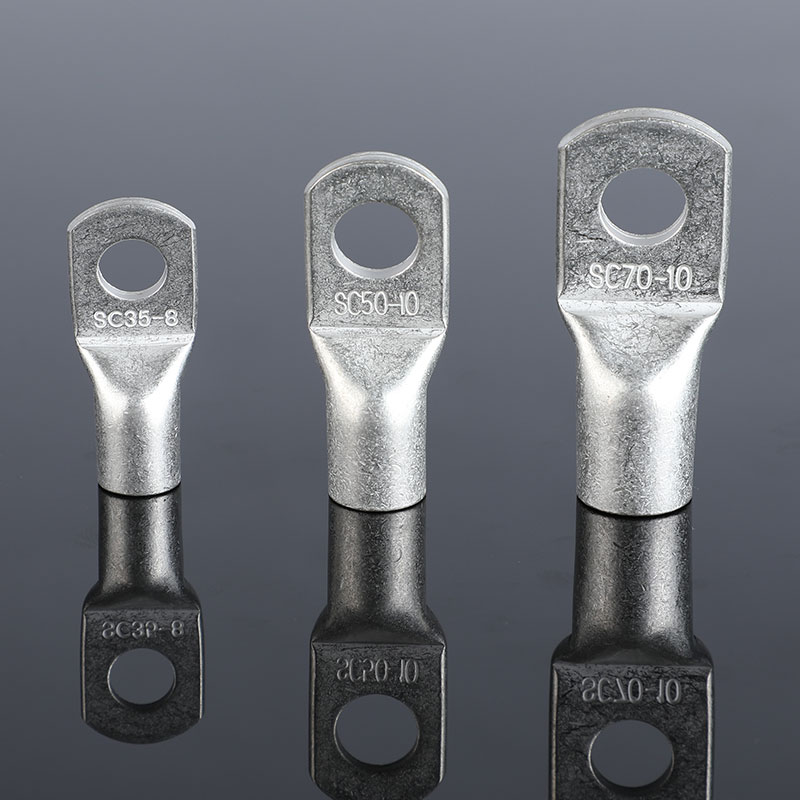
When you're working on electrical projects, choosing the right Crimp Terminals is actually pretty important to make sure everything connects well and stays reliable. I recently came across a report that said the worldwide market for terminals and connectors is expected to grow a lot—like hitting around $77 billion by 2025. That’s mainly because more folks are using them in industries like cars, telecoms, and renewable energy. If you’re in this game, you probably know about Yueqing Gaopeng Electric Co., Ltd., which started back in 2016 in Wenzhou, Zhejiang. They’re pretty much experts at designing, developing, and making all kinds of terminals and connectors. They pump out billions every year, and their stuff is sold all over—Asia, Europe, America, Africa—you name it. Gaopeng really strives to deliver top-notch solutions that fit the needs of electrical pros everywhere. So, when you’re picking crimp terminals for your next project, it’s worth keeping these things in mind to make sure you get the best kind for the job.
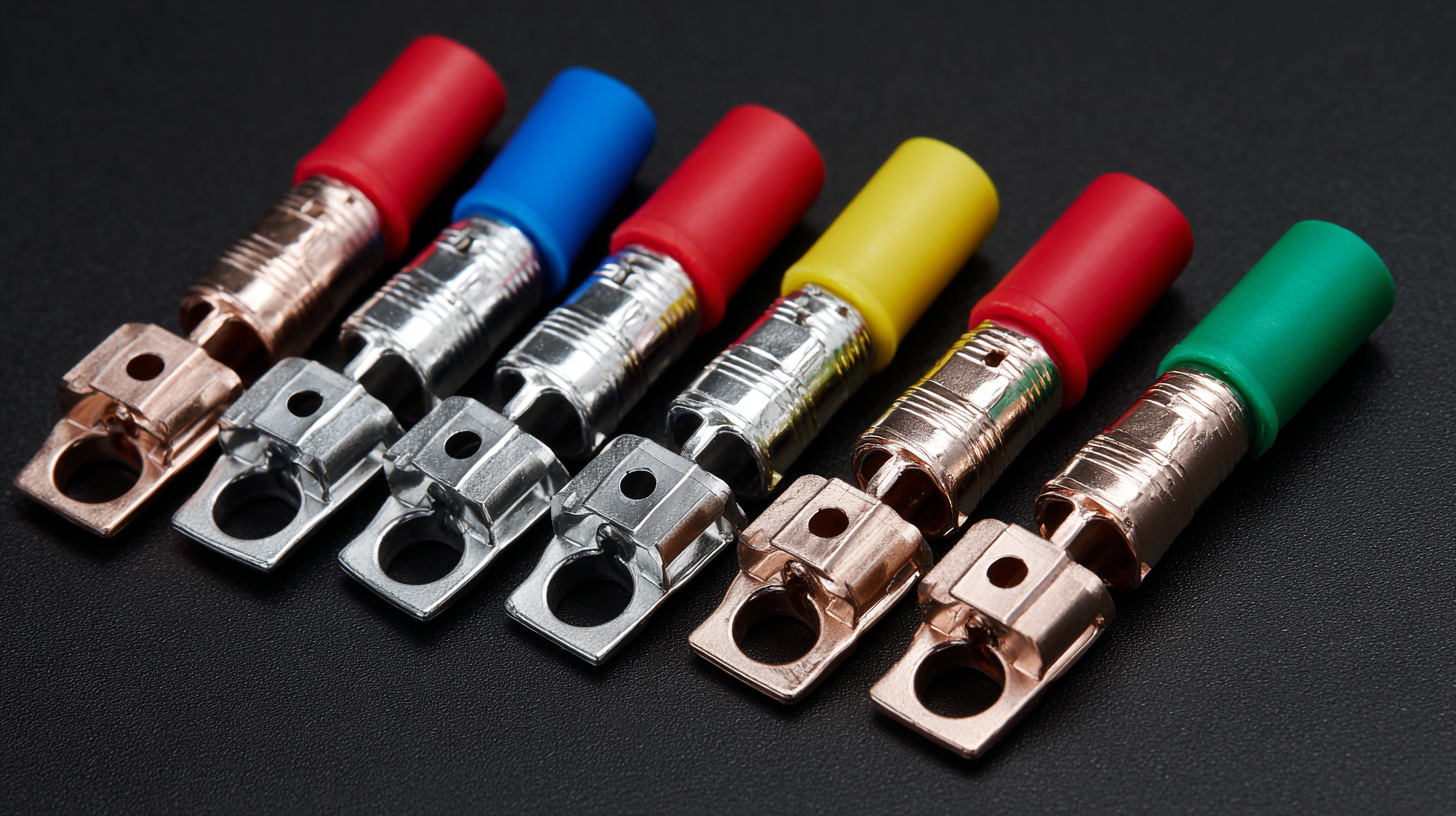
Understanding the Basics of Crimp Terminals and Their Applications
Crimp terminals are pretty much essential when you're working on all sorts of electrical projects. They act as the connectors that hold wires together securely, and honestly, understanding the ins and outs of these little guys is key to making sure your connections are reliable. Most of them are made from conductive metals and come in a bunch of shapes and sizes—so you can pick the right one for your wire gauge and specific needs. The way they work is pretty straightforward: you mechanically deform the connector around the wire, creating a solid, permanent bond that can handle vibrations and even tough environmental conditions.
You'll find crimp terminals popping up everywhere—automotive, telecom, consumer electronics—you name it. For example, in cars, they make sure power and signals transfer smoothly, which is pretty important for safety and performance. In telecom, they’re crucial for creating dependable connections in cords and cabling. And in consumer gadgets, they help keep things compact and easy to put together. Picking the right crimp terminal really depends on understanding a few basics — like wire size, insulation needs, and whether it’s going to be exposed to harsh conditions. Once you get that down, it’s a lot easier to choose the perfect one for your project and get it all working seamlessly.
Identifying the Right Material for Your Crimp Terminals
When you're choosing crimp terminals for your electrical projects, the material you pick really matters for making sure everything works smoothly and lasts. According to a report from the Electrical Connector Market, copper is still the superfavorite for crimp terminals, mainly because it conducts electricity so well—about 97% of the International Annealed Copper Standard (IACS). That means Copper Terminals have less resistance, which helps electricity flow more efficiently and reduces power loss. Because of that, they're trusted in all sorts of stuff, from cars to heavy-duty industrial setups.
On the flip side, aluminum terminals are becoming more popular in areas where saving weight is a big deal. A recent study by the International Electrotechnical Commission pointed out that aluminum crimp terminals can be about 60% lighter than copper ones. This makes them a really good choice for things like aerospace, where every ounce counts. But here’s the catch: aluminum doesn’t conduct electricity as well as copper, clocking in at around 61% of IACS. So, you’ve gotta be careful with the size of the terminal and the application itself to avoid overheating. And don’t forget—if you go with aluminum, it’s super important to add a protective coating to prevent corrosion. Otherwise, you might run into some durability issues down the line.
Determining the Appropriate Size and Gauge for Your Needs
When you're picking crimp terminals for your electrical projects, getting the right size and gauge is super important. It might sound technical, but trust me, it makes a huge difference in how well everything works and how safe it is. I read somewhere that, according to the National Electrical Manufacturers Association (NEMA), choosing the right wire gauge for what you're doing can actually boost efficiency pretty significantly. Like, if your wire is too small, it could heat up more because of higher resistance, which isn’t great — it could even lead to circuit failures or fires. They mention that using the proper gauge can cut down energy loss by up to 10%. Pretty neat, right?
Another thing to keep in mind is making sure your crimp terminal actually matches the wire gauge and the connector type you’re working with. Studies show that when you use terminals designed specifically for your wire's size, it not only gives you a secure connection but also helps carry more current safely. For stuff like cars or planes, using the correct size terminals really boosts reliability and performance — and that means fewer headaches down the line. Plus, sticking to a standardized way of choosing terminals based on size and gauge (like what IEEE recommends) can save you trouble in the long run. It’s all about following the established standards to keep things running smoothly and safely.
Crimp Terminal Size and Gauge Comparison
This chart displays the suitable current ratings for different sizes of crimp terminals based on American Wire Gauge (AWG). Selecting the right gauge is crucial for ensuring optimal performance and safety in electrical projects.
Evaluating Connection Methods: Crimping vs. Soldering
 When you're looking at making reliable electrical connections, two main methods usually come up: crimping and soldering. According to a report from the International Electrotechnical Commission (IEC), crimped connections are seriously reliable — they can fail at rates as low as 0.1%. That’s pretty impressive and why they’re so popular in different fields. Basically, crimping works by mechanically deforming a metal terminal around the wire, creating a really strong, durable, and gas-tight fit. It’s especially useful in industries like automotive and aerospace where you need connections that can handle a lot of vibration and movement without giving in.
On the flip side, soldering has its own perks and quirks. Soldered joints can work really well, especially for low-stress situations, but they tend to be more prone to issues like thermal fatigue and mechanical wear over time. A study I came across in the Journal of Electronics Manufacturing mentioned that soldered connections can sometimes fail more often under tougher conditions — sometimes over 1% failure rate in high-vibration environments. So, if you need something that’s built to last and handle serious wear and tear, crimping usually ends up being the go-to method nowadays. It’s just more reliable and consistent when it really matters.
Industry Standards and Certifications for Quality Assurance
When you're picking out crimp terminals for your electrical projects, it's really important to get a handle on industry standards and certifications. It might not seem like a big deal at first, but these benchmarks are key to making sure your stuff performs well and stays reliable. Did you know that the global market for ISO-certified products is booming? Estimates show it could jump from around USD 18.59 billion in 2025 to a whopping USD 57.48 billion by 2033—that's pretty impressive growth! This really highlights how companies are all about sticking to recognized quality standards to keep their products up to scratch.
Now, when it comes to crimp terminals, look out for certifications like ISO/TS 22163—that's a good sign that the product has solid quality management and performance. For example, a leading company recently hit the Silver level certification, which shows they’re serious about their standards. But, heads up—there are challenges, too. Even with certifications, some sectors like aviation have flagged issues where standards might not catch everything, so it’s worth staying cautious.
**Quick tip:** Always double-check that the crimp terminals you choose come with proper documentation from trusted certification bodies. It pays to go with suppliers who have a solid reputation for quality—like those recent ISO 9001 certified companies. And don’t forget, standards keep evolving, so it’s smart to stay updated on the latest in certification requirements to keep your projects compliant and running smoothly.
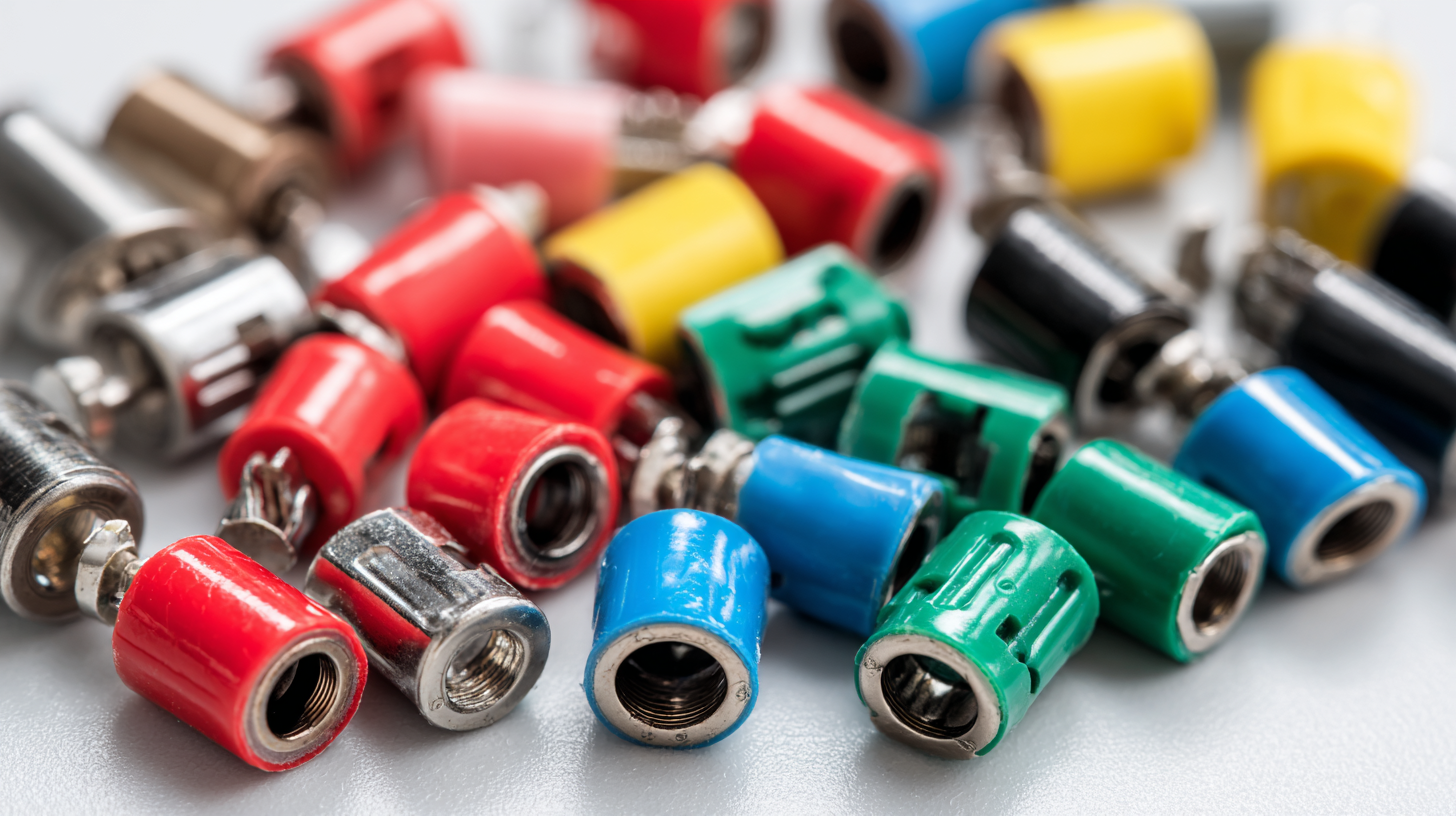
Tips for Ensuring Reliable and Long-lasting Electrical Connections
When you're picking crimp terminals for your electrical projects, it's super important to make sure those connections are solid and gonna last. I came across a report from the International Electrotechnical Commission (IEC) that says up to 30% of electrical failures in industrial setups are actually due to bad connections—crazy, right? So, knowing what materials go into these crimp terminals really matters. For the best results, go for high-quality ones made from copper or aluminum—they've got better conductivity and are way more resistant to rust and corrosion.
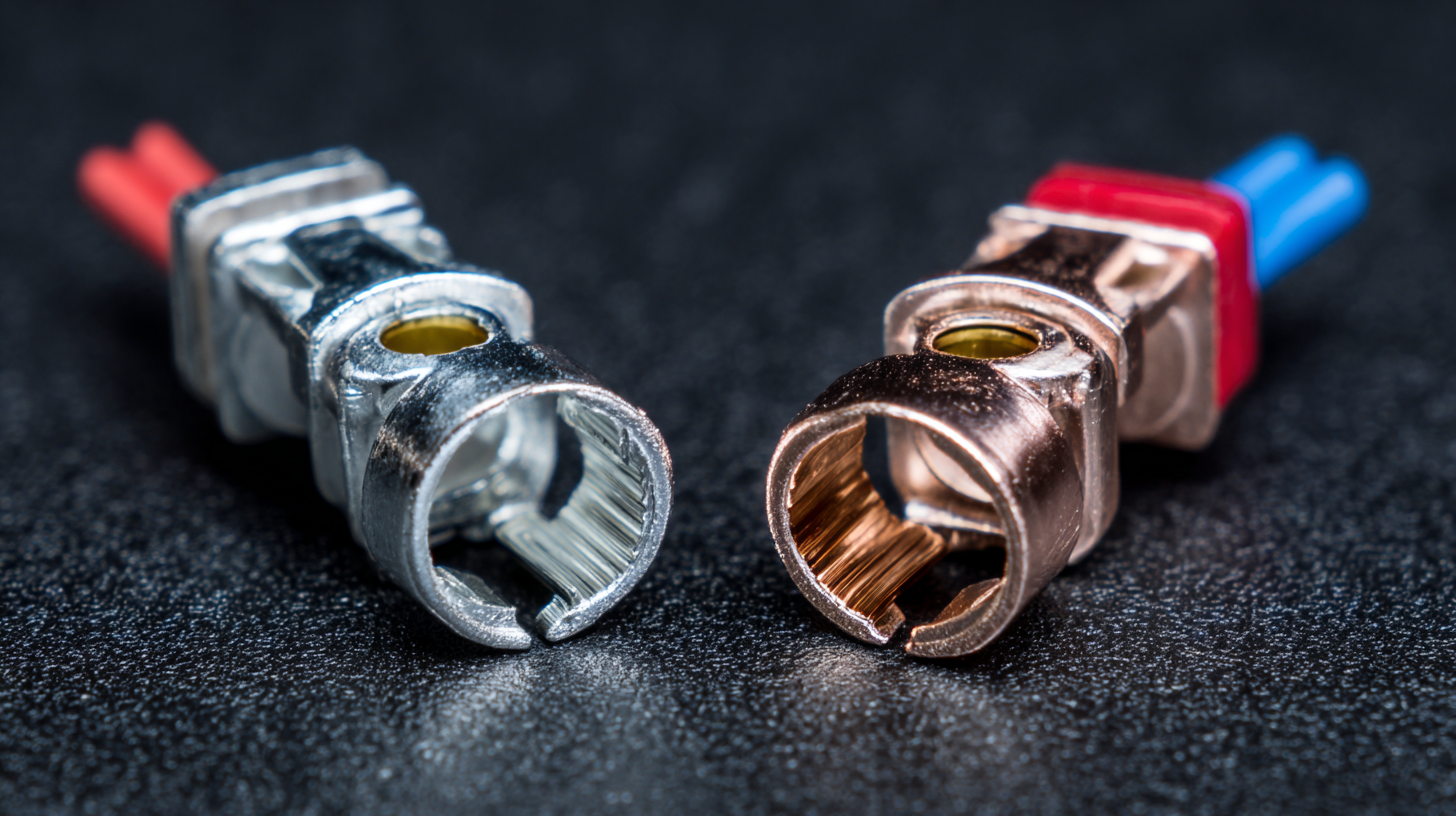
Also, don’t overlook how you do the crimping—this step is key for making a connection that's not gonna fall apart quickly. Studies show that if you do a proper crimp, you can boost the strength of the connection by up to 50%. To make sure you’re nailing it, use the right tools and follow the manufacturer’s instructions. Industry groups like ANSI recommend using calibrated crimping tools to give consistent pressure—they help prevent issues like cold welding or metal fatigue down the line. Basically, pay attention to the quality of your materials and technique, and you'll cut down on connection problems big time and make your electrical system last longer.
FAQS
: Choosing the correct wire gauge is crucial as it significantly enhances transmission efficiency and reduces energy loss by up to 10%. A wire gauge that is too small can lead to excessive heat generation due to increased resistance, resulting in potential circuit failure or fire hazards.
Using crimp terminals that are specifically designed for the wire gauge ensures a secure connection and maximizes the current-carrying capacity, which is important for reliability and performance in various applications, such as automotive and aerospace.
According to NEMA, utilizing an appropriate wire gauge for the current load can significantly enhance transmission efficiency and reduce energy loss, highlighting the importance of proper selection in circuit design.
Crimped connections can achieve a failure rate as low as 0.1%, making them highly reliable, while soldered connections may have higher failure rates of over 1% in high-vibration environments.
Crimping is typically favored for high durability and longevity, especially in applications where robustness and consistency are essential, such as in the automotive and aerospace industries.
Soldered connections are more susceptible to thermal fatigue and mechanical stress, especially under rigorous conditions, which can lead to a higher failure rate compared to crimped connections.
Adopting standardized approaches based on gauge and size can provide long-term benefits, ensuring compatibility and reliability while adhering to established electrical standards as emphasized by IEEE.
The crimping method is particularly important in industries such as automotive and aerospace, where reliability and resistance to vibrations are critical.
The IEC report indicates that crimped connections are highly reliable, with a failure rate as low as 0.1%, making them suitable for various applications requiring secure electrical connections.
Conclusion
When you're picking out crimp terminals for your electrical projects, it’s really important to understand what they’re mainly used for and what kinds of materials are out there. There’s a bunch of different types of crimp terminals, each designed for specific jobs, so choosing the right material to match your project’s needs is pretty key. Also, making sure you pick the right size and gauge can make a big difference—this helps keep your connections solid and reliable.
It’s worth thinking about how you’re connecting things, too—like whether to crimp or to solder. Usually, crimping tends to be simpler and often more durable for a lot of applications. And, of course, sticking to industry standards and certifications is a smart move—it’s the best way to be sure your terminals meet quality benchmarks. Following these tips and maybe talking to pros at companies like Yueqing Gaopeng Electric Co., Ltd., which is known for their top-notch terminals and connectors, can really help you make sure your electrical connections are dependable and last a long time.