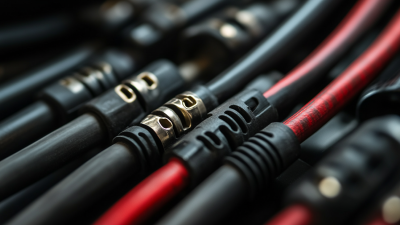
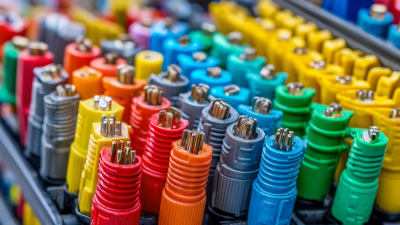
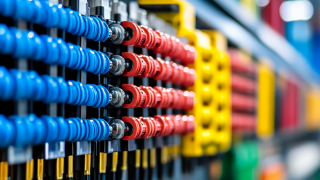
In today’s fast-changing world of electrical stuff, you can’t really deny how crucial reliable and efficient connections are. Take Battery Cable Lugs, for example—they’re key players in keeping things running smoothly and safely across a bunch of applications, whether it’s in cars, renewable energy setups, or other tech. Lately, I’ve seen reports suggesting that the global market for these lugs is set to really take off—mainly because more folks are jumping into electric vehicles and green energy projects. It’s pretty clear that everyone out there needs to stay on top of choosing good-quality battery cable lugs if they want their projects to work well. Actually, Yueqing Gaopeng Electric Co., Ltd., which started back in 2016, is one of the big names in this space. They design, develop, and manufacture all kinds of terminals and connectors—by the billions every year—and they export all over Asia, Europe, America, and Africa. To help out buyers, I’ve put together this quick guide with some key tips, so folks can pick the right battery cable lugs that fit their needs and make sure everything goes smoothly.
Common Issues Encountered with Battery Cable Lugs
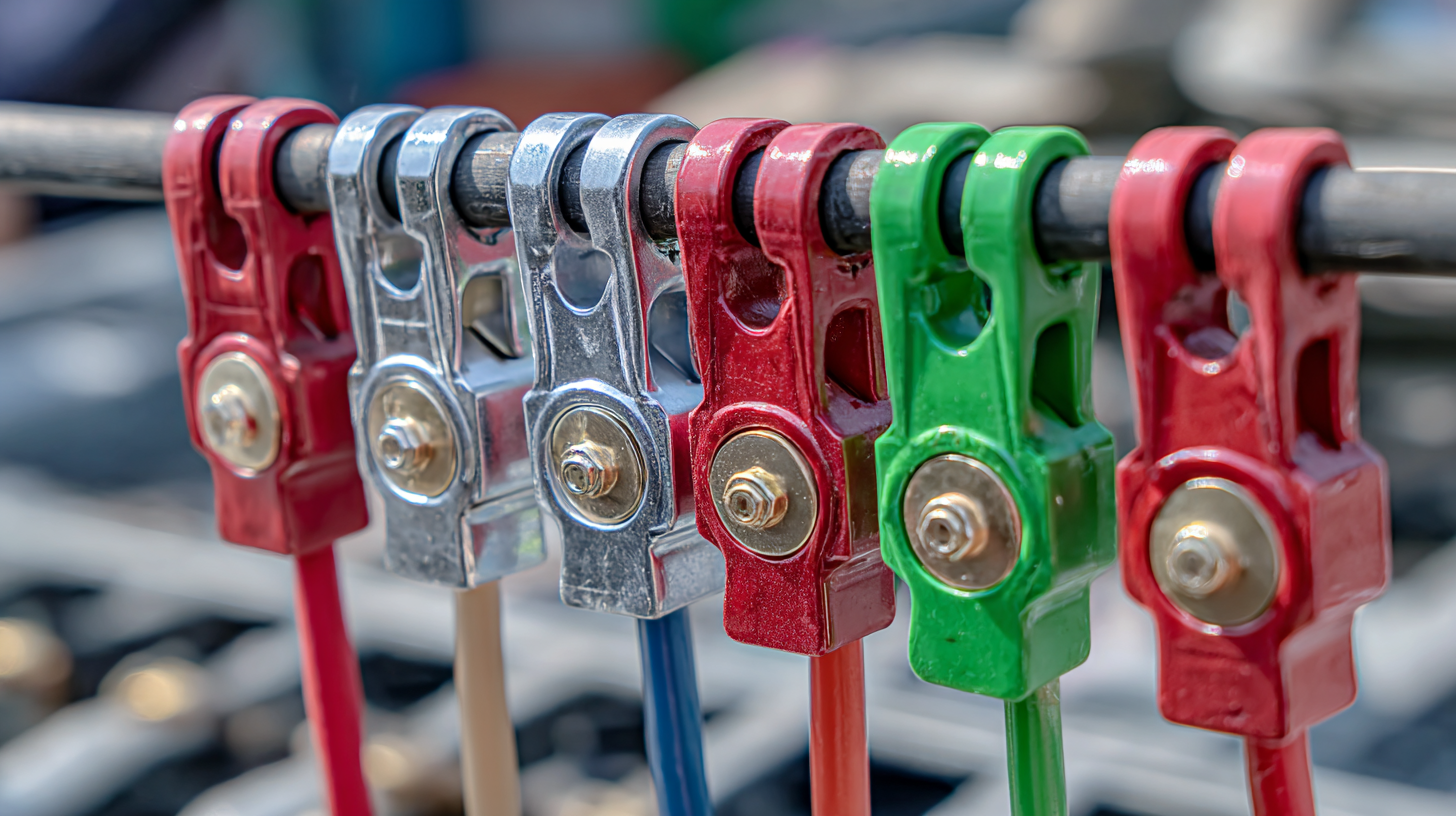
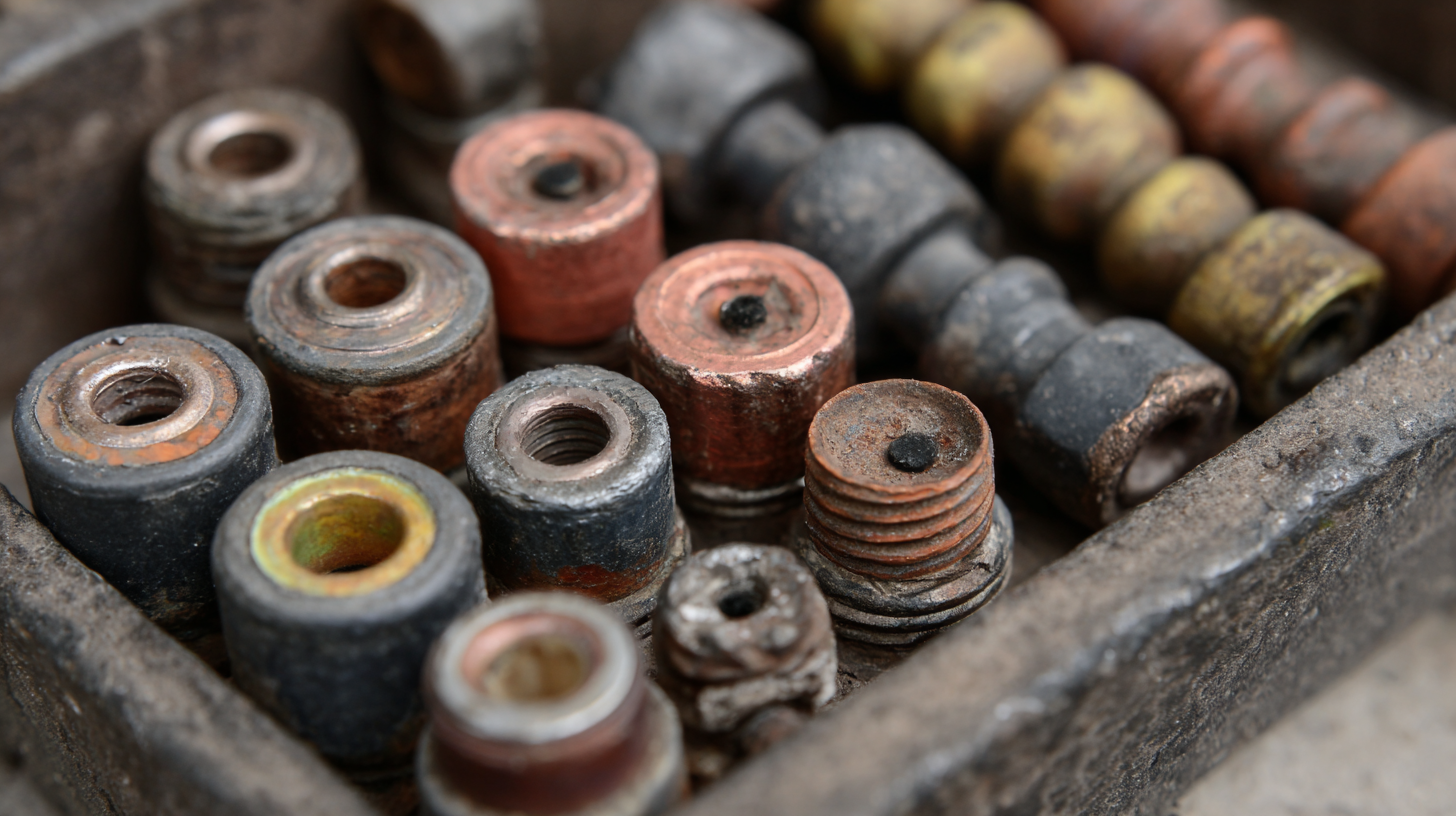
When you're dealing with battery cable lugs, it's pretty common to run into a few hiccups that can mess with your vehicle's performance. One of the most common issues is corrosion building up on the terminals. That acid buildup can really mess with the flow of electricity, which might cause your car to have a tough time starting. So, it’s a good idea to check and maintain those lugs regularly—doing so can help keep your battery working smoothly and prevent unexpected setbacks. Plus, extreme temps—hot or cold—can make things worse. Too much heat, for example, can cause the battery to swell up, which can damage the lugs and make the connection even more trouble-prone.
And honestly, choosing good-quality battery cable lugs is super important. A lot of folks end up struggling because they go for cheaper, lower-quality options, only to end up with poor conductivity or even short circuits. It’s really worth taking a moment to check out the materials and specs before you buy—saving you headaches down the line. By understanding these common issues and investing in better parts, you can give your vehicle’s battery setup a much longer, more reliable life.
Identifying the Right Type of Battery Cable Lug for Your Needs
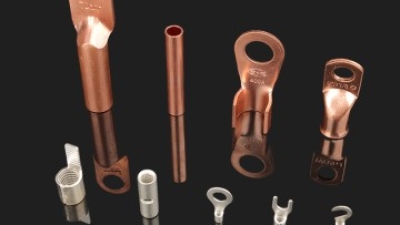
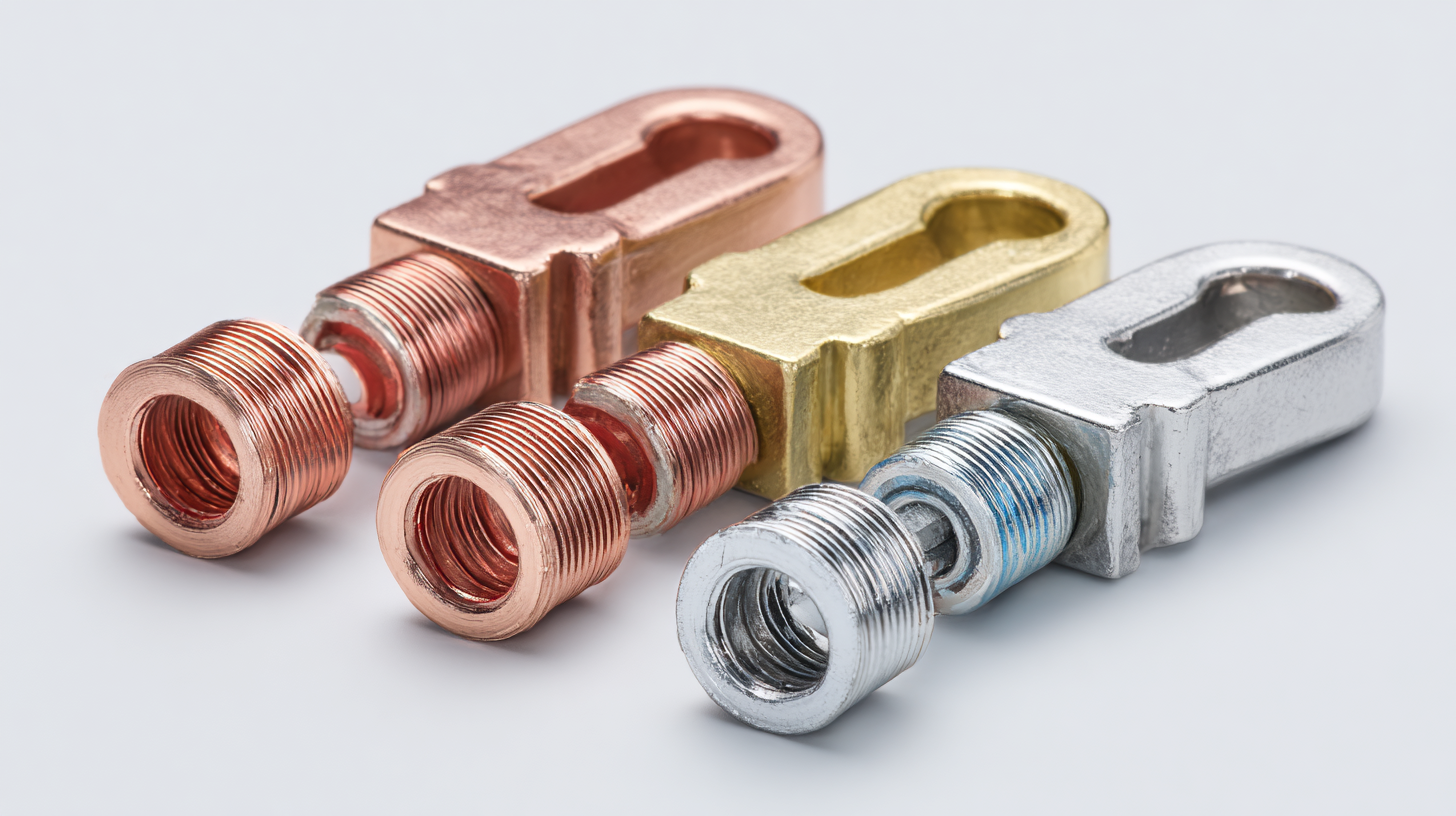
When you're shopping for battery cable lugs, it’s pretty important to pick the right type that fits what you actually need. They come in all sorts of styles, materials, and sizes—each one meant for different uses. For example, Copper Lugs are super good at conducting electricity, so folks often pick those for high-performance setups. On the other hand, aluminum lugs are lighter and resist corrosion, making them a solid choice for cars or boats. Also, don’t forget to think about whether you need crimp or solder-type lugs; each has its own perks when it comes to installation and how reliable they are.
Another thing to keep in mind is making sure the lug actually matches your cable size and type. If you pick one that’s not right, you might run into problems like poor conductivity or even overheating. It’s also smart to check if the lug needs insulation—this is key to preventing any short circuits and keeping everything safe. If you take a moment to consider these points, you'll end up making a smarter choice that keeps your battery system running smoothly and lasting longer.
Understanding Material Compatibility: Common Problems Explained
When you're picking out battery cable lugs, it’s super important to get a handle on what materials they’re made of. That’s because the right match can really make a difference in how well they perform and how long they last. Usually, you’ll see copper and aluminum being used—each has its perks and quirks. For instance, according to a 2022 report from the International Electrochemical Society, copper lugs are better conductors—like, they have about 60% higher electrical conductivity than aluminum. On the flip side, aluminum lugs are usually lighter and more affordable, which is why they’re often chosen for things like cars or renewable energy setups.
But here’s the thing—these metals don’t always get along perfectly. Their different tendencies to oxidize can create some issues, especially galvanic corrosion, which can mess things up if you’re not careful. A study from the 2023 Electrical & Electronics Conference mentioned that using the wrong material pairing can reduce efficiency by around 30% over time—that’s a big deal. To avoid these problems, it’s a smart move to use anti-oxidation compounds and pick connectors that match your lug material. Doing so not only helps your setup last longer but also keeps your electrical system running reliably without unexpected hiccups.
Installation Challenges: Tips for Avoiding Common Mistakes
When you're installing battery cable lugs, it’s pretty common to hit a few snags that can mess with both performance and safety. One of the biggest mistakes people make is not prepping the cable ends properly. Honestly, taking the time to strip the insulation carefully—without nicking or damaging the wire strands—is super important. Using a good-quality cable stripper really makes a difference because that way, you get a nice, clean cut, which helps ensure top-notch conductivity. When the surface is clean and well-prepared, crimping is way easier and more secure—so the lug stays tight and the electrical connection remains solid.
Another thing folks often overlook is the actual crimping step. Many don’t realize that using the right crimping tool for the lug makes all the difference. If you try to get away with a basic tool or don’t apply enough pressure, you risk creating a weak connection that might fail down the line. It’s totally worth reading the manufacturer’s instructions—follow their tips on technique and make sure you squeeze those crimps firmly enough. When done correctly, a good crimp not only makes the connection more reliable but also helps the battery and other components last longer. Basically, knowing these common pitfalls and doing a bit of extra prep can really up your game, ensuring your installation is solid and that everything works smoothly in the long run.
Mastering Battery Cable Lugs: A Comprehensive Guide for Global Buyers
| Dimension | Material | Ampacity | Installation Challenge | Tip for Avoidance |
| 1/0 AWG | Copper | 150 Amps | Poor crimp connection | Use a proper crimp tool |
| 2 AWG | Tin-plated Copper | 115 Amps | Improper wire stripping | Ensure clean wire ends |
| 4 AWG | Copper | 95 Amps | Corrosion over time | Apply dielectric grease |
| 6 AWG | Aluminum | 65 Amps | Inadequate torque | Use a torque wrench |
The Impact of Poor Quality Lugs: Long-Term Consequences to Consider
When it comes to hooking up your battery, the quality of the lugs you choose really matters. Honestly, cheap or poor-quality lugs can cause all sorts of long-term headaches—ones you might not even notice right away. If the materials aren’t up to snuff, they can corrode over time, which ramps up resistance and can cause the cables to overheat. That heat isn’t just a minor inconvenience – it puts a lot of stress on your battery and whole electrical system, and before you know it, you might be facing early failures or decreased performance.
On top of that, bad lugs can mess with your connection, leading to power dips or drops now and then. This can be a real pain, especially in cars or boats, where reliable power isn’t just a luxury—it's a must. Plus, it’s not just about inconvenience; it can be a safety concern or cause unexpected breakdowns, which means downtime and costly repairs.
So, if you’re picking out battery cable lugs, it’s worth it to go for good quality ones that’ll stand the test of time and use. Overlooking this stuff can really come back to bite you down the line, affecting your whole electrical setup.
Bottom line: don't skimp—make informed choices and invest in quality when it counts.
Maintenance Tips to Prevent Common Battery Cable Lug Issues
Taking good care of your battery cable lugs is actually pretty straightforward and can save you a lot of headaches down the line. Just make checking them a regular thing—think of it like giving your car a quick once-over. Look out for any signs of corrosion, like a white crusty stuff around the terminals—that’s a sign you should do something. If you spot it, a simple fix is to mix some baking soda with water and give the lugs a scrub to neutralize any acid build-up. Oh, and don't forget to make sure those cable lugs are nice and snug—loose connections can cause sparks or even get hot enough to melt things, so tight is key.
Also, pay attention when installing them. Picking the right size and type of lug for your cables makes a big difference. And hey, be careful not to over-tighten—cranking down too hard can actually damage the lug. Following the manufacturer's torque specs is a good call. A little dab of dielectric grease can also help keep moisture out and stop corrosion from creeping back in. Basically, if you keep up with these simple tips, your battery cable lugs will stay in better shape longer, and your whole setup will run smoother.
Essential Guide to Choosing the Right Cable Lug for Your Electrical Projects
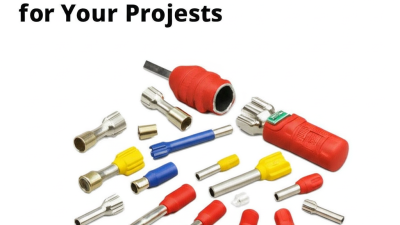
When undertaking electrical projects, whether they are residential, commercial, or industrial, choosing the right cable lug is crucial for ensuring safety and optimal performance. The selection process can often feel overwhelming, but focusing on the key attributes of quality and reliability can simplify your decision. One standout option in the market is the Gaopeng BN Model Connectors, which are specifically constructed for uninsulated butt splicing of electrical wires.
These connectors are made from high-quality copper that features a tin plating treatment, providing not only exceptional electrical conductivity but also enhanced resistance to oxidation and corrosion. This makes them suitable for a variety of environments, ensuring they stand up to the demands of both indoor and outdoor electrical applications. With a commitment to quality, Gaopeng's connectors undergo rigorous testing to meet the highest standards, giving users peace of mind about the integrity of their electrical connections.
Installation is another essential factor when choosing a cable lug, and the Gaopeng BN Model Connectors excel in this area as well. Their compact design allows for quick and hassle-free integration into multiple electrical systems, resulting in a seamless and professional finish. With these connectors, you can ensure that your electrical projects not only meet requirements but also operate reliably for years to come.
FAQS
: A prevalent problem is corrosion at terminal connections, which can lead to starting issues due to ineffective electricity flow.
Regular inspection and maintenance of battery cable lugs can help reduce corrosion, ensuring effective power transmission.
Extreme heat can cause battery swelling and damage to cable lugs, while cold temperatures can also exacerbate connection problems.
Selecting high-quality lugs is crucial as inferior products can lead to poor conductivity and short circuits, affecting overall vehicle performance.
The most commonly used materials are copper and aluminum, each with unique advantages such as conductivity and weight.
Compatibility issues can lead to galvanic corrosion due to different oxidation properties, which may reduce efficiency over time.
Buyers should consider using anti-oxidation compounds and select the appropriate connectors that match the lug type to enhance longevity.
Improperly preparing the cable ends, such as damaging wire strands during insulation stripping, can compromise performance.
Using the right crimping tool for the specific lug type ensures a secure connection, preventing failures and enhancing electrical reliability.
Users should understand common installation challenges, follow manufacturers' guidelines, and ensure a clean, well-prepared surface for optimal conductivity.
Conclusion
When you're trying to get a handle on Battery Cable Lugs, it’s really important for buyers around the world to recognize some common pitfalls and make smarter choices. Picking the right type of lug for your specific needs can make a huge difference—helping to avoid issues with compatibility or tricky installation problems. If you go for low-quality lugs, it could end up causing long-term troubles that affect both performance and safety, which nobody wants. So, paying close attention to these details is pretty much a must.
Also, doing regular maintenance can save you a lot of headaches down the line. As a well-established manufacturer, Yueqing Gaopeng Electric Co., Ltd. is dedicated to delivering top-notch terminals and connectors. We’re proud to serve customers across Asia, Europe, America, and Africa, making sure our products fit varied needs. Since 2016, we've built up a ton of experience, and our goal is to help our customers stay informed so they can make the best decisions when it comes to choosing battery cable lugs.