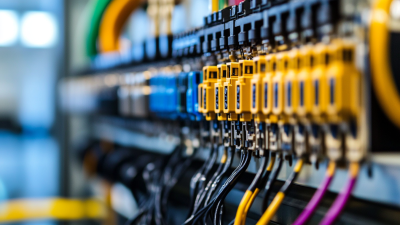
In today’s fast-changing world of electrical connectivity, you really can’t overlook the importance of using high-quality Crimp Type Wire Connectors. Recent industry reports are showing that the global market for these connectors is expected to hit about USD 9.6 billionby 2026. A big chunk of that growth is driven by the strong demand for Crimp Connectors, thanks to theirreliability and performance. As companies look for smarter solutions to meet tough industry standards, Yueqing Gaopeng Electric Co., Ltd., which was founded back in 2016 in Wenzhou, Zhejiang Province, has really made a name for itself. They’re leading the way in designing, developing, and manufacturing a wide range of terminals and connectors. With an annual production capacity running into billions of units, Gaopeng exports their products all over the world — from Asia and Europe to America and Africa. And let’s not forget, industry certifications play a crucial role in making sure their products meet quality and safety standards. This guide is here to help you understand the best practices when it comes to importing Crimp Type Wire Connectors, covering their common uses and pointing out some potential pitfalls with different types out there.
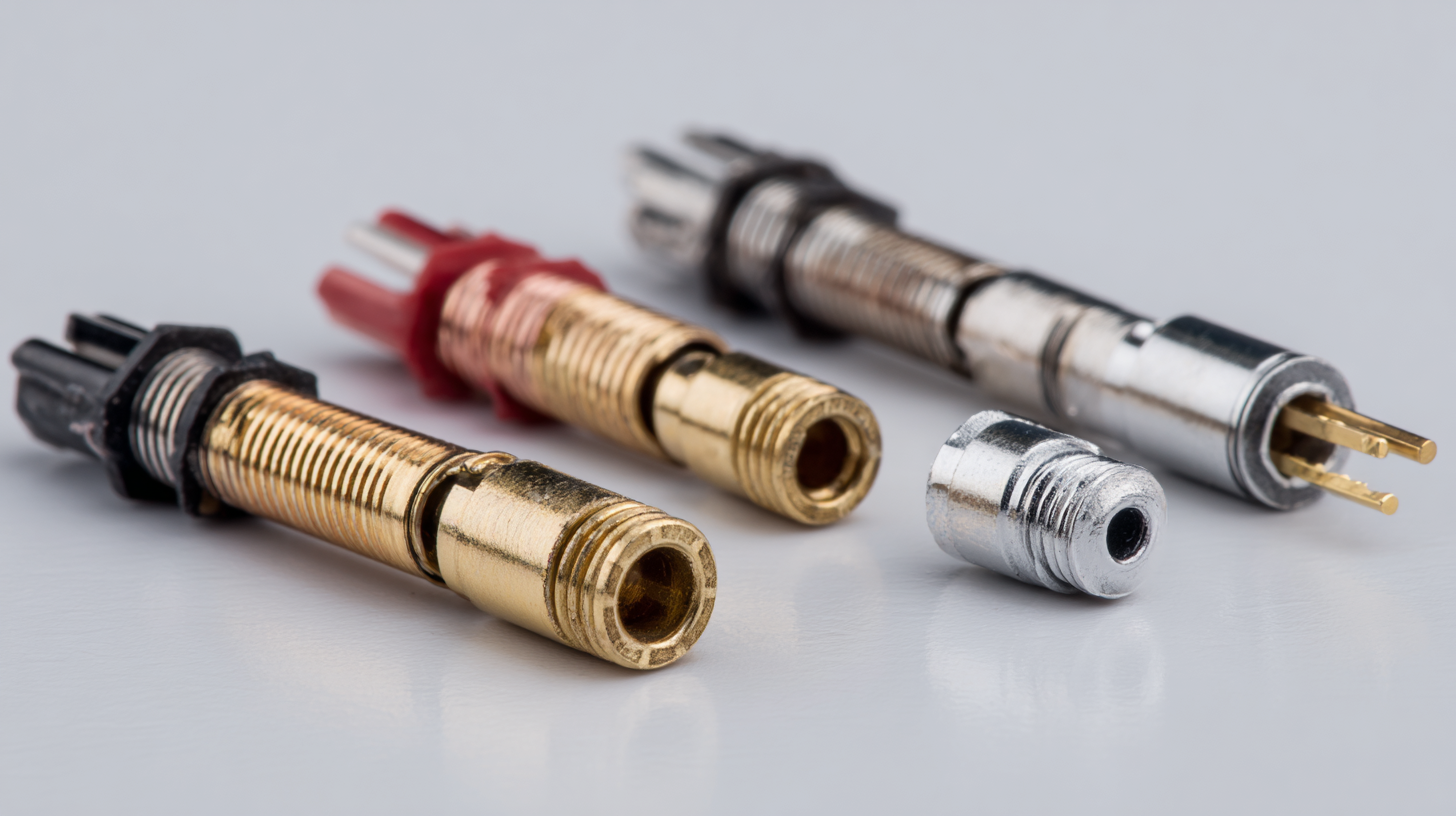
Key Factors to Consider When Importing Crimp Type Wire Connectors
When you're importing crimp-type wire connectors, there are a few key things you really want to keep in mind. These little details can make a big difference in whether your purchase goes smoothly or hits some snags. Did you know that according to industry reports, the global market for wire connectors is expected to grow at about 6.5% annually from 2021 to 2026? That's mainly thanks to improvements in electrical gear and the increasing need for reliable electrical connections across all sorts of applications. To stay ahead of the game, it’s super important to make sure your wire connectors meet the right industry certifications — this helps ensure they're both compliant and dependable.
Another thing you shouldn’t overlook is how you classify electrical equipment when you’re importing. Making sure you label those crimp connectors correctly can save you a lot of headaches — delays, extra fees, you name it. You’ll want to understand their specs, how they’re used in communication systems, and whether they play nice with other electronic parts. As cable harness design gets more and more important, it's a good idea to use design tools to help optimize how those wire connectors are integrated — that way, everything works together seamlessly. Tacking these points can really help streamline your import process and boost the overall performance of your electrical products.
Essential Guide to Importing Best Crimp Type Wire Connectors with Industry Certifications
| Connector Type | Material | Wire Gauge | Certification | Temperature Range | Operating Frequency |
| Standard Crimp Connector | Copper | 22-14 AWG | UL Listed | -40°C to 105°C | Low Frequency |
|
Heat Shrink Crimp Connector | Copper with Heat Shrink Tubing | 22-10 AWG | IEC Compliant | -55°C to 125°C | Medium Frequency |
| Waterproof Crimp Connector | Nickel Plated Copper | 16-12 AWG | RoHS Compliant | -40°C to 105°C | High Frequency |
| Insulated Crimp Connector | Brass | 20-18 AWG | CE Marked | -20°C to 85°C | Low Frequency |
Understanding Different Types of Crimp Connectors and Their Applications
Crimp connectors might not be something everyone talks about every day, but they're actually pretty important when it comes to electrical work. Basically, they help you get a solid, reliable connection between wires—and trust me, that’s a big deal! If you’re trying to pick the right one, it helps to know there are a few main types. The most common ones are insulated and non-insulated connectors. Insulated ones are great if you're working in rougher environments where moisture or dust might mess things up—they come with a protective sleeve that keeps everything sealed up and sturdy. On the flip side, non-insulated connectors are perfect if you're aiming for a more compact setup, like in car wiring where space is tight.
Then there’s the sort of crimping style: standard versus heat-shrink. Standard crimp connectors are pretty simple, which makes them handy for most jobs—no fuss, no extra steps. But they might not stand up as well against harsh conditions. Heat-shrink connectors, on the other hand, are kinda genius—when you apply heat, the plastic shrinks around the wire, sealing it tight and keeping out water and dirt. That means the connection stays good longer, even when things get tough outside. Knowing these little differences actually helps a lot when you're trying to make smart choices—making sure your connections are strong, reliable, and up to code without any surprises down the line.
Importance of Industry Certifications for Wire Connectors
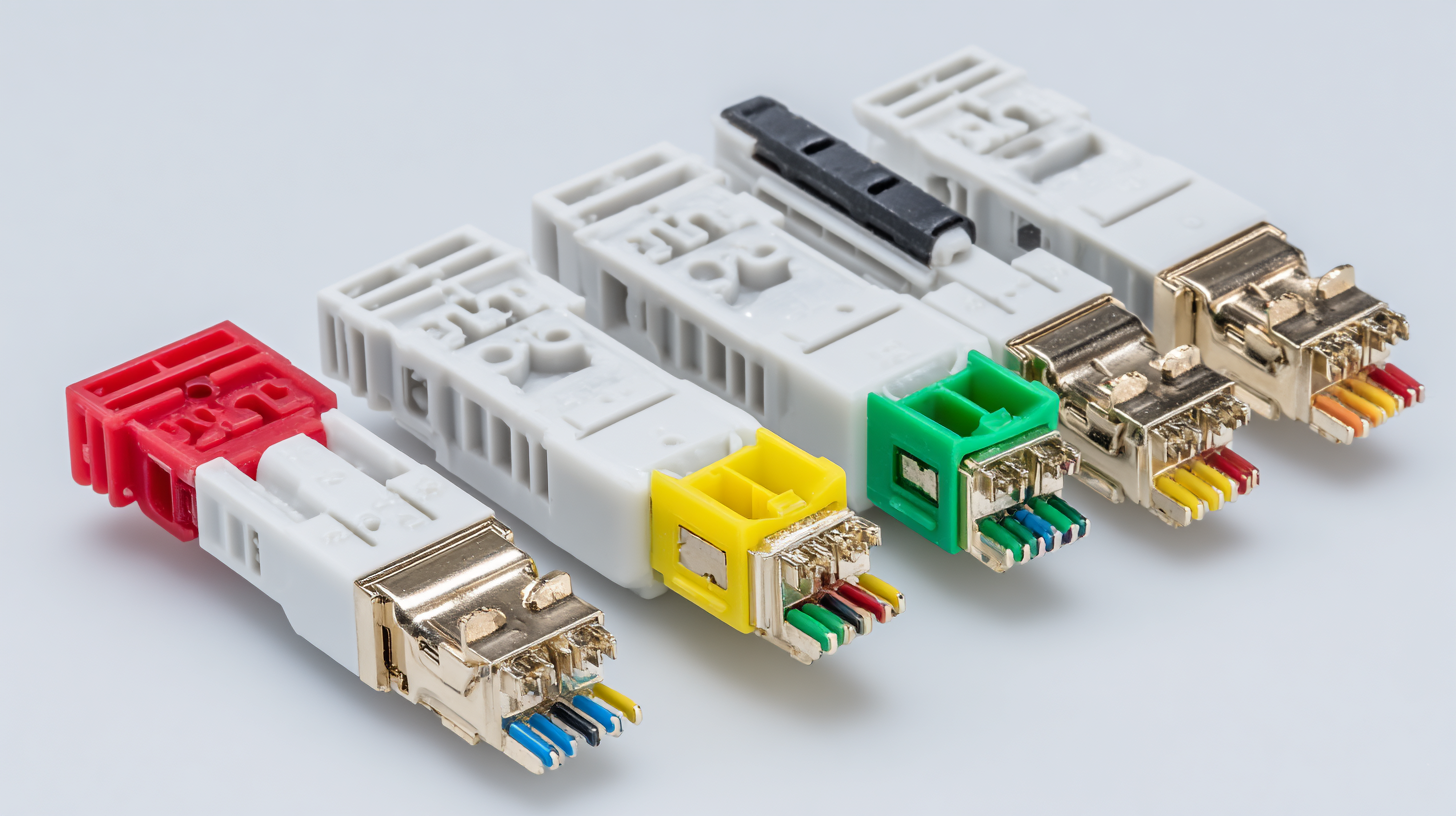
You know, when it comes to wire connectors, having the right industry certifications really matters. They aren’t just fancy labels — they actually help ensure safety, reliability, and solid performance in all kinds of uses. For example, the folks at the International Electrotechnical Commission (IEC) set some pretty strict standards, so when a connector is certified by them, you know it’s built to handle even high-stakes environments—think automotive or aerospace stuff. And honestly, the demand for certified connectors is skyrocketing. MarketsandMarkets even predicts a compound annual growth rate of around 6.5% between 2021 and 2026. That’s mostly because safety laws are getting tighter and you really need durable, top-notch components in today’s complex electrical systems.
Plus, certifications are kind of like a badge of trust — they tell manufacturers and consumers that quality is guaranteed. Take UL certification, for instance — it’s recognized worldwide as a mark of safety and performance. Connectors with UL stamps on them have gone through some serious testing, meaning they can handle extreme temperatures and tough outdoor conditions without failing. A study from the National Electrical Manufacturers Association (NEMA) even says that using certified parts can cut down the chances of electrical failures by up to 30%. As things keep evolving in the industry, it’s pretty clear that certifications will only become more important, nudging manufacturers to focus even more on meeting standards and delivering reliable products.
How to Evaluate Suppliers for Quality and Compliance
When you're importing crimp-type wire connectors, it's really important to check out your suppliers carefully—making sure they meet quality and compliance standards. Start by looking into their certifications. Things like ISO 9001 or other electrical standards that are recognized in your region can tell you a lot. These certifications basically show that the supplier follows strict quality management practices, so you can trust their products to be safe and reliable for different uses.
But don’t just stop at certifications. It’s also a good idea to dig into the supplier’s reputation—see what other customers are saying about them. Reviews and testimonials can give you a better idea of what to expect. A trustworthy supplier will have a clear process for quality control—regular testing and inspections are a must. It’s worth reaching out directly to discuss their compliance procedures and requesting any documentation that proves they’re following the relevant regulations. Doing this kind of homework helps protect your investment and makes sure the connectors you bring in will actually perform well, especially in critical situations.
Navigating Import Regulations and Documentation for Wire Connectors
When you're getting into importing wire connectors, it’s super important to really understand how the whole import process works — especially the rules and paperwork involved. The global trade scene is constantly changing, and that means sticking to the rules has gotten a lot more complicated, especially in places with unique regulations like Southeast Asia. If your company is looking to bring in these connectors, it’s a good idea to get familiar with the specific requirements there, like safety standards and environmental rules. Don't forget, you'll also need to gather the right certifications to prove everything checks out.
And let’s talk about documentation — it’s a big deal. Having all your paperwork accurate and complete can save you a lot of headaches, like delays at customs. Key documents you’ll usually need include import permits, invoices, and certificates showing your products meet the standards. Oh, and since trade policies are always changing, staying updated on any new rules or regulations is crucial. Having some expert help navigating all this stuff can really make the whole import process smoother and less stressful. At the end of the day, good preparation not only avoids hiccups but also helps you run a more efficient and profitable operation with those wire connectors.
Best Practices for Testing and Installing Crimp Type Wire Connectors
Putting in crimp-type wire connectors properly is really key to making sure your electrical connections are solid across different jobs. A lot of experts suggest that before you even start crimping, you should give the connectors a good once-over—make sure they’re certified and up to snuff. You know, recent reports show that messing up the crimp can cause serious issues—actually, about 30% of electrical problems are linked to bad connector installation. So, it’s super important to test them thoroughly—things like pull tests or just a quick visual check—before you turn everything on.
And the market’s changing fast, with new materials and tools coming out all the time to make wire connectors work better and last longer. For example, the latest launches in April 2024 focus on smarter designs that boost shielding and insulation, making the connectors more durable, especially in tough environments. At Yueqing Gaopeng Electric Co., Ltd., where we’ve been producing terminals and connectors since 2016, we really stress following these best practices. We’re committed to quality—making sure our products not only meet industry standards but help our partners boost electrical performance and efficiency all around.
The Ultimate Guide to Using an Automatic Wire Stripper: Efficiency Meets Precision in Your Electrical Projects
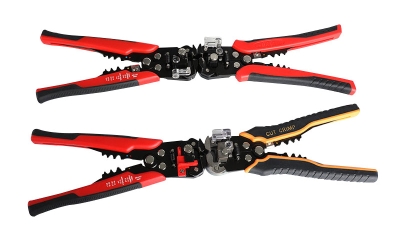
When it comes to electrical projects, efficiency and precision are critical, and using the right tools can make all the difference. The Gaopeng Automatic Wire Stripper stands out as an exemplary choice, implementing 3-in-1 functionality that allows for wire stripping, cutting, and crimping with remarkable ease. Designed for 24-10 AWG wire gauges (0.2-6.0 mm²), this tool offers versatility to cater to various needs, ensuring both professionals and DIY enthusiasts achieve their desired outcomes without compromising on quality.
Industry reports suggest that a significant percentage of electrical failures can be traced back to improper wire handling. In fact, a study by the National Fire Protection Association indicates that faulty electrical wiring causes thousands of house fires annually. By utilizing an automatic wire stripper like the Gaopeng GP-BX series, users can achieve precise cuts and strips, minimizing the risk of damaging wires and enhancing overall safety. The SK5 blades ensure durability and sharpness that professionals rely on, ensuring clean and efficient action every time.
Moreover, with the ability to crimp terminals of 22-10 AWG (0.5-6 mm²), this tool eliminates the need for multiple devices, streamlining your workflow. Reports from the Electrical Contractors Association emphasize that working with high-quality tools not only boosts productivity but also leads to better craftsmanship. Adopting the Gaopeng Automatic Wire Stripper in your toolkit can significantly enhance your electrical project outcomes, marrying efficiency with precision for truly successful results.
FAQS
: Key factors include ensuring compliance with industry certifications, correctly classifying the connectors for customs, and understanding their applications and compatibility with other components.
Evaluating suppliers for quality and compliance ensures that the products meet industry standards and are reliable and safe for use.
Look for industry-recognized certifications like ISO 9001 and specific electrical standards relevant to your region to indicate adherence to quality management practices.
Seek testimonials and reviews from previous customers and assess the supplier’s track record in the market for quality and compliance.
Best practices include performing pull tests, conducting visual inspections, and ensuring that connectors meet industry certifications before deployment.
Improper crimping can lead to significant failures; reports indicate that about 30% of electrical faults are attributed to poor connector installation.
New materials and tools can enhance performance and reliability, improving shielding and insulation which contributes to the longevity of the connectors.
Installers should conduct thorough inspections to confirm that the connectors meet industry certifications and perform effective testing methods.
Design tools help optimize the integration of wire connectors, ensuring seamless connectivity and functionality within electronic systems.
Direct engagement allows you to discuss compliance processes and request documentation that proves adherence to relevant regulations, safeguarding your investments.