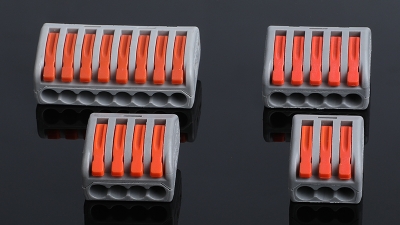
Hey there! As we start looking ahead to 2025, it’s pretty exciting to see how Butt Connectors have evolved. I mean, it really shows how much innovation isn’t slowing down in the electrical components world. With technology changing so fast, the future for these handy connectors isn’t just about making reliable connections; it’s also about boosting efficiency and making production processes more sustainable.
Take Yueqing Gaopeng Electric Co., Ltd., for example. Founded in 2016 in Wenzhou city, Zhejiang Province, they’ve really made a name for themselves in designing and manufacturing all sorts of terminals and connectors, including those butt connectors we know and love. Their production is quite impressive, racking up billions of connectors each year, and they export to places like Asia, Europe, America, and Africa!
You can bet Gaopeng is ready to implement new strategies that will shake up the butt connector market. In this blog post, we’re going to dive into the cool innovations we can expect in butt connectors and chat about effective strategies that could really make 2025 a groundbreaking year.
Emerging Technologies Revolutionizing Butt Connector Designs
You know, the whole world of butt connectors is really changing these days, all thanks to some cool new technologies that are making them better than ever. I came across this industry report from MarketsandMarkets, and it’s pretty eye-opening: the global electrical connectors market is expected to hit a whopping USD 98.3 billion by 2025. A big chunk of that growth is due to improvements in connector design, including our good old butt connectors! They’re now using new materials, like heat-shrinkable polymers and conductive adhesives, which are really shaking things up in terms of durability and performance. This means manufacturers can make connectors that can handle some pretty tough environments without breaking a sweat, which is a game changer for reliability.
And let’s not forget about automation and smart manufacturing. A recent study by Technavio highlighted that bringing in Industry 4.0 technologies could ramp up connector manufacturing efficiency by as much as 30% by 2025. That’s huge! This shift is driving better precision in how butt connectors are designed and put together, leading to fewer failures and much happier customers. With all these advancements, it's crucial for companies to get on board with these cutting-edge manufacturing techniques and materials if they want to stay in the game. It’s an exciting time to be in this industry!
Future Innovations in Butt Connectors (2025)
Integrating Smart Features into Traditional Butt Connectors
As we head into 2025, we're really on the brink of something cool with butt connectors. You know, those little guys that have been super reliable for linking wires? Well, they’re about to get a major upgrade with some smart features that could totally change the way we use them. Imagine a connector that not only keeps your electrical connections safe but also tracks things like electrical flow, temperature, and resistance in real-time! That's some serious gamer level data for everyone from pros to DIY enthusiasts. It’s a real game-changer for safety and efficiency, plus it gives us the chance for predictive maintenance, which means we can make our electrical systems last even longer.
And here’s another thought: what if butt connectors could communicate wirelessly? Just picture it – using Bluetooth or Wi-Fi to ditch the messy cables during installation or troubleshooting. You’d be able to pull up diagnostic info right on your phone or tablet, making it a breeze to spot and fix issues. This whole movement towards smart butt connectors really points to a future that's all about more connected electrical systems, where seamless integration and that real-time data are key. As demand for these innovative solutions keeps rising, it’s going to be crucial for manufacturers to keep up, so they can deliver what consumers are looking for in this increasingly digital age.
Evaluating Material Innovations for Enhanced Durability and Performance
You know, in this fast-changing world of Electrical Connectors, the materials we use really make all the difference when it comes to making butt connectors that last. It’s exciting to think that the market is expected to boom, possibly hitting a whopping $2.5 billion by 2025! Based on what the experts are saying, manufacturers need to really step up their game with these cutting-edge materials. For example, mixing thermoplastics with conductive metals can seriously boost resistance to things like corrosion and mechanical stress, which is super important for keeping those connections strong in all sorts of environments.
Here at Yueqing Gaopeng Electric Co., Ltd., we’ve been all about innovation since we opened our doors back in 2016, and it’s really put us ahead in the terminals and connectors scene. With our annual production capacity reaching billions of units, we’re not just trying to meet industry standards—we’re aiming to blow them out of the water! We’re always experimenting with high-performance polymers and alloy enhancements to keep our products top-notch. This commitment to upping our material game not only makes our butt connectors more reliable but also supports those global sustainability goals. Plus, we’re not just focused on Asia; we’re looking to expand into Europe and the Americas too!
Strategies for Overcoming Common Challenges in Butt Connector Applications
As we head into 2025, it’s pretty clear that the demand for butt connectors is on the upswing, which brings along a mix of exciting opportunities and a few headaches, too. One of the biggest hurdles we face is making sure our electrical connections are reliable, no matter what kind of environment they find themselves in. To tackle this, manufacturers really need to hone in on choosing materials that can handle temperature swings and moisture like champs. Using the latest coating technologies can help boost the lifespan of these connectors, making sure they keep performing well even in tough conditions.
Another challenge we often run into with butt connectors is getting the installation techniques just right to keep failure rates low. Offering solid training programs for technicians can make a huge difference in how well those connections hold up. And let’s not forget about investing in user-friendly tools that make installation a breeze! These tools can help dodge those pesky common mistakes, which means a much higher chance of achieving solid connection integrity. By focusing on these strategies, businesses can really ramp up customer satisfaction and set themselves up for success in the competitive electrical components market by 2025.
Forecasting Market Trends in Butt Connectors for 2025
Looking ahead to 2025, it’s pretty clear that the butt connector market is set to change quite a bit. People are really pushing for solutions that are not just more efficient and reliable, but also kinder to the environment. Because of this, we’re seeing some exciting innovations in the materials being used and how these connectors are made. Manufacturers are really stepping up their game, focusing on improving electrical performance and durability. They want to create products that don't just meet, but actually blow past the current safety standards. Plus, with the growing popularity of renewable energy and electric vehicles, there are loads of new opportunities popping up for butt connector applications. This is definitely nudging the industry towards more specialized designs that can handle different wiring scenarios.
Now, if companies want to thrive in this fast-paced market, they've got to get their strategies right. A big part of that will be ramping up research and development to keep up with all the tech advancements and shifting consumer preferences. Also, collaborating with end-users for feedback and product testing is a smart move—it can lead to designs that actually meet people’s needs. And let’s not forget how important sustainability is these days. Embracing eco-friendly practices in production and throughout the product’s life cycle can really resonate with customers who care about the planet and will help boost brand loyalty. So, by keeping an ear to the ground on these trends and adjusting their strategies accordingly, manufacturers can really set themselves up as front-runners in the evolving world of butt connectors by 2025.
Future Innovations in Butt Connectors and Effective Strategies for Success in 2025 - Forecasting Market Trends in Butt Connectors for 2025
| Dimension | 2023 Estimates | 2024 Forecast | 2025 Prediction |
| Market Size (Million $) | 320 | 350 | 400 |
| Growth Rate (%) | 5.0 | 9.3 | 14.3 |
| Key Innovations | Thermal Performance Enhancements | Eco-Friendly Materials | Smart Connectors |
| Main Applications | Automotive | Industrial Equipment | Renewable Energy |
| Region with Highest Demand | North America | Europe | Asia-Pacific |
Case Studies: Successful Implementation of Innovative Connector Solutions
You know, as the need for more reliable and efficient electrical connections keeps rising, we're seeing some pretty cool innovations in butt connectors. Some industry leaders have shared their success stories about using these advanced connector solutions that not only boost performance but also add a layer of safety. Take, for example, this recent report from the National Electrical Manufacturers Association (NEMA). It shows that using insulated butt connectors has slashed failure rates by a whopping 30% in high-vibration environments. That really proves just how tough and reliable these connectors can be in demanding situations.
One standout example is a major automotive manufacturer that decided to use heat-shrink butt connectors on their production line. This switch cut down their assembly time by about 25%! Plus, it really helped improve the overall quality of their electrical connections. A study from the Institute of Electrical and Electronics Engineers (IEEE) found that this change not only made their manufacturing process smoother, but it also led to a major drop in warranty claims related to electrical failures. These cases really show how important innovative connector solutions are for pushing industry standards forward and helping companies thrive in the future.
Maximize Your Electrical Connections with Lever Wire Connectors: A Complete Guide to Benefits and Applications
Lever wire connectors have revolutionized the way electrical connections are made, providing a seamless blend of efficiency and safety. The GP-21 Series by Gaopeng exemplifies this advancement with its high-quality copper construction and reliable insulation. Rated for 250V and 32A, these connectors are engineered to handle significant electrical loads, making them ideal for various residential and commercial applications. According to a report from the National Electrical Manufacturers Association (NEMA), the demand for safer and more efficient wiring connectors has surged, reflecting a broader industry trend towards enhanced energy management systems.
The progression towards lever wire connectors is not just about convenience; it significantly improves installation times and reduces the risk of connection failures. Traditional twisting and soldering methods are being phased out, as they are more prone to human error. Studies show that leveraging connectors can decrease installation time by up to 50%, which is crucial in projects where deadlines are tight. The GP-21 Series stands out, especially for professionals in the industry, due to its robust design that ensures a firm grip on wires, which contributes to long-lasting performance and reduced maintenance needs.
In an era where safety and efficiency are paramount, selecting the right connectors can make a significant difference. Lever connectors like those in the Gaopeng line not only meet but exceed industry standards for performance and safety, as validated by numerous industry safety reports. As more electricians and engineers turn to innovative solutions, the GP-21 Series positions itself as a vital component in modern wiring systems, embodying the shift towards smarter electrical connections.
FAQS
: The butt connector market is expected to evolve significantly, driven by demand for efficient, reliable, and environmentally friendly solutions, leading to innovations in materials and manufacturing processes.
Manufacturers are focusing on enhancing electrical performance and durability, developing products that not only meet but exceed current safety standards.
The rise of renewable energy sources and electric vehicles is creating new applications for butt connectors, encouraging specialized designs for unique wiring environments.
Emphasizing research and development is crucial for companies to keep pace with technological advancements and changing consumer needs.
Collaboration with end-users for feedback and product testing can lead to more user-centric designs, enhancing product relevance and performance.
Manufacturers can embrace sustainable practices in production and product lifecycle management to attract environmentally-conscious customers and build brand loyalty.
The adoption of insulated butt connectors has reduced failure rates by 30% in high-vibration environments, demonstrating their robustness in demanding applications.
The integration led to a 25% decrease in assembly time and improved the overall integrity of electrical connections, contributing to a significant reduction in warranty claims due to electrical failures.
Case studies show that innovative connector solutions enhance performance and safety, driving operational success and advancing industry standards.
Staying attuned to emerging trends allows manufacturers to align their strategies effectively, positioning themselves as leaders in the evolving butt connector landscape by 2025.