Leave Your Message
When you're working with electrical connections, making sure everything's reliable and lasts over time is a big deal, right? That's why Heat Shrink Butt Connectors have become a popular pick among pros. They’re really good at tackling common issues like moisture, vibration, or corrosion — problems that can mess with traditional connectors. Did you know? A recent report from MarketsandMarkets says the global connector market might hit around $170 billion by 2025. And a big reason for that growth? The rising demand for heat shrink tech, since it performs so well even in tough environments. Oh, and if you haven't heard of Yueqing Gaopeng Electric Co., Ltd.—they've been around since 2016 and are pretty much a leader in designing and making all sorts of terminals and connectors. They've got an impressive production capacity, producing billions of these every year. So, as we take a look at the seven best heat shrink butt connectors out there, our goal is to share some useful insights—highlighting their advantages and helping you pick the right ones for your electrical projects to keep everything running smoothly.
When you're choosing heat shrink butt connectors for solid electrical connections, there are a few key things to keep in mind that can really boost their performance and lifespan. A good quality connector should have this inner adhesive lining—it's what gives it that watertight seal, which is pretty important. Also, make sure the connectors are made from corrosion-resistant materials; that way, they'll last longer, especially if you're working outdoors or in tough conditions.
Here's a little tip: when you're dealing with low-voltage wiring, it’s super important to pick the right size of connector for your wire gauge. Getting that fit just right means less resistance, and that means fewer problems down the line. When you heat it, do it evenly—it helps activate the adhesive inside, ensuring the seal is tight. Oh, and if possible, go for connectors with a clear outer insulation. It’s handy because you can peek inside and make sure everything looks good before wrapping things up.
If safety's a big concern—like in marine or outdoor setups—look for connectors that offer excellent moisture protection. These little features make a big difference in keeping things working smoothly, no matter what kind of environment you're in. If you focus on these points, you'll end up with connections that are reliable and built to last a long time.
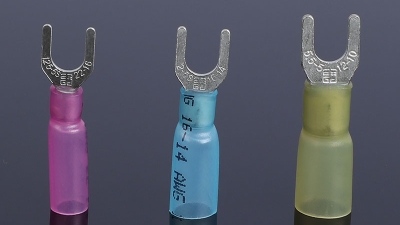
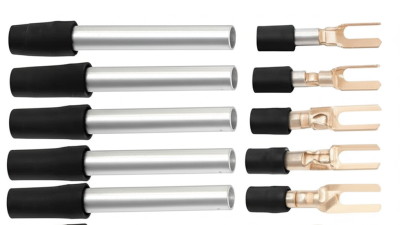
When it comes to enhancing electrical connections, the choice of terminals plays a crucial role in ensuring durability and reliability. One standout option is the Gaopeng heat shrink waterproof fork terminals, specifically the models HSV1.25, HSV2, and HSV5.5. Using these terminals can significantly improve the safety and longevity of your electrical systems, making them perfect for both professional and DIY applications.
The primary feature of these terminals is their waterproof design, which provides a barrier against moisture and environmental factors that can lead to corrosion and electrical failures. Made from high-quality copper, these fork terminals not only ensure excellent conductivity but also offer robust resistance to wear and tear. By opting for Gaopeng terminals, you can rest assured that your electrical connections will remain secure and effective under various conditions.
In addition to their waterproof capabilities, the heat shrink technology used in these terminals provides an added layer of protection. When heat is applied, the insulation material shrinks to create a tight seal around the terminal, preventing any contamination and enhancing overall connection strength. Whether you're working on automotive, marine, or industrial projects, Gaopeng’s heat shrink waterproof fork terminals deliver the reliability and performance necessary to keep your electrical systems running smoothly.
: Heat shrink butt connectors are electrical connectors that provide secure connections while resisting moisture and corrosion, making them ideal for various applications, including automotive wiring.
Look for connectors with a strong adhesive lining for watertight seals, corrosion-resistant materials, and clear insulation exteriors for visual inspection.
Select connectors that match the wire gauge for a snug fit, which minimizes resistance and potential failures in your electrical connections.
You will need a professional crimper and a heat gun, as well as an electrical moisture sealant for optimal performance.
Strip the ends of the wires uniformly, insert them into the connector, crimp securely, and then evenly apply heat to shrink the connector and create a watertight seal.
Even heating activates the adhesive inside the connector properly, ensuring a strong bond and effective sealing against moisture.
Yes, using connectors designed with excellent moisture protection is essential for outdoor applications to ensure durability and performance.
Yes, applying electrical sealant around the ends before shrinking provides additional protection against moisture, especially in environments prone to water exposure.
Choose connectors with clear insulation exteriors, which allow you to visually check the integrity of your work after application.