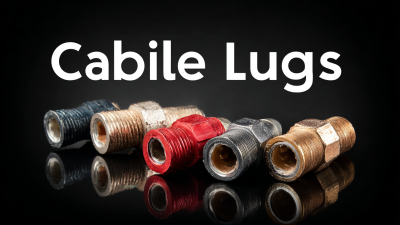
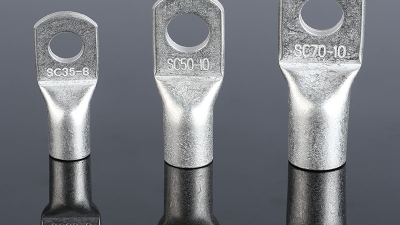
In today’s fast-changing world of electrical connections, choosing the right battery Cable Lugs is more important than ever. They play a huge role in making sure your setup works reliably and stays safe, no matter what you're working on. I recently came across a market update that says the global demand for these lugs is expected to grow at a pretty steady rate—about 6.5% annually from 2021 to 2026. That’s mainly because more industries, like automotive, renewable energy, and various manufacturing sectors, are pushing for better, more advanced electrical solutions.
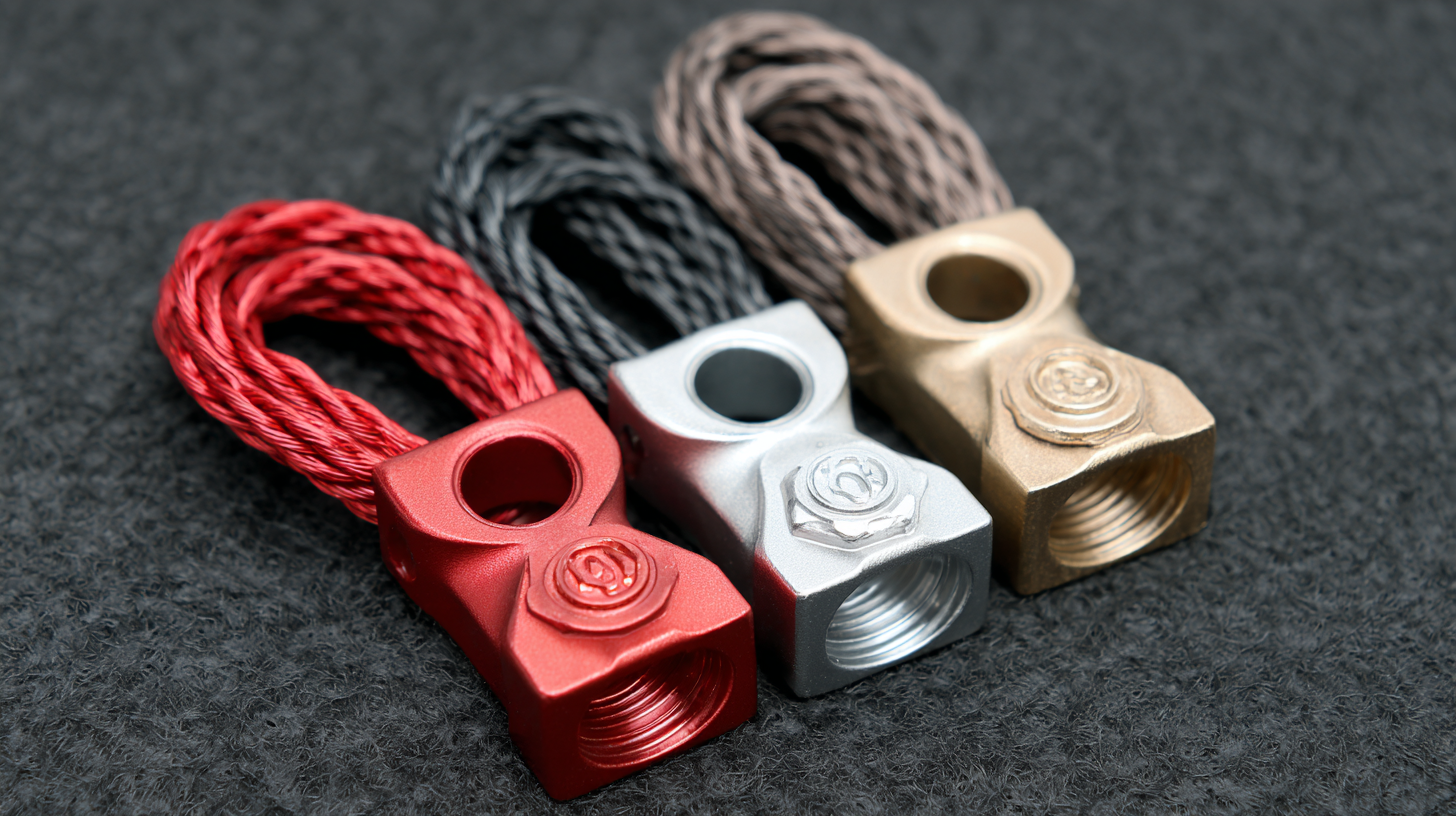
Here at Yueqing Gaopeng Electric Co., Ltd., we started back in 2016 in Wenzhou, Zhejiang. Our thing is designing and manufacturing top-quality terminals and connectors, including battery cable lugs. We’re pretty proud of our work—producing billions of units each year, which find their way to markets all over Asia, Europe, the US, and Africa. If you’re trying to pick the best battery cable lugs for your project, it’s super important to understand the different types out there and what each one is best suited for. Getting this right can make a huge difference in the long run.
Impact of Industry 2025 Tech Trends on Battery Cable Lug Specifications
Looking ahead to where battery tech is headed, it’s pretty clear that Industry 2025 trends are really starting to influence the specs for battery cable lugs. With electric vehicles gaining popularity, more renewable energy setups popping up, and new battery storage options coming onto the scene, the need for top-notch battery cable lugs has never been more important. These aren’t just simple connectors; they’re vital for making sure energy flows smoothly and safely across all sorts of applications.
Thanks to advancements like low-resistance materials and coatings resistant to corrosion, these lugs are becoming more durable and reliable. Plus, as gadgets and electronics get smaller and sleeker, the demand for compact, lightweight lugs that still deliver good conductivity is on the rise. Manufacturers are also working on designing lugs that can handle higher temperatures and tough environmental conditions — really evolving with the needs of modern batteries. All these industry trends and tech innovations are shaping what battery cable lugs will look like and how they’ll perform in the future. For businesses, it’s pretty much essential to stay in the loop and adapt their choices accordingly to keep up with these changes.
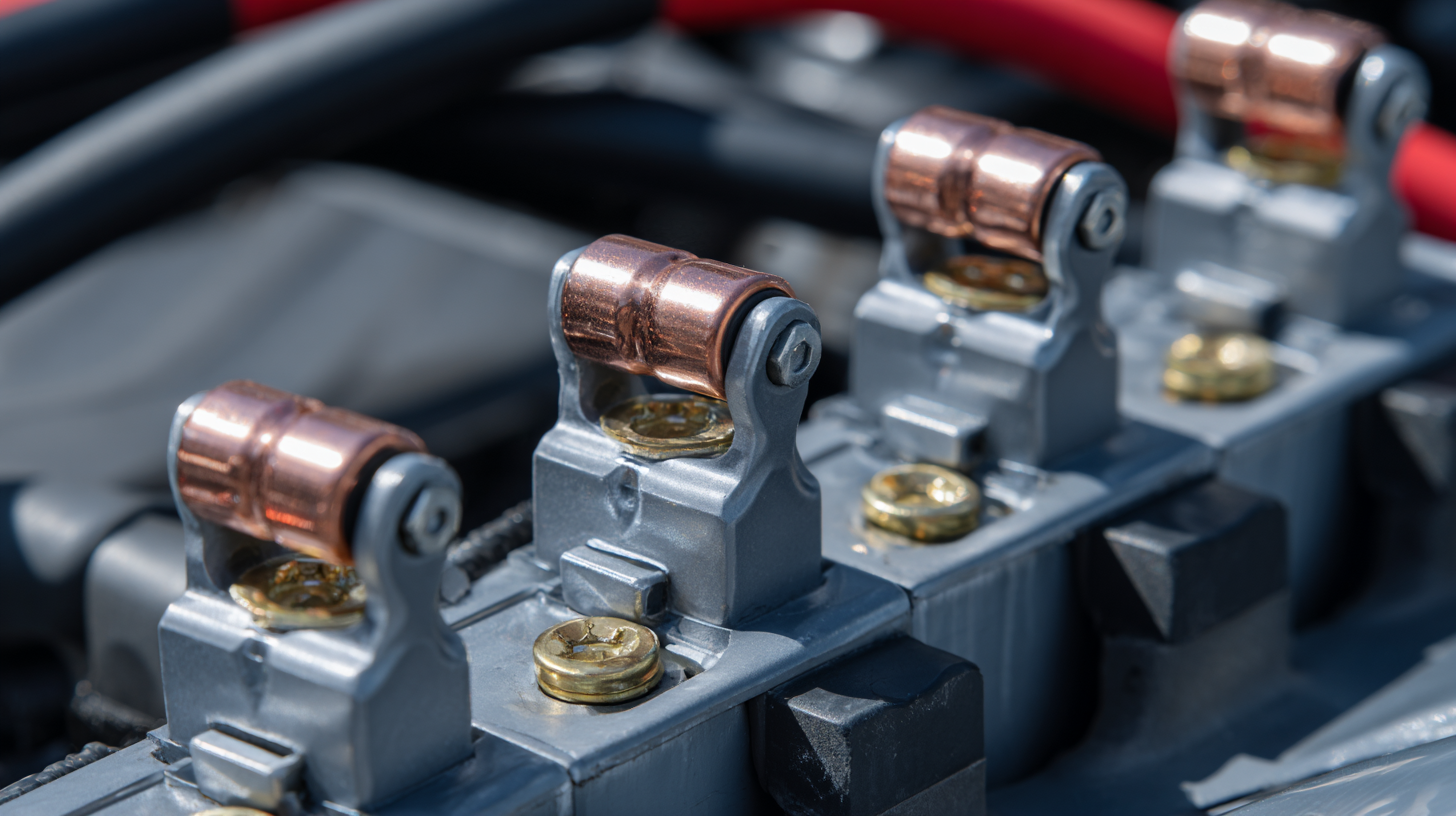
Understanding Material Composition: A Key Factor in Selecting Battery Cable Lugs
When you're choosing battery cable lugs, it’s pretty important to get a good handle on what they’re made of. Usually, folks go with copper or aluminum—each one has its own perks. Copper Lugs, for example, are awesome because they have lower electrical resistance and are fantastic conductors. That makes them perfect for high-performance setups. The Electrical Safety Foundation International even points out that copper's conductivity hits about 97%, while aluminum clocks in at around 61%. That huge difference is a big reason why experts often recommend copper for those critical electrical connections—it's just more reliable.
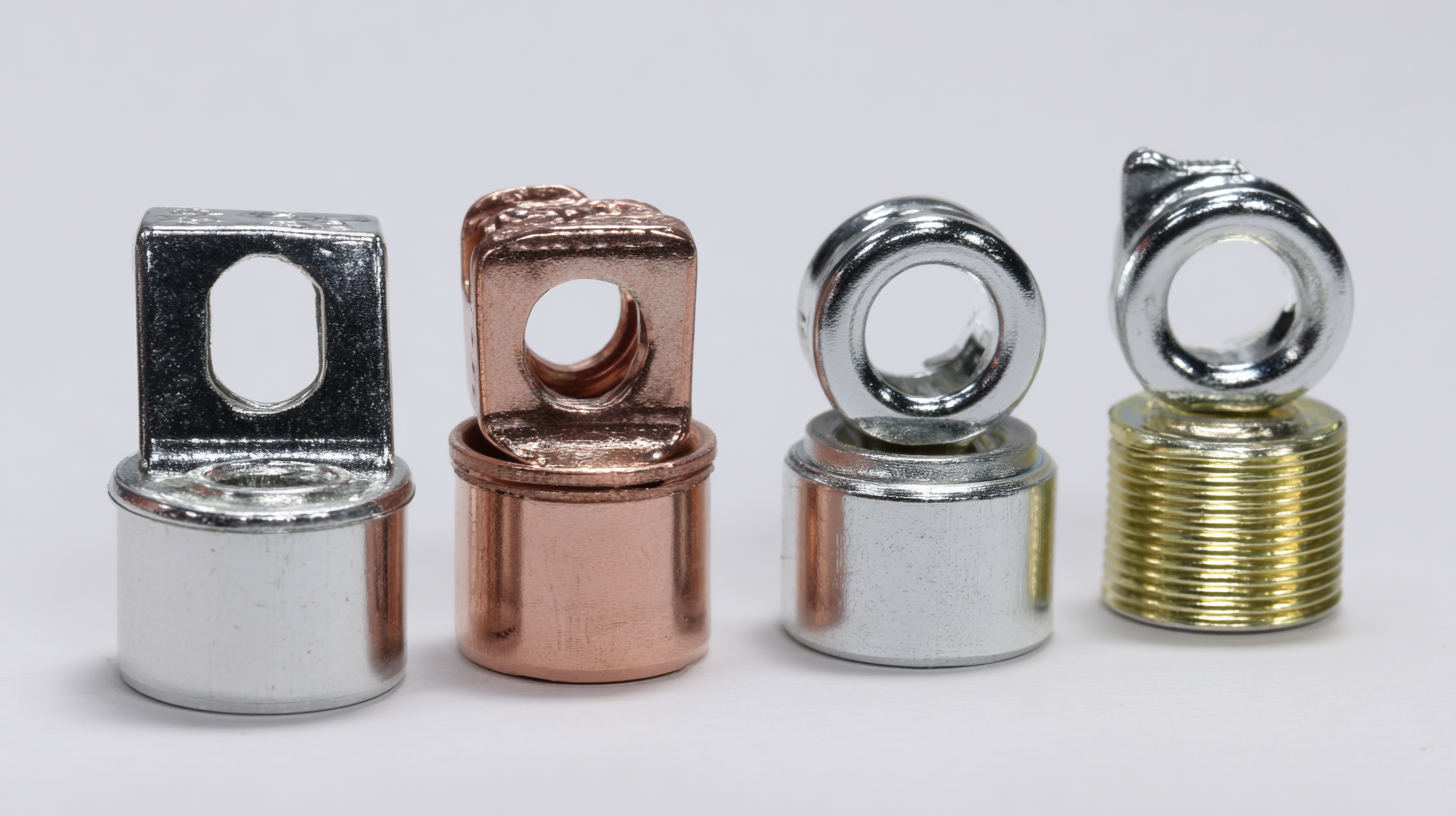
Now, aluminum lugs are lighter and tend to be cheaper, so they’re often the go-to choice when weight’s a concern or you’re watching costs closely. But, heads up—aluminum expands more when it heats up, which can cause some connection problems down the line if you’re not careful. The Wire Association International mentions that picking the right material isn’t just about price—it’s about making sure your connections last and work well over time. By thinking about where and how you’ll be using it, you can pick the best option and keep your battery system running smoothly. Bottom line? Choosing the right lug material can really make a difference in how well your electrical system performs and how long it lasts.
Electrical Conductivity Ratings: Why They Matter in Your Cable Lug Choice
When you're picking out battery cable lugs, it's really important to get a good grasp on their electrical conductivity ratings. Basically, these ratings tell you how well a material can carry electricity — and that’s a big deal because it directly impacts how well your entire electrical setup performs and how reliable it is. For instance, copper is usually a better conductor than aluminum, so it's often the go-to choice when you need something that can handle high performance. Picking the right material isn’t just about getting good current flow; it also helps keep things cool by reducing heat. That way, you lower the chances of overheating or stuff going wrong down the line.
Also, the conductivity rating isn’t just about performance—it influences the size and thickness of the lugs you’ll want to use. Higher ratings mean you can go smaller with your lugs but still keep up with the current loads. This comes in super handy, especially when you're trying to save space or cut down on weight—think automotive projects or portable energy setups. So yeah, whenever you're buying battery cable lugs, don’t forget to check out those conductivity ratings. Making a smart choice here can really boost the efficiency and lifespan of your connections, keeping your system running smoothly under load.
Choosing the Right Size: How Ampacity Influences Battery Cable Lug Performance
When you're choosing battery cable lugs, it’s really important to get the size and ampacity just right if you want everything to work smoothly. Ampacity is basically how much current a wire or connection can handle safely before it starts to break down or gets damaged—no one wants that! Picking the correct size lug is also a big deal because it directly influences conductivity and safety. For example, if the lug is too small for your wire, it can lead to overheating and even failure. On the flip side, going for a lug that's too big might mean it doesn’t grip the wire securely, which can cause loose connections and headaches down the line.
A good rule of thumb? Check what kind of amperage your setup needs. Make sure the lug you pick can handle at least that much current—better safe than sorry, right? The fit matters, too. You want it to be snug so it doesn't arc or lose contact. Also, don’t forget about where you'll be using these cables. If they’re going to be exposed to moisture, extreme heat, or rough conditions, you'll want to pick lugs made with the right materials and coatings to handle all that.
And honestly, investing in high-quality battery cable lugs pays off big time — they can really extend the life of your entire battery system. Whether it’s for your car or a stationary setup, making the right choice can make a huge difference in how reliable and efficient everything runs.
Industry Standards and Certifications: Ensuring Quality in Battery Cable Lugs
When you're picking out battery cable lugs, it really pays to understand the industry standards and certifications out there. I mean, organizations like the American National Standards Institute (ANSI) and Underwriters Laboratories (UL) have set guidelines to make sure these lugs are safe and meet performance expectations. Basically, these standards help verify that the lugs can handle heavy electrical loads and tough environments — which is super important, whether you're dealing with cars or industrial equipment.
And don’t just stop at ANSI and UL. It’s a smart move to look for lugs that also follow international standards like ISO 9001. If it’s ISO 9001 certified, that’s a good sign the manufacturer is really serious about quality management systems. That kind of guarantee just adds an extra layer of confidence that the products will last and perform well. Honestly, when you go for battery cable lugs that tick all these boxes, you’re making a safer, smarter choice that will keep your electrical systems running smoothly and last longer. Checking those certifications is basically your way of making sure you’re getting the real deal and avoiding the frustration of equipment failure down the line.
Top Strategies for Choosing the Best Battery Cable Lugs
Future Innovations: What to Expect in Battery Cable Lug Technology by 2025
Looking ahead to 2025, it's pretty exciting to see how battery cable lug tech is set to shake things up in the renewable energy scene. With all these new smart materials and innovations rolling out, manufacturers are likely to craft lugs that not only boost connectivity and overall performance but also get tougher and more efficient for different energy uses. You can expect to see some smarter designs too, ones that make installation quicker and resist the elements better—perfect for meeting the rising demand for reliable, long-lasting energy solutions.
It’s also pretty clear that collaborations between tech firms and the renewable industry are becoming a thing. They’re combining the latest innovations with traditional parts, which is pretty cool to watch. Companies like Gaopeng Electric will really need to keep pushing their R&D game if they want to stay relevant, especially as electric vehicles and green energy systems continue to grow. The whole focus on sustainability and efficiency is pushing the development of battery cable lugs that can handle the increased push for cleaner energy. It’s all about staying in the game and being ready for whatever the future holds.
Top Strategies for Choosing the Best Battery Cable Lugs for Your Needs - Future Innovations: What to Expect in Battery Cable Lug Technology by 2025
| Criteria | Details |
| Material | Copper, Aluminum |
| Current Rating | Up to 200A, 300A, 600A |
| Temperature Resistance | -55°C to 125°C |
| Crimp Style | Standard, Dual, Insulated |
| Innovative Features Expected by 2025 | Smart connectors, Enhanced corrosion resistance, Environmentally friendly materials |
| Compliance Standards | UL, IEC, ISO |
Essential Guide to Choosing the Right SC Cable Lugs for Your Electrical Projects
Choosing the right SC cable lugs for your electrical projects is crucial for ensuring reliable and efficient power transmission. One of the top contenders in the market is a military-grade product forged from C11000 copper, boasting an impressive 99.9% conductivity purity. With a resistance of less than 0.05mΩ at 200A, these lugs surpass traditional stamped designs by 40%, making them an ideal choice for high-load applications where performance is non-negotiable.
Additionally, these lugs are designed with triple-proof construction to ensure durability and longevity. The corrosion defense features a 20µm tin layer that withstands over 1000 hours of salt spray, making them suitable for extreme environments. The serrated barrel design locks the cable in place, effectively addressing vibrations up to 20G, while the thermal armor can endure temperatures reaching 150°C, ensuring they remain operational in demanding conditions.
Precision compatibility is another key highlight, with laser-etched sizing ranging from 0.5mm² to 630mm², catering to various project requirements. With M3-M22 stud holes, these lugs offer versatility and ease of installation, making them a top choice for professionals looking to enhance the reliability of their electrical systems.
FAQS
: Electrical conductivity ratings indicate how efficiently a material can conduct electricity, impacting the performance and reliability of your electrical system. Higher conductivity materials, like copper, ensure optimal current flow and minimize heat generation.
Higher conductivity ratings allow for smaller lugs to maintain adequate current capacity, which is essential for optimizing space and weight in applications such as automotive or portable energy systems.
Ampacity refers to the maximum amount of electric current a conductor can carry before sustaining damage. Choosing the right size lug that matches the ampacity of the cable is crucial to prevent overheating and ensure safe, reliable connections.
You should assess your specific amperage requirements, ensure the lug is rated for the same ampacity as the cable, ensure a snug fit to prevent arcing, and consider environmental factors like moisture or extreme temperatures.
Investing in quality battery cable lugs significantly enhances the longevity and performance of your battery system, ensuring efficient and reliable operation in automotive applications or stationary setups.
Look for battery cable lugs that comply with standards from organizations like ANSI and UL, as well as international standards such as ISO 9001, ensuring that the lugs meet safety, performance, and quality benchmarks.
Certifications provide assurance that the lugs can withstand high electrical loads and harsh conditions, helping consumers make informed choices that enhance the safety and longevity of their electrical systems.
Using a lug that is too small can cause overheating and failure, while an oversized lug may not secure effectively, leading to loose connections and potential arcing issues.
Yes, exposure to moisture, extreme temperatures, and other environmental conditions can dictate the materials and coatings needed for battery cable lugs to ensure their durability and functionality.
Selecting the appropriate battery cable lugs based on conductivity ratings, ampacity, and industry certifications ensures reliable power transfer, reduces overheating risks, and enhances the performance efficiency of electrical connections.