Spade Connectors might seem pretty simple, but trust me, they’re actually pretty important when you’re dealing with various electrical projects. Their design makes it super easy to plug them in or pull them out when needed. If you want your installation to go smoothly, it’s really helpful to get a good grasp of the different types out there and what they’re used for.
You’ve probably noticed that spade connectors come in a bunch of styles and sizes. Each one is designed for a specific purpose, so picking the right one can actually save you a ton of time and hassle. Sometimes, folks overlook those tiny differences that, honestly, can make a big difference in how well everything works.
Figuring out which spade connector to go for isn’t just about picking something random — you’ve gotta think about things like wire gauge and what kind of application you’re working on. It’s easy to slip up or make a mistake when choosing, but taking the time to consider these factors usually leads to better results and fewer headaches in your projects.
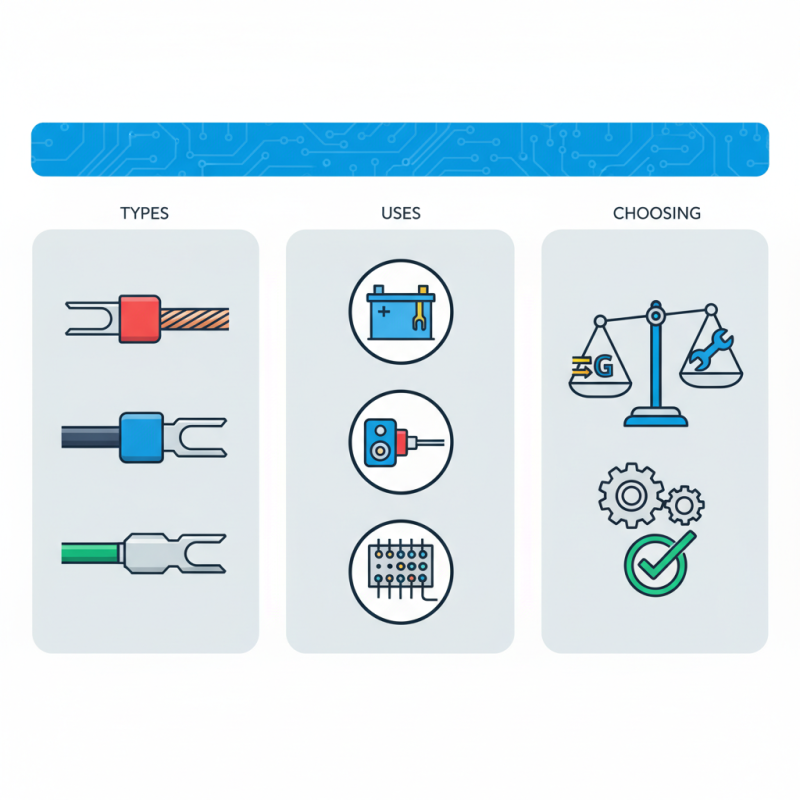
Types of Spade Connectors and Their Features
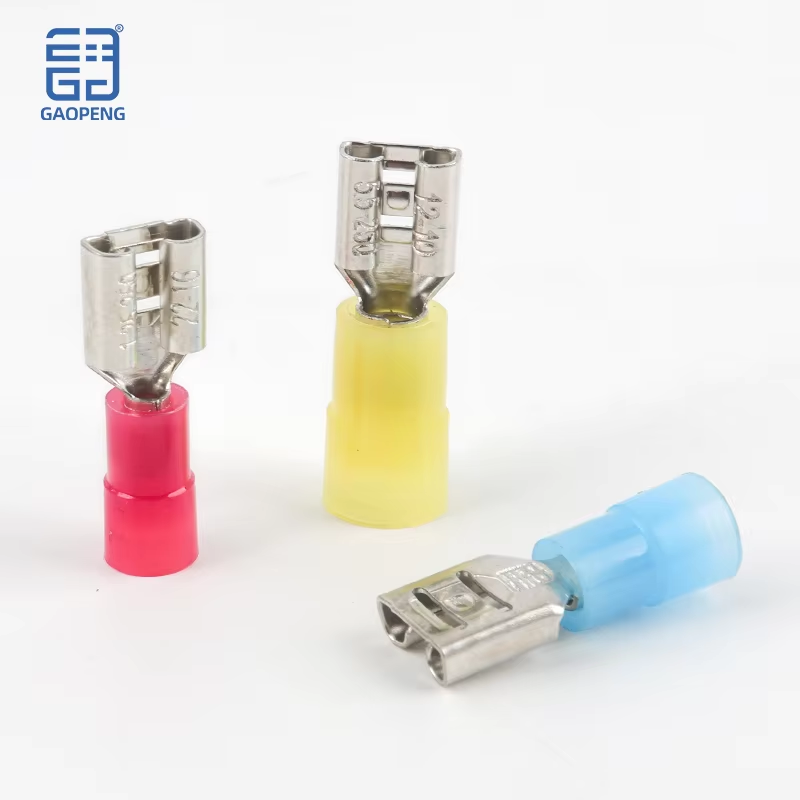
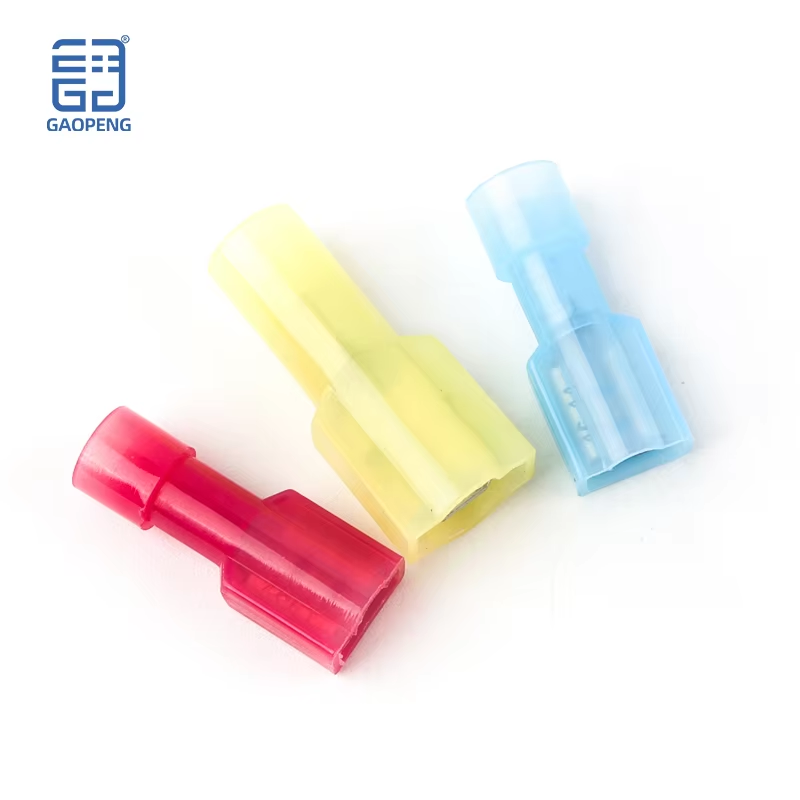
Spade connectors are essential components in various electrical applications. They provide a secure and stable connection. These connectors come in different types, each serving specific functions. Among the most common types are insulated and non-insulated spade connectors. Insulated connectors protect against accidental contact. They are widely used in automotive and household applications. Non-insulated connectors offer flexibility but require careful handling.
Features of spade connectors vary significantly. For instance, the thickness of the metal can influence conductivity. According to industry data, connectors with thicker blades show better performance in high-current applications. Additionally, the material quality matters. Brass connectors are popular for their corrosion resistance. Yet, they may not be ideal for all environments. It’s crucial to consider the application when selecting a connector.
Choosing the right type often involves weighing benefits and limitations. One might favor size, while another prioritizes conductivity. Proper research is vital, as a wrong choice can lead to malfunction. Even with clear specifications, users sometimes overlook compatibility issues. Understanding these features can transform the use of spade connectors in various projects.
Common Applications of Spade Connectors in Electrical Projects
Spade connectors are essential in various electrical projects. They provide a reliable connection between wires and terminals. These connectors are often used in automotive applications, household wiring, and other electrical systems. Their flat shape allows easy attachment and detachment, making them convenient for many users.
One common application is in car audio systems. Spade connectors connect wires to speakers and amplifiers. These areas require secure connections to handle vibrations and motion. Proper use of spade connectors ensures efficient sound quality. However, users should be cautious. Cheap connectors may lead to poor connections and sound issues.
In home wiring, these connectors are frequently found in light fixtures and outlets. They help in managing multiple wires with ease. But, improper installation can cause short circuits or failures. It’s crucial to choose the right size for your wire gauge. Using the correct connector enhances safety and performance. Consider these factors to avoid future problems.
Benefits of Using Spade Connectors Over Other Types
Spade connectors offer unique advantages for various electrical applications. They are easy to use and provide secure connections. According to recent reports, spade connectors have a failure rate of less than 1% when properly installed. This reliability is crucial in industries like automotive and telecommunications.
One major benefit of spade connectors is their versatility. They can be used in tight spaces where other connectors might not fit. This flexibility simplifies installation, especially in complex wiring systems. Additionally, spade connectors are less prone to corrosion due to their surface area, which is a significant issue with other connector types.
Ease of disconnection is another significant factor. Spade connectors allow for quick changes without damaging wires. This can save time during repairs or upgrades. In field studies, workers report a 30% reduction in downtime when using spade connectors over traditional methods. Despite their advantages, it's essential to choose the right size and type for your specific needs. Incorrect selection can lead to inefficient performance, which highlights the need for careful consideration.
Factors to Consider When Choosing Spade Connectors
When selecting spade connectors, several crucial factors come into play. The type of wiring and intended application greatly influence the choice. A report by the Electrical Connector Association highlighted that improper connector selection can lead to a 15% reduction in overall efficiency. This statistic emphasizes the need for careful consideration when choosing connectors for your projects.
Wire size is an essential aspect. Spade connectors come in various sizes to accommodate different wire gauges. Using the incorrect size can create poor connections, risking both performance and safety. It’s advisable to refer to the American Wire Gauge (AWG) standards for proper sizing. Also, consider the material. Copper is a common choice due to its excellent conductivity, while some applications benefit from tinned copper for corrosion resistance.
Tips: Always check the current rating of your selected spade connectors. Ensure it matches or exceeds the requirements of your application. Invest in a quality multimeter to test connections regularly. No one wants unexpected failures later due to overlooked aspects.
The environmental conditions where connectors will be used should also be reviewed. Indoor and outdoor applications may require different kinds of protection against moisture, dust, and temperature variations. A study from the Institute of Electrical and Electronics Engineers (IEEE) found that up to 20% of connector failures stem from environmental factors. Thus, choosing connectors that can withstand your specific conditions is vital for long-term reliability.
Step-by-Step Guide to Properly Install Spade Connectors
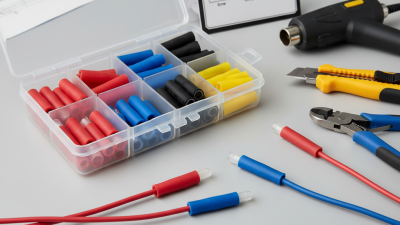
Installing spade connectorscan seem daunting, but a systematic approach simplifies the process. Begin by gathering the necessary tools: Wire Strippers, a crimping tool, and a heat shrink tube. Ensure you have thecorrect spade connectors for your specific wire size. According to industry reports, using a connector that matches the wire gauge optimizes conductivity and reduces the risk of failure by up to 30%.
Strip the wire end to expose enough copper for the connector. Length is critical—usually around ¼ inch will suffice. Slide the spade connector over the wire, then use the crimping tool. It should create a firm grip. A common error is under-crimping, which can lead to electrical resistance. Consider a visual inspection; there shouldn’t be any visible gaps between the connector and the wire.
Once crimped, apply heat shrink tubing over the connection, ensuring no bare metal is exposed. Heating the shrink wrap can prevent moisture ingress, a factor that degrades electrical connections over time. An estimated 10% of electrical failure incidents stem from poor moisture protection. In conclusion, take your time during installation. Small mistakes can lead to significant setbacks.
Maintenance Tips for Ensuring Longevity of Spade Connectors
To ensure the longevity of spade connectors, routine maintenance is vital. Inspect them regularly for signs of wear or corrosion. These connectors are widely used in various applications, so cleanliness is key to their durability. Dirt and grime can cause poor connections and increase resistance, leading to heat and potential failure.
One useful tip is to clean the connectors with a soft cloth or brush. This removes any dust or debris that may compromise their performance. Avoid using abrasive materials, as they can scratch the surface. Proper handling can also make a difference. Always grip the connector by the insulated part, not the metal spade. This prevents damage and ensures a secure fit.
Storing spade connectors properly is crucial as well. Keep them in a dry, cool place to avoid rust and other moisture-related issues. Use a designated box or organizer to avoid tangling and physical damage. Sometimes, connectors can get misplaced or damaged over time, so a good organizational system is essential. Taking these small steps can help keep your connectors functioning optimally.
Understanding Spade Connectors: Types and Usage
Safety Precautions When Working with Spade Connectors
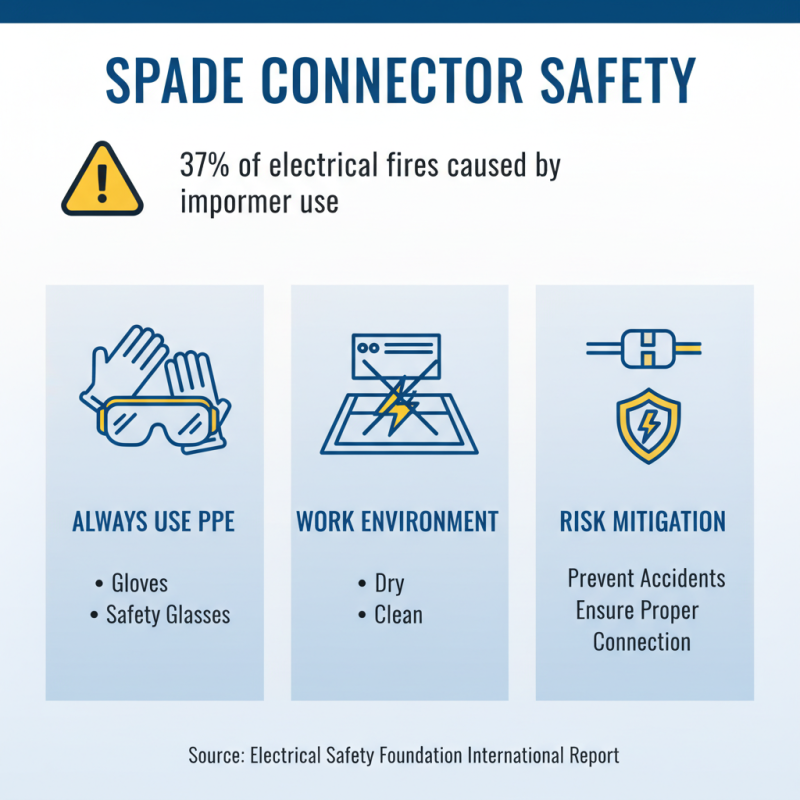
When working with spade connectors, safety should always come first. According to a report by the Electrical Safety Foundation International, improper usage of connectors leads to 37% of electrical fires. To mitigate risks, ensure you wear appropriate personal protective equipment (PPE), including gloves and safety glasses. It's crucial to work in a dry and clean environment to avoid unexpected mishaps.
One common mistake is not disconnecting power sources before making any connections. This oversight can result in severe injury or fatalities. Always double-check that the circuit is de-energized. Additionally, verify that the connectors are suitable for the specific application. Using connectors inappropriately can lead to overheating, which contributes to equipment failure and safety hazards.
Regularly inspect spade connectors for signs of wear or damage. Corrosion can lead to increased resistance and overheating. A study from the International Association of Electrical Inspectors emphasizes that 15% of electrical failures are linked to connector issues. If you notice any unsatisfactory conditions, it's time to replace the connectors and possibly re-evaluate your method of installation. Remember, attention to detail can significantly impact overall safety and effectiveness in your electrical projects.
Understanding the Benefits and Installation of Heat Shrink Waterproof Female Connectors for Reliable Connections
Heat shrink waterproof female connectors are essential components for ensuring reliable electrical connections in a variety of applications. These connectors are designed to provide a robust barrier against moisture and environmental factors, making them ideal for use in automotive, marine, and industrial settings. Understanding the benefits of these connectors can significantly enhance the longevity and performance of electrical systems.
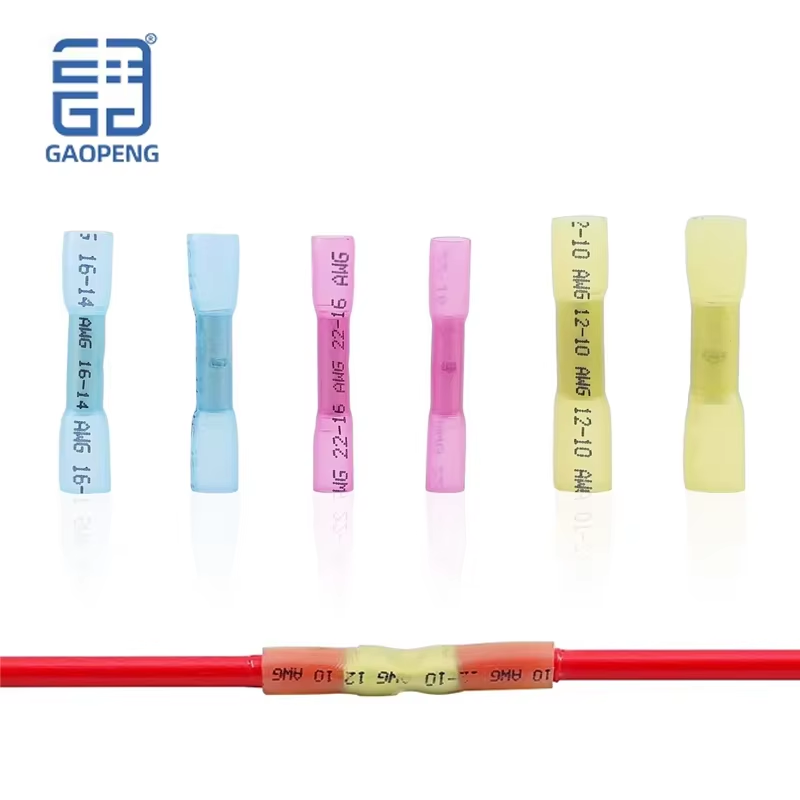
One of the standout features of heat shrink waterproof female connectors is their construction. Typically made from durable materials like brass and insulated with a PE heat shrink tube, these connectors offer a shrinkage ratio of 3:1, allowing them to tightly conform to different wire sizes. This tight seal not only aids in preventing water ingress but also ensures a secure and stable connection. By using heat shrink technology, these connectors create a protective sheath around splices and joints, safeguarding them from corrosion and wear over time.
Installation of these connectors is straightforward and does not require specialized tools. With the application of heat, the tubing shrinks and forms a watertight seal, providing peace of mind for users who rely on consistent performance. Investing in high-quality waterproof female connectors can lead to fewer maintenance issues and an overall improvement in the reliability of electrical connections, ensuring that systems function efficiently even in challenging environments.
FAQS
: The article aims to provide insights and guidance on using various tips effectively.
The content is intended for individuals seeking practical advice and learning opportunities.
No specific tools are highlighted; the focus is on general strategies and suggestions.
You can incorporate small changes daily. Start with one or two suggestions that resonate with you.
No, you can pick what feels right for you. Not every tip will fit everyone’s situation.
Reflect on what went wrong. It’s okay to discard what doesn’t suit your needs.
Yes, many forget to adapt tips to their unique context. Personalization is key.
Regularly reviewing is helpful. Consider weekly or monthly assessments of your progress.
Absolutely. Adaptation is essential as life circumstances change and evolve.
Yes, sharing can foster discussions and help others gain insights too.
Conclusion
The article "Understanding Spade Connectors: Types, Uses, and Choosing the Right One" provides a comprehensive overview of spade connectors, detailing their various types and features. Spade connectors are commonly used in electrical projects due to their ability to create secure, easily removable connections. The article highlights the advantages of using spade connectors over other types, emphasizing their reliability and convenience.
When selecting the appropriate spade connector, factors such as gauge size, material, and application are crucial considerations. A step-by-step guide on the proper installation of spade connectors is also included, ensuring users can achieve optimal results. Additionally, maintenance tips are provided to extend the longevity of these connectors, alongside essential safety precautions to follow during installation and use. Overall, the article serves as an informative resource for anyone looking to enhance their knowledge and skills related to spade connectors.