



Blogs
The Unsung Heroes of EV Infrastructure: Navigating Waterproofing and Reliability for Charging Pile Connections
EV chargers face rain, snow, and extreme vibration. Explore the essential technical specs for waterproof terminals in charging pile infrastructure and why long-term reliability is key to EV adoption.
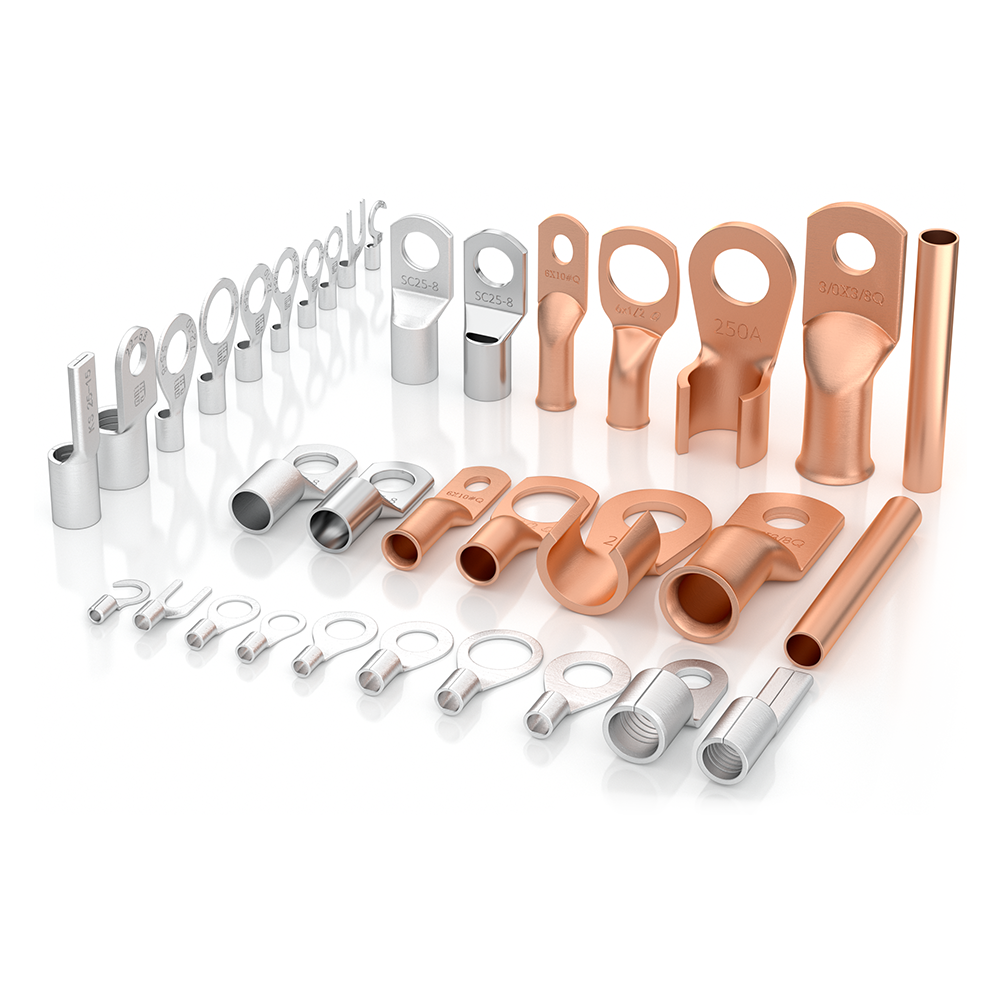
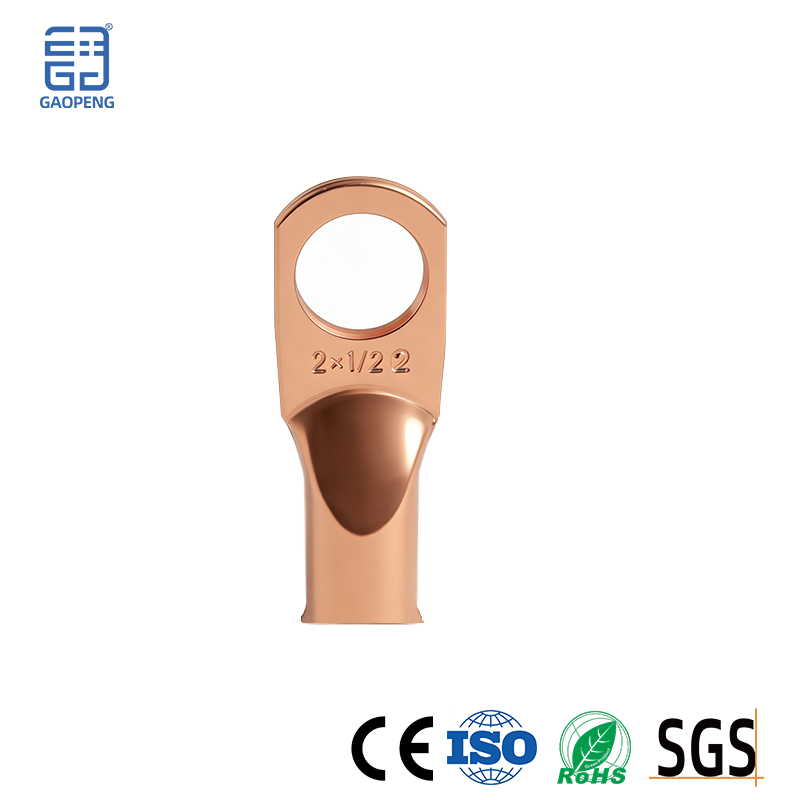
Thermal Safety in High-Current Industrial Gear: The Crucial Role of T2 Copper Purity and Annealing in SC Cable Lugs
In high-load industrial panels, a cheap lug is a fire hazard. Learn about the thermal conductivity of T2 copper SC terminals and how precision annealing prevents terminal cracking under stress.
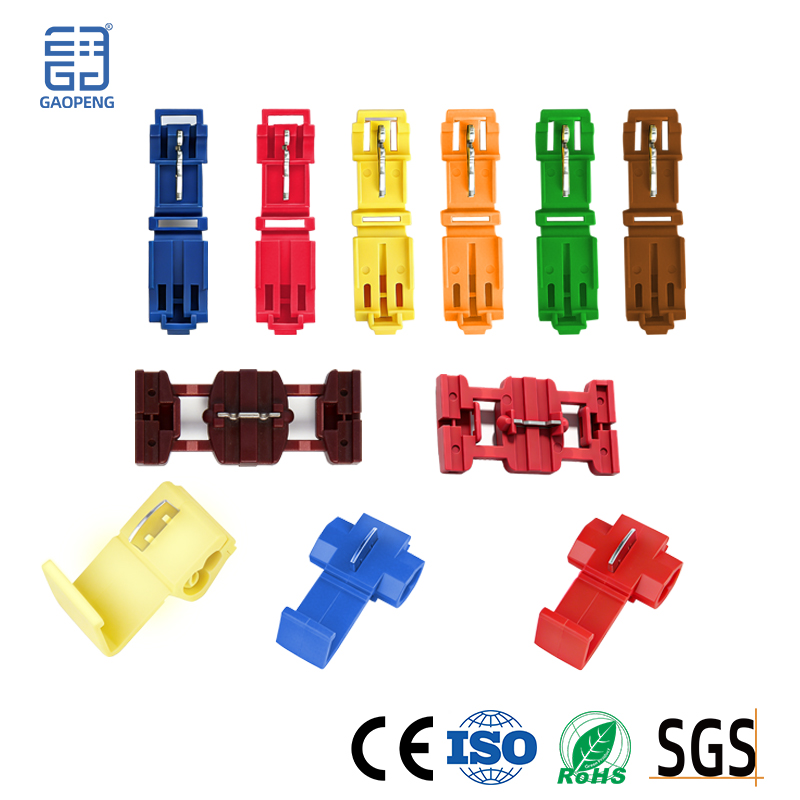
Reducing Labor Costs in Wire Harness Assembly: The ROI of T-Tap & Quick Splice Connectors
Tired of slow stripping and taping? Discover how T-Tap and Quick Splice connectors streamline automotive wiring, reduce human error, and cut assembly time by up to 60%.
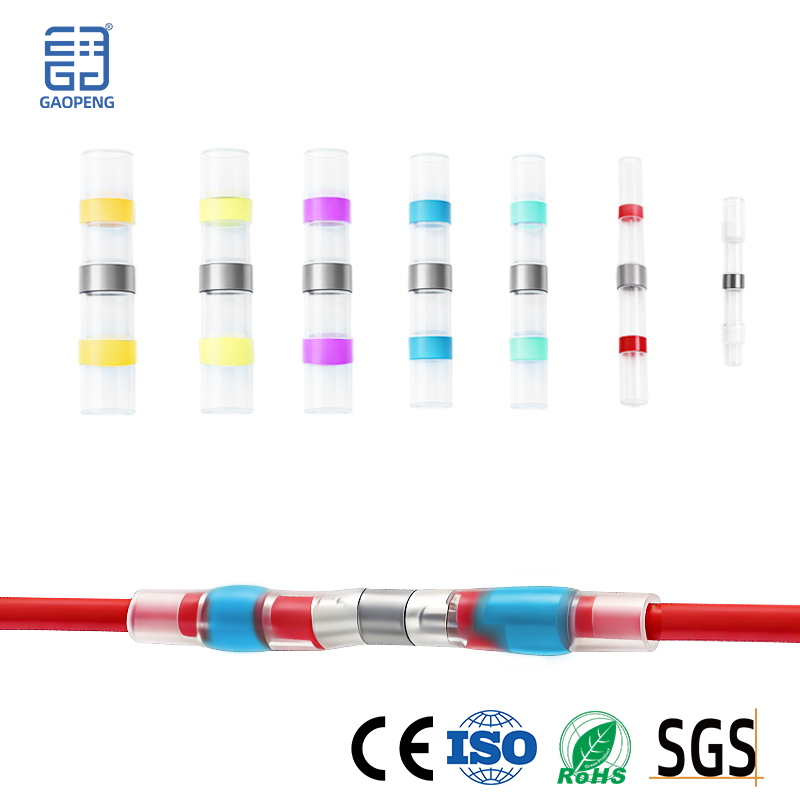
Marine Salt Spray Corrosion: Why Adhesive-Lined Heat Shrink Terminals Are Non-Negotiable
Struggling with "green crust" and voltage drops in marine wiring? Learn how salt spray destroys electrical systems and why double-wall heat shrink connectors from Gaopeng Electric provide the ultimate seal.
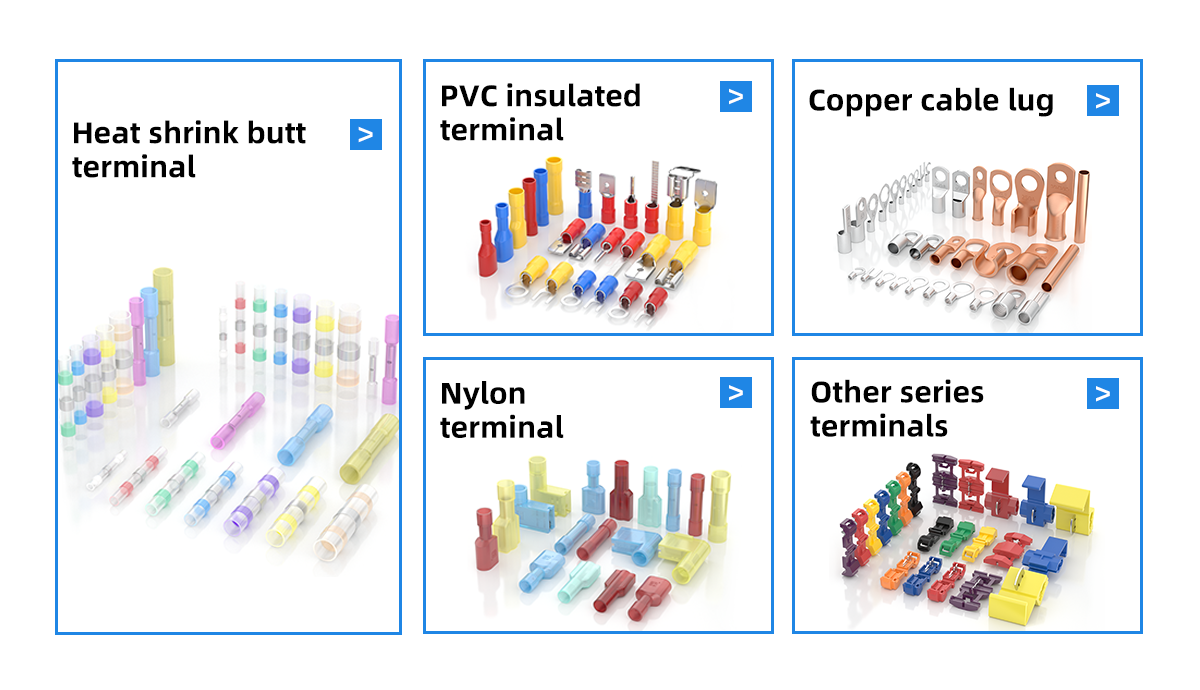
Heat Shrink vs PVC vs Nylon Insulated Terminals: Which One Survives Your Application?
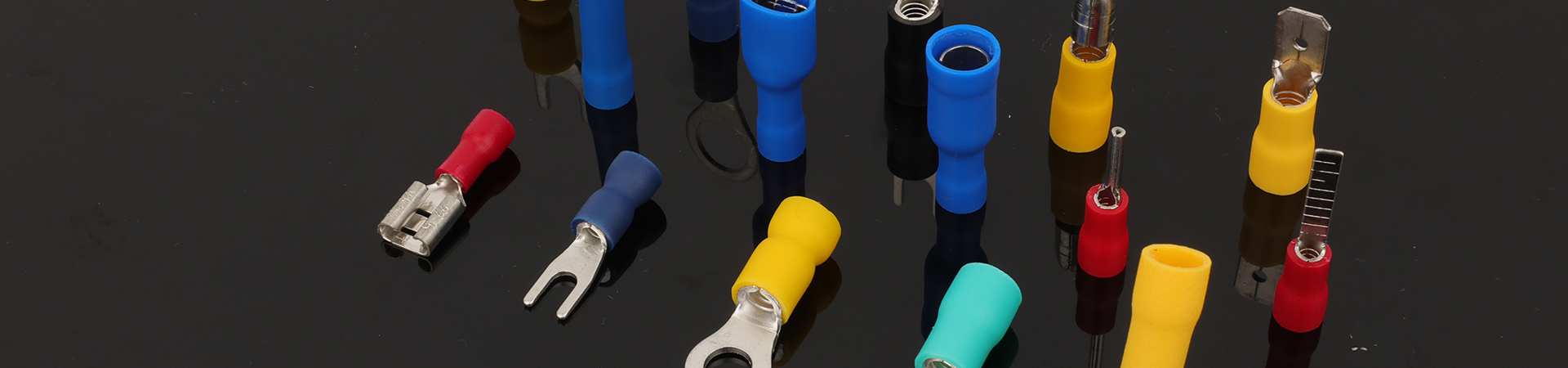
When a buyer asks us for "insulated crimp terminals," the first follow-up question we send back is almost always the same: PVC, nylon, or heat shrink? The three sleeves look similar in a catalog photo but they behave very differently the moment they leave the factory. Pick the wrong one and you will see callbacks within months - melted insulation in an engine bay, cracked sleeves on a coastal wind turbine, or a UL panel inspector rejecting the build. This guide compares the three insulation families that Yueqing Gaopeng Electric Co., Ltd. (CE/RoHS/ISO 9001 certified, manufacturing since 2016) supplies most often, and tells you which one to specify for each B2B use case.
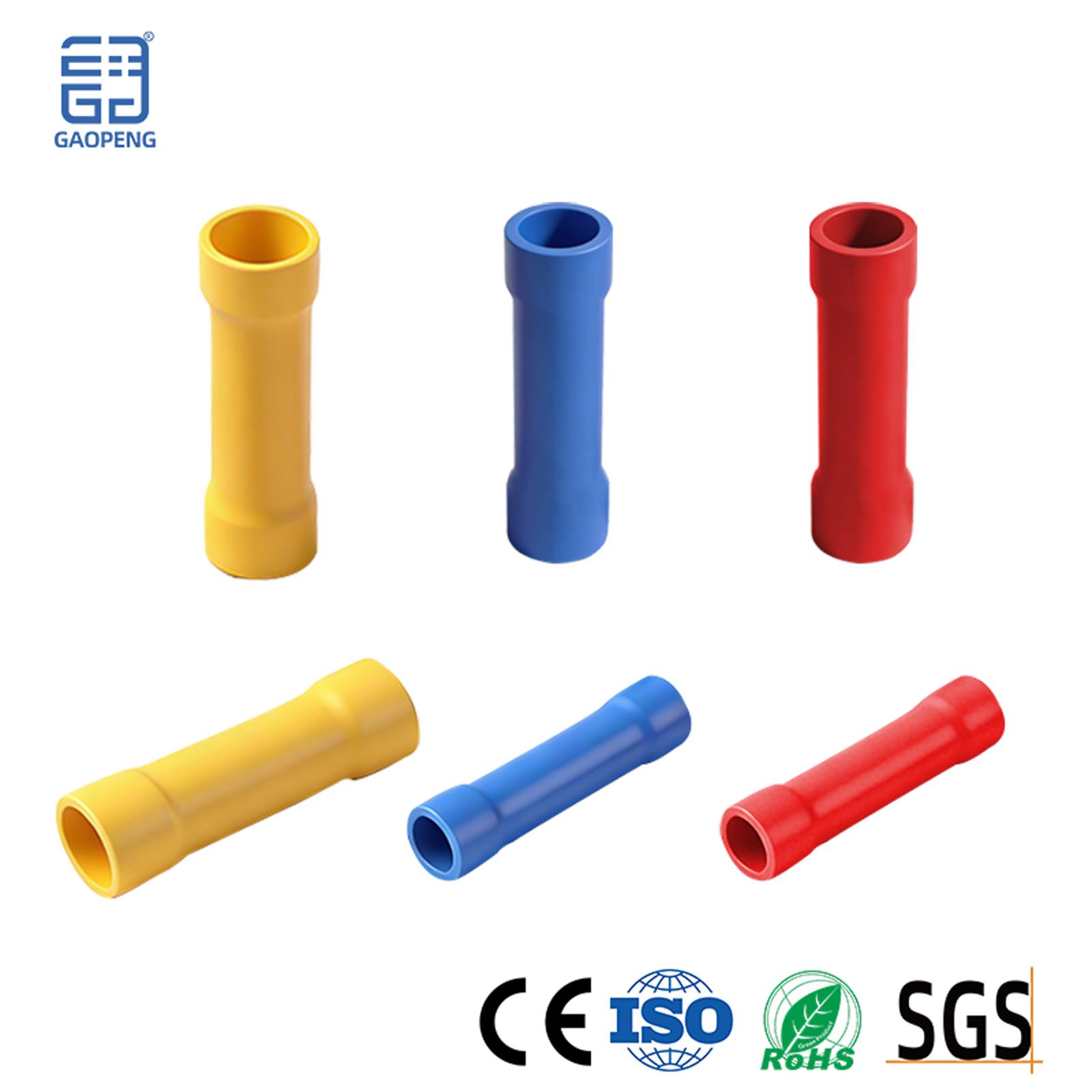
How to Choose the Right PVC Insulated Wire Terminal: A B2B Buyer's Guide to Spade, Ring, Bullet, Fork & Butt Connectors
If you have ever opened a B2B sourcing inquiry for "insulated crimp terminals," you already know the problem: one product family contains a dozen shapes, a handful of color codes, multiple AWG ranges, and at least three competing naming conventions. For an OEM buyer, a wire harness shop or a panel builder, picking the wrong style is not a cosmetic mistake - it shows up later as loose connections, callbacks, or a failed UL inspection.
This guide answers the practical questions buyers actually send us every week at Yueqing Gaopeng Electric Co., Ltd. We have manufactured PVC insulated terminals since 2016 and hold ISO 9001, CE and RoHS certifications, so the recommendations below come from real specification sheets, real crimp tests, and real customer feedback - not from a generic catalog reprint.
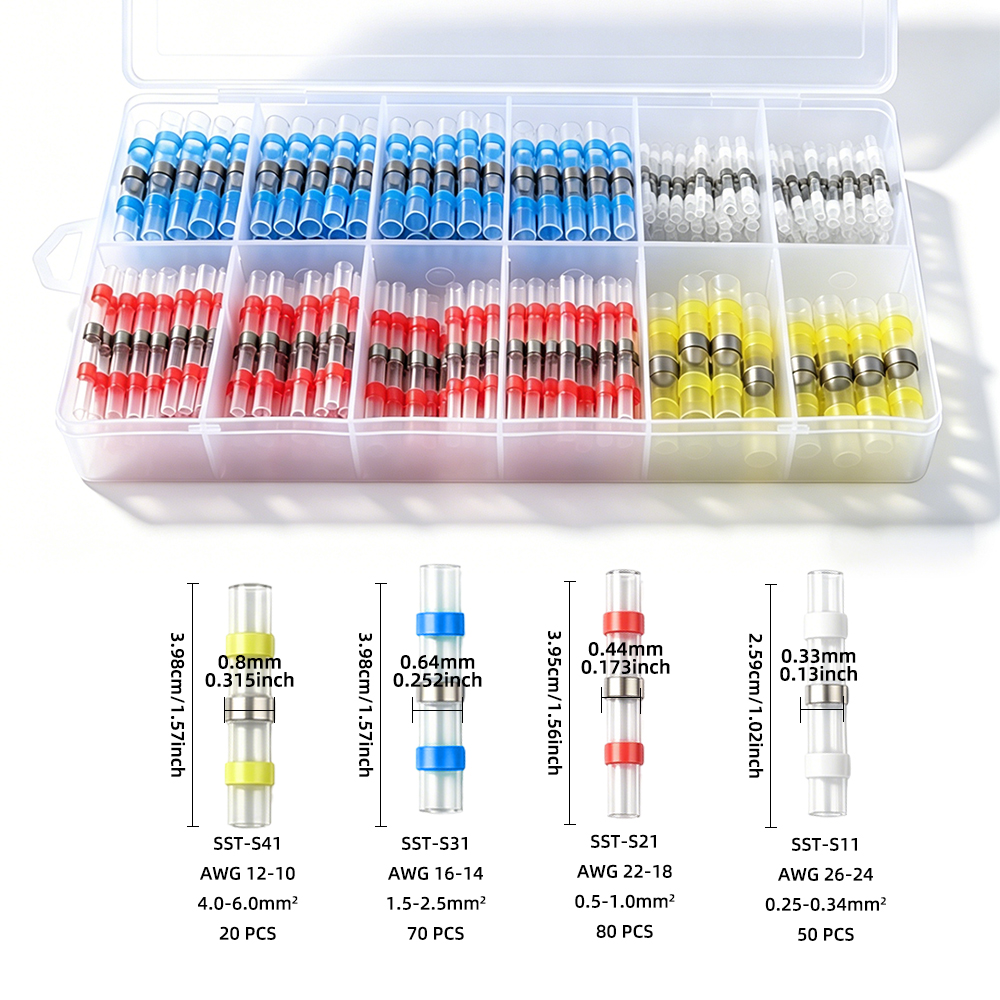
What Makes a Wire Connector Truly Waterproof for Marine and Automotive Use?
Learn what gives solder seal and heat shrink connectors a real waterproof seal, how IP ratings work, and how to install them correctly for marine, automotive, and outdoor wiring that lasts.
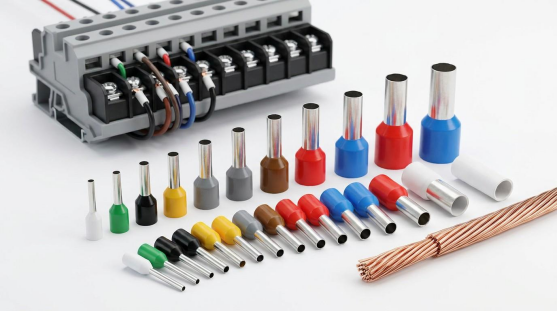
Do I Need Wire Ferrules for Stranded Wire in Control Panels?
When and why to use insulated wire ferrules (bootlace ferrules) on stranded conductors in control panels. Covers safety standards, sizing, color codes, and crimping tips for cleaner, safer terminations.
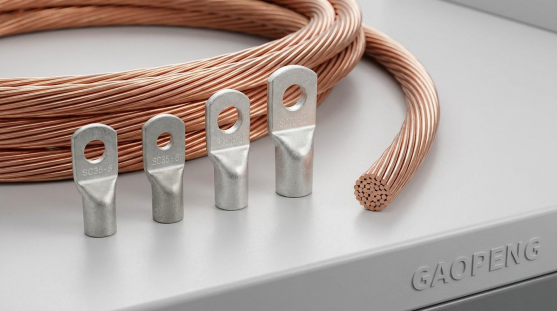
How to Choose the Right SC Cable Lug Size for High-Current Connections
A practical guide to selecting SC copper cable lug sizes by wire gauge, stud diameter, and current load. Avoid overheating and loose joints in battery, inverter, and power distribution wiring.
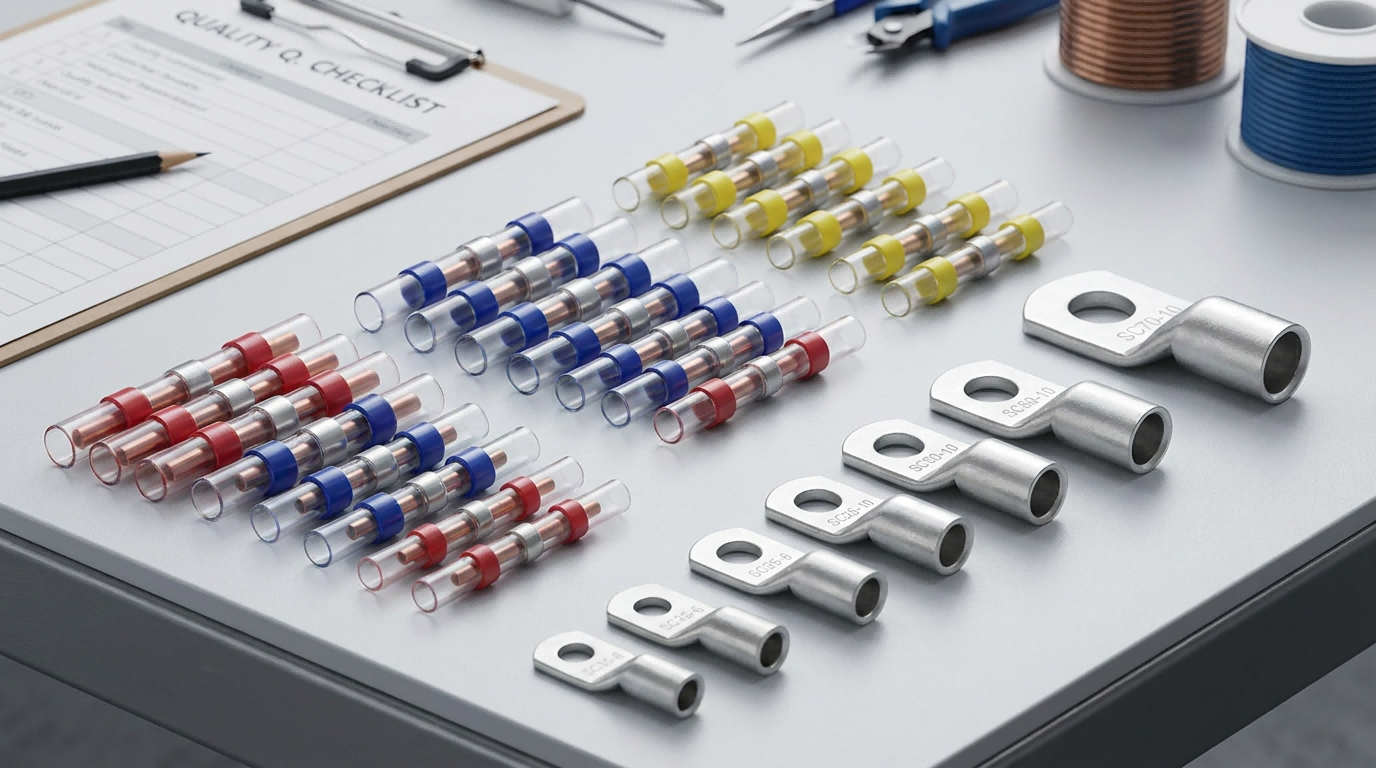
How to Source Waterproof Heat Shrink Connectors & Cable Lugs from a China Manufacturer: A B2B Buyer’s Compliance & QC Checklist
If you buy electrical terminals and connectors for resale, panel building, or OEM assembly, sourcing directly from a China manufacturer can cut your landed cost significantly — but only if you control quality and compliance from the first order. This guide answers the questions overseas buyers ask most before placing a purchase order for waterproof heat shrink connectors and copper cable lugs.